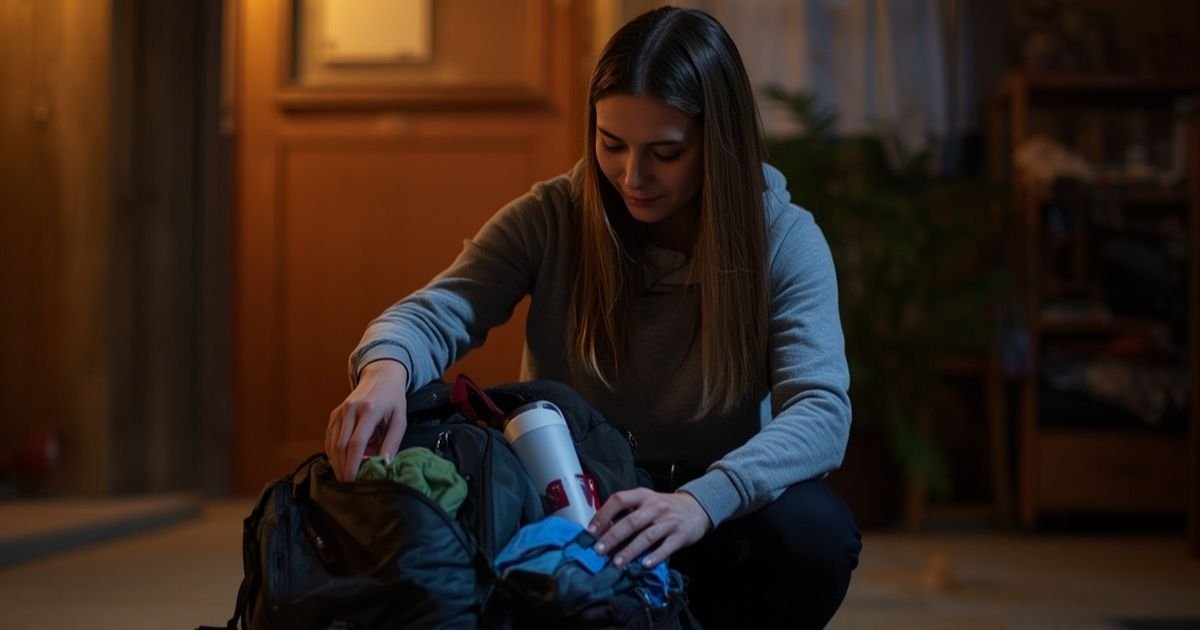
You are not the first woman to Google “solo female travel packing list” at 1am with a half-empty suitcase and a full blown panic. You have watched the suitcase-stuffers, the minimalist evangelists, the ones who bring twelve scarves and forget their charger.
You have also been the one standing in a hostel hallway at midnight, digging through a bag that weighs more than you do, trying to find the thing that would have saved you three hours ago.
If you are still working out what to bring on any trip regardless of gender, the full packing list guide on this site covers every category from documents to tech to clothing in detail. This post covers the additions, swaps, and considerations that matter specifically for women traveling solo.
Before you start packing, two other resources worth reading alongside this one:
- The Only Packing List You Will Actually Finish covers the full base list every traveler needs regardless of destination or gender
- Packing Checklist for Every Kind of Trip covers the pre-trip admin, the day-before confirmations, and the morning-of checks that most packing guides skip entirely
Here is what experienced solo travelers actually bring. Not the cute stuff. The stuff that keeps you safe, connected, and sane when you are alone on the other side of the world and nobody is coming to help.
The Bag Itself
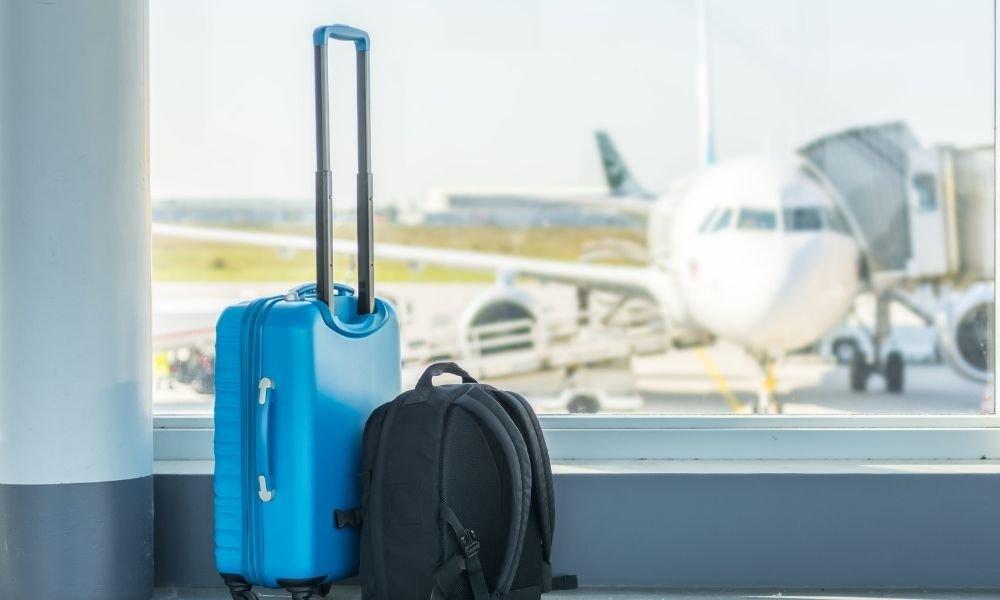
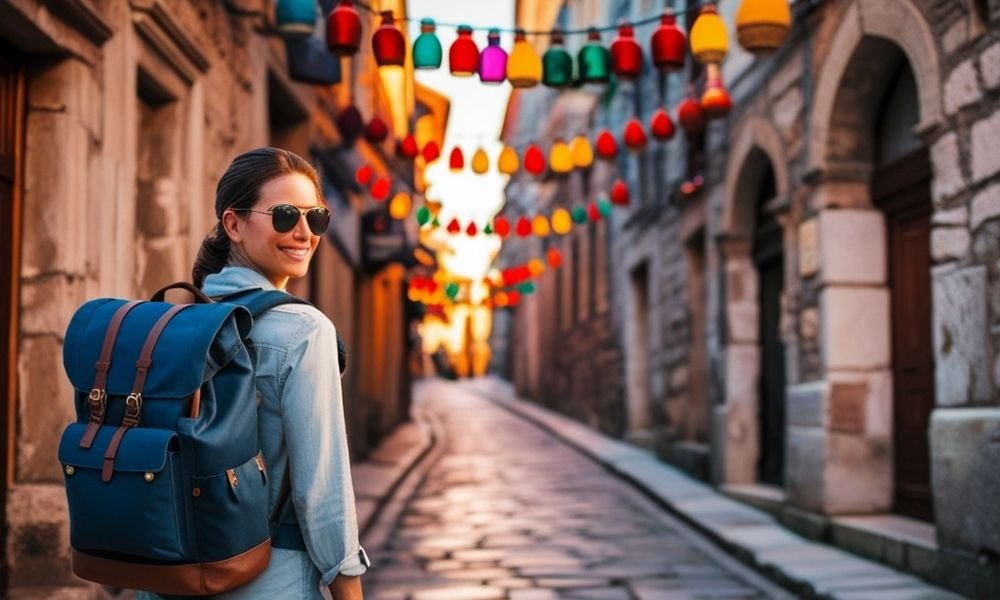
Use a 40L backpack. Not a roller suitcase. Not a giant hiking pack. A 40L carry-on backpack that fits under airplane seats and does not announce “I am a lost tourist” when you are walking to your hostel at midnight.
The brand does not matter. What matters is that it opens like a suitcase, not a top-loading tube. You will thank yourself when you need your charger at the bottom and you are standing in a hostel hallway.
Clothes: Less Than You Think
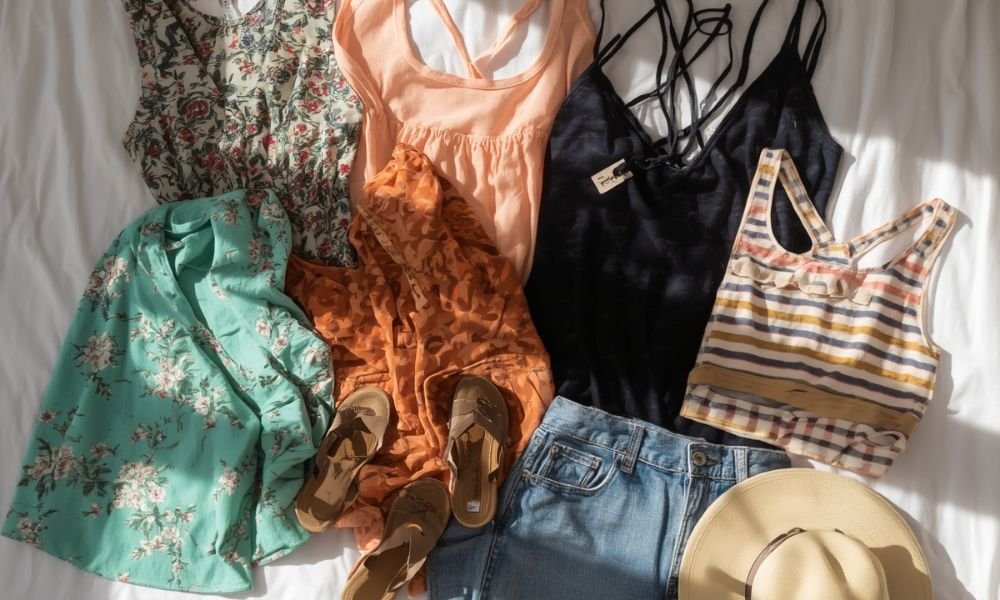
Bring 7 days of clothes maximum. Everything mixes and matches. One pair of jeans, two pairs of leggings, 5 tops, one dress that works for dinner or temples, one light jacket, underwear for 10 days, and wash everything in hostel sinks.
The secret is not what you bring. It is being willing to wear the same thing three days in a row. Nobody cares. Nobody is looking at you. They are looking at their own phones.
Shoes: one pair of comfortable walking sneakers, one pair of flip flops for hostel showers and beaches. That is it. Every extra pair is dead weight you will curse while climbing hostel stairs.
The Tech That Actually Matters
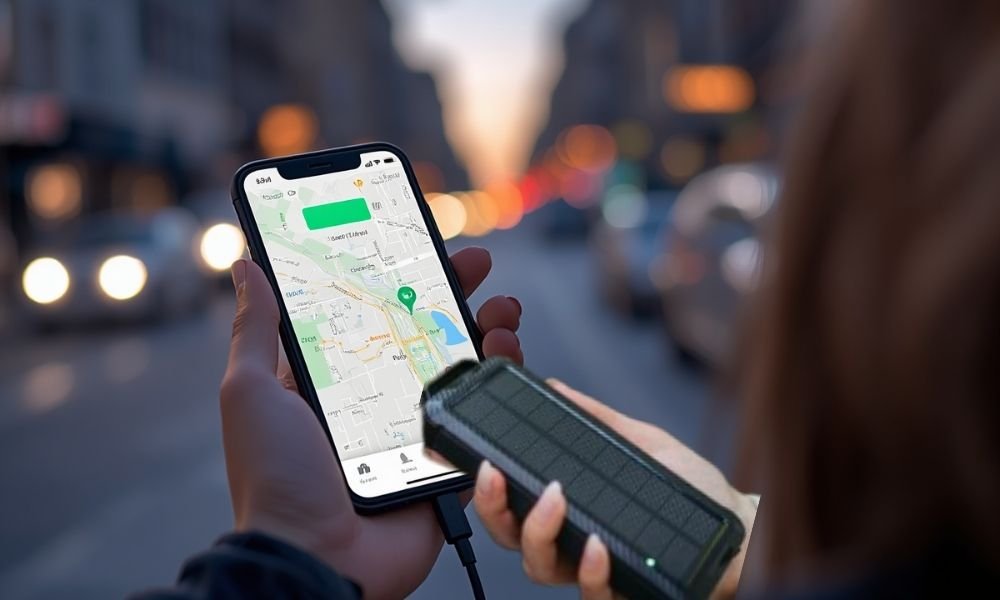
Phone charger and a portable battery. Not the tiny cute one. The chunky 20,000 mAh one that weighs like a brick and keeps your phone alive for three days. Your phone is your map, your translator, your emergency contact, your camera, your bank. If it dies, you are actually lost.
Universal adapter. The kind with USB-C ports built in. The same one works in Thailand, Portugal, Japan, and Mexico. The old USB-A-only adapters are useless now. Most airports and newer hostels only have USB-C.
Headphones. Not just for music. For pretending you cannot hear the man who followed you for two blocks trying to sell something. A woman with headphones in is invisible in a way that makes solo travel easier.
A cheap backup phone. A $50 Nokia bought in Bangkok makes calls, sends texts, and the battery lasts a week. If your real phone gets stolen, you can still call your hostel, call emergency services, call your insurance. Speaking of which.
The Boring Pouch That Saves Everything
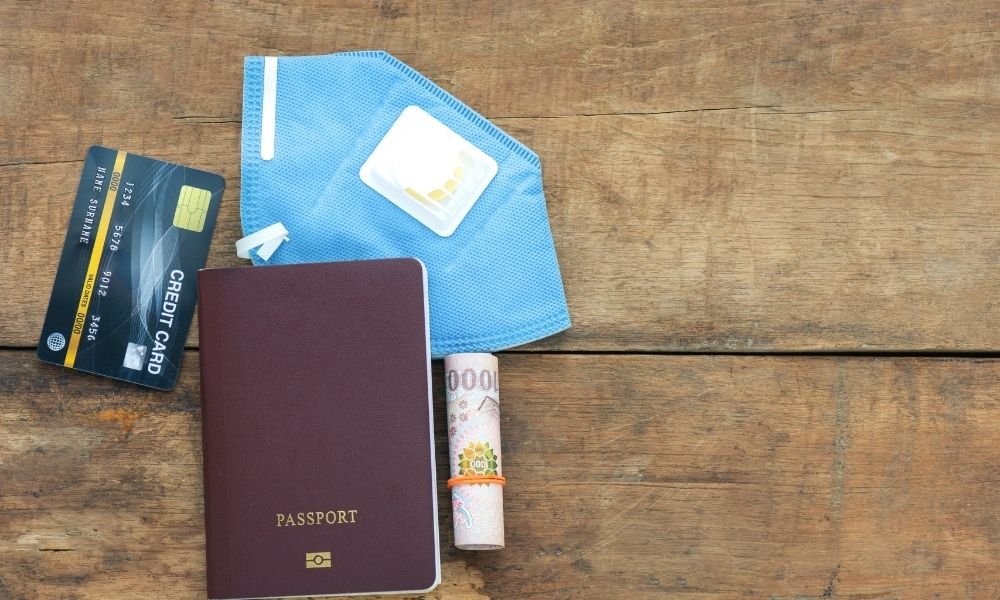
Keep a small ziplock bag in your daypack. In it:
- Photocopy of your passport
- $200 USD in cash, hidden in a tampon wrapper (thieves do not check there)
- Backup debit card
- SafetyWing policy number
- SafetyWing 24/7 phone number
You will rarely need the cash. You may need that phone number twice in a year.
In Chiang Mai, a traveler could not read medication labels at a pharmacy at 11 PM. She called, they translated, she bought the right thing.
In Lisbon, another traveler twisted her ankle on cobblestones and was not sure if the clinic she found was legitimate. SafetyWing verified it was in network and she paid nothing out of pocket.
The $45 a month spent on SafetyWing is the least exciting purchase of any trip. It is also the only one many solo travelers have ever used in an actual emergency. Keep the details in that pouch because when you are panicking, you cannot rely on your phone battery or hostel wifi.
SafetyWing lets you start coverage while already traveling. Most companies say no if you forgot to buy insurance before your first trip. SafetyWing lets you sign up from a hostel in Bangkok in 5 minutes. Auto-renew month by month because you never know when you are coming home.
Travel Insurance for Solo Female Travelers
This deserves its own section because it is the item most likely to be treated as optional and the one that is least optional of all.
Solo female travelers face a specific version of the travel insurance argument. When something goes wrong medically in a foreign country, there is no travel partner to help navigate an unfamiliar healthcare system, communicate with medical staff in a language barrier situation, or manage the practical and financial side of an emergency while you are the one who needs care.
Travel insurance does not remove that vulnerability. It removes the financial version of it, which is significant, and it often comes with a 24-hour emergency assistance line that provides support in exactly those situations.
SafetyWing covers emergency medical treatment, hospital stays, and emergency evacuation. It starts from a few dollars a day and can be purchased even after you have already left home. For solo travelers it is not a nice-to-have. Read the full review of SafetyWing here to see exactly what it covers and whether it is the right option for your trip.
What You Pack vs. What the Internet Tells You to Pack
Every packing list online says the same thing. Packing cubes. Silk pillowcases. A dozen “must-have” gadgets that weigh half a kilo each. Here is the truth from people who have actually lived out of a backpack for months.
| What They Recommend | What Experienced Travelers Actually Bring | Why |
|---|---|---|
| Packing cubes | One compression sack for dirty clothes | Cubes are fine. They are not essential. A $2 sack works the same. |
| Silk pillowcase | Nothing | Hostels provide pillows. If they are gross, use your jacket. |
| Compact quick-dry travel towel | Nothing | Hostels rent them for $1 or include them. Travel towels smell after two uses. |
| Water filter reusable bottle | Regular water bottle | Buy bottled water in countries where tap water is unsafe. A filter does not remove viruses. |
| Portable safe | Door stop alarm | A safe is heavy. A door stop is $10 and fits in a pocket. |
| E-reader | Phone | Your phone has Kindle. One less device to charge. |
| Jewelry organizer | Nothing | Do not bring jewelry worth organizing. |
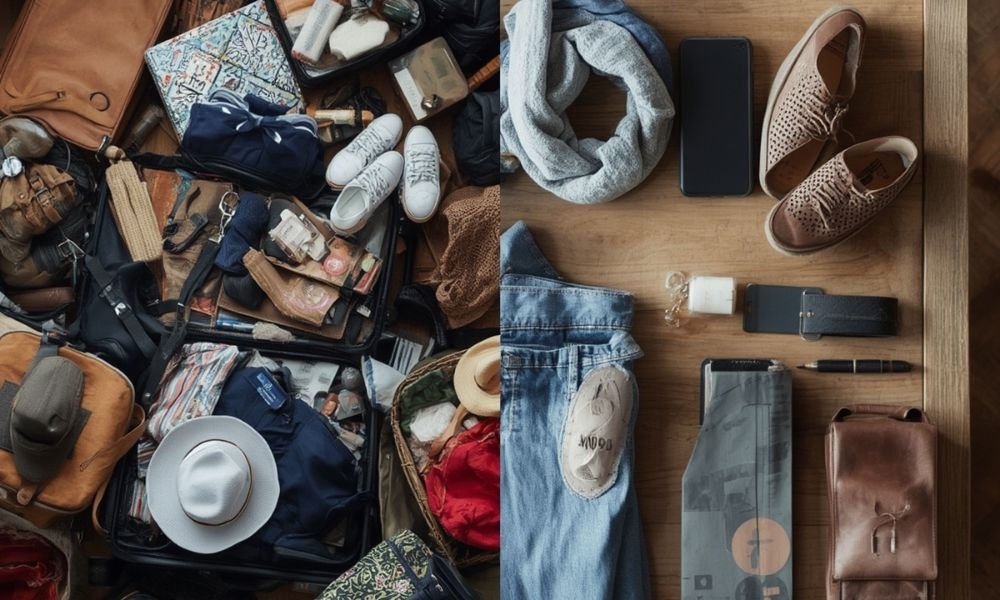
None of those items are useless. If you are checking a bag and staying in hotels, bring whatever you want. But for solo travel with a 40L backpack, every item needs to earn its weight. Most do not.
Before You Pack, Plan Your Route First
Building a trip plan before you leave, including a Google Maps custom map with your accommodation addresses, daily routes, and notes on each location, is particularly useful for solo female travelers because it means your itinerary is always accessible offline and can be shared with someone at home as a live record of where you are and where you are going. The full guide to building that map is here: Google Maps Trip Planner: How to Build Your Whole Route Before You Book a Single Hotel.
What to Pack for Solo Female Travel: The Complete Checklist
This checklist covers the full bag contents for a solo female traveler on a trip of up to ten days. It builds on the base packing list and adds the items specific to solo female travel. Items marked with an asterisk are covered in the safety section above and are non-negotiable for this type of trip.
Documents and money:
- Passport with at least six months validity beyond your return date
- Printed travel insurance documents
- Accommodation address and booking confirmation for the first night
- Main payment card plus one backup card from a different account
- Small amount of local cash for arrival
- RFID-blocking passport holder or travel wallet*
- Under-clothes money belt with backup card and emergency cash*
Clothing:
- Seven pairs of underwear in quick-dry or merino wool fabric
- Six pairs of socks including one compression pair for the flight
- Three to four tops that mix and match across your bottoms
- Two pairs of bottoms suitable for the climate
- One packable warm layer
- One packable rain jacket
- One outfit that works for a smarter setting if needed
- A scarf or lightweight shawl that doubles as a cover-up in religious sites or conservative cultural settings
- Swimwear if applicable
Footwear:
- One pair of broken-in walking shoes. Not new shoes. Broken in before the trip.
- One lighter pair for evenings or situations where the main shoes are too heavy
Safety items:
- Portable door lock*
- Personal safety alarm*
- TSA-approved combination locks for bag zips
Tech:
- Universal travel adapter
- Power bank, 20,000mAh, fully charged
- Phone charging cable
- Noise-canceling headphones or earbuds
- Waterproof phone pouch if the destination involves water
Health and hygiene:
- Prescription medications with a few extra days supply
- Small first aid kit with blister plasters, antiseptic wipes, and pain relief
- Any feminine hygiene products you prefer. Availability and brand selection vary widely by destination, particularly in rural areas and parts of Southeast Asia, Central Asia, and some African countries. Do not assume you can buy your preferred products at your destination.
- UTI sachets or your preferred prevention and treatment. Long travel days, dehydration, and changes in routine make UTIs more common on trips than at home. Bringing a treatment option means you can manage symptoms without spending a travel day hunting for a pharmacy.
- Sunscreen appropriate for your destination
- Electrolyte sachets
- Quick-dry travel towel
Bag organisation:
- Compression packing cubes for clothing
- Clear resealable toiletry bag for liquids
- Waterproof dry bag for electronics and documents
- Cable and accessories organiser pouch
How to Actually Book Flights (And How Most People Waste Money)
Most people book flights the way everyone books flights. Check Google Flights, find a price, wait a week hoping it drops, then book the same flight for $40 more because they waited too long.
Experienced travelers use Travelpayouts. Not to find flights they would not find otherwise. To see price trends across multiple booking sites at once without opening 12 tabs. Search once, see prices from Booking.com, Trip.com, Kiwi.com, and a dozen airlines side by side. Book the cheapest option in about 3 minutes.
Here is what it actually does:
- Price alerts. Set an alert for a route, forget about it, and get an email when the price actually drops. One traveler caught a $220 flight from Lisbon to Bangkok last year because of this. She would have paid $380 if she booked the day she searched.
- Flexible date search. If you can leave Tuesday or Thursday, see both prices instantly. Sometimes Tuesday is $90 cheaper. That is two weeks of hostel stays.
- No extra fees. Travelpayouts is an aggregator. They do not charge you. They get a commission from the booking site when you book through them. It costs you nothing extra and you see options you would miss if you only checked one site.
Still compare directly with airline sites sometimes. But Travelpayouts saves time and has saved actual money on every trip since starting to use it. If you are booking solo travel flights and you are still checking one site at a time, you are probably overpaying.
Toiletries: Minimal and Strategic
Bring travel sized everything. Shampoo, conditioner, body wash, face wash, moisturizer with SPF, deodorant, toothbrush, toothpaste, razor. Buy refills at local pharmacies when you run out. It is cheaper than packing full sizes and worrying about liquid limits.
Menstrual cup or period underwear. Tampons are not always available and they are expensive in some countries. A reusable menstrual cup takes up no space and works for 12 hours. Period underwear is backup for nights when you cannot deal with the cup.
Hand sanitizer and wet wipes. Hostels are clean-ish. Bathrooms are not always. Use wet wipes for everything: hands, face, wiping down questionable hostel pillows, cleaning mystery stains off your backpack.
Safety Items Every Solo Female Traveler Should Pack
These items are on the general trip essentials list on this site. For solo female travelers they move from optional to non-negotiable.
Portable door lock
This is the single most recommended safety item by experienced solo female travelers across every forum, subreddit, and travel community. It fits in your palm, slides into the gap between a door and its frame, and prevents the door from being opened from outside regardless of what lock is already installed.
It works on hotel rooms, guesthouse rooms, hostel private rooms, and any accommodation where you are not fully certain about door security. It weighs almost nothing. It costs almost nothing. It goes in every bag.
Personal safety alarm
A small device that clips to a bag strap or keyring. Pulls to activate. Creates an immediate and very loud noise that draws attention from anyone nearby.
The purpose is not to fight anyone. The purpose is to make a situation immediately and publicly visible, which is usually enough to end it. Carry it clipped somewhere accessible, not buried inside your bag.
RFID-blocking passport holder
Tourist-heavy areas in most major travel destinations have a documented problem with contactless card skimming. An RFID-blocking holder costs less than most airport meals and prevents your cards from being read without your knowledge in crowded markets, transport hubs, and busy streets.
Under-clothes money belt
Not your main wallet. A slim belt worn under your clothing that holds a backup card from a different account, a small amount of emergency cash, and a folded copy of your passport photo page.
Wear it during travel days and in any area where pickpocketing risk is higher than usual. The main wallet stays in your bag for everyday use. The money belt is the backup for the scenario where the main wallet is gone.
The Safety Stuff Nobody Talks About
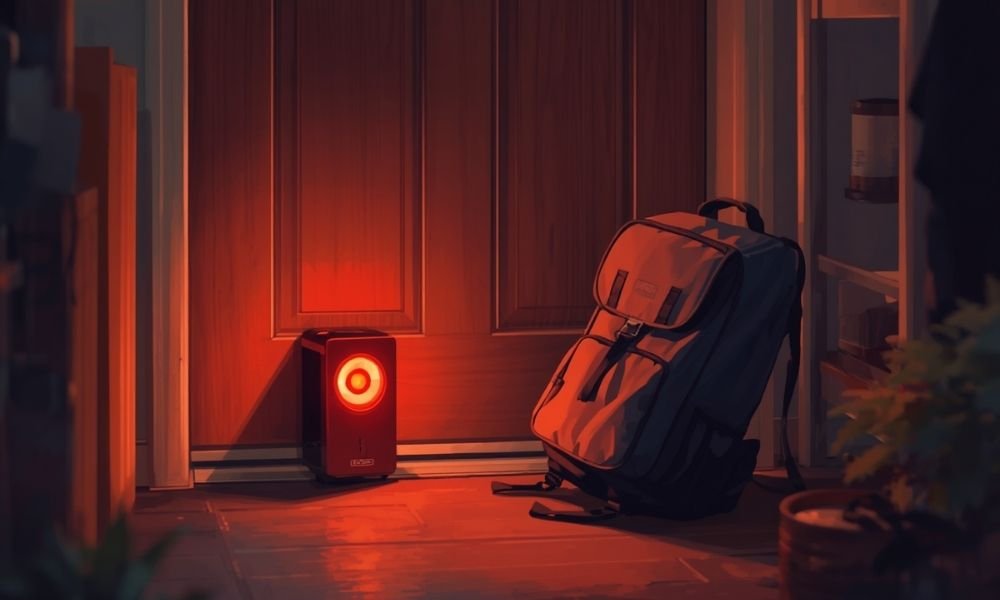
Door stop alarm. $10 on Amazon. Wedge it under your hostel door or hotel door at night. If someone opens the door, it screams. Most travelers never have it go off. They sleep better knowing it exists.
Fake wedding ring. A cheap gold band bought for $3 in a market. It does not stop all harassment but it stops some. In some countries, a married woman gets less attention than a single one. It is not fair. It works.
The door stop alarm and the fake wedding ring will handle physical situations. But scams are a different threat. They do not look dangerous. They look helpful. A man at the train station who offers to carry your bag to the right platform. A taxi driver who insists the meter is broken. A “free” bracelet that suddenly costs twenty euros.
First time solo travelers get hit hardest because they are tired, overwhelmed, and too polite to say no. This guide on how to avoid travel scams as a first time traveler breaks down the most common traps, the scripts scammers use, and exactly what to say to walk away without feeling rude. Read it before you land. The confidence it gives you is lighter than anything in your bag.
Whistle on your keychain. Never used it. Always have it.
Shared location with someone at home. Your mom, your best friend, your sister. Someone has your location always. They never check it. If you go missing, they know where to start.
What Not to Bring
Jewelry that looks expensive. Even if it is fake, it attracts the wrong attention.
More than one book. Read on your phone. Books are heavy and get ruined in humidity.
A towel. Every hostel provides them or rents them for $1. A travel towel takes forever to dry and smells like mildew after two uses.
A sleeping bag liner. Brought one once. Used it zero times. Hostels provide sheets. If they do not, leave.
The Real Packing Secret
You do not need more stuff. You need less stuff and more confidence.
The first time you travel solo, you will probably pack 20 kilos of “just in case” items. You will use maybe 8 kilos of it. The second time you will pack 10 kilos. The third time, 7 kilos. Eventually you can pack in 20 minutes and have everything you actually need.
The lighter your bag, the more mobile you are. The more mobile you are, the safer you are. You can walk away from weird situations. You can catch a bus that is leaving in 5 minutes. You can say yes to a day trip because you do not need to go back to the hostel for your giant suitcase.
Frequently Asked Questions
Is solo female travel safe?
Yes, with the right preparation. Millions of women travel solo every year to almost every destination in the world. The risks that most commonly affect solo female travelers are opportunistic theft, tourist-targeted scams, and in some destinations street harassment. All three are reduced by preparation rather than avoided by staying home. An RFID-blocking wallet, a portable door lock, a personal safety alarm, travel insurance, and an awareness of the specific scam types common at your destination before you arrive covers the realistic risk picture for most trips.
What is the most important thing to pack for solo female travel?
The portable door lock. Not because accommodation is generally unsafe, but because it provides genuine security regardless of what lock is already installed on a door, and because the peace of mind it provides affects how you sleep and how you feel throughout the trip. Second most important is travel insurance. Everything else on the packing list is replaceable at a destination. Those two items are not.
What should solo female travelers do differently when packing clothing?
Pack a scarf or lightweight shawl that doubles as a cover-up. In religious sites across most of the world and in culturally conservative settings in parts of the Middle East, South Asia, and Southeast Asia, covered shoulders and a longer hemline are either required or strongly preferred. A lightweight scarf takes up almost no bag space and removes the situation of being turned away from a site you traveled to see because of what you are wearing. Beyond that, quick-dry fabrics and merino wool base layers are the same recommendation for female solo travelers as for anyone else.
What feminine hygiene products should I bring when traveling?
Bring your preferred products from home in sufficient quantity for the trip. Product availability, brand selection, and in some cases tampon availability specifically varies significantly by destination. Rural areas and smaller towns in Southeast Asia, Central Asia, parts of Africa, and some parts of Eastern Europe have limited selection. If you use a menstrual cup, bring your preferred sterilisation method as well as a backup option in case cleaning facilities are limited. If you have a preferred brand of UTI sachets or treatment, bring those too.
How do I stay safe as a solo female traveler at night?
Use the same transport options you would use during the day where possible. Book licensed taxis or rideshare apps rather than accepting rides from unlicensed drivers. Avoid walking alone in areas you do not know after dark, not because it is necessarily unsafe but because the risk-to-benefit ratio of that specific decision is easy to improve. Know the general layout of the area around your accommodation before it gets dark so you are not navigating an unfamiliar neighbourhood at night for the first time. Share your location with someone at home on long evenings out. These are practical adjustments, not reasons to limit what you do.
Do I need different travel insurance as a solo female traveler?
Standard travel medical insurance covers the same risks regardless of gender. What matters more than the gender question is that you have it at all, and that you understand what it covers before you travel. Medical evacuation, emergency hospital treatment, and trip cancellation are the coverage areas that matter most. SafetyWing covers all three and can be purchased after you have already left home. Read the full review here.
What is the best destination for first-time solo female travelers?
Portugal, Japan, New Zealand, Iceland, and Ireland are consistently recommended for first-time solo female travelers based on safety records, English accessibility, reliable infrastructure, and established solo travel scenes. The full solo traveller guide on this site covers destination choice in detail with a breakdown of what makes a destination suitable for a first solo trip regardless of gender: Solo Traveller Guide: Everything You Need to Know Before Your First Trip Alone.
The Bottom Line
Packing for solo travel is not about having the perfect outfit for every photo. It is about having what you need to handle a week of unknown situations alone.
Bring less clothes. Bring more battery power. Bring a way to call for help that does not depend on your phone working. Keep your insurance details where you can find them when you are stressed and it is dark and you are in a country where you do not speak the language.
Book your flights smart so you have more money for the actual trip. Then stop worrying about your bag and start actually traveling.
As an Amazon Associate, Wandervoyant earns a small commission from qualifying purchases made through links on this page. This comes at no additional cost to you and helps keep this site running.
Related reading:
- The Only Packing List You Will Actually Finish
- Packing Checklist for Every Kind of Trip
- Travel Luggage Checklist: How to Pack a Bag You Can Actually Carry
- Trip Essentials: The 30 Things Worth Packing and the 10 You Will Wish You Had Left Behind
- Solo Traveller Guide: Everything You Need to Know Before Your First Trip Alone
- Google Maps Trip Planner: How to Build Your Whole Route Before You Book a Single Hotel
- How to Avoid Travel Scams as a First Time Traveler
- Why I Use SafetyWing for Every Solo Trip
- Travel Gear Checklist: 80+ Must-Have Packing Essentials