
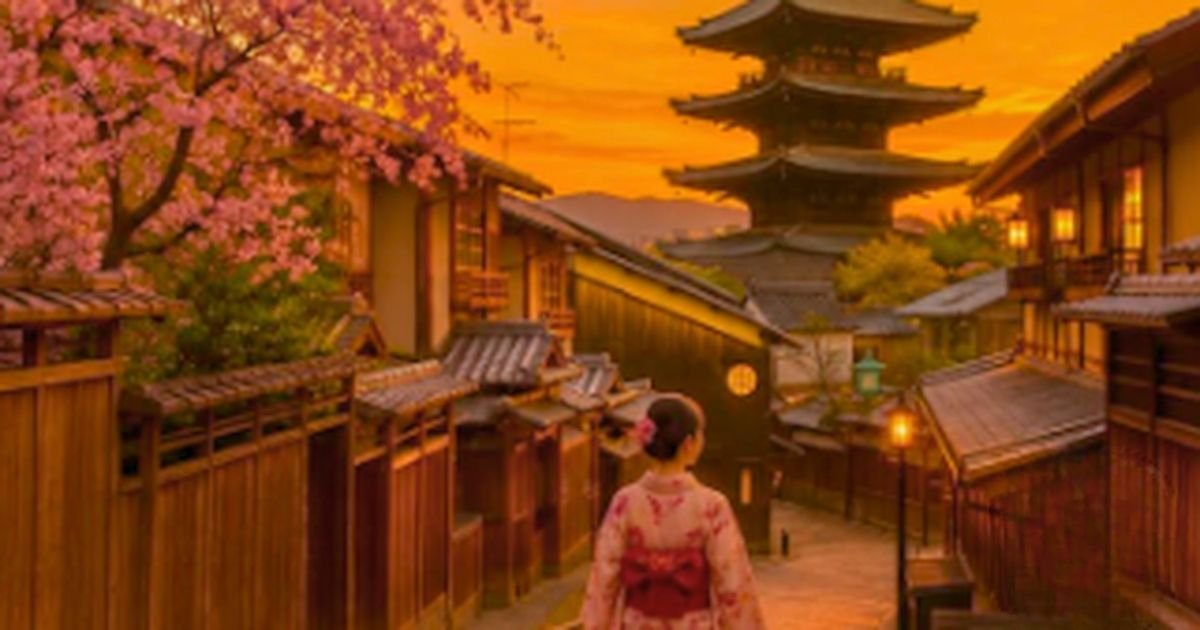
A solid Kyoto itinerary was the one thing I desperately needed and couldn’t find anywhere. I booked my trip on impulse. Saw a photo of those red torii gates on a rainy Tuesday, checked flight prices, and before I could talk myself out of it, I had a confirmation email sitting in my inbox.
Then came the panic.
I had no idea where to start. Every blog I found either listed the same five temples everyone already knows, or buried the useful stuff under so many ads I gave up reading. I wanted someone to just sit down with me and say: here is what you actually need to know, here is what to do first, and here is how to not waste a single day.
Nobody did that for me. So I figured it out myself, made some mistakes, learned from them, and now I’m writing the guide I wish I had.
If you’re heading to Kyoto and you want a real plan built around what the city is actually like, you’re in the right place. Grab a coffee. Let’s go through this properly.
When Should You Actually Go?
This matters more than people realize. Kyoto is not the same city in April as it is in November, and the season you pick will shape everything from your budget to how many people you’re sharing a temple path with.
Spring (late March to mid-April) is cherry blossom season and it is genuinely as beautiful as the photos suggest. But this is also when Kyoto gets absolutely slammed with visitors. Hotels get booked months out, prices jump, and the famous spots fill up fast. If you want to go in spring, start planning at least four months ahead and be prepared to wake up early every single day to beat the crowds.
Autumn (mid-October to late November) is my personal favorite, and most serious Kyoto travelers will tell you the same. The maples turn red and gold in a way that makes you stop walking and just stand there staring. It’s still busy, but slightly more manageable than spring.
Summer (June to August) is hot and sticky and wildly underrated. A lot of tourists skip it, which means you get popular places to yourself in a way that’s rare any other time of year. The Gion Matsuri festival runs through July and it’s one of the most electric things I’ve ever seen in Japan. Just drink a lot of water and wear breathable clothes.
Winter (December to February) is quiet, affordable, and occasionally magical. If it snows while you’re there, the temples look unreal. Pack warm layers and enjoy having Kyoto mostly to yourself.
My honest recommendation: if you have flexibility, aim for early November or the very end of March. You get the color and the blossoms without the worst of the peak season chaos.
Getting Around Without Losing Your Mind
Kyoto’s transit is excellent once you understand it, and confusing until you do.
The most important thing you can do before you go anywhere is get an IC card. You can pick one up at any major train station as soon as you land. It works on every bus and train in Kyoto, you just tap and go, and it even works at convenience stores and vending machines. Anyone who visited before IC cards existed will tell you what a game-changer they are. Get one immediately.
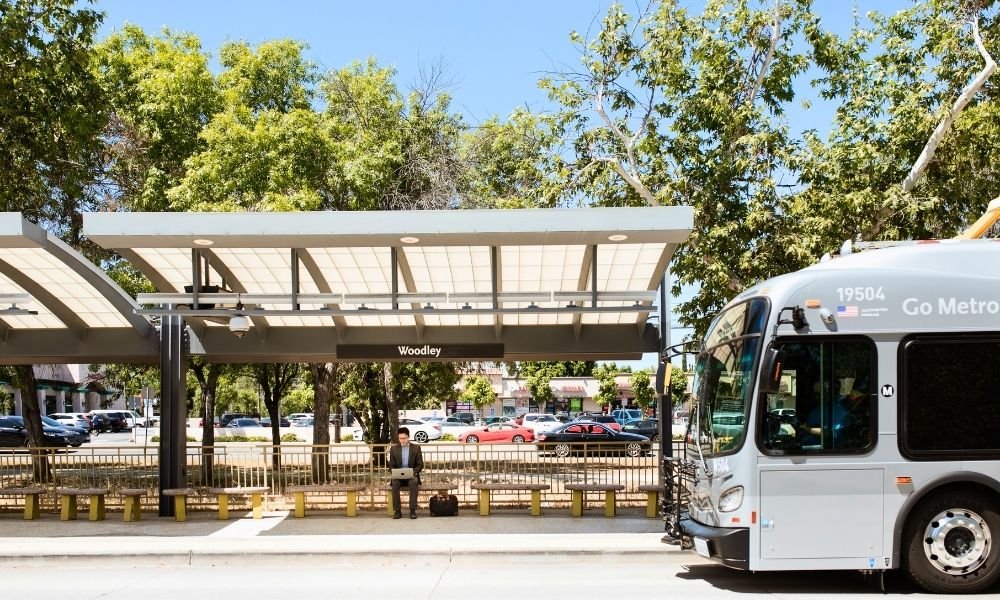
Buses are how most visitors get around and they cover the whole city well. A one-day bus pass costs ¥700 and pays for itself after three rides. Download the Kyoto City Bus app before you leave home so you’re not fumbling around trying to figure out routes while standing on a street corner.
The subway has two lines and connects the bigger neighborhoods quickly. It doesn’t go everywhere, but when it does go where you need, it’s the fastest option.
Taxis are reliable and the drivers tend to be careful and courteous. They’re not cheap though, so save them for late nights or the moments when you’re exhausted and can’t face another bus.
Walking and cycling are genuinely the best ways to experience Kyoto. A lot of the best things you’ll see on this trip, you’ll find by turning down a street that wasn’t on any itinerary. Most guesthouses and ryokan can point you to a nearby bike rental, and the city is flat enough that cycling feels like a pleasure rather than a workout.
One last thing: get a pocket WiFi or a travel SIM before you leave home. Google Maps in Japan is excellent and having it always available will save you repeatedly.
Where to Stay and Why It Matters
A lot of people book whatever hotel is cheapest and closest to a big attraction without thinking about how the neighborhood will actually feel to come home to each evening. That’s a mistake in Kyoto because the city has very distinct areas and they offer very different experiences.
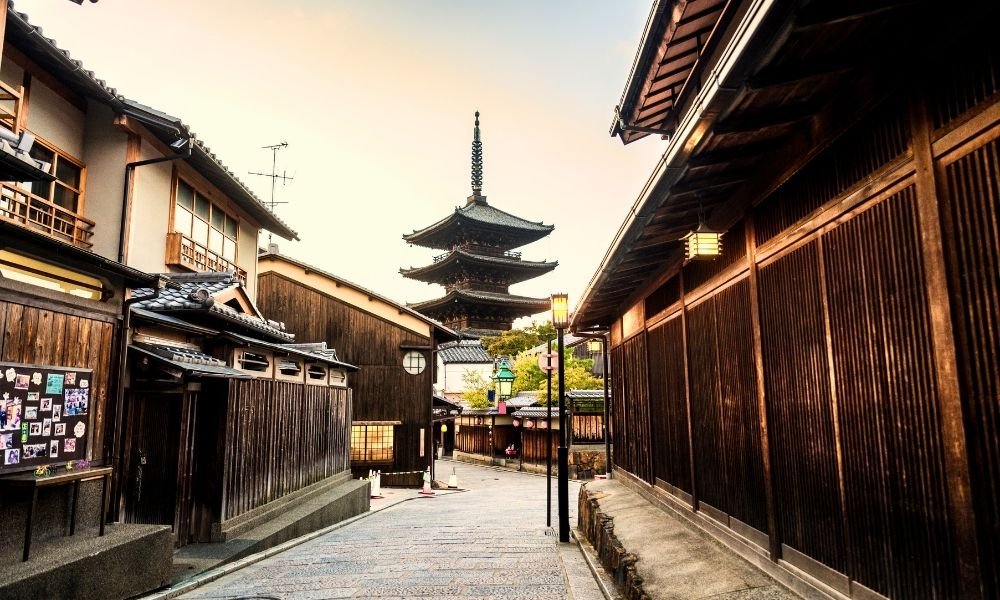
Higashiyama puts you within walking distance of the best temples, the old stone-paved streets, and Gion. It’s pricier, but you step outside your door and you’re already in the part of the city that looks like old Japan. Some of the best ryokan options in all of Kyoto are here.
Gion and central Kawaramachi are better if you want easy access to restaurants, nightlife, and the main shopping streets. Good hotels at every price point and solid bus access to everywhere.
Arashiyama is worth considering if you want to experience the bamboo grove at sunrise before the crowds arrive. Quieter and more scenic, with excellent ryokan options. A bit out of the way if you’re planning to explore the whole city though.
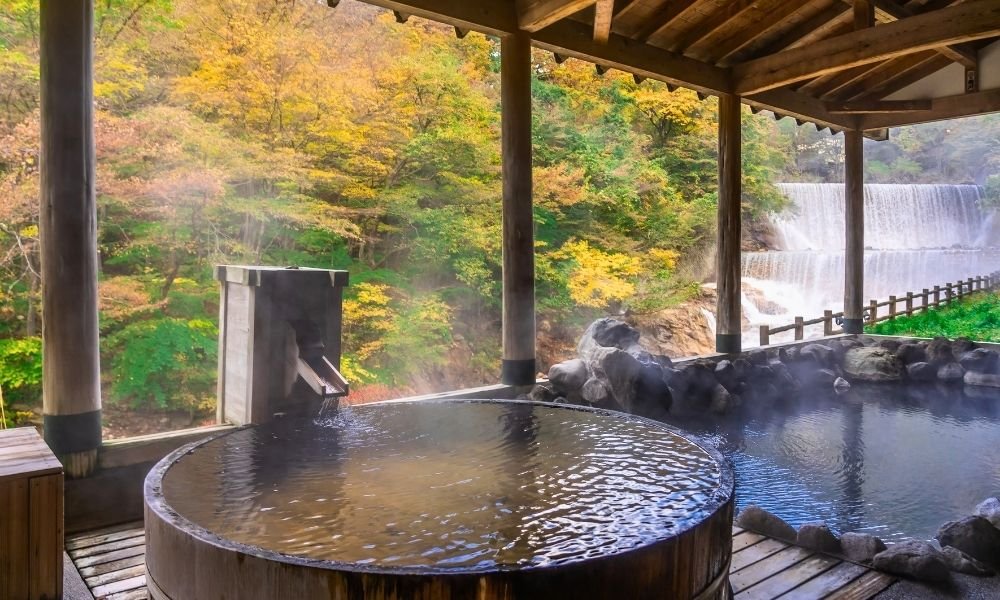
If this is your first time in Japan and you’ve never stayed in a ryokan, try to work at least one night into your budget. Sleeping on a futon, wearing a yukata around the inn, having a multi-course meal brought to your room, soaking in a private onsen. It’s one of those experiences that people describe for years afterward.
The 4 Day Kyoto Itinerary That Saved My Trip
This isn’t a checklist that is designed to help you run frantically from one side of the city to the other just to take a photo and leave.
This is the exact, hard-tested strategy we built to help you experience Kyoto without getting swallowed by the crowds or losing your mind to transit confusion.
We are pairing the major, real sights with quiet, hidden corners, and structuring each day so you are always ahead of the tour buses.
This is how you see the soul of Kyoto in four days. Let’s dive in.
Day 1: The Eastern Hills, Gion, and Your First Real Look at Kyoto
Get to Fushimi Inari before the sun gets high.
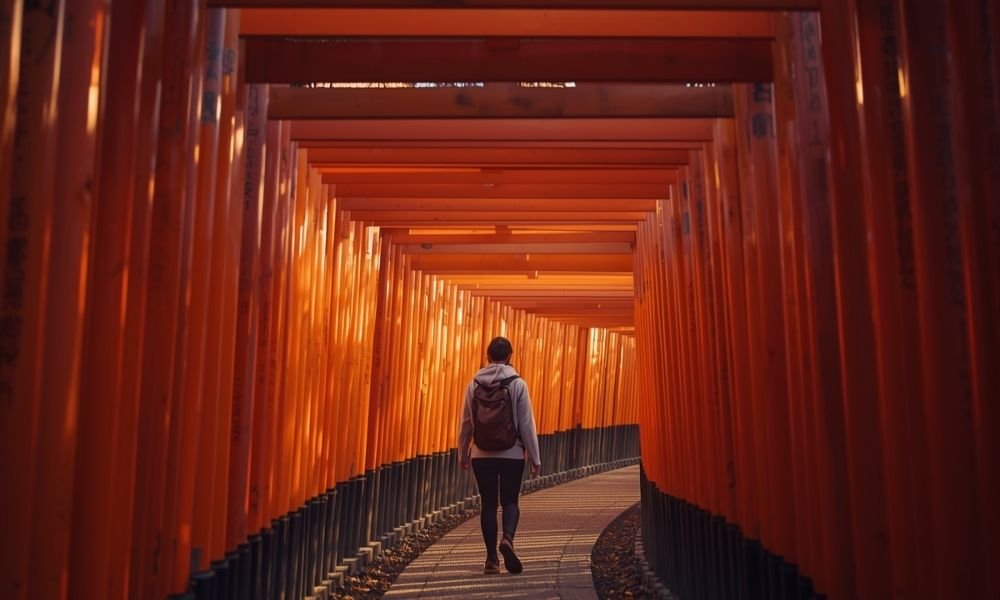
This is important. The Fushimi Inari Shrine and its famous tunnel of red torii gates spiraling up through the forested mountain is genuinely one of the most striking places I’ve ever been. At 7 in the morning, with light filtering through the trees and almost no one around, it feels sacred. By 10 a.m., it’s tour groups and selfie sticks.
Set your alarm. It’s worth it.
The hike to the top takes about two to three hours round trip. You don’t have to go all the way to the summit, but push past the main cluster of gates that most people stop at. The trails thin out quickly once you’re past that point, and the upper sections of the mountain are beautiful and almost always quiet.
Keep an eye out for the small fox shrines tucked into the hillside. Foxes are the messengers of Inari, the deity this shrine is dedicated to, and you’ll see their statues all the way up.
Entry is free and the shrine never closes.
Spend the middle of the day at Kiyomizu-dera and the streets below it.
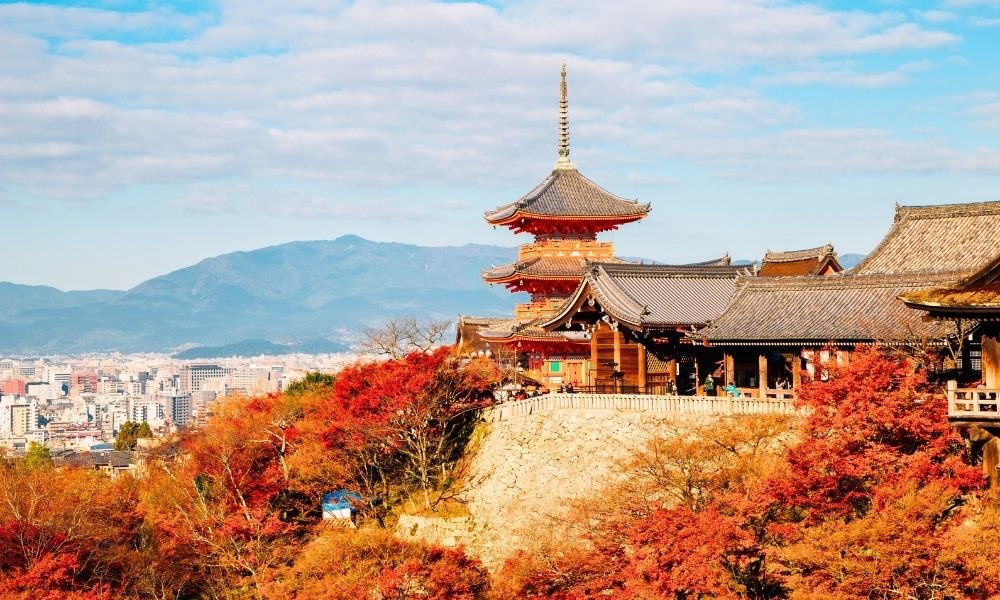
Kiyomizu-dera is a wooden temple built into the side of a mountain, and the main hall has a broad stage extending out over the treetops. The view from there across the valley to the city is the kind of thing that ends up as your phone wallpaper for the next year.
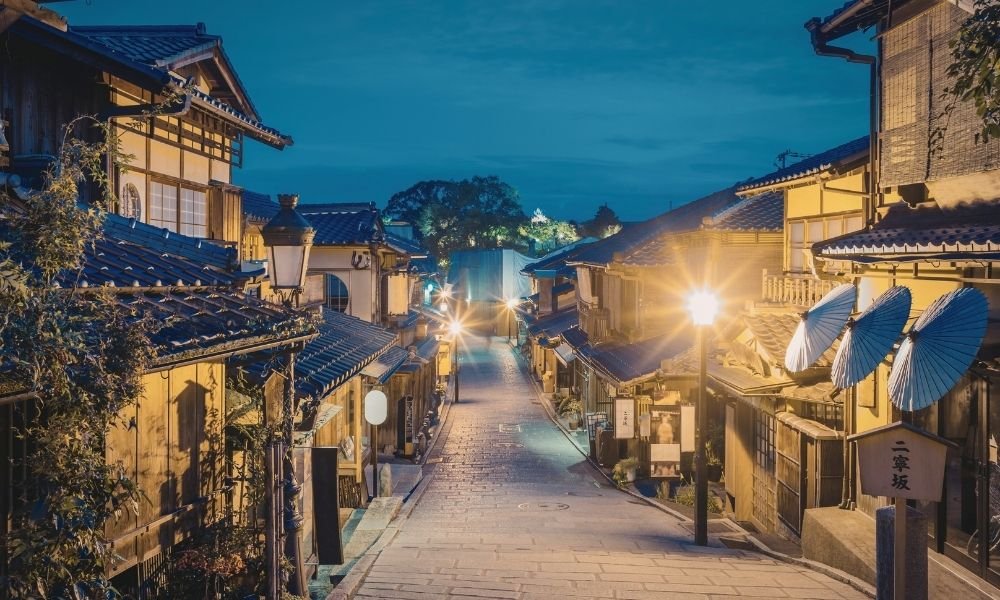
Below the temple, the stone-paved lanes of Sannenzaka and Ninenzaka are where you want to slow down and wander.
These are beautifully preserved old streets full of small shops selling handmade ceramics, pickled vegetables, lacquerware, and matcha sweets. The souvenirs here are miles better than anything you’ll find at the airport. Duck into places that catch your eye. Buy something you didn’t plan to buy.
Before you leave the temple grounds, stop at the Otowa Waterfall. Three streams flow into a trough and you can drink from one of them. Each is said to grant a different wish: long life, success in studies, and luck in love. You can only choose one. Take that decision as seriously as you like.
Entry is ¥500.
Spend the evening in Gion.
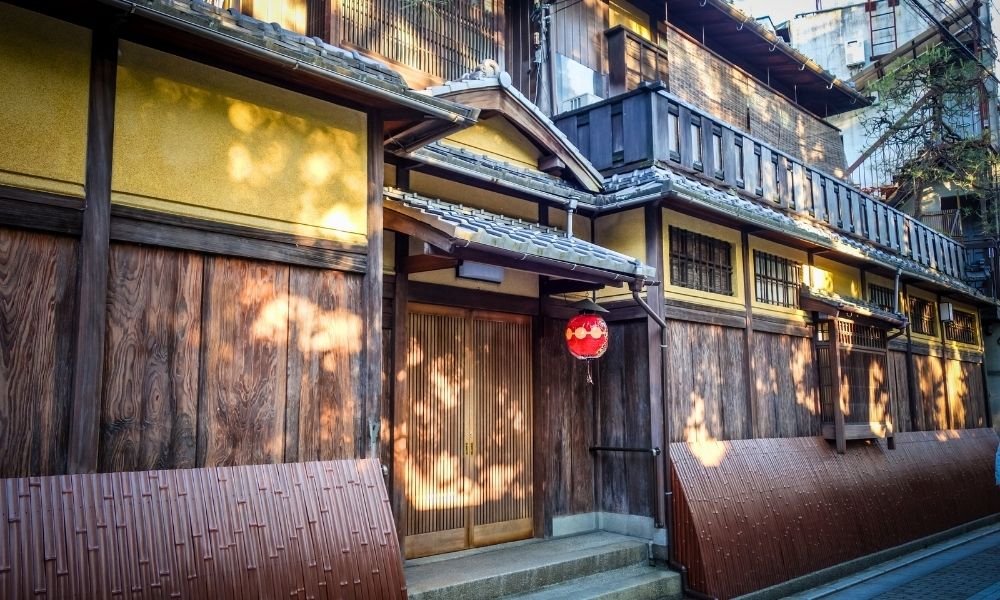
There is no better way to end your first day in Kyoto than walking slowly through Gion after dark. The lanterns are lit, the wooden ochaya teahouses glow from inside, and the stone-paved lanes of Hanamikoji Street have an atmosphere that you can’t manufacture and can’t really describe until you’ve stood in it.
You might see a geiko or maiko moving quickly between appointments. If you do, watch from a respectful distance and don’t try to photograph them without permission. They’re not performing for tourists. This is their neighborhood and their working life.
Dinner anywhere in the Gion area will be good. Ask your accommodation for a local recommendation based on what you’re in the mood for.
Sorting the logistics yourself is half the battle in Kyoto. If you’d rather have a local handle the planning, browse vetted Kyoto tours and day trips on Viator and book the one that fits your schedule.
Pro-Tip for Day 1:
Sorting out the bus routes, timing, and navigation between Fushimi Inari, Kiyomizu-dera, and Gion on your first day can be incredibly exhausting especially if you’re battling jet lag. If you’d rather have a local guide handle the logistics, tell you the hidden stories behind the fox shrines, and lead you safely through Gion’s quiet backstreets, check out this highly rated Private Kyoto Walk: Fushimi Inari, Kiyomizu-dera & Gion Tour on GetYourGuide. It’s a 6-hour seamless walking tour that takes the guesswork out of your first 24 hours.
Day 2: Arashiyama, Bamboo, and the Most Peaceful Afternoon of Your Trip
Go to the bamboo grove first thing.
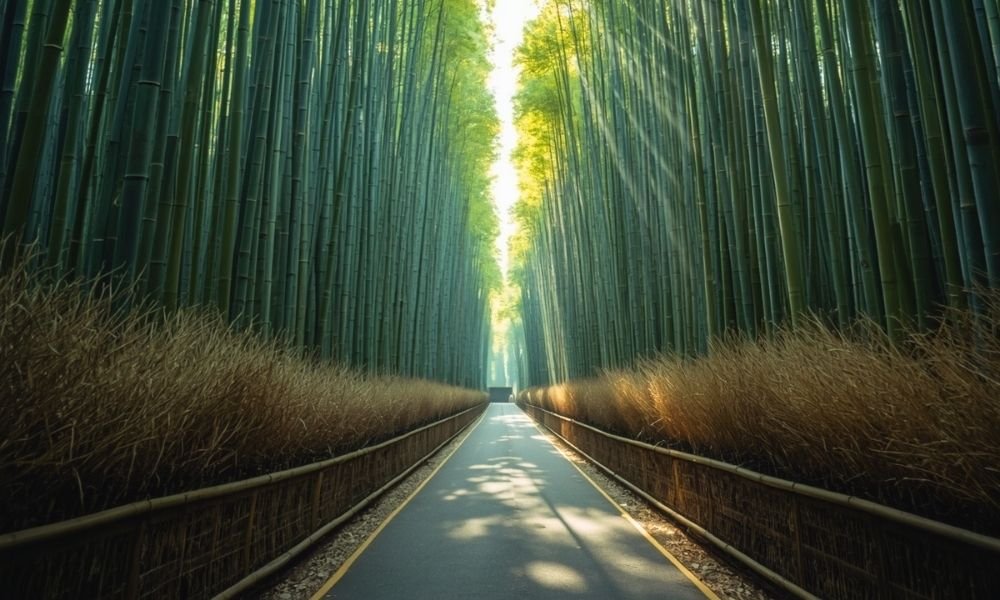
Same rule as Fushimi Inari. The Arashiyama Bamboo Grove is genuinely magical in the early morning. The towering stalks filter the light into something almost green and the sound the wind makes moving through them is unlike anything else. Later in the day, it becomes a dense crowd of people pointing phones at each other.
Be there before 8 a.m. You’ll thank yourself
After the grove, walk down to the Togetsukyo Bridge and spend a few minutes just looking at the river. The wooded mountains framing the Oi River are the backdrop for one of the most classic Kyoto views, and in autumn they’re full of color.
Visit Tenryu-ji in the late morning
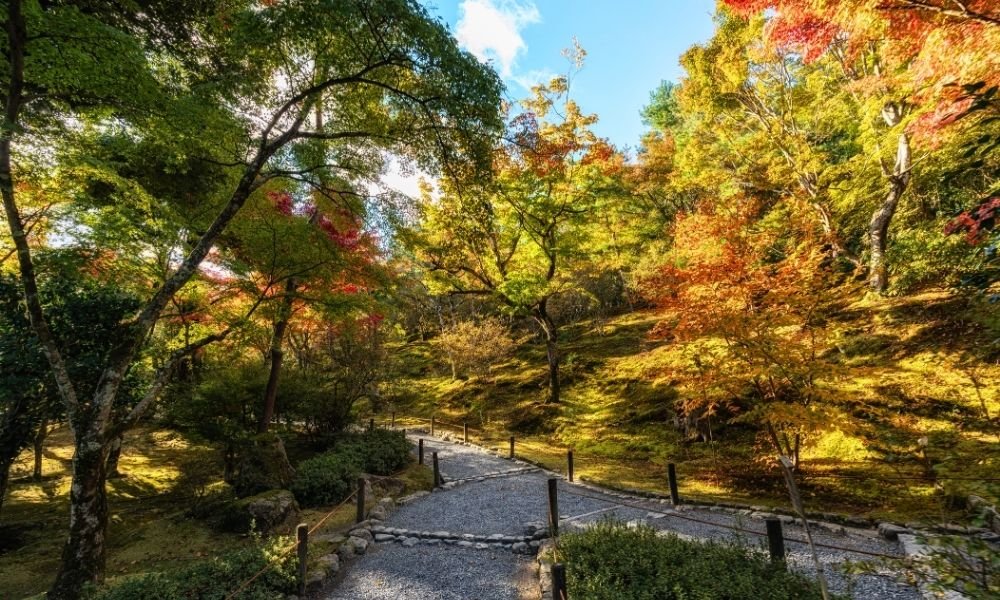
Tenryu-ji is a Zen temple a short walk from the bamboo grove, and its garden is one of the finest in Japan. The designer built it in the 1300s using the mountains of Arashiyama as a deliberate extension of the view, a technique called borrowed scenery. It sounds like a technical detail until you’re sitting in front of that garden and the mountains feel like they’re part of it.
If you enter from the garden side, you can walk directly out through the back into the bamboo grove, which puts you past the entrance crowds and right into the quieter parts of the path. That alone is worth the ¥500 entry fee.
If you have time: Okochi Sanso Villa
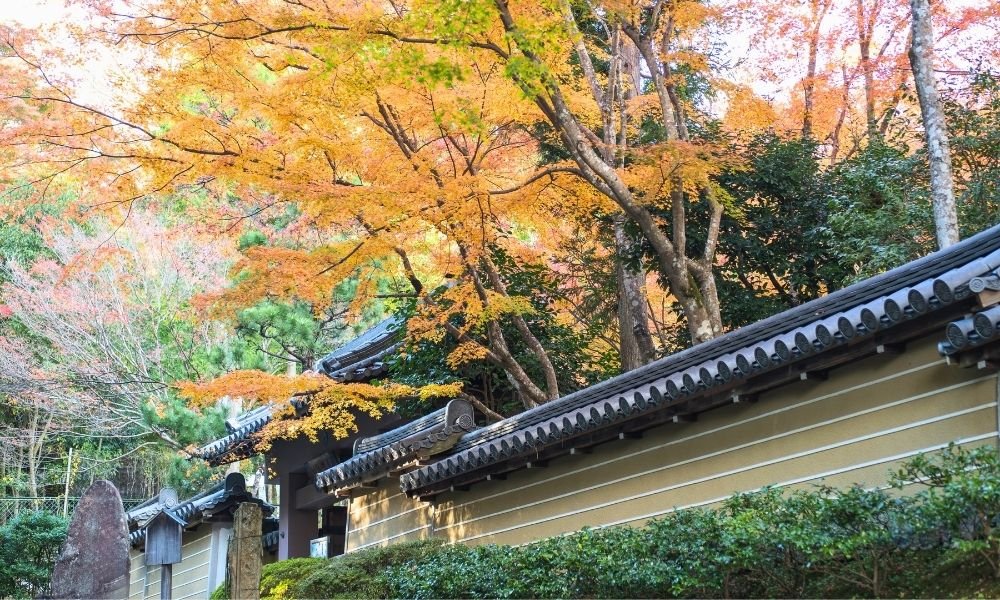
Most visitors skip this one and I genuinely don’t know why. The villa was the home of a famous Japanese film actor who spent 30 years building its gardens.
Entry includes a bowl of matcha and a small sweet served in a traditional tea room, and the views over Kyoto from the upper part of the garden are some of the best in the city.
End the day well.
Make Your Arashiyama Day Stress-Free
Because Arashiyama has so many hidden pockets, having a local guide completely changes how you experience it. Instead of constantly checking Google Maps or getting stuck in tourist bottlenecks, you can just enjoy the scenery.
Depending on your travel style, here are the three best ways to let someone else handle the logistics:
- For the Deep-Dive Explorer: If you want to see the hidden bamboo paths, skip the ticket lines at Tenryu-ji, and find spots that aren’t on any public tourist maps, browse these highly-rated guided Arashiyama experiences on GetYourGuide.
- For the Crowd-Beater: If you want to see Kyoto’s iconic spots at their quietest but don’t want the stress of planning a crack-of-dawn transit route, book the Kyoto Early Morning Tour with an English-Speaking Guide. They will get you to the best locations before the tour buses arrive.
- For the Time-Saver: If your itinerary is tight and you want to tick off Japan’s ultimate highlights in a single day, the Kyoto, Osaka, Nara, and Fushimi Inari Bus Tour is an incredibly comfortable, efficient way to see Arashiyama, the red torii gates, and Nara’s bowing deer all at once.
Pro-Tip for Day 2:
Arashiyama is massive, and if you just walk the main paved road, you’ll miss the best parts. To truly experience the area, consider booking the Arashiyama Bamboo Forest & Tenryu-ji Temple Walking Tour. It includes your entry into the stunning Zen gardens of Tenryu-ji, a walk through the bamboo grove, and even a visit to the Okochi Sanso private gardens where you get to sit down for a traditional matcha and sweet. It’s the perfect way to explore without constantly staring at Google Maps.
Day 3: Gold Temples, Market Food, and Actual Culture
Start at Kinkaku-ji, arrive at opening time.
You already know what the Golden Pavilion looks like. The gold-leaf facade reflected in the pond in front of it on a clear morning is one of those sights that somehow still surprises you in person. Get there right at 9 a.m. when it opens, spend 30 minutes, and leave before the tour buses arrive.
From Kinkaku-ji, it’s a 15-minute walk to Ryoan-ji, which is a different kind of famous. Its rock garden is just 15 stones arranged in white gravel.
That’s the whole thing. But the garden is designed so that from any single viewpoint, only 14 of the stones are visible. Nobody fully agrees on what it means. Sitting in front of it for 10 minutes, you’ll understand why people have been arguing about it for 500 years.
Spend your afternoon at Nishiki Market
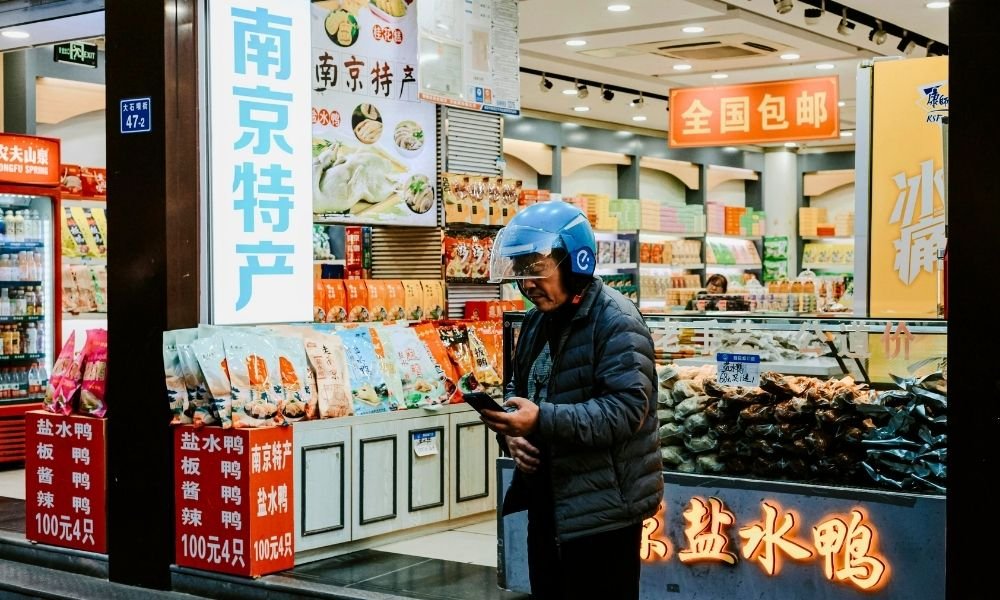
Nishiki Market is a narrow five-block lane in central Kyoto packed with food stalls and small vendors, and locals call it Kyoto’s Kitchen. Come hungry. Eat everything that looks interesting. The pickled vegetables alone could take up an hour if you’re paying attention.
Things you should specifically look for: fresh tofu on a stick, octopus stuffed with a quail egg, tamago rolls, and any matcha dessert that a vendor is visibly proud of. The market gets very crowded by mid-afternoon, so try to arrive before 1 p.m.
Do something cultural in the evening
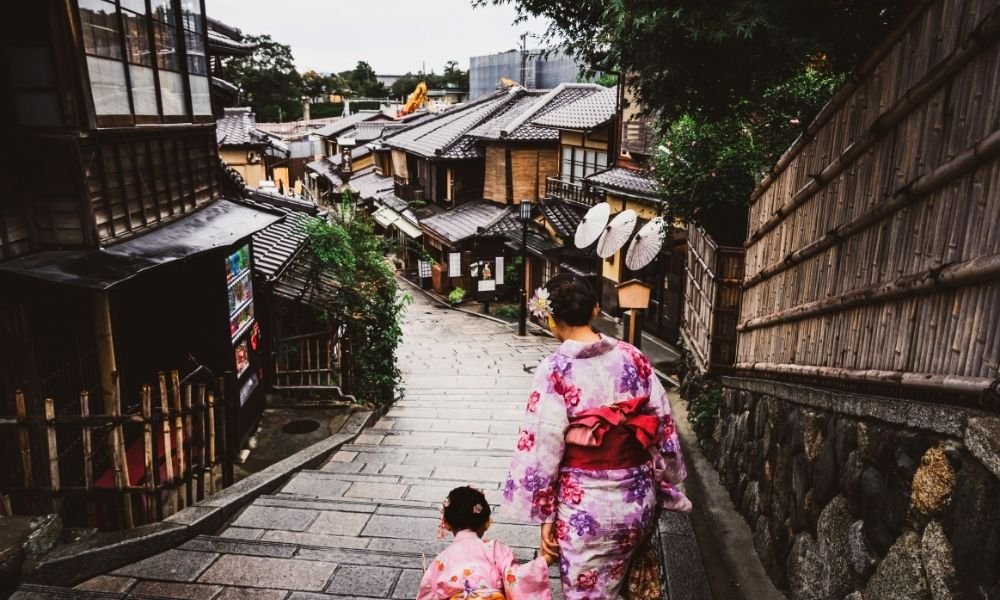
Kyoto has more opportunities for genuine cultural experiences than anywhere else in Japan, and most of them don’t cost much. A proper tea ceremony where someone takes time to explain what they’re doing and why is one of the most quietly absorbing hours you can spend in this city. Many studios in Higashiyama and Gion offer sessions for around ¥2,000 or less.
If you want something more physical, kimono rental shops are everywhere and most do same-day fittings including having staff dress you properly. Walking through the Higashiyama lanes in a kimono at dusk is the kind of thing that will make you wish the evening lasted longer.
Pro-Tip for Day 3:
If you want to combine the culinary chaos of Nishiki Market with a deeply peaceful cultural experience, you can actually do both in one go. This Kyoto Nishiki Market Food Tour with Tea Ceremony Experience is brilliant. A local foodie guide leads you to the best hidden stalls in the market for authentic tastings, and wraps up with a traditional, guided tea ceremony in Gion where you learn how to whisk your own matcha. It is the ultimate culture-and-food immersion without the stress of navigating on your own.
Day 4: Slower, Quieter, and the Parts of Kyoto Most Visitors Leave Behind
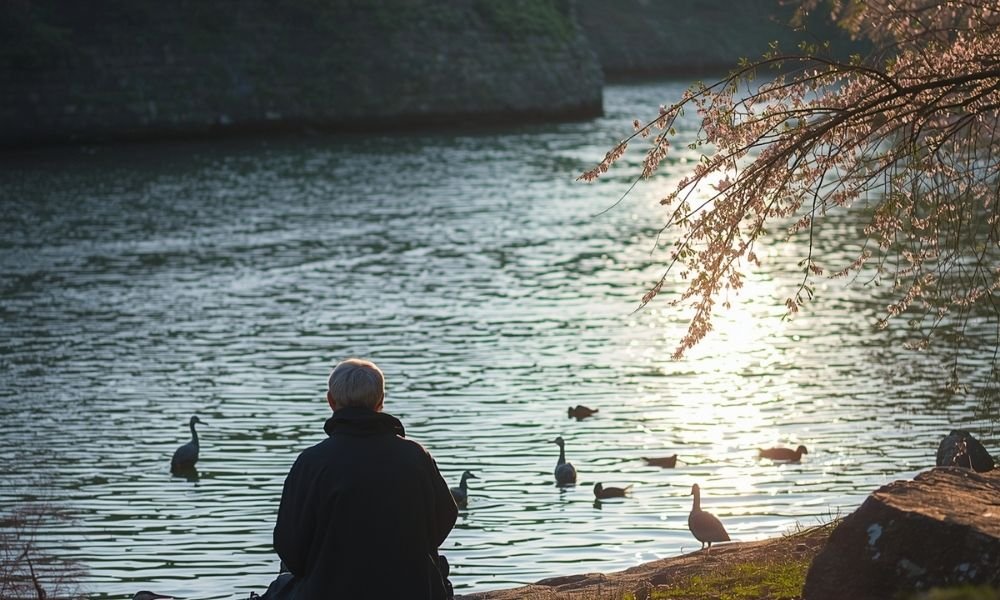
Walk the Philosopher’s Path in the morning.
The Philosopher’s Path is a two-kilometer canal-side walk lined with cherry trees. It gets its name from a Japanese philosopher who apparently walked it every morning to think. It’s beautiful in bloom but honestly peaceful and worthwhile in any season.
Walk the whole length of it. Stop at the small cafes and ceramics shops along the way. This stretch has a handful of genuinely good independent galleries and craft shops between the teahouses, and it’s the kind of neighborhood where it feels natural to buy something small and handmade without feeling like a tourist buying a souvenir.
Visit Heian Shrine and Nanzen-ji in the midday.
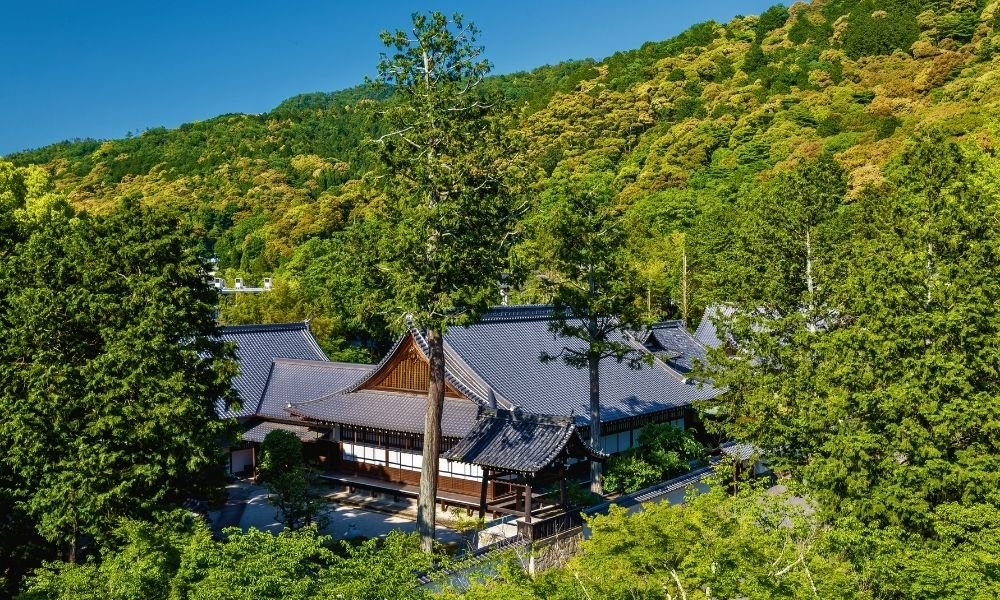
Heian Shrine was built in 1895 to mark 1,100 years since Kyoto became Japan’s capital. It’s large and colorful and the garden around it is one of the city’s most underrated, particularly in late spring.
Nearby Nanzen-ji is worth an hour of your time. It’s a large Zen complex with a dramatic three-story gate that you can climb, and running through part of the grounds is a 19th-century brick aqueduct that looks oddly out of place and completely charming.
The subtemples scattered around the complex are quiet and easy to miss, which is exactly why you should look for them.
Finish at Maruyama Park.
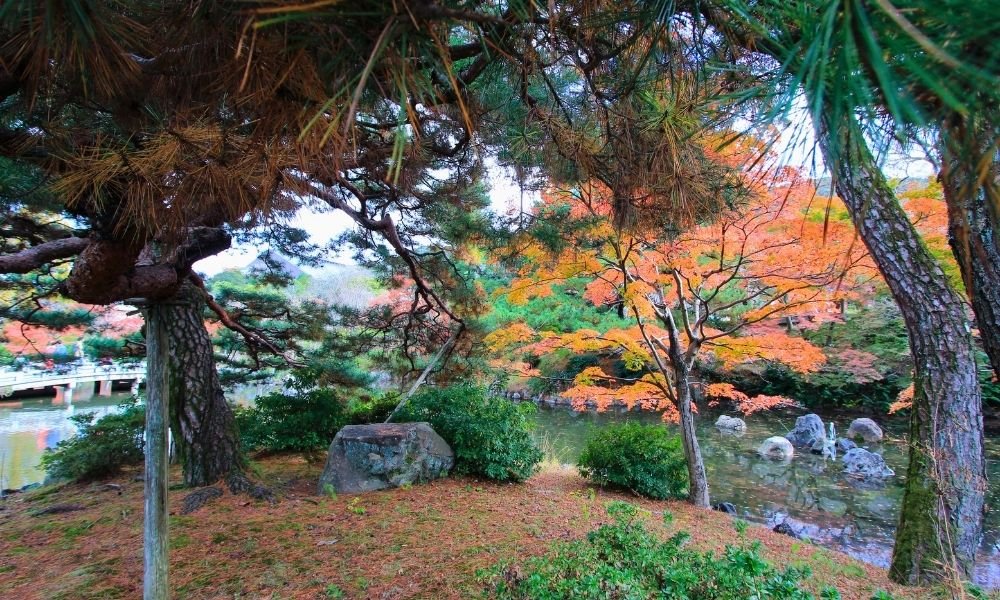
Kyoto’s central park is a fine place to spend your last afternoon. In spring the enormous weeping cherry tree at its center is one of the most photographed things in Japan. Any other time of year it’s just a good park where people sit on benches and eat from the nearby food stalls and watch the afternoon go by.
Use whatever time you have left to go back somewhere that stayed with you. That shop you walked past on day two. The temple you meant to spend longer in. The ramen place someone at your hotel mentioned.
Some of the best moments of any Kyoto trip happen in the last few hours when you stop following the plan.
Pro-Tip for Day 4:
Since today is all about slowing down, cycling is hands-down the best way to see the Philosopher’s Path, Nanzen-ji, and the hidden backstreets of northern Kyoto. If you aren’t comfortable renting a bike and navigating foreign road rules alone, check out the Kyoto Hidden Gems E-Bike Tour. Riding an electric bike makes the gentle hills effortless, and a local guide will show you quiet, gorgeous temple paths and residential canals that tourists on buses never get to see.
Places Worth the Extra Effort
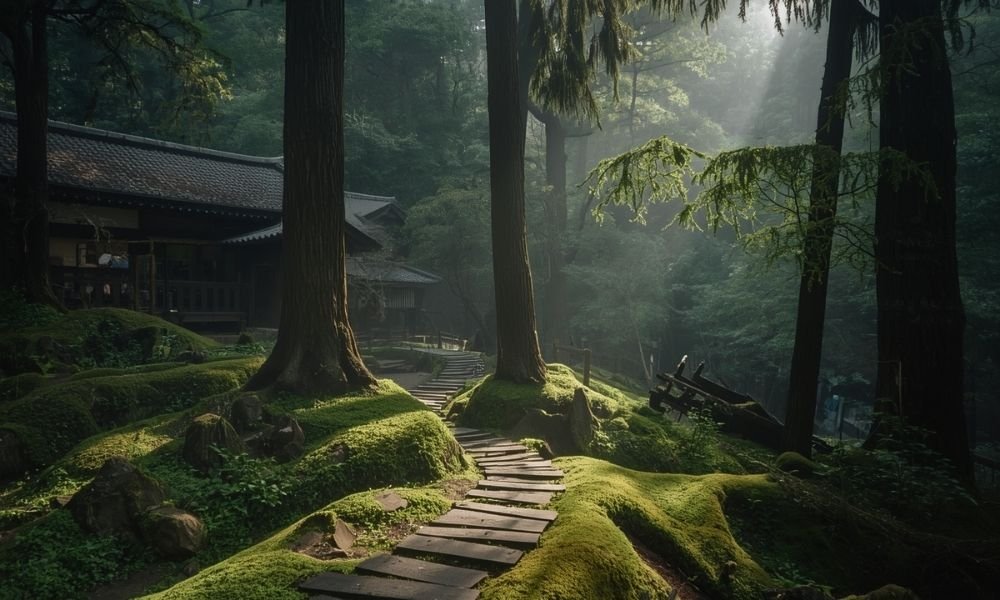
If you have more than four days, or if you want to venture somewhere that most visitors never reach, these are worth building time around.
Ohara is a small mountain village about 45 minutes north of the city by bus. Its temples and moss gardens see a fraction of the visitors that central Kyoto gets. Sanzen-in temple in particular has a garden that feels genuinely tucked away from the world. Go on a weekday and you might have it close to yourself.
Kurama and Kibune are two small villages connected by a mountain hiking trail about an hour from the city center. Kurama has a dramatic mountain shrine at the top of a forested hike. Kibune, in summer, has restaurants where you eat at tables built directly over a rushing stream. It’s one of the most pleasant lunches you can have in Japan when the weather is hot.
Daitoku-ji is a vast Zen temple complex in northern Kyoto made up of 22 subtemples. Almost none of the tourists who visit Kyoto come here, which is baffling because the dry gardens here are extraordinary. Bring quiet shoes and leave your phone in your pocket for a while.
The Fushimi sake district is the neighborhood around Fushimi Inari that most people walk straight past on their way to the shrine. Fushimi’s water is famous throughout Japan for its quality, and the area has been a center of sake production for centuries. Several breweries offer tours and tastings. It’s a genuinely good way to spend an afternoon if you’re curious about Japanese food culture beyond the temples.
If you want the cultural experiences handled properly, tea ceremonies, hidden temple visits, food tours through Nishiki, GetYourGuide and Viator both have Kyoto options, worth looking at before you finalize your days.
Looking for the best travel gear to go with your Trip to Kyoto, check out our full best travel essentials guide here.
Practical Notes That Will Actually Help You
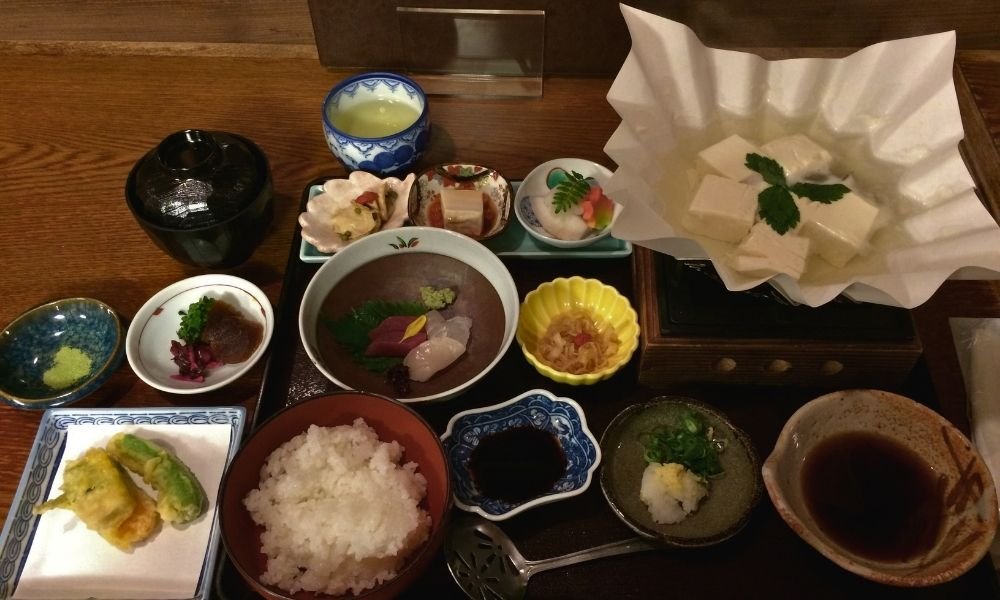
Food you need to try while you’re there:
Kaiseki is Kyoto’s formal multi-course cuisine and it’s one of the finest dining experiences in Japan. It’s expensive but if you can stretch your budget for one meal, this is the one. Book in advance.
Obanzai is the everyday home cooking of Kyoto: small plates of seasonal vegetables, tofu, and pickles served at casual restaurants. It’s the opposite of kaiseki in terms of fuss and formality, and it’s delicious.
Yudofu is hot tofu simmered in dashi broth, served at simple restaurants mostly around the Nanzen-ji area. It sounds too plain to be interesting until you taste it. Get it at least once.
Matcha in Kyoto is not the same as matcha anywhere else. Try it in a proper bowl at a tea house, not just in a latte at a chain café.
Etiquette that matters:
Take your shoes off when you see other people removing theirs before entering a building. Bow slightly when you pass through a torii gate. Keep your voice low inside temple halls. At a temizuya purification fountain, rinse your left hand first, then your right, then cup water in your hand and rinse your mouth. That’s the order.
And ask before photographing people, especially anyone in traditional clothing. They’re not there to be in your photos.
Budget guidance:
A reasonable daily budget for someone staying in a midrange hotel and eating at local restaurants without splurging is around ¥15,000 to ¥20,000.
You can do it for less if you eat at convenience stores and markets, which are honestly excellent in Japan. Luxury ryokan with kaiseki meals will cost you ¥50,000 or more per night and are worth it if that’s within reach.
Book ahead for peak seasons. Cherry blossom and autumn foliage periods fill up fast. If you’re traveling then, sort your accommodation and any specific restaurant reservations at least two months out.
One thing worth sorting before you fly: Travel insurance. Japan healthcare is excellent but it’s not free for visitors, and a cancelled flight during cherry blossom season can cost you more than the trip itself. SafetyWing covers trip interruptions, medical emergencies, and travel delays at a price that makes sense for most budgets. Takes about four minutes to set up.
Frequently Asked Questions About Visiting Kyoto
Is 4 days enough for Kyoto?
Yes. Four days is enough time to see Kyoto’s major highlights without rushing. You’ll be able to visit Fushimi Inari, Arashiyama, Kiyomizu-dera, Gion, Kinkaku-ji, Nishiki Market, and several quieter neighborhoods while still leaving room for spontaneous discoveries.
What is the best month to visit Kyoto?
If you can choose your dates, aim for early November or late March. November brings stunning autumn colors while late March marks the beginning of cherry blossom season. Both periods are beautiful, though they are also among the busiest times of year.
Should I stay in a hotel or a ryokan in Kyoto?
Hotels are often more affordable and convenient, but staying at least one night in a traditional ryokan is one of the most memorable experiences Kyoto offers. Many include kaiseki dinners, futon bedding, yukata robes, and access to onsen baths.
Is Kyoto expensive?
Kyoto can be surprisingly affordable. Many of the city’s most famous shrines and temples have low admission fees, and excellent meals can be found at markets, local restaurants, and even convenience stores. A comfortable mid-range budget is usually around ¥15,000–¥20,000 per day.
Do I need cash in Kyoto?
While credit cards are accepted in many places, it’s still wise to carry some cash. Smaller restaurants, local shops, temple entrances, and market vendors occasionally prefer cash payments.
What food should I try in Kyoto?
Don’t leave Kyoto without trying kaiseki cuisine, obanzai home-style cooking, yudofu (hot tofu), matcha desserts, and seasonal specialties from Nishiki Market. Kyoto is one of Japan’s best food cities and rewards travelers who are willing to try local dishes.
Is Kyoto walkable?
Very much so. While buses and trains are useful for longer distances, many of Kyoto’s most enjoyable experiences happen on foot. Historic districts such as Gion, Higashiyama, and the Philosopher’s Path are best explored slowly.
What should I book before arriving in Kyoto?
If you’re visiting during cherry blossom season or autumn foliage season, book your accommodation as early as possible. Popular ryokan, tea ceremonies, kaiseki restaurants, and guided tours often sell out weeks or months in advance.
Is Kyoto worth visiting for first-time travelers to Japan?
Absolutely. Kyoto offers many of the traditional experiences people imagine when they think of Japan: temples, shrines, geisha districts, tea ceremonies, gardens, bamboo forests, and centuries of history. For many visitors, it’s the highlight of their entire Japan trip.
The Honest Part

Every city has a part that exists in photos and a different version when you’re actually there. Kyoto is one of the rare places where the real part is better where you are present .
But you only find that out if you slow down enough to let it happen. The best moment of my trip wasn’t at any of the shrines I’d been looking forward to.
It was sitting on a low stone wall near the Kamo River on my last evening, eating a rice ball I’d bought from a convenience store, watching the herons fish in the shallows while someone nearby played a koto badly and cheerfully.
Nobody put that on an itinerary. It just happened because I had stopped trying to get somewhere.
Plan everything I’ve written here. Then be willing to set the plan down for a few hours and see what Kyoto shows you on its own.
I think you’re going to love it.
Disclosure: This article contains affiliate links. If you book through them, I may earn a small commission at no extra cost to you. I only recommend tours and services I believe add genuine value to your trip.
If you have questions about any specific part of this, drop them in the comments below and I’ll answer as specifically as I can. And if this helped you, sharing it with someone who’s planning a Japan trip is genuinely the most useful thing you can do for them.