
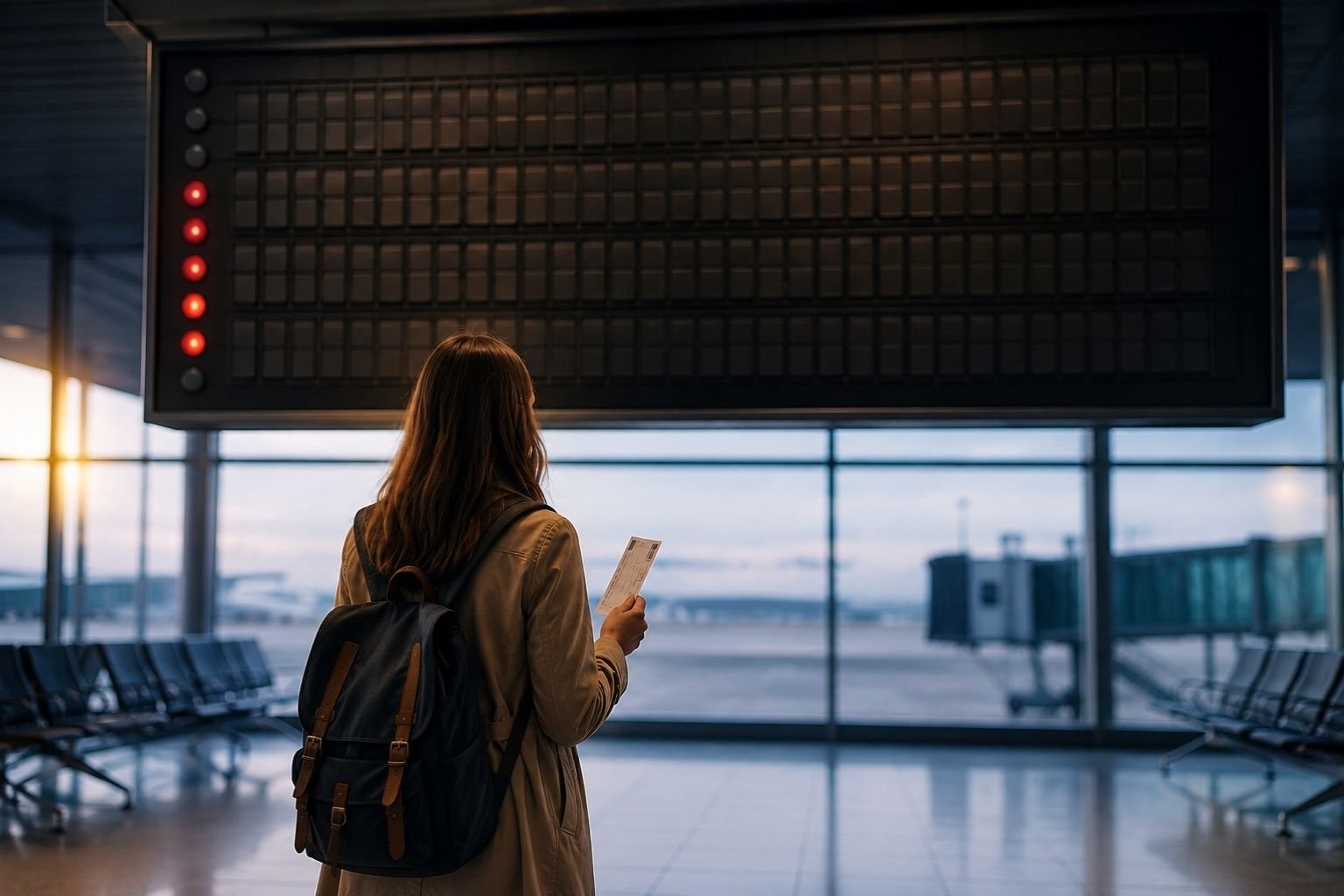
I missed a flight in Porto because I was standing in the wrong line for twenty two minutes, confident it was the right one, while the actual boarding line closed a gate over.
What if travel goes wrong is not a hypothetical question you ask at 1am for fun. It is the question sitting underneath almost every trip you have ever booked, and nobody ever answers it properly, because answering it means admitting things do go wrong, sometimes because of bad luck and sometimes because you messed up, and either way you survive it.
I watched the departures board flip my flight status to “closed” while I was still holding my boarding pass, and I remember the exact feeling in my stomach. Not fear exactly. More like the floor tilting. If you have ever had a plan collapse in front of you with no warning, you know that feeling.
I had never missed a flight before, so I did not know what happened next, whether I had just lost the entire cost of the ticket, whether there was a person I could talk to or just a machine.
It was not. It was annoying and expensive and it cost me an afternoon, and I am going to walk you through exactly what I did, plus four other disaster scenarios I have either lived through myself or watched a friend live through up close, because the fear of things going wrong deserves a real answer, not a pep talk.
Why Nobody Teaches You What to Do When Things Actually Fall Apart

The travel industry’s dirty secret: they sell the dream, not the reality
Every travel site you have ever scrolled through is selling you a version of the trip where nothing breaks. Sunset shots. Perfectly plated pasta. Nobody standing at a counter arguing about a reservation that does not exist. That is not because bad things do not happen. It is because bad things do not sell flights or bookings, so the entire industry quietly agrees to leave them out.
Which means the first time something actually goes sideways for you, it feels like proof you did something uniquely wrong, when really it just means nobody prepared you for the part they never show.
Why recovery content builds more trust than prevention content ever could
You can read a hundred packing lists and still miss a flight. You can research a neighborhood for weeks and still book an apartment that turns out to be a scam. Prevention only gets you so far, because travel involves other humans, other systems, and plain bad timing, none of which you control.
What actually helps is knowing what to do the moment it happens. Not how to avoid every possible disaster. How to survive the ones that find you anyway.
If you’re not even at the airport yet and you’re already lying awake over everything that could go wrong, start here instead: I Couldn’t Sleep for a Week Before My First Trip. This playbook picks up once something’s already happened.
Scenario 1: You Missed Your Flight (And It’s Your Fault)
The first 10 minutes: don’t panic, breathe, assess
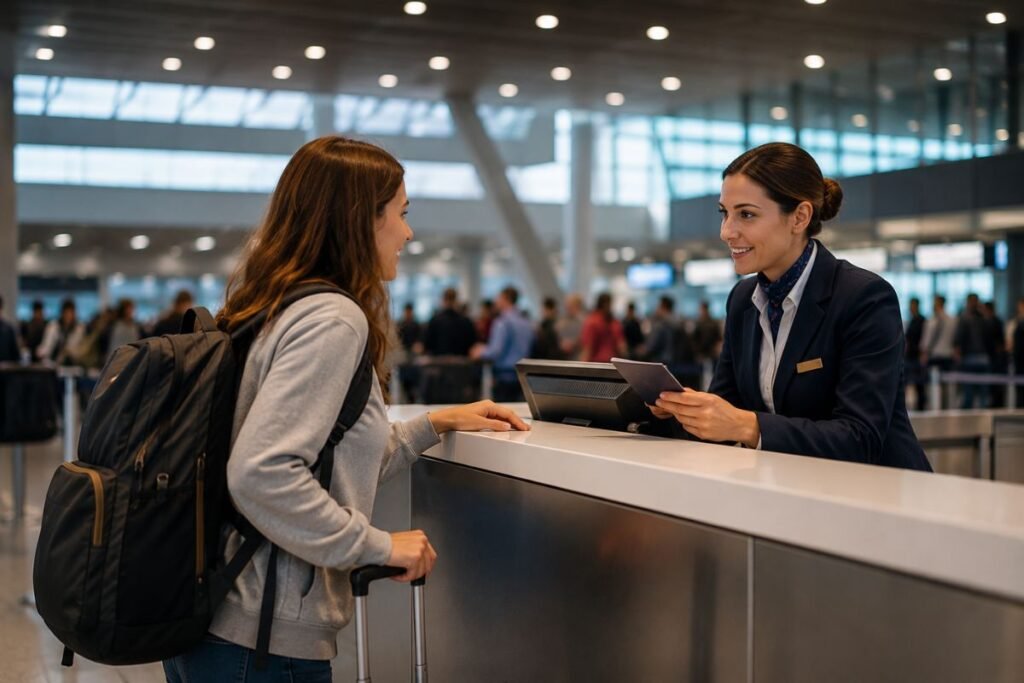
Standing at that Porto gate, my first instinct was to run toward the counter and start talking fast. Do not do that. Whatever your instinct is telling you to do right now, slow it down. The first ten minutes are for one thing only, figuring out what actually happened. Did the gate close early. Is there another flight today. Do you have travel insurance that covers this. None of that gets solved by panicking louder than the person next to you.
I stood still for maybe ninety seconds, which felt like an eternity, and just breathed until my hands stopped shaking. You do not need exactly ninety seconds. You need long enough to walk up to that counter as a person who can form a full sentence, instead of one who is about to cry in front of a stranger in a polyester vest.
How to talk to airline staff without crying
Here is the thing nobody tells you. The person at the counter did not make you miss your flight, and they cannot undo it, but they usually have more discretion than the airline’s website makes it seem. Lead with the facts, not the emotion. “I missed my flight, here is my booking reference, what are my options.” Not “I’m going to lose my whole trip, please help me.”
I did cry a little anyway, to be clear. It happens. The staff member did not care either way, she had seen it before, and she pulled up my booking without any judgment at all.
Rebooking strategies that actually work (and what to say)
Ask directly whether there is a standby option for a later flight the same day, and ask whether the fee is waivable given it was a same day rebooking rather than a full new ticket. Some airlines have an unofficial grace window, especially if you missed it by minutes rather than hours. It never hurts to ask, calmly, whether there is “any flexibility” on the change fee.
I ended up paying about 90 euros for a standby seat three hours later, instead of buying an entirely new one way ticket, which would have cost close to 400. The difference between those two numbers was one calm conversation.
When to accept defeat and book a new flight vs. when to fight
If it is the last flight of the day and the airline flatly says there is nothing available, stop fighting and start problem solving. Book the cheapest reasonable option to get you moving again, find a place to sleep if needed, and deal with any refund claims later by email, when you are not standing at a counter with a line building behind you. Fighting in the moment past a certain point just costs you time you need for the actual fix.
Scenario 2: You Got Scammed and Feel Like an Idiot
The emotional spiral: “I should have known better”
A friend of mine paid a “taxi driver” outside a train station in Rome nearly triple the real fare, and spent the rest of the night replaying every decision that led to it. That spiral is almost worse than the money itself. If you are sitting there right now rewriting your whole trip in your head as one long series of mistakes, here is what I told her, standing in that hotel room while she kept apologizing to nobody.
Scams work because they are designed by people who do this daily, targeting people who do it maybe once a year. That is not a fair fight, and losing it does not say anything about your intelligence.
Immediate damage control (cards, documents, local police)
Cancel or freeze any card involved immediately through your banking app, not by trying to find a local branch. If it was a card scam rather than cash, most banks will reverse the charge if you report it within a reasonable window, so do that the same night while details are fresh. File a police report only if you need it for an insurance claim or a refund dispute, since in most cities it will not recover your money but it will give you the documentation you need later.
How much money you should actually expect to lose
Most travel scams cost somewhere between twenty and a couple hundred dollars, not your entire trip. Knowing that number in advance takes some of the terror out of it if it happens, because you can tell yourself immediately, this is recoverable, this is not the whole trip collapsing.
The mindset shift: scams happen to smart people too
The most careful travelers I know have all been scammed at least once. Being cautious lowers your odds. It does not make you immune, and treating it as a personal failure just adds a second injury on top of the first one.
Scenario 3: Your Accommodation Doesn’t Exist
The Airbnb/Booking.com nightmare scenario
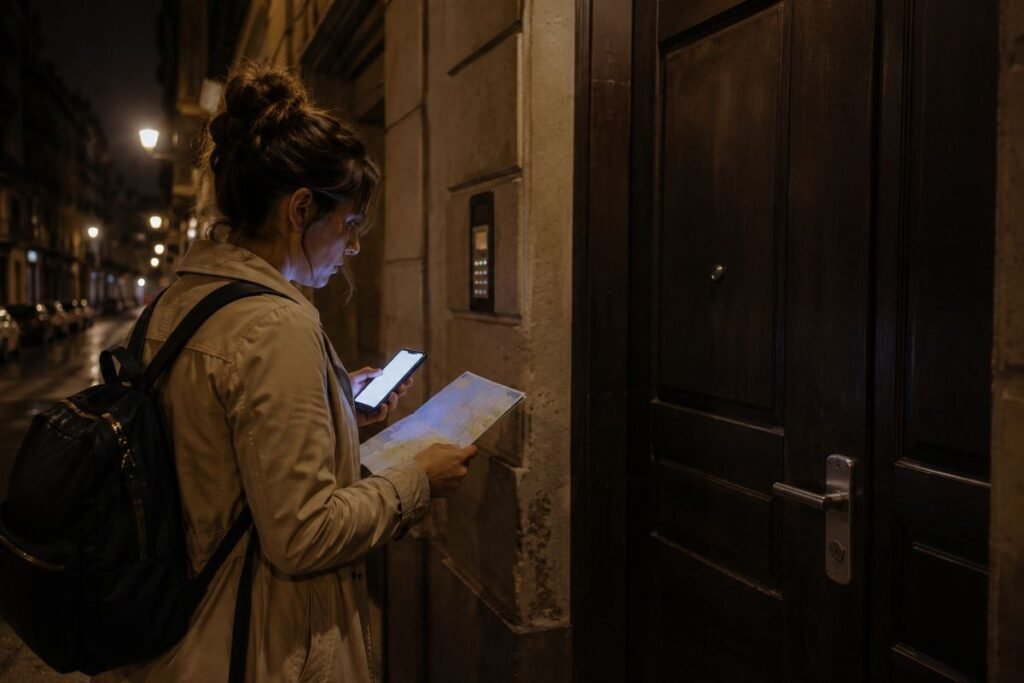
I have a friend who flew into Barcelona at 10pm, plugged the address into a map, and stood outside a locked apartment building with no host answering, no doorbell matching the listing, and a growing suspicion the whole thing was fake.
This scenario is rare but it is exactly the kind of thing that keeps first time travelers up the week before a trip, and it deserves a real plan rather than “that won’t happen to you.”
Finding a safe place to sleep at 11pm in a foreign city
Do not keep standing outside the building hoping the host answers. Open a hotel booking app immediately and book the closest available room with real reviews and a real front desk, even if it costs more than you planned. Getting somewhere safe and documented takes priority over saving money in that specific hour. You can sort out the refund tomorrow with a clear head.
How to get your money back (and compensation)
Screenshot everything before you leave the location, the listing, the messages, the locked door, the address on your map. Most platforms have a dedicated fraud or “stay did not happen” claim process, separate from a normal review, and photographic evidence submitted the same night gets resolved faster than a complaint filed a week later from memory.
Scenario 4: You Got Sick in a Country Where You Don’t Speak the Language

How to find a doctor abroad without insurance panic
Ask your accommodation’s front desk or host directly, they almost always know a nearby clinic that deals with travelers regularly, sometimes with English speaking staff. In most countries a basic clinic visit for something like a bad stomach bug or an infection costs far less than people fear, often somewhere in the range of what a copay costs back home, even without insurance.
The pharmacy phrases that save you
You do not need to learn the language. You need three phrases written down on your phone before you need them: “I need a doctor,” “I am allergic to,” and “where is the nearest pharmacy.” Most pharmacists across Europe and much of Asia can help with basic symptoms directly at the counter, no appointment needed, which is often faster than any clinic.
When to go home vs. when to push through
If it is a stomach bug, a cold, or something a pharmacist can treat over the counter, rest a day and continue. If it involves a fever that will not break, chest pain, or anything that would send you to urgent care back home, it should send you to a doctor abroad too, and if it is serious enough, cutting the trip short is the right call, not a failure.
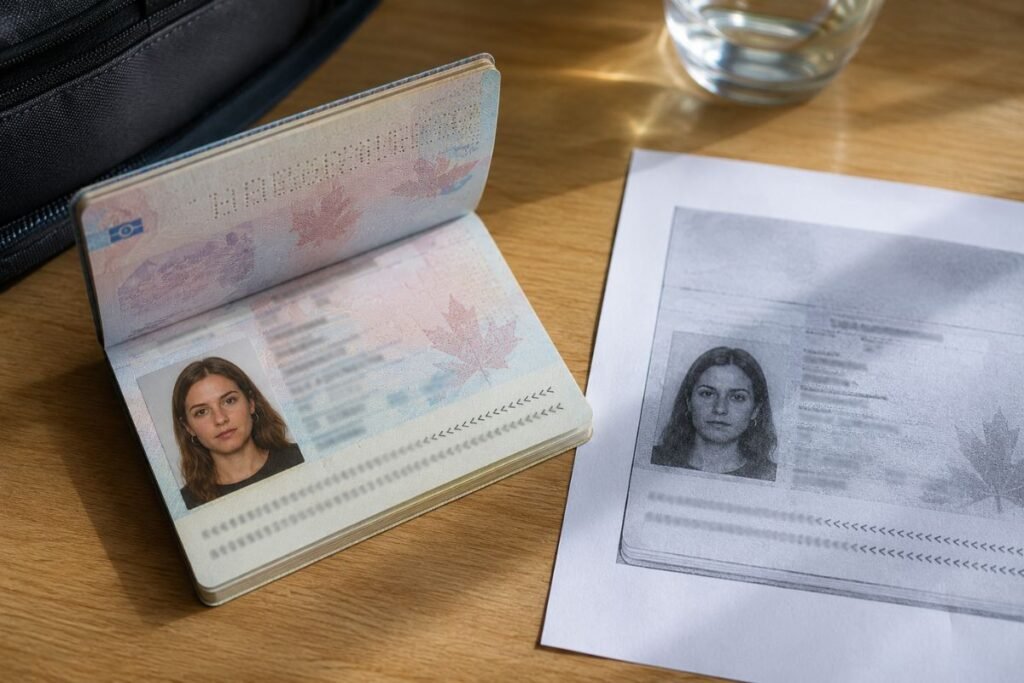
Scenario 5: You Lost Your Passport (Or It Got Stolen)
The 48-hour recovery plan
Before you land in a foreign country, it’s worth checking the U.S. Department of State’s travel advisories for wherever you’re headed, since embassy procedures and wait times vary by country.
Report it to local police first, since you will need that report for the embassy. Contact your country’s nearest embassy or consulate the same day, most have same day emergency appointment slots specifically for this. Bring a photo copy of your passport if you have one (this is why I keep one folded in a separate bag now), and be ready to wait, because emergency travel documents typically take anywhere from a few hours to two days depending on the country.
Embassy realities: what they can and can’t do
Embassies can issue you an emergency travel document to get you home or to your next destination. They generally cannot lend you money beyond a very limited emergency loan, cannot get you a replacement passport as fast as you would like, and cannot change your flight for you. Knowing that in advance saves you from expecting help that will not come and missing the help that actually will.
How to travel without a passport (temporarily)
An emergency travel document is usually valid only to get you directly home or to one specific onward destination, not for continued travel. Plan your remaining trip around that reality rather than assuming you can carry on exactly as booked. Most people in this situation end up flying home a few days earlier than planned, which is disappointing but not dangerous.
The Mindset That Saves Every Trip
“This is a story, not a disaster”
The night I missed that flight in Porto, sitting in the airport with a coffee that cost more than it should have, I remember thinking this had ruined the whole trip. If something has just gone wrong for you, you are probably thinking the same thing right now. It had not ruined mine. By the time I told the story to a friend a week later, we were both laughing about the ninety seconds I stood frozen at the gate.
Almost every travel disaster, in the moment, feels like proof the whole trip is broken. It rarely is. It is usually just the part of the trip you will tell people about years from now, the part that actually made it yours instead of a highlight reel someone else already posted.

Why the worst travel days make the best memories later
Nobody tells stories about the day everything went perfectly. They tell the one about the wrong gate, the scam that almost worked, the night they slept in a stranger’s spare hotel room. If something goes wrong on your trip, you are not failing at travel. You are collecting the one part of it nobody can plan for you, and it usually turns into the part you are glad happened.
Frequently Asked Questions
What if I miss my flight and it’s completely my fault, will the airline even help me?
Most airlines will still help you rebook, especially for a same day standby option, even if the mistake was yours. Staff have seen this constantly and are usually more flexible in person than the website makes it seem, so it is always worth asking calmly what your options are.
What if I get scammed on my very first trip, does that mean I’m bad at traveling?
No. Scams are designed by people who do this every day, targeting travelers who do it once a year at most, so it is not a fair test of your judgment. Most travel scams also cost far less than people fear and are recoverable within the trip.
What if my Airbnb turns out to be fake when I land?
Book a hotel room immediately rather than waiting outside the address, since getting somewhere safe matters more in that moment than saving money. Document everything with photos and file a fraud claim with the platform the same night for the fastest resolution.
What if I get sick somewhere I don’t speak the language?
Ask your accommodation’s front desk for a nearby clinic, and keep a few key phrases like “I need a doctor” saved on your phone in advance. Most pharmacists can help directly with common issues, often faster and cheaper than people expect.
What if I lose my passport abroad, can I still get home?
Yes, report it to local police first and then contact your embassy the same day for an emergency travel document. It typically takes anywhere from a few hours to two days and is generally valid to get you home or to one onward destination.
What if something goes wrong and it ruins the whole trip?
It almost never does, even though it feels that way in the moment. Most travelers look back on their worst travel day as the one that became the best story, once the immediate stress has passed.
What if I panic and can’t think clearly when something goes wrong?
That is normal, and giving yourself even ninety seconds to just breathe before acting makes a real difference in how clearly you can handle the situation. Panicking does not mean you are handling it badly, it means you are human, and it passes faster than you expect once you take one small action.