In this Solo Traveler Guide, I’ll let you in on a little secret: the hardest part of your first solo trip actually happens before you even leave.
It happens in the weeks before departure, when you have booked the flights and the accommodation and you are staring at the itinerary and thinking, in some quiet corner of your mind, that this might be the most ambitious thing you have ever done and you are not completely sure you are equipped for it.
That feeling is normal. It is also not a reliable indicator of how the trip will actually go.
Solo travel has a reputation it does not entirely deserve. People who have never done it imagine it as lonely, risky, and exhausting. People who do it regularly describe it as the most freeing way to travel they have ever found.
The gap between those two descriptions is not a personality difference. It is an experience difference. Almost nobody loves their first solo trip from the first moment. Almost everybody who does a second one would not trade the format for anything.
This guide is for the first group, the people who have not done it yet, or who have done it once and want to do it better. It covers destination choice, pre-trip setup, safety, packing, meeting people on the road, and the mindset shift that makes the difference between solo travel feeling isolating and solo travel feeling like the best decision you have made in years.
Why Solo Travel Is Easier Than You Have Been Told
Start here, because the perception problem is real and it shapes how people approach the whole thing.
The version of solo travel that exists in most people’s imaginations is a person eating alone in restaurants looking visibly sad, navigating unfamiliar transport systems with a panicked expression, and lying in a hostel bunk at night wondering why they did this.
The version that actually happens, once you get past the first day or two, looks different.
You move at your own pace with no negotiation required. If you want to spend four hours in one museum room, you spend four hours. If you want to leave a city two days earlier than planned because you have seen what you came to see, you leave. Nobody else’s preferences, energy levels, or budget constraints factor into the decision.
You talk to more people, not fewer. This surprises almost every first-time solo traveler. When you are with a group or a partner, you are a closed social unit. Other people do not approach you and you do not reach out to them because you already have company.
Alone, you are approachable and you approach others. Conversations happen at breakfast tables, on trains, at museum queues, and outside viewpoints. Some of them last twenty minutes. Some of them result in travel companions for the next three days.
You learn things about yourself that group travel never surfaces. How you handle problems when there is nobody else to defer to. What you actually want to do on a free afternoon when you are not managing someone else’s preferences alongside your own. What you are capable of sorting out independently when sorting it out independently is the only option available.
None of this requires you to be extroverted, experienced, or unusually brave. It requires a willingness to be slightly uncomfortable for the first day or two while the rhythm of it becomes familiar. After that, most solo travelers find it difficult to remember what the anxiety was actually about.
Choosing Your First Solo Destination
The destination choice for a first solo trip matters more than most guides acknowledge. Not because solo travel is inherently dangerous in most of the world, but because the right first destination removes friction and lets you focus on the experience rather than the logistics.
The criteria worth prioritising for a first solo trip are these.
English is widely spoken or at least common in tourist areas. This is not about cultural laziness. It is about reducing the cognitive load on a trip where you are already navigating everything alone for the first time. A destination where you can communicate easily in a crisis, ask for directions, and read a menu without translation removes one significant layer of complexity from the first experience.
Public transport is reliable and easy to navigate. Cities and countries where you can get anywhere using trains, buses, or metro systems without needing to hire a car or negotiate with taxi drivers in an unfamiliar language are significantly more manageable for a first solo trip.
The destination has an established traveler infrastructure. This means accommodation options at multiple price points, areas where solo travelers are a normal part of the landscape rather than a curiosity, and access to the kind of practical information you need without having to research extensively every step of the way.
Destinations that consistently work well for first-time solo travelers:
Western Europe, particularly Portugal, Spain, the Netherlands, and Ireland, offers reliable infrastructure, English-language accessibility in most tourist areas, and a cultural familiarity that reduces the adjustment period.
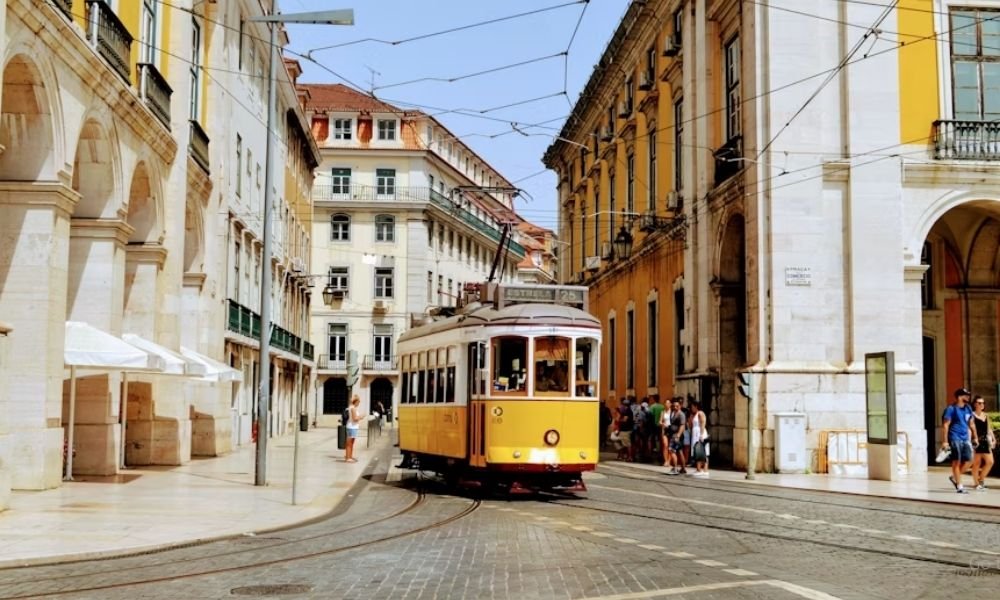
Portugal in particular has become one of the most popular first solo destinations for travelers from English-speaking countries, with Lisbon and Porto both offering good solo infrastructure at reasonable prices relative to most of Western Europe.
Japan is counterintuitive as a first solo destination given the language barrier, but it consistently ranks highly because of its safety record, its extraordinary public transport system, and the particular ease of navigating a country where signage in major transit hubs is available in English. And where the cultural norm of leaving travelers to their own devices removes the social pressure that some people find overwhelming in more gregarious travel cultures.
Southeast Asia, specifically Thailand, Vietnam, and Bali, offers an extremely well-developed traveler infrastructure, very low costs relative to most Western countries, and enough solo travelers at any given time that you are never the only person doing it.
The trade-off is a higher adjustment period around food safety, transport reliability, and tourist-targeted scams in some areas.
New Zealand and parts of Australia offer English language, reliable infrastructure, natural landscapes that are particularly suited to solo exploration, and a cultural ease around solo travel that makes the experience straightforward for first-timers.
Destinations to approach later rather than first:
This is not a list of dangerous destinations. It is a list of destinations where the logistics are complex enough that managing them alone on a first solo trip adds unnecessary difficulty. Remote destinations with limited infrastructure, countries with significant language barriers and minimal English in tourist areas, and destinations with unreliable transport systems are all worth visiting as a solo traveler. They are worth visiting after you have a few solo trips under your belt and a clearer sense of how you handle problems independently.
The Pre-Trip Setup Every Solo Traveler Needs
The difference between a solo trip that goes smoothly when something goes wrong and one that becomes genuinely stressful is almost always in the setup. These are the things worth sorting before departure, not as an afterthought.
Tell someone your itinerary.
Not a vague summary. An actual itinerary. The accommodation names and addresses for each stop, your flight details, and a rough sense of when and where you will be at each stage. The person does not need to know everything you are doing every day. They need enough information to know something is wrong if they do not hear from you for longer than expected.
Share your Google My Maps trip plan with them if you built one. That gives them a live, accessible record of your planned route with no effort on your part beyond clicking a share button.
Sort travel insurance before you do anything else.
Solo travel without travel insurance is a specific kind of risk that does not apply to other types of travel in the same way. When you are traveling with a partner or group and something goes wrong medically, there are other people who can navigate the situation alongside you. Alone, a medical emergency in a foreign country without insurance is both physically difficult and financially devastating.
Travel medical insurance through SafetyWing starts from a few dollars a day and can be purchased even after you have already left home. For solo travelers specifically, this is not optional.
Create digital copies of everything important.
Passport photo page, travel insurance documents, accommodation booking confirmations, any required visas, and the contact details for your home country’s nearest embassy at each destination. Email them to yourself and save them to a cloud storage folder you can access from any device with internet access.
If your bag is stolen, your phone is broken, and you are standing in a foreign country with no physical documents, the ability to open a laptop in an internet cafe and access every document you need changes the situation entirely.
Download offline maps for every destination before you leave home.
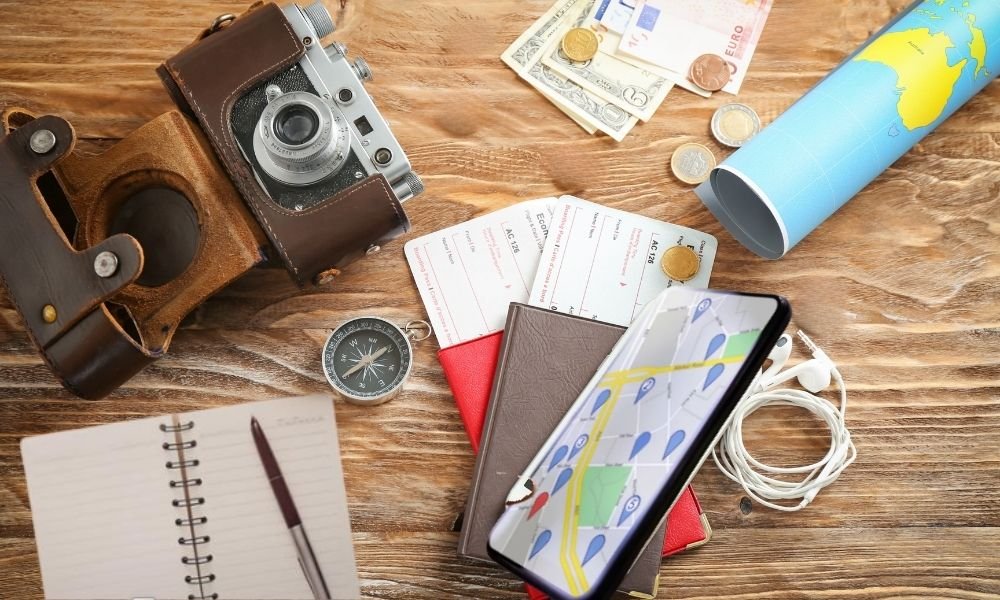
A solo traveler without offline maps is dependent on having phone signal in every situation. That dependency is a problem at border crossings, in rural areas, on underground metro systems, and in any location where roaming either does not work or costs more than you want to pay. Download offline maps in Google Maps for every region you are visiting. Do it at home before you travel, on WiFi, because the files are large.
Separate your money across at least two locations.
Your main cards and cash travel in your primary wallet. A backup card from a different account and a small amount of emergency cash travel in an under-clothes money belt or in a separate compartment of your bag that is not the first place someone would look.
The scenario this prevents is not dramatic. It is the ordinary one where your wallet is pickpocketed on a busy metro or left behind in a cafe, and instead of ending the trip, you reach for your backup and carry on.
Safety as a Solo Traveler: The Honest Version
Solo travel safety gets discussed in two unhelpful extremes. The first is the alarmist version that makes it sound as though traveling alone is inherently dangerous and requires extraordinary vigilance at all times. The second is the dismissive version that says just trust your gut and you will be fine.
Both versions are wrong.
The honest version is that most places in the world are safe for solo travelers most of the time, that the risks that do exist are specific and largely predictable, and that the preparation you do before you leave is more valuable than the vigilance you maintain while you are there.
The risks that actually affect solo travelers:
Opportunistic theft is the most common. Pickpocketing in crowded tourist areas, bag snatching in busy markets, and the various distraction techniques used to access your belongings while your attention is elsewhere. These are reduced by an RFID-blocking wallet, a bag that closes properly and sits against your body rather than dangling open behind you, and a basic awareness of the situations where it most commonly happens.
Tourist-targeted scams are the second most common. Fake taxi drivers, inflated prices at unlicensed exchanges, the bracelet-tying street seller who ties the bracelet first and then demands payment, the friendly local who offers to show you a better restaurant and takes commission from wherever they bring you. These are reduced by researching the specific scams common at your destination before you arrive, and by maintaining a polite but firm no to unsolicited offers of help from strangers in high-tourist areas.
Accommodation safety is a specific consideration for solo travelers in a way that it is not for people traveling in groups. A private room in a budget hotel or a private room in a hostel offers more security than a dormitory.
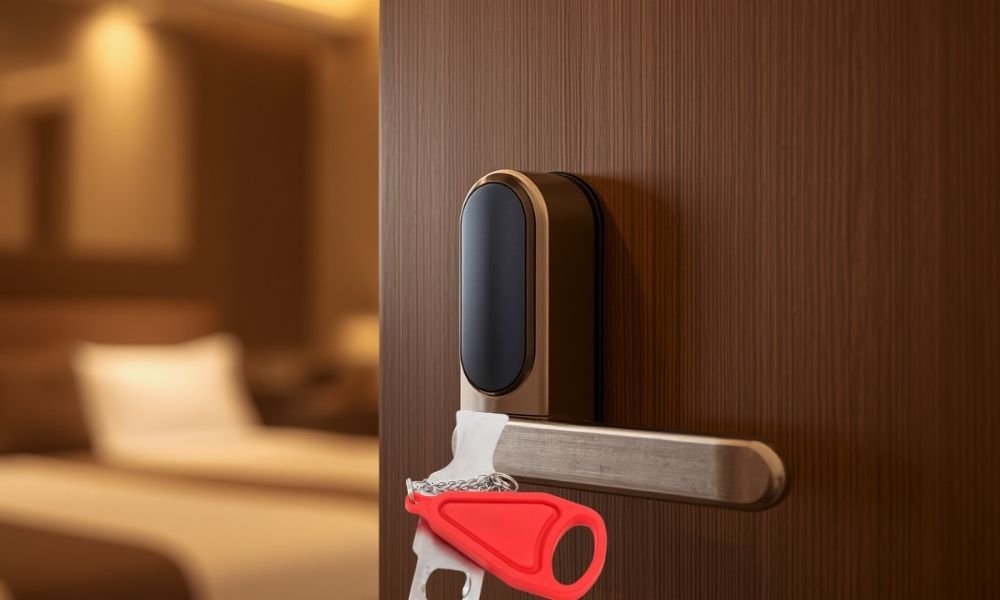
A portable door lock, which fits in your palm and prevents any door from being opened from outside regardless of what lock is already on it, belongs in every solo traveler’s bag. It costs almost nothing and provides genuine peace of mind in any accommodation where you are not certain how many other people have access.
On solo female travel specifically:
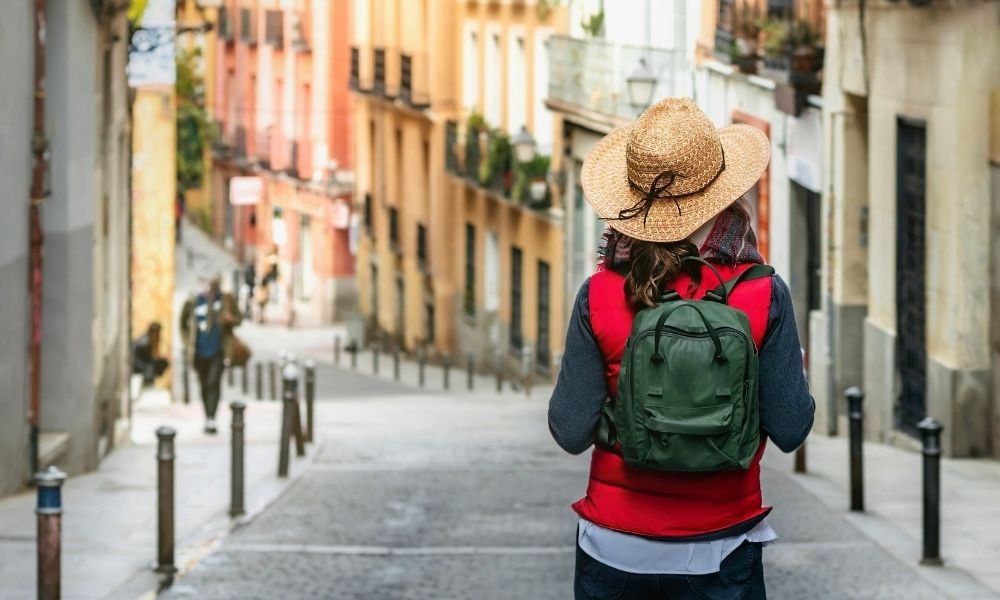
The safety picture for solo female travelers has additional dimensions that this guide acknowledges without pretending they do not exist. Some destinations have higher levels of street harassment than others. Some cultural contexts require more attention to dress and behavior than others.
The solo female packing list on this site covers gear specifically relevant to female solo travelers, including a personal safety alarm, which creates an immediate and loud enough response to draw attention in any situation where you need it.
The broader truth is that millions of women travel solo every year to almost every destination in the world. The preparation is different in some cases. The outcome, an experience that is entirely manageable and often extraordinary, is the same.
What gut feeling actually is:
The instinct to trust your gut is real advice wrapped in imprecise language. What it actually means is this: if a situation feels wrong before you can articulate why, leave the situation. You do not owe anyone an explanation for declining a ride, changing your seat, leaving a bar, or walking away from a conversation. The social discomfort of doing any of those things is always the smaller cost.
What to Pack for a Solo Trip
Solo travelers have one packing advantage over group travelers: accountability. Every item you bring is your item to carry, no shared load, no one else’s bag to distribute things across. This tends to produce more intentional packers.
The general principle for solo travel packing is to pack lighter than you think you need to and trust that whatever you are missing can be solved at the destination. Not medications. Not documents. Those you pack properly. But the third outfit option, the just-in-case shoes, the physical guidebook, the full-size toiletries. Those stay home.
The full packing list for any trip is covered in detail in the packing list guide on this site. For solo travel specifically, the items that earn extra emphasis are these.
A portable door lock. Already mentioned in the safety section. Goes in every solo bag without exception.
A personal safety alarm. Clips to a bag strap or keyring. Pulls to activate. Loud enough that its primary function is drawing immediate attention. It costs almost nothing and the one time you need it is the one time you will be glad you did not decide to save the weight.
A power bank with enough capacity to fully charge your phone at least twice. As a solo traveler, your phone is your navigation, your translation tool, your booking system, your emergency contact, and your camera. Running out of battery in an unfamiliar place when you are alone is a more significant problem than it is when you are with other people.
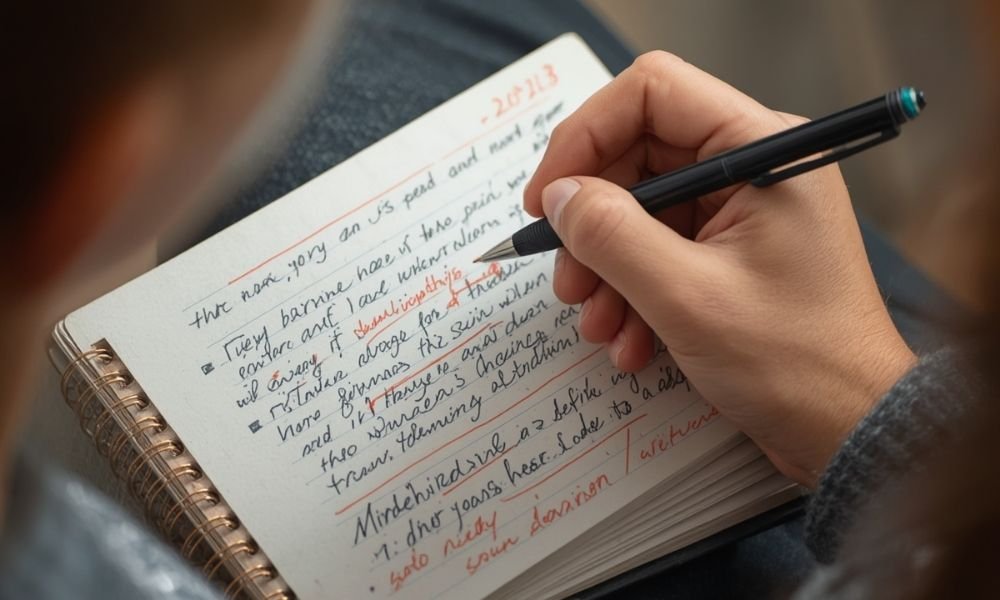
A physical notebook and pen. This sounds nostalgic in an era of smartphone notes. It is practical. Batteries die, screens break, apps crash. A written note of your accommodation address, your backup card number, and your emergency contact information costs nothing to carry and has a failure rate of zero.
How to Meet People When Traveling Solo
The social dimension of solo travel is the part most people worry about and the part most solo travelers say took care of itself.
The practical reality is that solo travel creates conditions for meeting people that group travel actively prevents. You are approachable because you are alone. You make eye contact with people at breakfast because there is no partner to make eye contact with instead. You join the walking tour because it is a good way to see the city and you do not have the option of deciding to skip it because your travel companion wants to.
Where solo traveler connections actually happen:
Hostel common rooms, even if you are staying in a private room. The common room is the place where solo travelers gather by design. Sit there with a drink in the evening and a conversation will start with or without effort on your part.
Free walking tours. Available in almost every city in the world with a tourist infrastructure. Groups of ten to twenty people, most of them solo travelers, spending three hours walking through a city together. The format produces conversation naturally.

Cooking classes, wine tours, day trips, and any activity with a small group format. These work because the structure provides a reason to talk to the people around you without requiring anyone to initiate conversation from nothing.
Cafes where the setup is communal. Not the tourist cafe on the main square. The local spot where there is a shared table or a counter and the expectation that you sit near other people rather than at a table for one in the corner.
Long train journeys and bus routes. Some of the best conversations on any solo trip happen on overnight trains and long bus routes, where the shared experience of the journey and the absence of mobile phone signal creates space for the kind of talking that does not happen in ordinary life.
On the days when none of that happens:
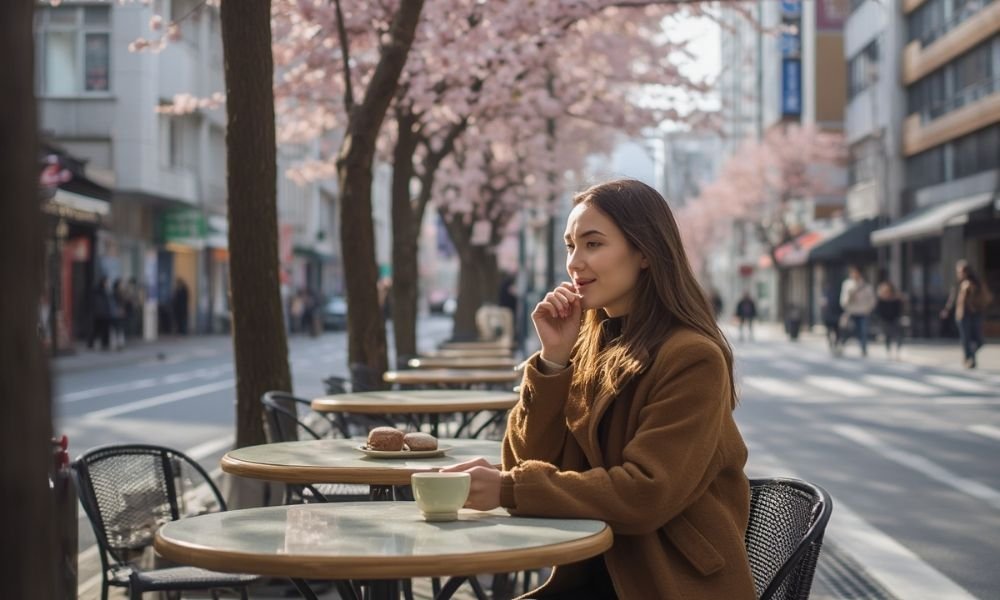
There will be days on a solo trip when you do not have a significant conversation with another traveler. You will eat a meal alone, walk around a city alone, and go back to your room alone. Those days happen. They are not failure days. They are rest days in disguise, recovery time built into the rhythm of a trip that involves more social energy than a normal week at home.
The solo travelers who find those days unbearable are the ones who decided before the trip that solo travel should feel like traveling with other people. It is not. It is a different thing. Sometimes it is a quieter thing. That is part of what makes it worth doing.
The Mindset That Makes Every Solo Trip Better
This is the section most travel guides skip because it does not contain a packing list or a destination recommendation. It is also the section that makes the most difference.
Say yes to the first uncomfortable thing every day.
Not the unsafe thing. The uncomfortable one. The cooking class where you do not know anyone. The day trip where you are the only solo traveler in a group of couples.
The restaurant where you sit at the bar and eat facing the kitchen because asking for a table for one felt awkward. The conversation with the person at the next hostel bed that you initiated rather than waiting for them to.
The ratio of effort to reward on those things is almost always higher than it looks from the outside. The awkwardness lasts about four minutes. What follows it lasts for the rest of the trip and sometimes longer.
Boredom is not a problem to solve.
First-time solo travelers tend to overplan specifically because they are afraid of being bored and having to sit with that. A bored afternoon on a solo trip is actually an afternoon when nothing is required of you. You can sit in a square and watch people.
You can find a bookshop. You can walk without a destination. You can do nothing at all and it costs you nothing because there is nobody waiting for you and nobody whose experience you are responsible for managing.
Some of the best moments on solo trips happen in unscheduled afternoons. Leave some.
The first day is always the hardest.
There is a specific feeling that hits most solo travelers on day one, usually in the late afternoon, when the novelty of arrival has worn off but the rhythm of the trip has not established itself yet. It feels a lot like loneliness. It is actually adjustment, the gap between how you expected the trip to feel and how it actually feels before you have had time to settle into it.
Almost everyone who has traveled solo experiences this. Almost no solo traveler who pushed through it past day two would say it was a reason not to have gone.
Frequently Asked Questions
Is solo travel safe for beginners?
Yes, with the right preparation. The risks that most commonly affect solo travelers, opportunistic theft and tourist-targeted scams, are specific and largely preventable with straightforward preparation before the trip. Choose a destination with reliable infrastructure for your first solo trip, sort travel insurance, create digital copies of your documents, download offline maps, and separate your money across two locations. The preparation covers the realistic risks. The rest is experience.
What is the best country to travel alone for the first time?
Portugal, Japan, New Zealand, the Netherlands, and Thailand are consistently recommended for first-time solo travelers across different traveler profiles and different priorities. Portugal offers affordability, infrastructure, and a well-established solo travel scene in Lisbon and Porto. Japan offers safety and transport reliability despite the language barrier. New Zealand suits nature-focused solo travelers with excellent infrastructure. The right answer depends on your interests, your budget, and which friction points matter most to you.
How do I meet people when traveling solo?
Stay in accommodation with a common room, even if you book a private room. Join free walking tours in every city you visit. Book small-group day trips and activity-based experiences. Sit at counters and communal tables in cafes rather than at isolated tables. Take long train or bus journeys where conversation happens naturally. The conditions for meeting people on a solo trip are better than most first-timers expect. The main requirement is being willing to be in the spaces where it happens rather than retreating to your room.
What should I pack for my first solo trip?
Pack lighter than you think you need to. For solo-specific additions, include a portable door lock, a personal safety alarm, a power bank with capacity for at least two full phone charges, and a physical notebook with key information written down. The full packing list for any trip is covered in detail elsewhere on this site. The solo travel additions are about safety and independence, not about packing more than you would for a group trip.
How do I deal with loneliness on a solo trip?
Separate the feeling of loneliness from the reality of the situation. Most of what feels like loneliness on a solo trip in the first day or two is adjustment, the gap between expectation and experience before the rhythm of the trip settles. Put yourself in spaces where interaction is possible: common rooms, walking tours, shared meal settings, group activities. On the days when none of that resolves it, accept that quiet days happen on solo trips the same way they happen at home, and that they do not define the trip.
Do I need travel insurance for solo travel?
Yes. Unequivocally. Solo travel without travel insurance puts you in a position where a medical emergency in a foreign country is both physically and financially unmanageable without support. As a solo traveler there is no travel partner to help navigate the situation. Travel insurance is the backup system for the scenario where you most need one. SafetyWing offers flexible travel medical coverage from a few dollars a day with the option to purchase after you have already left home.
Wandervoyant earns a small commission from qualifying purchases made through affiliate links on this page at no additional cost to you.
Related reading:
- The Only Packing List You Will Actually Finish
- Packing Checklist for Every Kind of Trip
- Travel Luggage Checklist: How to Pack a Bag You Can Actually Carry
- Trip Plan: How to Build One That Does Not Fall Apart
- How to Avoid Travel Scams as a First Time Traveler
- Why I Use SafetyWing for Every Solo Trip
- Solo Female Travel: What You Actually Pack