This article may contain affiliate links. If you book a tour or purchase a product through one of these links, we may earn a small commission at no extra cost to you. We only recommend things we’d genuinely suggest to a fellow traveler.
Tokyo Japan travel destinations rarely fit neatly into a single list, because the city isn’t really one place. It’s a collection of dense, distinct neighborhoods that happen to share a train system.
I am using this guide is built around that reality. Instead of handing you 25 disconnected attractions, it groups them the way you’d actually visit them: by neighborhood, by day, and by energy level, so you can turn this into a real itinerary instead of a scavenger hunt across the city.
If you’re planning your first trip, the hardest part usually isn’t deciding what’s worth seeing. Tokyo has too much worth seeing. The hard part is figuring out what pairs well together, what deserves a full afternoon, and what you can walk past in twenty minutes without regret. That’s what this guide sorts out.
How This Guide Is Organized
Tokyo rewards people who plan by area rather than by attraction. Trying to do Asakusa in the morning and Shimokitazawa by lunch sounds efficient on paper, but you’ll spend more time on trains than in either place.
Below, the 25 locations are grouped into logical day blocks: youth culture and shopping, old Tokyo and traditional culture, skyline and modern Tokyo, food and market districts, quieter local neighborhoods, and day trips outside the city.
You don’t need to follow this order exactly. But if you’re building a four or five day itinerary, this structure will save you from a lot of unnecessary backtracking.
Day Block One: Shibuya, Harajuku, and Omotesando
These three areas sit close enough together that you can walk between them, making this one of the easiest and most rewarding day pairings for first-time visitors.
1. Shibuya Crossing and Shibuya Sky
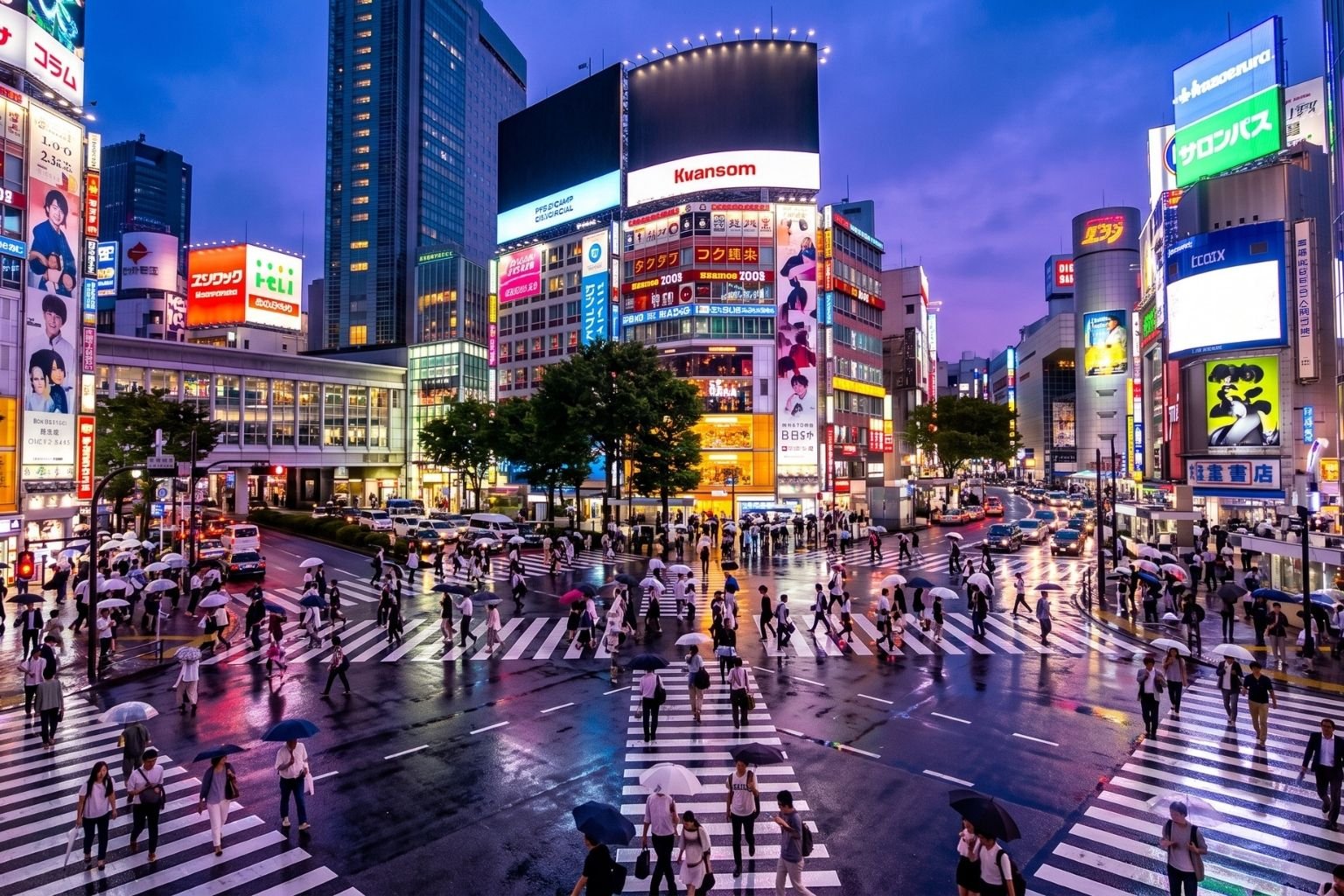
Shibuya Crossing is the image most people have in their head before they’ve ever booked a flight to Tokyo, and it’s genuinely worth seeing in person once. What photos don’t capture is how orderly it feels despite the volume of people crossing at once.
For a better sense of scale, head up to Shibuya Sky, the observation deck on top of Shibuya Scramble Square. It gives you a rooftop, open-air view over the crossing and the wider city, which is a different experience than looking down through glass.
Tickets sell out on weekends and holiday evenings, so reserving a timed slot in advance is worth doing rather than showing up and hoping.
Best for: First-time visitors who want the classic Tokyo moment early in the trip.
Time needed: 30 minutes for the crossing itself, 1.5 to 2 hours if you add Shibuya Sky.
Drawback to know about: It’s crowded almost every hour of the day. If you want photos without hundreds of people in them, early morning is your best window.
2. Harajuku and Takeshita Street
Takeshita Street is loud, colorful, and packed with crepe stands, novelty shops, and teenagers in elaborate outfits. It’s touristy, and it knows it. That doesn’t make it less fun, but it does mean you should treat it as a 30 to 45 minute experience rather than a destination to linger in.
The side streets just off Takeshita, sometimes called Ura-Harajuku, are where the more interesting independent boutiques and vintage shops actually are.
Best for: People who want a quick hit of Tokyo’s pop culture side before moving somewhere calmer.
Time needed: 45 minutes to an hour.
3. Meiji Shrine
Meiji Shrine is positioned inside a forested area right next to Harajuku Station, and the contrast is immediate. Within a few minutes of walking under the first torii gate, the street noise disappears almost completely. It’s one of the more effective proofs that Tokyo can shift moods within a few hundred meters.
This is a working Shinto shrine, not a museum, so weekend mornings sometimes include traditional wedding processions, which are worth pausing for if you happen to catch one.
Best for: Anyone who wants a break from crowds without leaving central Tokyo.
Time needed: 45 minutes to 1 hour for the main grounds.
Pairing tip: Combine with Harajuku and Omotesando since all three are within a 15 minute walk of each other.
4. Omotesando
Omotesando is often described as Tokyo’s answer to the Champs-Élysées, tree-lined and full of flagship fashion stores, but the real draw for first-time visitors is the architecture and the side streets.
Cat Street, running parallel to the main avenue, has a better mix of independent shops and cafes if you’re not there to shop at luxury flagships.
Best for: Travelers who like architecture, design, and people-watching more than they like temples.
Time needed: 1 to 1.5 hours.
Day Block Two: Old Tokyo and Traditional Culture
This block covers the parts of the city that give you a sense of what Tokyo looked like before it became a skyline of glass and steel.
5. Asakusa and Senso-ji Temple
Senso-ji is Tokyo’s oldest temple, and it’s usually the first traditional site most visitors add to their list, for good reason. The main hall and the massive red Kaminarimon gate hold up to the hype, even with the crowds.
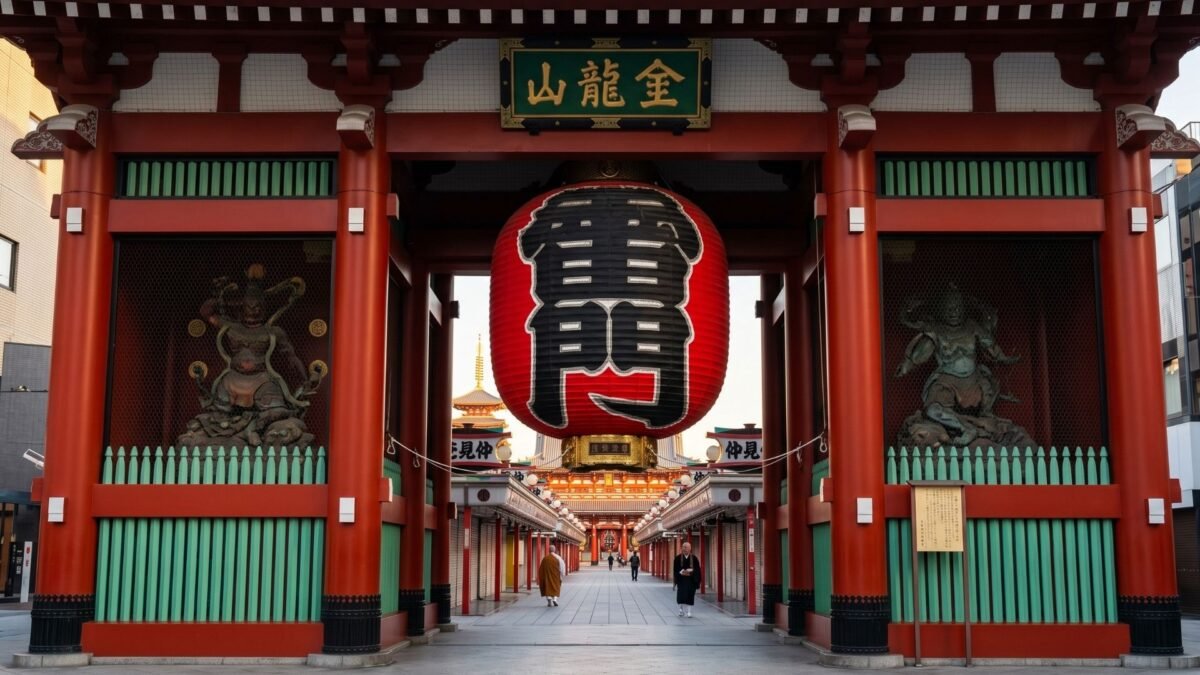
The honest truth is that Asakusa gets extremely busy, especially between 10am and 3pm. If you can get there closer to opening, you’ll get a completely different experience, with space to actually look at the details rather than shuffle past them.
Best for: First-timers checking off Tokyo’s most iconic religious site.
Time needed: 1.5 to 2 hours including the surrounding area.
6. Nakamise Shopping Street
Nakamise runs directly from the Kaminarimon gate to the temple itself and is lined with small shops selling traditional snacks, souvenirs, and crafts. It’s touristy but also useful for picking up gifts that feel more considered than airport souvenirs.
Best for: Souvenir shopping combined with the Senso-ji visit.
Time needed: 20 to 30 minutes, longer if you’re buying food along the way.
7. Ueno Park and Its Museums
Ueno Park is one of the more underrated stops on a first Tokyo trip. It houses the Tokyo National Museum, the Ueno Zoo, several smaller museums, and a large public park that becomes one of the city’s most popular cherry blossom spots in late March and early April.
If you only have time for one museum in Tokyo, the Tokyo National Museum is the strongest choice for understanding Japanese art and history in a single visit.
Best for: History and museum lovers, or anyone visiting during cherry blossom season.
Time needed: Half a day if you’re visiting a museum, 1 to 1.5 hours if you’re just walking the park.
Nearby pairing: Ueno is a short train ride from Asakusa, making them an easy same-day combination.
8. Akihabara
Akihabara is Tokyo’s electronics and anime district, known for multi-floor electronics stores, retro game shops, and maid cafes. Even if none of that is your particular interest, it’s worth walking through once simply because there’s nowhere quite like it.
Be realistic about how much time you actually want here. It can eat an entire afternoon if you get pulled into browsing multi-floor stores, and much of the merchandise skews toward a specific niche audience.
Best for: Gaming, anime, and electronics enthusiasts, or the simply curious.
Time needed: 1 to 3 hours depending on interest level.
Day Block Three: Skyline, Modern Tokyo, and Viewpoints
Tokyo’s viewpoints are one of the best ways to understand the city’s actual scale, and this block groups the major ones together with the neighborhoods around them.
9. Tokyo Skytree
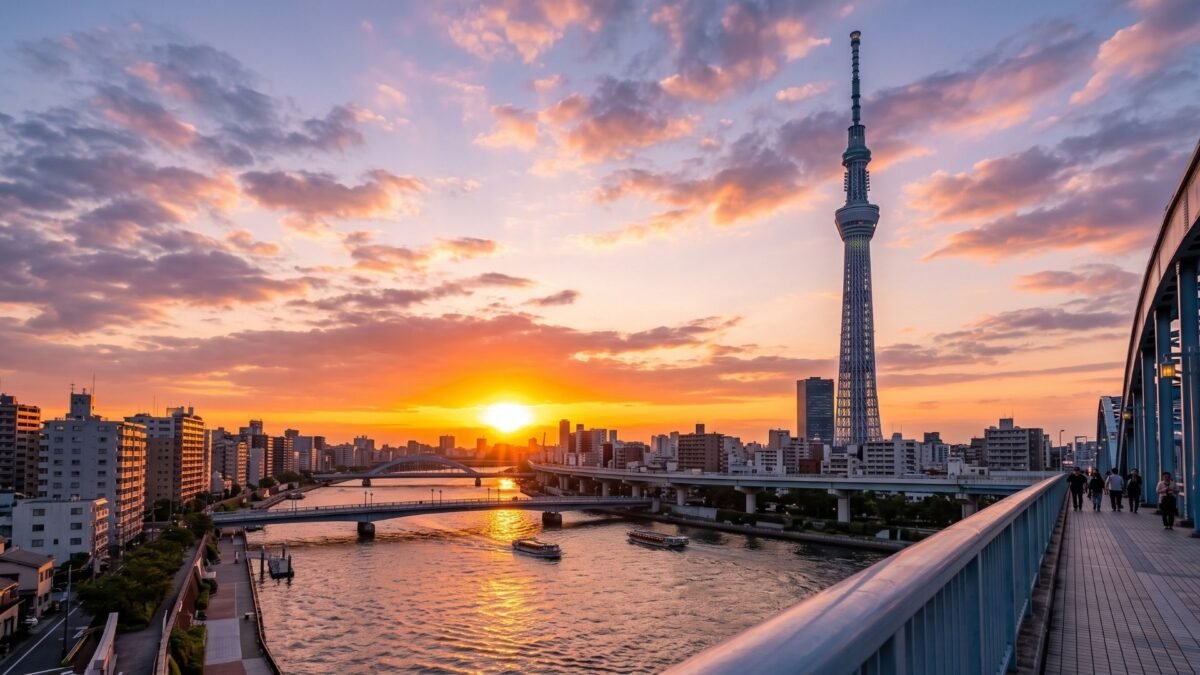
At over 600 meters, Tokyo Skytree is the tallest structure in Japan and one of the tallest towers in the world. The views on a clear day extend past the city limits, and on a very clear day you can sometimes see Mt. Fuji in the distance.
Tickets are sold in tiers for different observation levels, and lines can be long without a reserved slot. Sunset tickets are the most popular and the most expensive, so weigh whether the extra cost is worth it against a daytime or early evening visit.
It’s also worth mentioning that days built around Skytree, constant navigation apps, and photo-taking tend to drain a phone fast, so having a portable charger in your bag saves you from hunting for an outlet mid-afternoon.
Best for: First-timers who want the single best panoramic view of Tokyo.
Time needed: 1.5 to 2 hours.
Nearby pairing: Skytree is close to Asakusa, so many visitors combine both in a single day.
10. Tokyo Tower
Tokyo Tower is smaller and older than Skytree, styled after the Eiffel Tower and finished in the late 1950s. It doesn’t offer the same height, but it has more character, and the surrounding Shiba Park area feels less commercialized.
Best for: People who prefer atmosphere over the absolute highest vantage point, or who want to see both towers illuminated at night from a distance.
Time needed: 1 to 1.5 hours.
11. Tokyo Metropolitan Government Building Observatory
This is the quiet insider tip in almost every Tokyo guide, and it earns the reputation. The observation deck offers a wide view of the city, including Shinjuku’s skyscraper district, and admission has historically been free, though this is worth confirming before your visit since policies do change.
Best for: Budget-conscious travelers who still want a proper skyline view.
Time needed: 45 minutes to 1 hour.
12. Shinjuku: Golden Gai and Omoide Yokocho
Shinjuku during the day is a business and shopping district. Shinjuku at night, particularly in the Golden Gai and Omoide Yokocho alleyways, is a completely different atmosphere: narrow lanes packed with tiny bars and yakitori stalls, many seating only six to eight people.
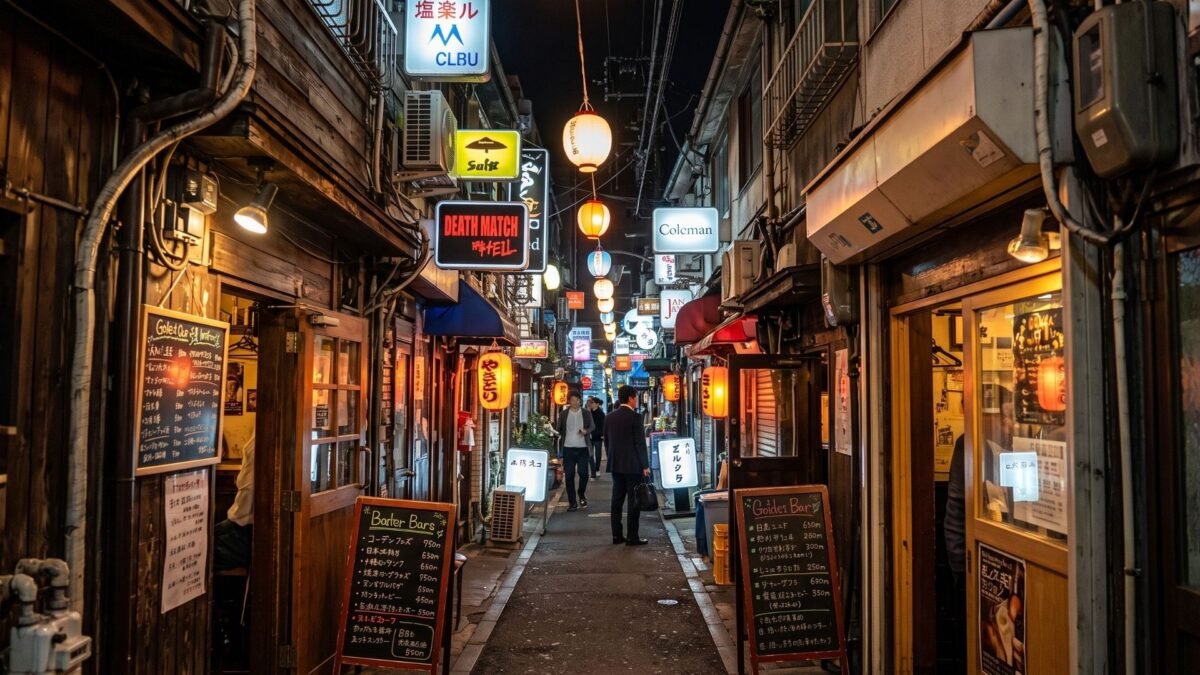
Some bars in Golden Gai charge a seating or cover fee and are unofficially locals-only in practice, even if not explicitly stated. Choosing a bar with an English menu posted outside, or one clearly set up for visitors, avoids awkward moments.
If navigating that etiquette on your own sounds stressful, a guided evening food and bar-hopping tour takes that guesswork off your plate.
Best for: Evening atmosphere, drinks, and a very different side of Tokyo nightlife than a typical bar district.
Time needed: 1.5 to 2 hours, longer if you’re settling in.
13. Shinjuku Gyoen
Shinjuku Gyoen is one of Tokyo’s largest and most beautiful parks, combining Japanese, French, and English garden styles across a single site. It’s an effective counterbalance to the density of Shinjuku’s commercial streets and one of the better cherry blossom viewing spots in the city.
Best for: A calm daytime break before Shinjuku’s nightlife.
Time needed: 1.5 to 2 hours.
14. Roppongi Hills and Mori Tower
Roppongi has a reputation for nightlife, but Roppongi Hills itself is a mixed-use complex with the Mori Art Museum, an observation deck, upscale shopping, and public art installations, including the well-known giant spider sculpture at the entrance.
Best for: Art lovers and another strong option for skyline views without visiting Skytree or Tokyo Tower.
Time needed: 1.5 to 2 hours.
15. teamLab Digital Art Experience
Tokyo’s teamLab exhibitions (currently operating as teamLab Planets and other rotating installations) are immersive, large-scale digital art spaces that have become one of the most photographed experiences in the city. Expect rooms filled with projected light, mirrored surfaces, and interactive elements.
These sell out days or weeks in advance during peak season, so booking a ticket before you land is one of the few Tokyo experiences worth locking in rather than deciding on the day.
Best for: Photography lovers, couples, and anyone wanting a different kind of attraction than temples or shopping streets.
Time needed: 1.5 to 2.5 hours.
Booking note: Some locations require you to remove shoes or roll up pants due to water installations, so plan your outfit accordingly.
Day Block Four: Food, Markets, and Waterfront Tokyo
16. Ginza
Ginza is Tokyo’s upscale shopping and dining district, home to flagship department stores and some of the city’s most respected restaurants. Even without shopping, it’s worth walking through for the architecture and the contrast with more casual districts like Shibuya.
On weekends, the main street closes to car traffic in the afternoon, turning it into a pedestrian-only promenade, which is the best time to visit if you want to walk freely without dodging traffic.
Best for: Upscale dining, department store souvenir shopping, and architecture.
Time needed: 1.5 to 2 hours.
17. Tsukiji Outer Market
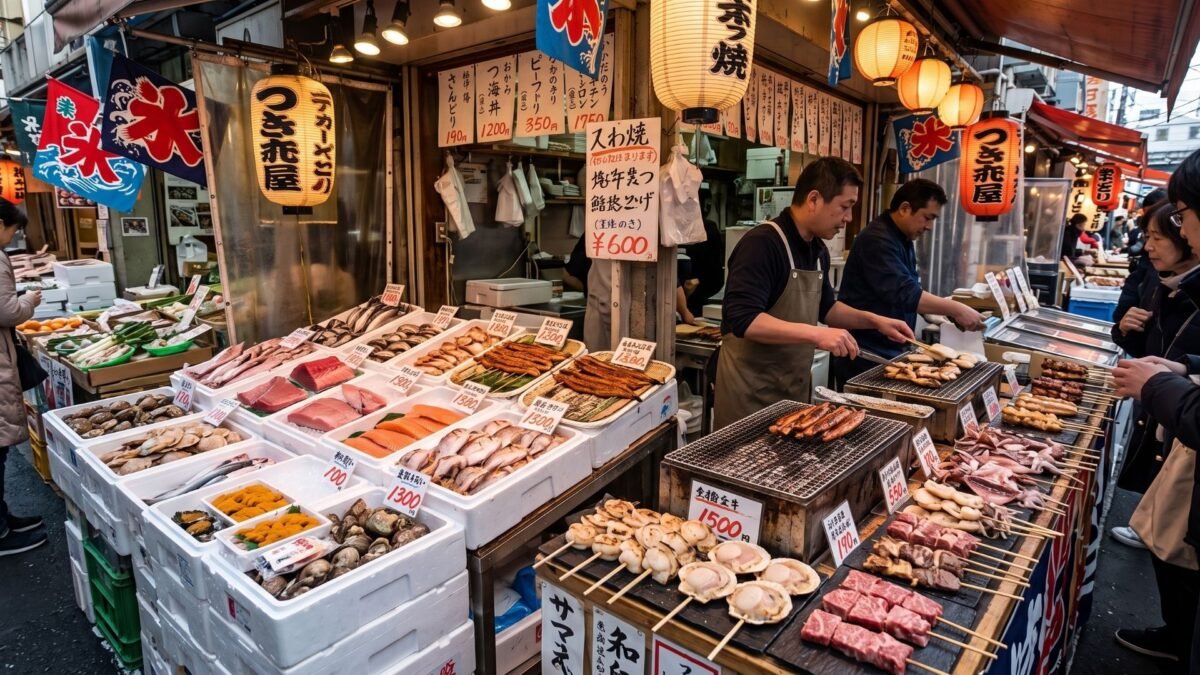
The inner wholesale fish market relocated to Toyosu years ago, but the Tsukiji Outer Market remains active and is arguably the better experience for a casual visitor. Expect narrow streets lined with food stalls selling fresh seafood, tamagoyaki, and street snacks, along with kitchenware shops selling professional-grade Japanese knives.
Arrive hungry and early. Many stalls sell out of popular items by early afternoon, and the crowds thin out noticeably compared to mid-morning. If you’d rather not guess which stalls are actually worth the wait, a small-group market food tour can point you toward the better options before the day’s rush.
Best for: Food lovers who want a market experience without a formal wholesale tour.
Time needed: 1.5 to 2 hours.
18. Odaiba
Odaiba is a manmade island in Tokyo Bay, built around shopping malls, entertainment venues, a life-size Gundam statue, and a view of the Rainbow Bridge. It’s more of a family-friendly, mall-heavy day than a cultural one, but the bay views at sunset are worth the trip out there.
Best for: Families, or anyone wanting a lower-intensity, waterfront afternoon.
Time needed: half a day.
Honest note: This is one of the more skippable entries on this list if you’re tight on time and have already covered Tokyo’s core neighborhoods.
Day Block Five: Quieter Neighborhoods and Local Tokyo
These are the areas that reward visitors who’ve already done the major sights and want to see a version of Tokyo that feels less built for tourists.
19. Yanaka Ginza
Yanaka is one of the few Tokyo neighborhoods that survived both the 1923 earthquake and World War II bombing largely intact, which means the streets and shopfronts still carry an older, more residential character.
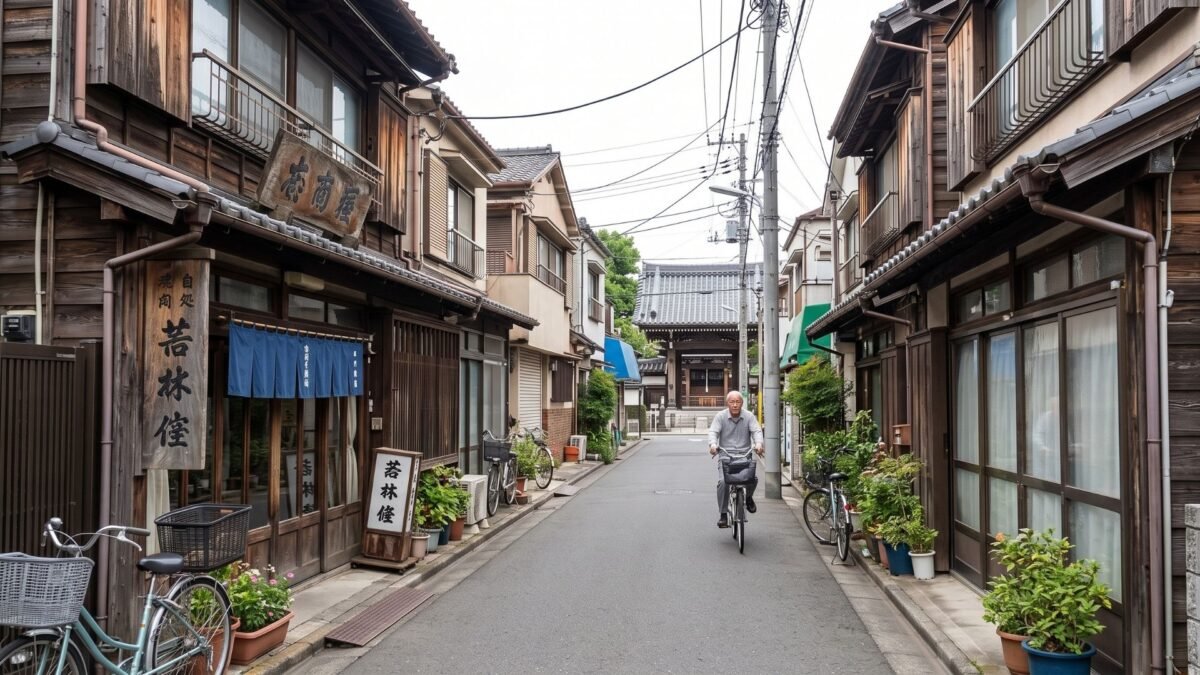
Yanaka Ginza, its main shopping street, is lined with small family-run shops, cats (it’s known for a resident cat population), and old-fashioned snack stalls.
Best for: Travelers who want a slower, more local pace after several days of major attractions.
Time needed: 1.5 to 2 hours.
20. Kagurazaka
Kagurazaka has a French expat community and a distinctly quiet, almost European feel layered over its traditional Japanese roots, including old geisha district alleyways. It’s one of the better neighborhoods for a relaxed dinner away from tourist-heavy areas.
Best for: an evening away from the busier entertainment districts.
Time needed: 1.5 to 2 hours.
21. Nakameguro
Nakameguro runs along the Meguro River, which becomes one of Tokyo’s most photographed cherry blossom spots in spring. Outside of blossom season, it’s still worth visiting for its concentration of independent cafes, boutiques, and a noticeably younger, design-conscious crowd than nearby districts.
Best for: Coffee culture, boutique shopping, and cherry blossom season specifically.
Time needed: 1.5 to 2 hours.
22. Shimokitazawa
Shimokitazawa is known as Tokyo’s vintage and secondhand fashion hub, with a dense concentration of thrift shops, small theaters, and independent music venues packed into narrow streets. It has a college-town energy that’s distinct from anywhere else on this list.
Best for: Vintage shopping, live music, and travelers who want a break from mainstream shopping districts.
Time needed: 2 to 3 hours.
23. Kichijoji and Inokashira Park
Kichijoji consistently ranks in local surveys as one of the most livable neighborhoods in Tokyo, and spending time there gives you a sense of why.
Inokashira Park is the centerpiece, with a large pond, rowboat rentals, and the nearby Ghibli Museum (which requires advance tickets purchased well before your trip, as they’re notoriously difficult to book last minute).
If you’re short on lead time, it’s worth checking bundled ticket and tour options rather than relying solely on the official ticket release, since exact booking windows and methods do change and are worth confirming before your trip.
Best for: A local, non-touristy afternoon, and Studio Ghibli fans specifically.
Time needed: Half a day if visiting the Ghibli Museum, 1.5 to 2 hours otherwise.
24. Imperial Palace East Gardens
The Imperial Palace itself is not generally open to the public, but the East Gardens are, and they offer a quiet green space in the middle of the city’s central business district, along with some remaining stone foundations from the original Edo Castle.
Best for: History-minded travelers and a calm midday break if you’re already near Tokyo Station.
Time needed: 1 to 1.5 hours.
Day Trips Outside Tokyo
25. Hakone, Mt. Fuji, and Kamakura
If your trip is longer than four or five days, at least one day trip outside central Tokyo is worth building in. The three most common options each offer something different:
- Hakone combines hot springs, a scenic pirate ship cruise across Lake Ashi, and (on a clear day) some of the best distant views of Mt. Fuji without actually climbing it.
- A dedicated Mt. Fuji trip gets you closer to the mountain itself, including the Fuji Five Lakes region, though visibility is weather-dependent and not guaranteed even in good conditions.
- Kamakura, a coastal town with the Great Buddha statue and several notable temples, is a shorter and more relaxed trip if you want traditional culture without the transit complexity of Hakone or Fuji.
Getting to any of these independently involves multiple train transfers and, in Hakone’s case, a somewhat confusing multi-transport pass system (we’ve broken down what that actually involves here if you want the full logistics ahead of time).
This is one of the few areas where a guided Hakone or Mt. Fuji day trip genuinely simplifies things rather than just adding convenience for its own sake, since it removes the need to plan train timing around cable cars, ropeways, and boat schedules that can be affected by weather or maintenance closures.
For a lighter alternative, a guided Kamakura day trip covers the Great Buddha and main temples without that same transit complexity.
Best for: Anyone with 5+ days in Tokyo who wants to see a different landscape.
Time needed: A full day, typically 10 to 12 hours door to door.
How to Actually Sequence These 25 Places
A realistic five-day framework based on the groupings above:
Day 1: Shibuya, Harajuku, Meiji Shrine, Omotesando (Day Block One)
Day 2: Asakusa, Senso-ji, Nakamise, Ueno Park, Akihabara in the evening (Day Block Two)
Day 3: Tokyo Skytree in the morning, Shinjuku Gyoen in the afternoon, Golden Gai or Omoide Yokocho at night (mixing Day Block Three)
Day 4: Tsukiji Outer Market in the morning, Ginza midday, teamLab or Roppongi Hills in the afternoon/evening
Day 5: A quieter neighborhood day (Yanaka, Nakameguro, or Shimokitazawa) or a full day trip to Hakone or Kamakura
If you only have three days, cut Odaiba, one of the two towers, and one quiet neighborhood, and you’ll still cover the essentials.
Mistakes First-Time Visitors Should Avoid
Underestimating walking distances. Tokyo neighborhoods look close together on a map but often involve long underground station transfers. Comfortable, broken-in walking shoes (woman) matter more here than in almost any other major city.
Not getting a rechargeable IC card immediately. A Suica or Pasmo card (or their digital equivalents on a smartphone) makes trains, buses, and even convenience store purchases significantly faster than buying individual paper tickets each time (here’s a full breakdown of how the system works if you want to sort it out before you land).
Forgetting a compatible power adapter. Japan uses Type A plugs and 100V, which won’t match sockets in much of the world. Sorting out a compatible travel adapter before you leave beats hunting for one in an unfamiliar electronics store on day one.
Overpacking the itinerary. Trying to fit four neighborhoods into one day usually means rushing through all of them. Two well-paired areas per day, with buffer time, tends to produce a better trip than five loosely connected stops.
Skipping reservations for the few things that require them. Most of Tokyo doesn’t need advance booking. TeamLab, the Ghibli Museum, and popular restaurant reservations are the clear exceptions, and all three sell out well ahead of peak travel dates.
Assuming English will be widely spoken outside major tourist areas. Central tourist zones manage fine, but neighborhoods like Yanaka or Kagurazaka have less English signage. A translation app is genuinely useful rather than optional, and since it relies on a steady data connection, sorting out a pocket wifi device or eSIM before you land is worth the small upfront effort.
Frequently Asked Questions
How many days do I need to see the best of Tokyo?
Four to five days covers the major districts comfortably without rushing. Three days is workable if you’re focused and skip day trips. A week or more allows for day trips and slower neighborhood exploration.
What is the best area to stay in for first-time visitors?
Shinjuku, Shibuya, and Asakusa are the three most commonly recommended base areas because of their strong train connections (here’s a closer look at how to choose between them). Shinjuku tends to offer the widest range of hotel price points.
Is Tokyo walkable, or do I need to rely on trains constantly?
Both. Individual neighborhoods are very walkable once you’re there, but moving between neighborhoods almost always requires the train system, which is extensive and reliable but can be genuinely confusing on your first day or two.
When is the best time to visit Tokyo for first-timers?
Late March to early April (cherry blossoms) and October to November (autumn foliage, milder temperatures) are generally considered the most pleasant windows. Summer is hot and humid, and winter is cold but far less crowded.
Do I need to speak Japanese to get around Tokyo?
No. Major stations, transit systems, and tourist areas have English signage, and translation apps handle most everyday interactions. Learning a handful of basic phrases still goes a long way with locals.
Is Tokyo an expensive city to visit?
It varies more than its reputation suggests. Accommodation and certain attractions can be pricey, but food, especially at casual spots and markets, is often more affordable than in comparable Western cities of similar size.
Should I book a Japan Rail Pass before arriving?
This depends entirely on whether you’re planning multiple long-distance trips outside Tokyo. For a Tokyo-focused trip with maybe one day trip, a rail pass often isn’t cost-effective. Calculate your planned routes before purchasing, since pass pricing and rules have changed in recent years.
Where to Go From Here
Twenty-five places is more than enough for a first Tokyo trip, and honestly more than most travelers will comfortably fit into a single visit. The goal isn’t to check off every entry on this list.
It’s to tick the combination that matches how you actually like to travel, whether that’s leaning heavily into food and markets, prioritizing skyline views, or spending unhurried afternoons in quieter neighborhoods most guidebooks skip.
Start by picking your base neighborhood, block out your days using the groupings above, and leave at least one afternoon unplanned. Tokyo tends to reward the detours you didn’t originally put on the list.