The first thing nobody tells you in any Seychelles travel guide is this: the airport is tiny, the pace is slow, and within twenty minutes of landing you’ll smell frangipani in the air and forget what time zone your stress lives in.
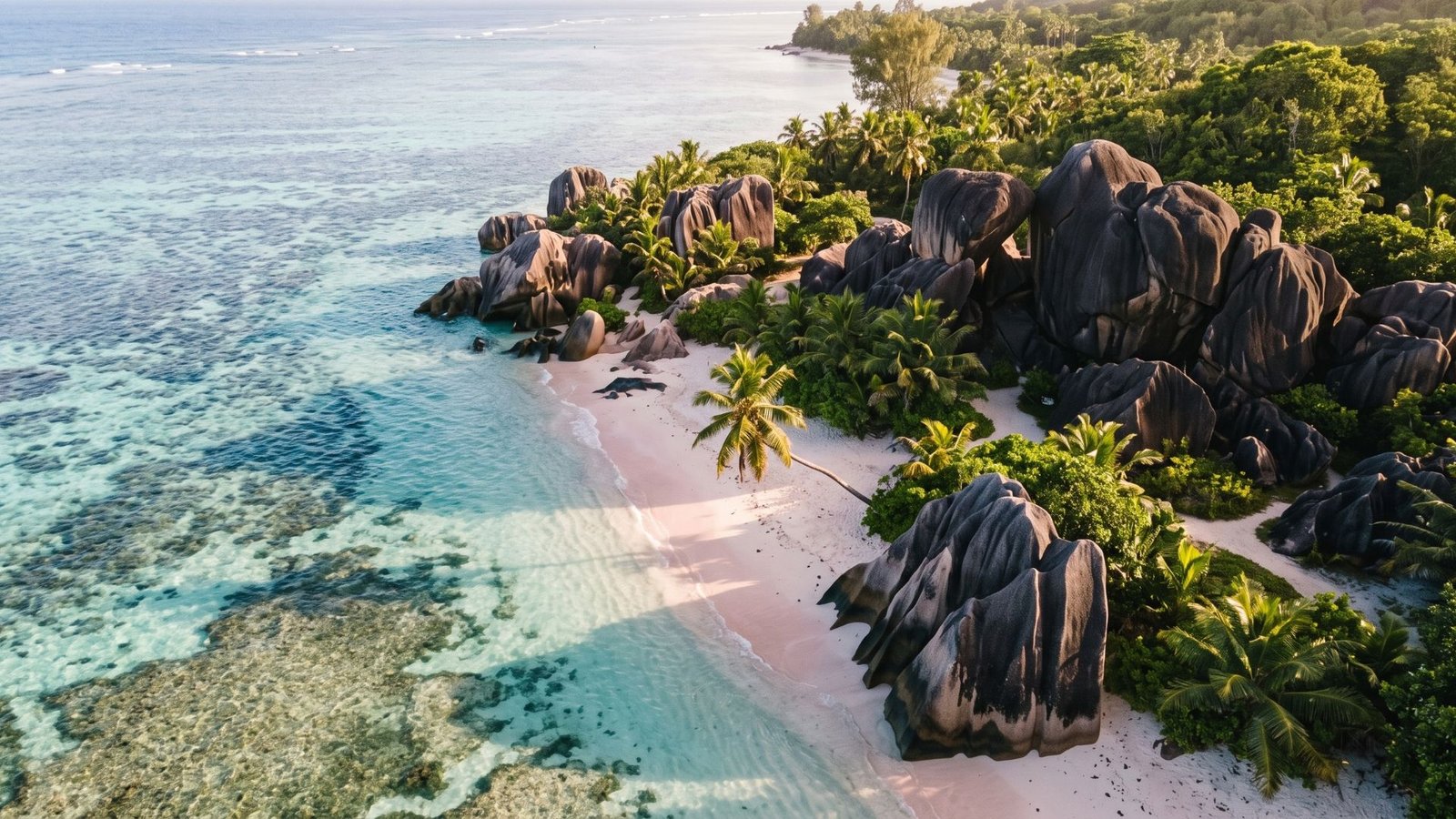
Seychelles sits about 1,000 miles off the east coast of Africa, and it’s not like other tropical destinations. The beaches here aren’t just white sand and palm trees. They’re framed by giant granite boulders that look hand-placed, the water shifts between four shades of blue before breakfast, and giant tortoises older than your grandparents wander around like they own the place. They kind of do.
I spent ten days hopping between the three main islands, and this is everything I’d tell a friend planning the same trip.
> Quick heads up before we dive in: some links in this post are affiliate links, which means I may earn a small commission if you book or buy through them, at no extra cost to you. I only recommend tours and products I’ve actually used or would happily buy again. It’s what keeps this guide free, and I appreciate your support more than you know.
Which Island Should You Stay On?
There are 115 islands in Seychelles, but only three matter for first timers.
Mahé is the main island where the airport is. It has the best restaurants, the only real nightlife, the capital Victoria with its tiny clock tower, and Beau Vallon Beach, the island’s most popular stretch of sand. Base yourself here for at least half your trip.
Praslin is a 15 minute flight or an hour’s ferry away, and it’s home to Anse Lazio, regularly ranked among the best beaches on Earth. The Vallee de Mai nature reserve here grows the coco de mer, a palm seed shaped like, well, a double coconut. Google it. Worth it.
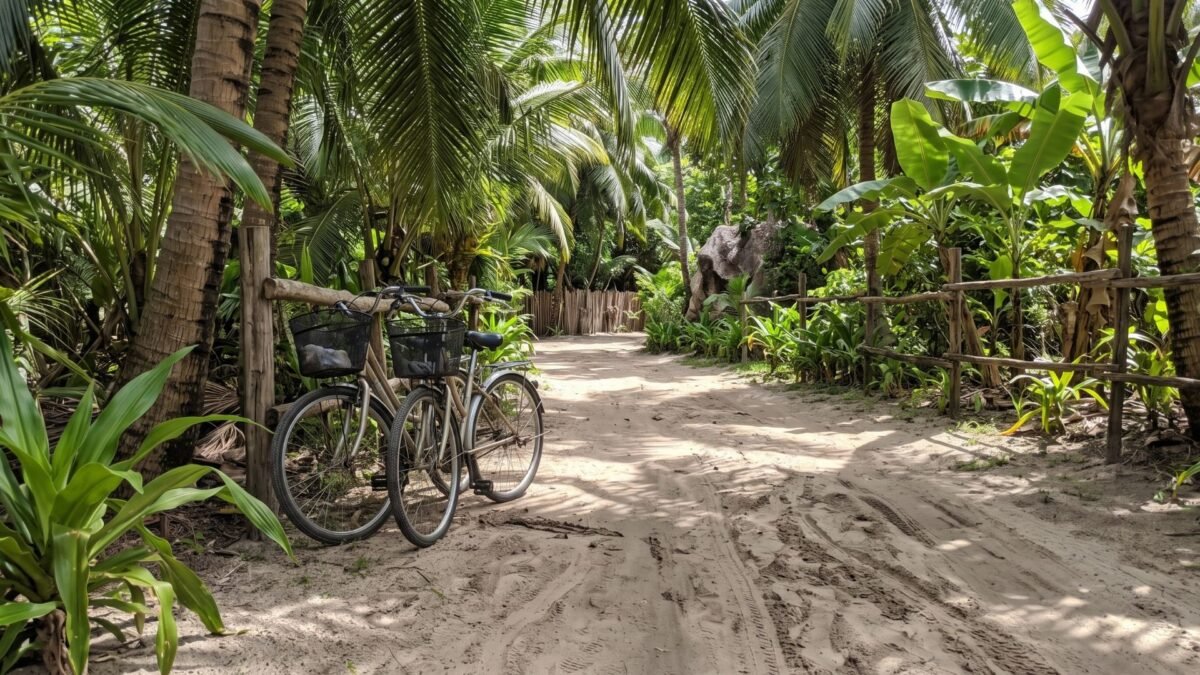
La Digue is the smallest of the three and feels like traveling back thirty years. Most people get around by bicycle. No traffic, no high rises, just the most photographed beach in the world.
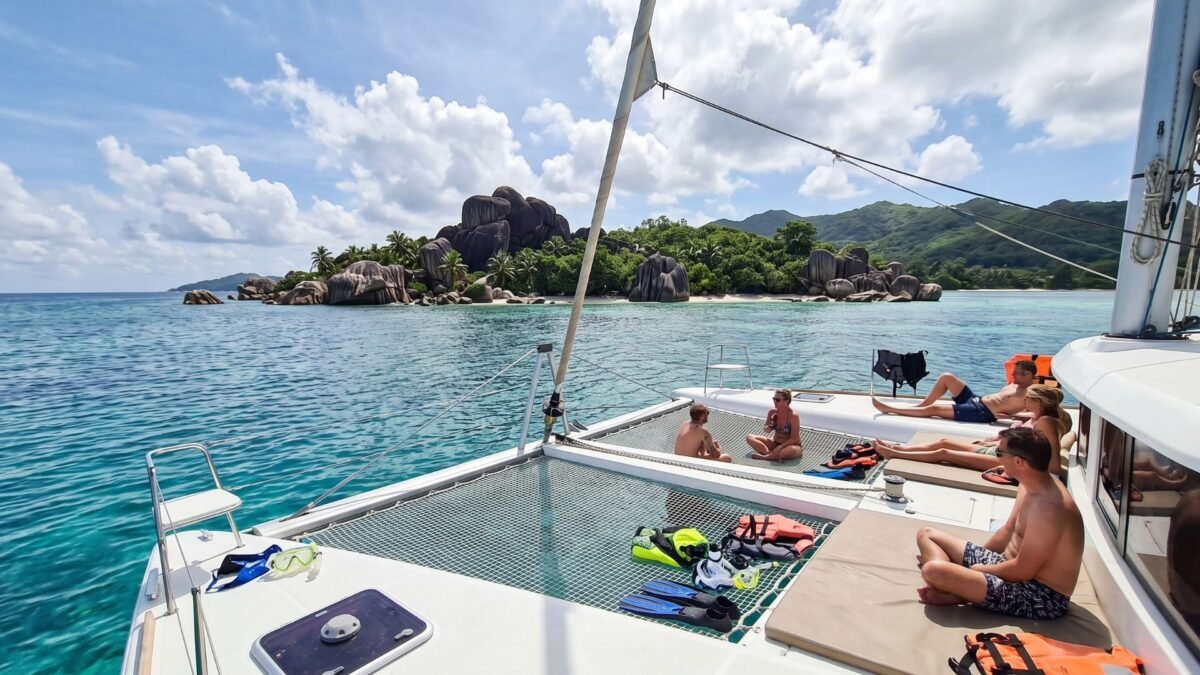
Worth booking: The island-hopping catamaran day trip I call the best value in Seychelles, with snorkeling stops and a beach BBQ lunch. It books out fast in high season, so reserve it before you fly.
Anse Source d’Argent: The Beach You’ve Already Seen
You’ve seen this beach. It’s on every screensaver and travel ad. Pink-tinged sand, granite boulders the size of houses, shallow water so clear you can watch fish swim around your ankles.
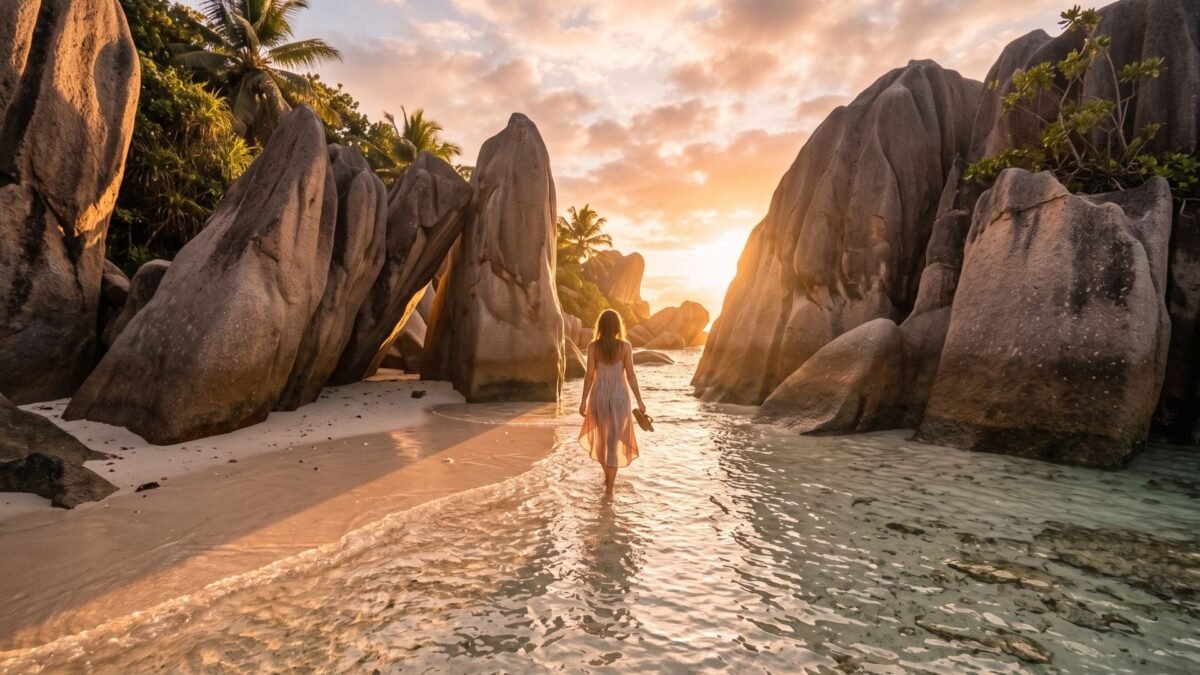
Here’s what the photos don’t show: you have to pay a small entrance fee to L’Union Estate to access it, bicycles are the way there, and the middle of the day gets busy with day-trippers. Go before 9am or after 4pm and you’ll have entire sections to yourself.
Worth booking: The guided La Digue day trip that bundles the ferry, bikes, and estate entrance. As a package it usually costs less than piecing it together yourself, and you skip every queue.
Snorkeling and the Underwater World
The snorkeling in Seychelles is criminally underrated. The reefs sit close to shore, the water is bath-warm, and you’ll see hawksbill sea turtles on an average Tuesday.
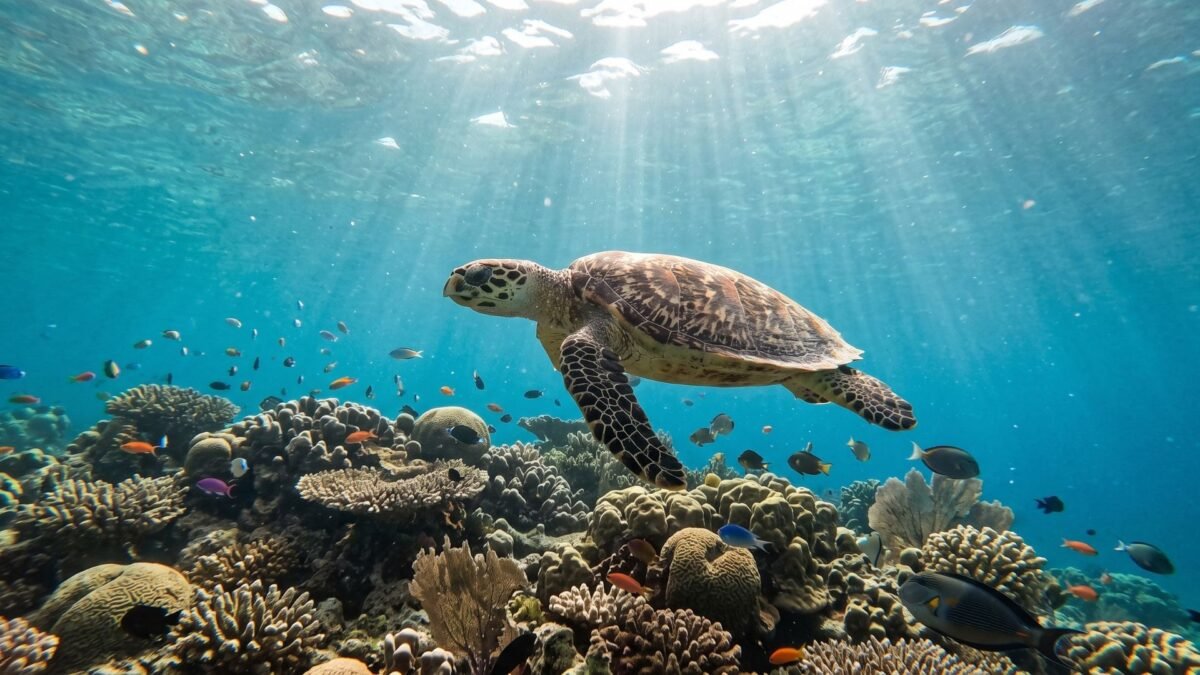
The best spot for guaranteed marine life is Sainte Anne Marine National Park, a short boat ride from Mahé, where six islands sit inside a protected reserve.
Worth booking: The Sainte Anne snorkeling cruise I recommend to every beach lover. The gear is included, which matters because rental quality on the islands varies wildly, and this one brings proper masks and fins.
10 Things to Do in Seychelles Beyond the Resort
Once you’ve done the obvious (find beach, lie on beach, repeat), here’s what actually fills a ten day trip. This is the list I’d hand a friend.
1. Take the island-hopping catamaran day trip. Snorkeling stops, hidden coves, and a beach BBQ lunch on a sandbank. The one I call the best value in Seychelles books out fast, so reserve before you fly.
2. Watch the sunrise at Anse Source d’Argent. Yes, it’s the famous beach. It’s famous because it earns it. Get there before 9am and the granite boulders are yours. The guided La Digue day trip bundles the ferry, bikes, and estate entrance in one booking.
3. Swim with hawksbill turtles at Sainte Anne Marine Park. Six islands in one protected reserve, bath-warm water, and proper rental gear included on the snorkeling cruise I recommend. Turtles on an average Tuesday, remember.
4. Walk through the Vallée de Mai on Praslin. A prehistoric palm forest that smells like green vanilla, and the only place on Earth the coco de mer grows wild. You’ll feel like you’ve walked into a nature documentary.
5. Meet the giant tortoises. They wander around La Digue and several reserves like they own the place, mostly because they do. Some are over a hundred years old. Be polite.
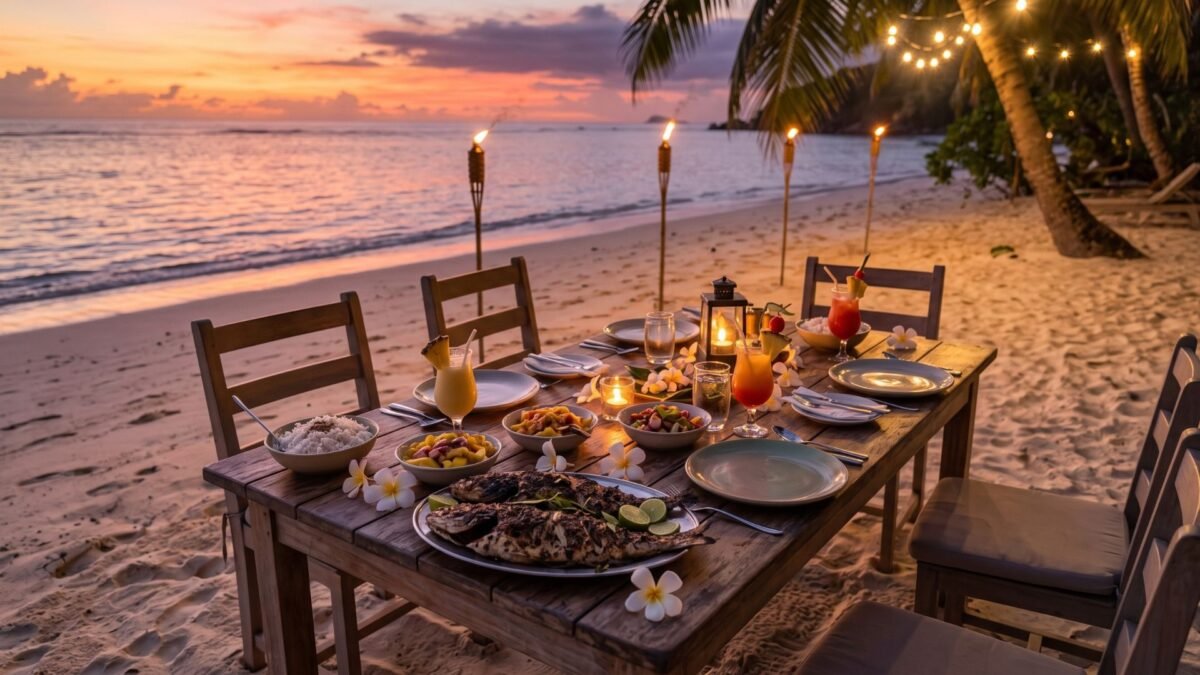
6. Eat at the Beau Vallon Wednesday night BBQ. Takeaway grilled fish, Creole curries, and cheap cold drinks on the sand with locals. It’s the best value meal on Mahé and nobody tells tourists about it.
7. Bike around La Digue. No traffic, no rush, just sandy paths between granite and sea. Rent a bike at the jetty and get gloriously lost for a day.
8. See the clock tower and market in Victoria. The smallest capital in the world has a clock tower that’s a miniature copy of London’s, plus a busy little market selling vanilla, cinnamon, and souvenirs at local prices. An hour is plenty.
9. Beach-hop to Anse Lazio on Praslin. Regularly ranked among the best beaches on Earth, and somehow less crowded than it should be. Pack a picnic, stay till the light goes gold.
10. Stay for one sunset on the sand. Every day ends with the sky doing something unreasonable over the water. Don’t schedule anything for golden hour. It’s the single best free thing in the islands.
Is Seychelles Expensive? The Honest Answer
Yes and no. Luxury resorts here cost luxury money, no way around that. But the travel myth that Seychelles is only for honeymooners with unlimited budgets is outdated.
The budget playbook:
- Stay in guesthouses and self-catering apartments instead of resorts (prices start around €80 to 100 a night, often including breakfast)
- Eat where locals eat: Creole curries, grilled fish with rice, and the takeaway barbecue stalls at Beau Vallon on Wednesday nights
- Use public ferries between islands instead of flights
- Every beach is public by law. The resort beaches? Yours too.
Do those four things and a trip here costs less than a week in the Maldives, with better beaches.
How it compares to the Maldives, honestly: Both deliver the turquoise water fantasy, but they’re different trips.
The Maldives is one-resort-one-island private, polished, and expensive the moment you leave your villa, with excursions that cost a small fortune. Seychelles is a real country you can explore: public ferries between islands, local restaurants, markets, and hiking trails.
For activities and variety, Seychelles wins easily. For pure seclusion and overwater-villa luxury, the Maldives still has the edge. And on price? Once you factor in the Maldives’ mandatory seaplane transfers and resort markups, a mid-range Seychelles trip with guesthouses and tours usually comes out 30 to 40% cheaper per day.
I did the math on my own receipts. It wasn’t close.
What to Pack for Seychelles
This is a different packing job than most trips. Everything revolves around sun, sand, and water.
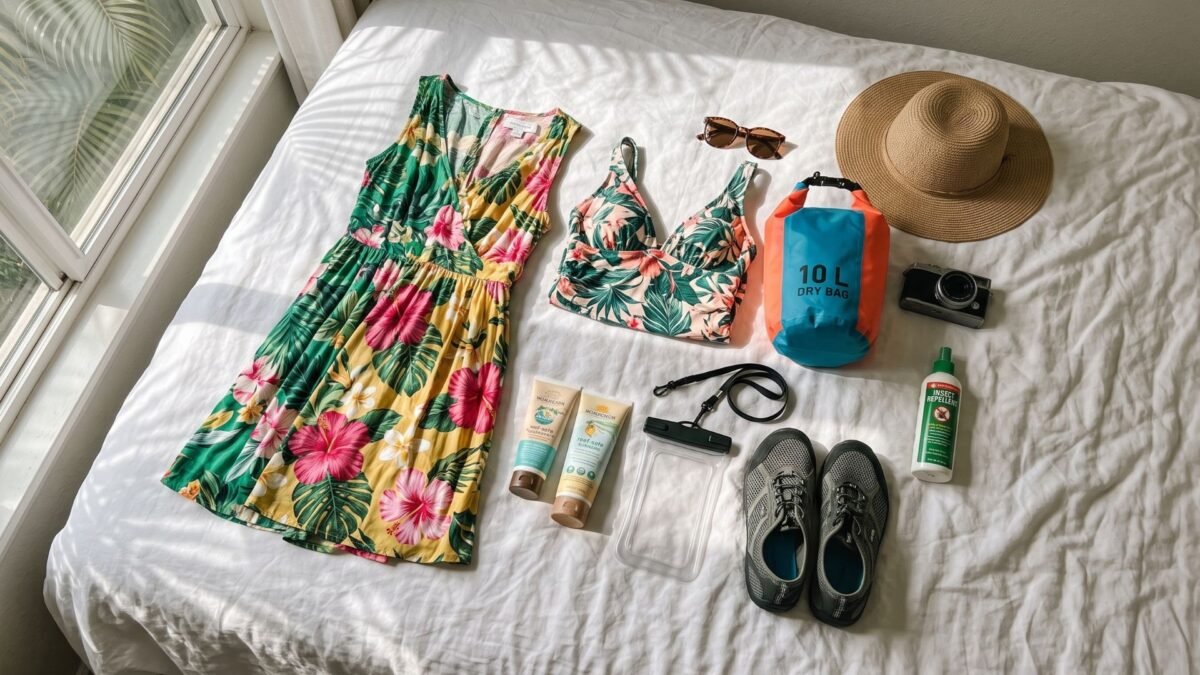
Reef-safe sunscreen. Regular sunscreen damages the very reefs you’re there to see. The reef-safe mineral sunscreen I recommend for any beach trip is required in many protected areas now anyway. Bring two bottles, island prices will hurt.
A waterproof phone pouch. You’ll be in and out of the water constantly, and the photo ops don’t wait. The waterproof phone pouch I never snorkel without lets you shoot underwater photos without risking your phone.
Flowy maxi dresses. Pack three. They’re cool in the humidity, they double as dinner outfits, and the flowy maxi dresses I lived in all week photograph beautifully against granite boulders and turquoise water.
A supportive, comfortable swimsuit. You’ll live in it. The tropical print swimsuit I wore nonstop works for beach days, snorkeling, and resort lunches.
A dry bag. Boat trips, sudden tropical rain, kayak tours. The 10 liter dry bag that came everywhere with me keeps your towel, cash, and phone safe, and it’s tiny when empty.
Water shoes. Some of the best snorkel entries are over coral and rock. The water shoes I recommend for rocky beaches save your feet.
Bug spray with DEET. Seychelles has mosquitoes, especially at dawn, dusk, and after rain. The bug spray I never travel to the tropics without. Bring it, thank me later.
7. The Best Time to Visit
April to May and October to November offer the calmest seas and best diving visibility. July and August bring stronger winds (great for sailing, less great for beach lounging). December to March is warmer and wetter, but showers pass fast.
FAQs
Do I need a visa for Seychelles?
Most nationalities get a free visitor permit on arrival. You just need a return ticket, accommodation proof, and enough funds for your stay.
How many days do I need?
Seven to ten days covers the three main islands properly. Less than five and you’ll feel rushed.
Is the tap water safe to drink?
Yes on Mahé and Praslin. On La Digue, stick to bottled water.
Can I island hop easily?
Yes, via the Cat Cocos and Cat Rose ferries. Book seats a few days ahead in high season.
What are the best things to do in Seychelles?
The highlights: an island-hopping catamaran day trip, sunrise at Anse Source d’Argent, snorkeling with hawksbill turtles at Sainte Anne Marine Park, walking the Vallée de Mai on Praslin, meeting giant tortoises on La Digue, and the Beau Vallon Wednesday night BBQ. See the full list of ten in section 4 above.
Seychelles is the kind of place that ruins other beaches for you. You’ll fly home, look at photos of where you live, and wonder why the water isn’t that color. It wasn’t just a trip. It was a recalibration.