
Disclosure: As an Amazon Associate, I earn from qualifying purchases. If you buy through links on this page, I may earn a small commission at no extra cost to you.
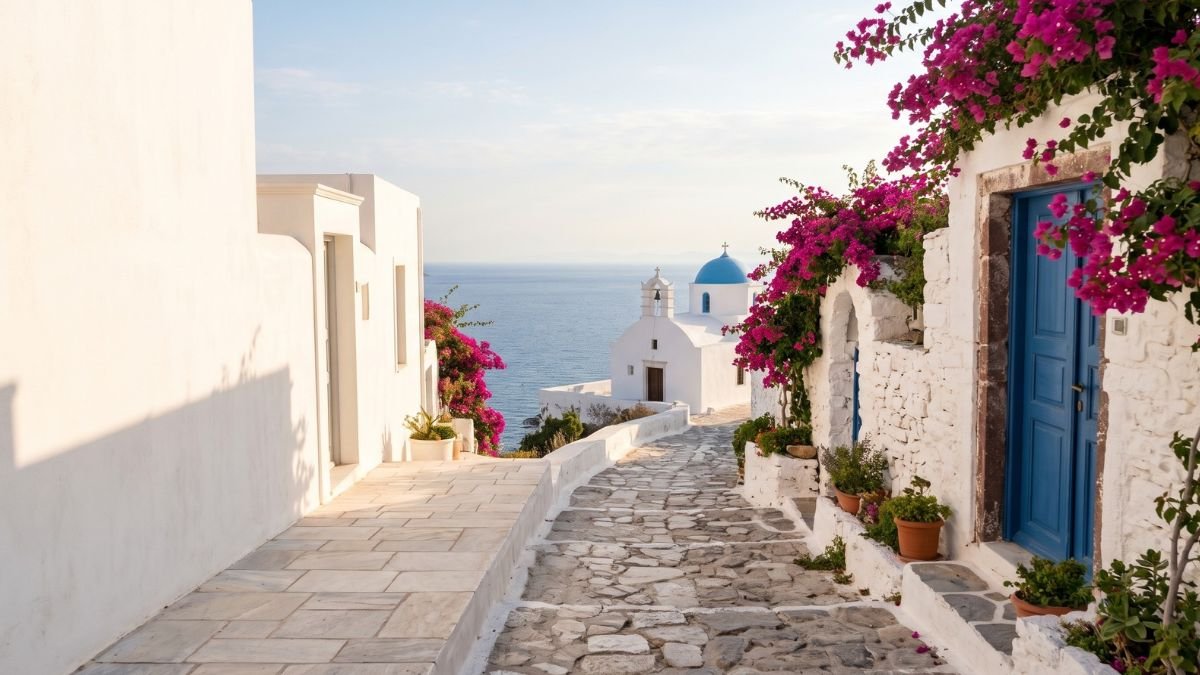
Quiet Greek islands are real, and Paros, Milos, Naxos and Syros are four that deliver whitewashed lanes, clear water and long, slow lunches, as long as you choose the right base and the right time.
If you’ve scrolled through Santorini photos and thought, “I want Greece, but not that,” you’re in the right place.
The catch is that these four islands aren’t interchangeable. Pick the wrong one for your travel style, or the wrong month, and you could spend your sunset in a line instead of on a terrace.
Below you’ll find a quick answer, a side-by-side comparison and the timing tips that keep each island calm. For the full plan, my book Quiet Greek Islands Guide: Paros, Milos, Naxos and Syros (No Cruise Crowds) is available on Amazon.
One honest note first is that no popular Greek island is empty in July and August. Crowds come from many sources, not just cruise ships, including ferry arrivals, day-trippers and peak-season visitors.
The good news is that crowds are mostly predictable, and with the right base, timing and routes you can enjoy all four islands at a calm pace.
Quick Answer: Which Island Is The Most Quiet?
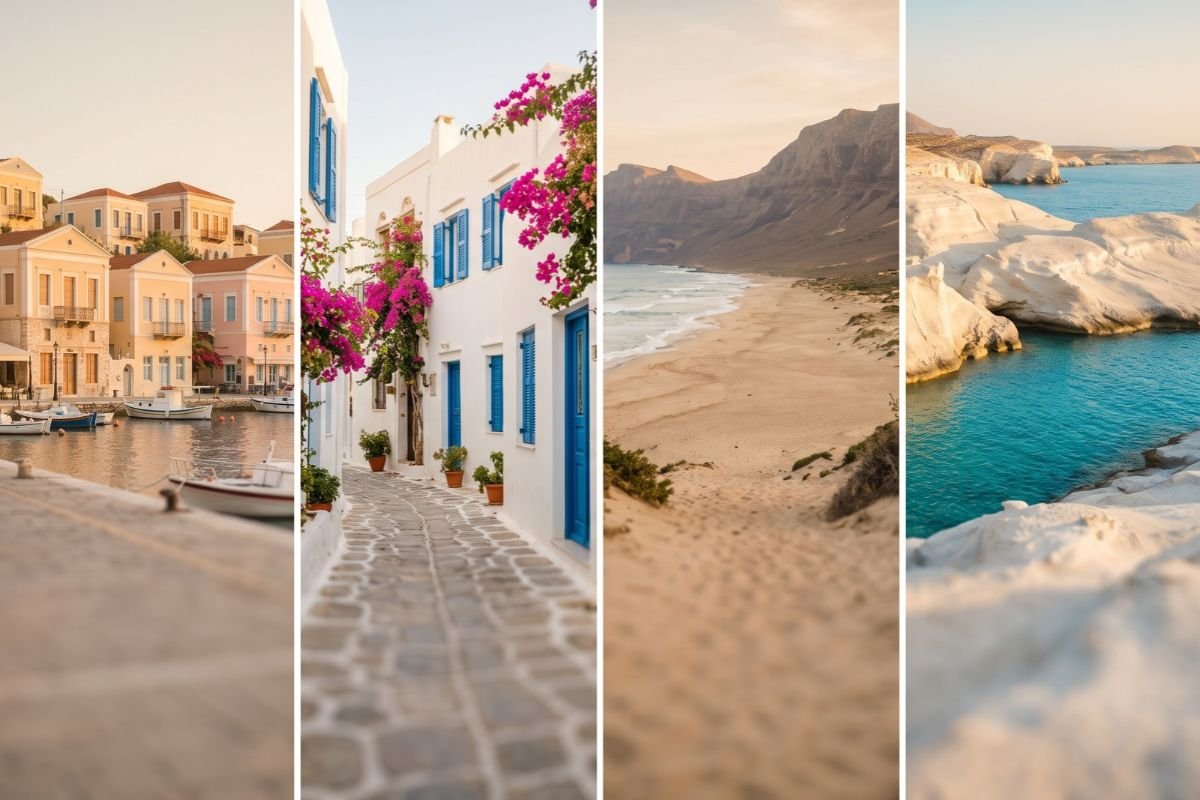
- Quietest overall: Syros. A working island with a real year-round community and far less tourist hype than its neighbors.
- Best balance of quiet and variety: Naxos. It is large, so crowds thin out fast once you leave the main town.
- Easiest all-rounder: Paros. Great ferry connections, charming villages and plenty of beaches, but Naoussa gets lively in summer.
- Most dramatic scenery, needs more planning: Milos. Spectacular coastline, and the famous spots get busy, so timing and transport matter.
Quick Comparison Table
| Comparison | Syros | Paros | Naxos | Milos |
|---|---|---|---|---|
| Crowd level in summer | Low to moderate | Moderate to high | Moderate (spread out) | Moderate to high at hotspots |
| Best for | Culture, food, authenticity | First-timers, easy island hopping | Families, hikers, space | Landscapes, boat trips, photographers |
| Beaches | Pleasant, relaxed | Many, from lively to quiet | Long sandy stretches | Unique volcanic coves |
| Nightlife | Gentle, local | Lively in Naoussa and Parikia | Chora has bars, otherwise calm | Low-key |
| Getting around | Taxis and buses work well | Buses, scooters or a car | A car helps a lot | A car or ATV is strongly advised |
| Ferry convenience | Very good hub position | Excellent hub | Very good | Good, but fewer links to some neighbours |
Always check current ferry timetables before booking. Routes and frequencies change by season.
Syros: The Quiet One That Does Not Feel Staged
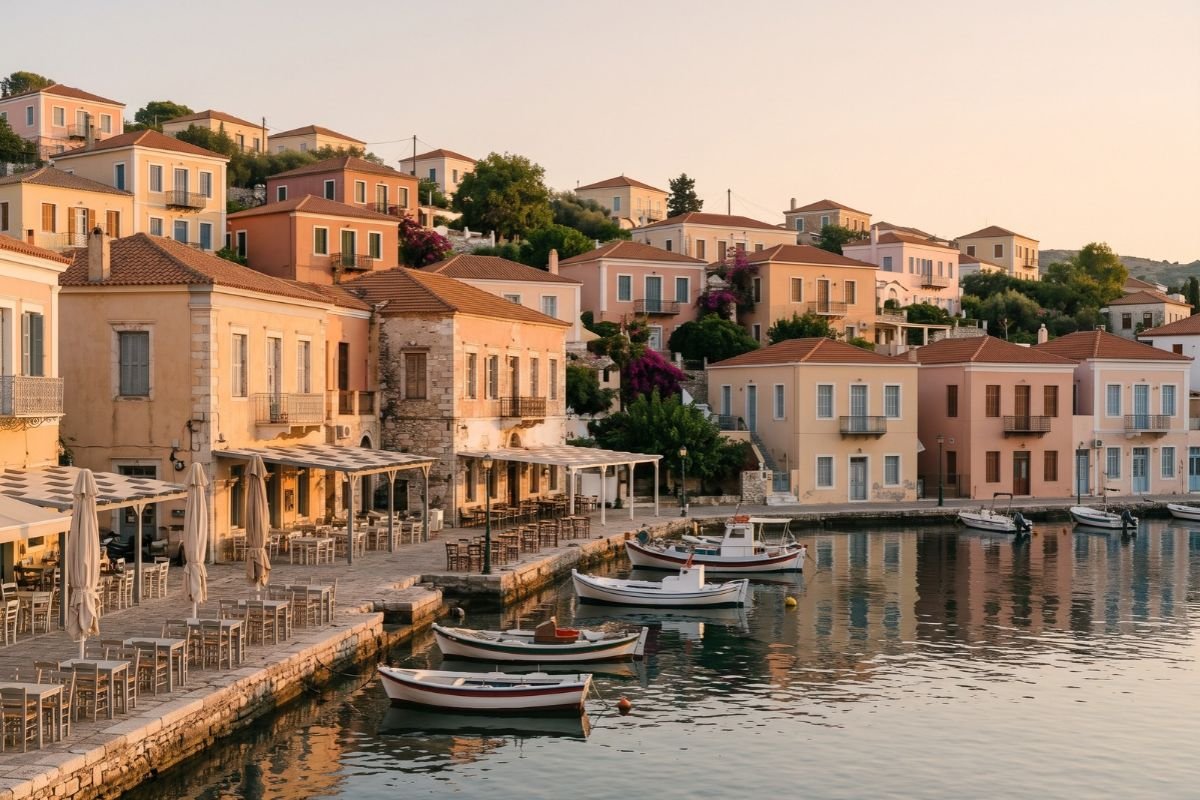
Ermoupoli, is the island’s capital and the administrative centre of the Cyclades, is a proper town with neoclassical mansions, a grand square and locals filling the cafés all year. It never feels like a stage set built for visitors, which is exactly its charm.
Above it sits Ano Syros, a medieval hilltop settlement of steep lanes and sweeping views. Go in the evening, when the day heat fades and the light turns golden.
Where to stay: Ermoupoli for culture and restaurants, or a beach village such as Galissas, Kini or Finikas for sea access and a slower rhythm.
Who it suits: travellers who want authentic Greek life, good food and a calm pace. If your idea of a perfect day is a long lunch, a short swim and an evening stroll, Syros is hard to beat.
Tip for avoiding crowds: Syros is quiet even in high season, so use it as your first or last stop to decompress at either end of a busier trip.
Paros: The Easiest Island To Love
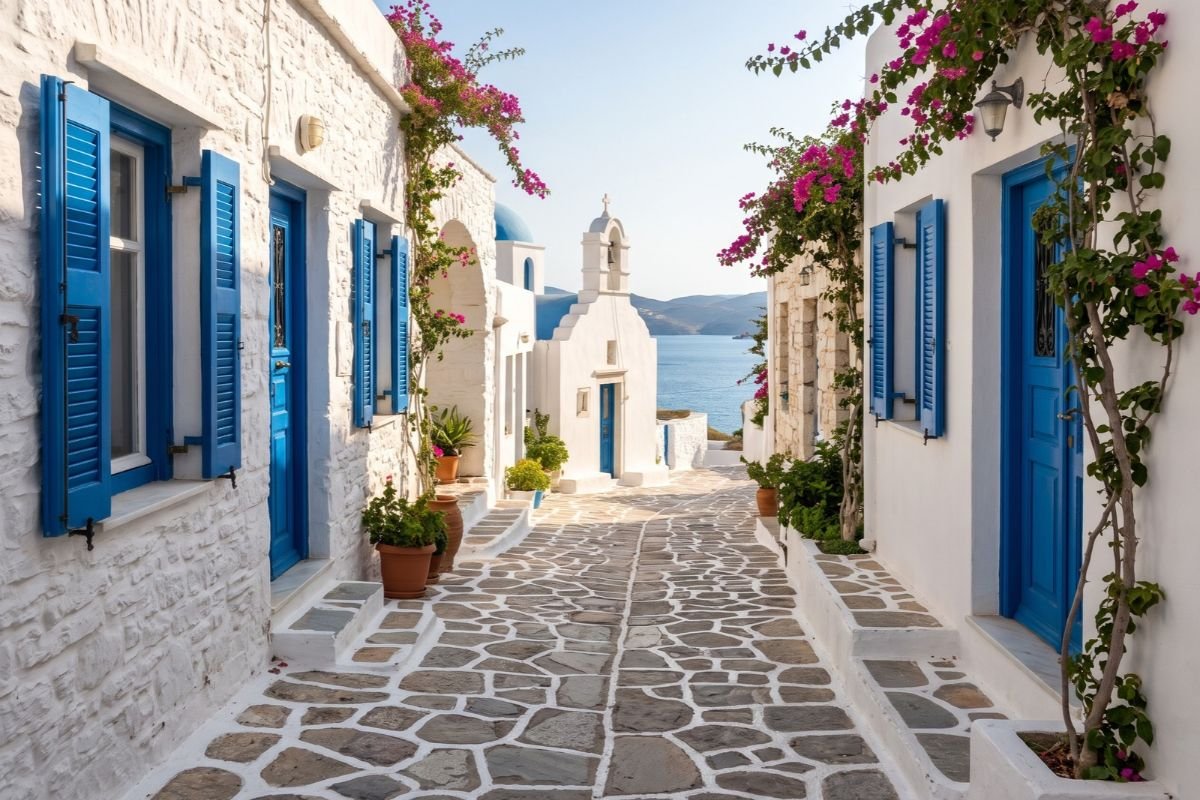
Paros is the natural hub of the central Cyclades. Parikia, the main port, has a lively old town and good transport links.
Lefkes, a white village in the hills, is lovely for a slow wander, and Marpissa and Piso Livadi on the east side are calmer than the west coast. A short hop to Antiparos adds variety if you have an extra day.
Where to stay: Parikia for convenience, Naoussa for atmosphere (and higher prices and crowds in summer), or the east coast for a quieter base.
Who it suits: first-time island hoppers who want everything to work smoothly, plus couples and friends who like a mix of beaches, dining and some nightlife?
Tip for avoiding crowds: Visit Naoussa at lunch or very late rather than at peak sunset. Choose beaches away from the main resort areas and arrive early.
Naxos: Space, Food And Mountain Villages
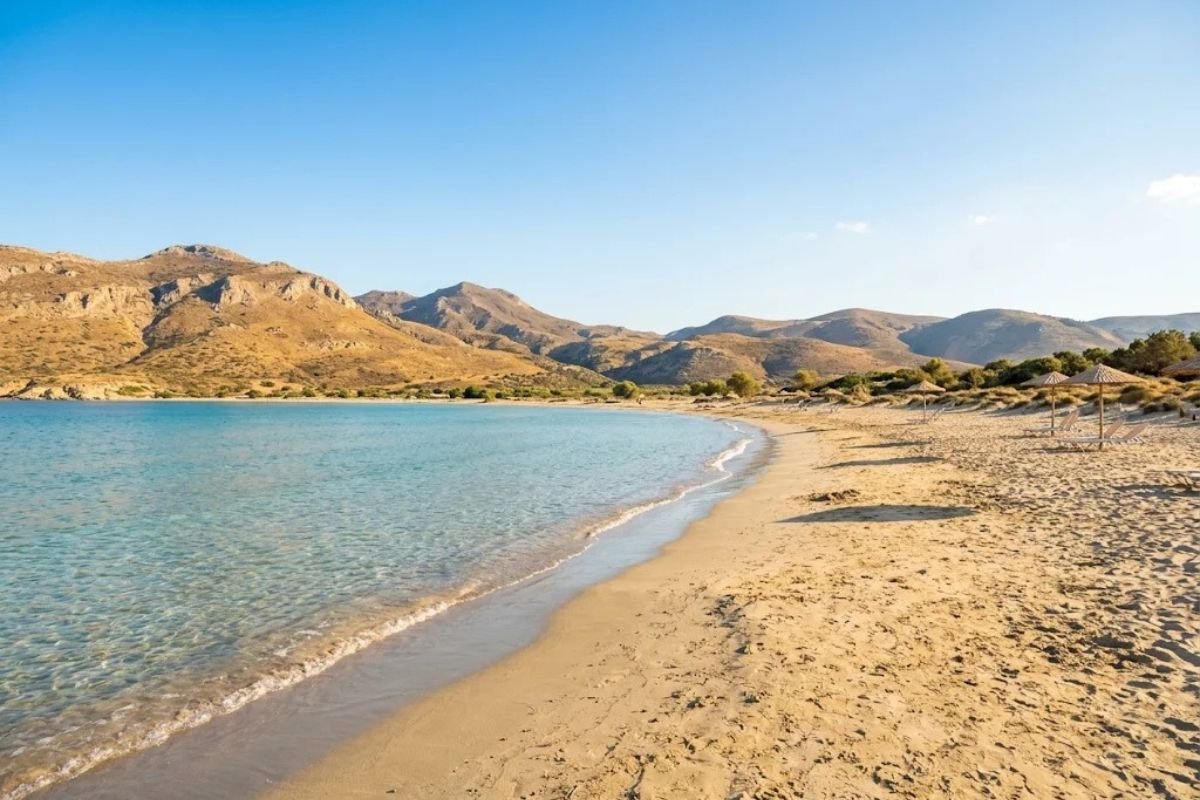
Naxos is the biggest island in the group, and that scale is its secret weapon. The famous marble gate above Naxos town gets busy at sunset, but head inland and you will find hill villages like Apeiranthos, Halki and Filoti, plus a farming tradition that shows up on every table in the form of cheese, potatoes, citrus and local meats.
The west coast has long sandy beaches, so even in busy months there is room to spread out.
Where to stay: Naxos town for ferries and restaurants, or a beach area to the south-west for easy swimming. A car or a good bus plan lets you explore the interior.
Who it suits: families, walkers, food lovers and anyone who wants room to breathe?
Tip for avoiding crowds: Spend your first day in town, then devote a full day to the villages and mountain roads with a rental car.
Milos: Unforgettable Scenery, Plan It Carefully
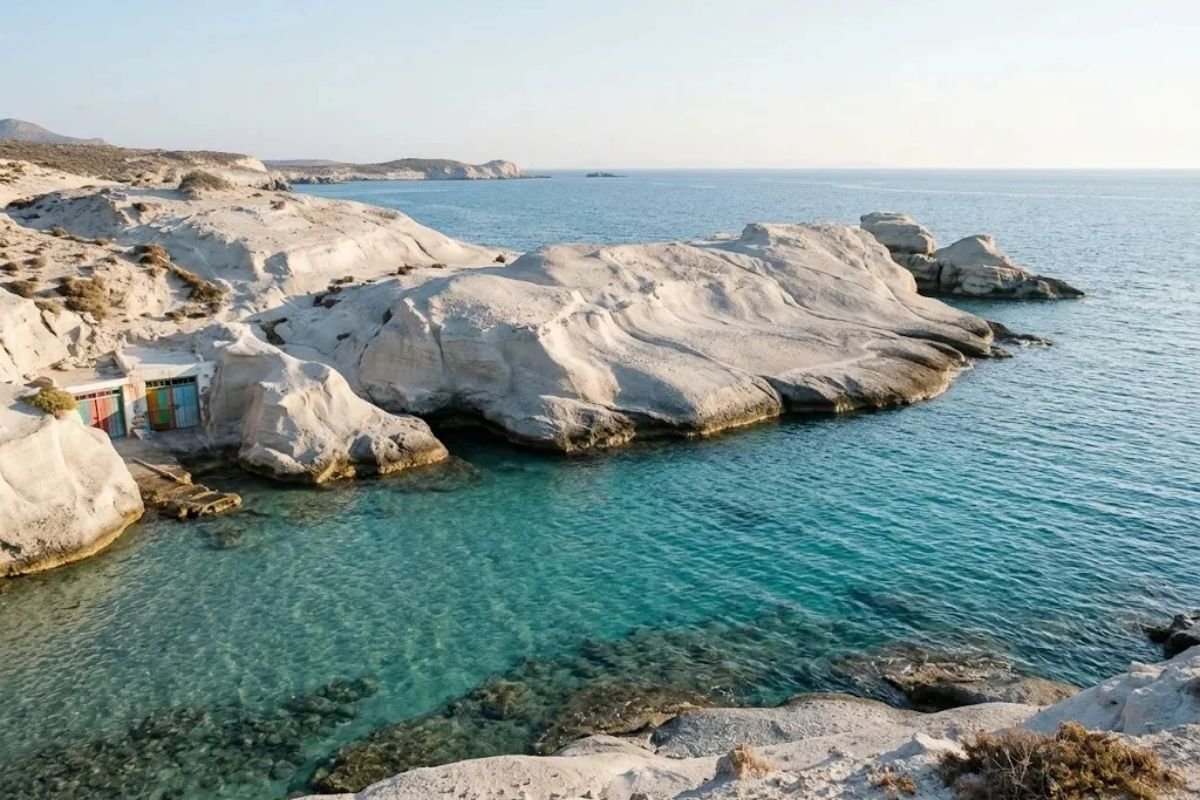
Milos is volcanic, and it shows. Sarakiniko’s white rock formations look like another planet, fishing villages such as Klima and Mandrakia have brightly painted boat garages, and the coastline hides coves that are only reachable by road or by boat.
The flip side is that the headline sights draw people from everywhere, and public transport on the island is limited. A rental car or ATV makes a huge difference, and so does booking boat trips early.
Where to stay: Adamantas (the port) for convenience, Pollonia for a calmer fishing-village feel, or near Plaka for views and atmosphere.
Who it suits: travellers who love dramatic landscapes, swimming in unusual places and photography, and who do not mind some planning?
Tip for avoiding crowds: See Sarakiniko very early or near sunset, and save the beach-hopping for mid-morning when most people are still arriving at the first stop. Visit in shoulder season if you can.
When To Go For Fewer Crowds
The sweet spots are late May to mid-June and mid-September to early October. The sea is warm, businesses are open and the islands feel noticeably calmer than in peak summer.
In July and August, expect higher prices, busier ferries and the meltemi, a strong seasonal wind that can disrupt crossings and make some beaches choppy. If you must travel in peak season, build in buffer days between ferries and any flights home, and pick the more sheltered side of each island.
A Simple Route That Avoids Rushing
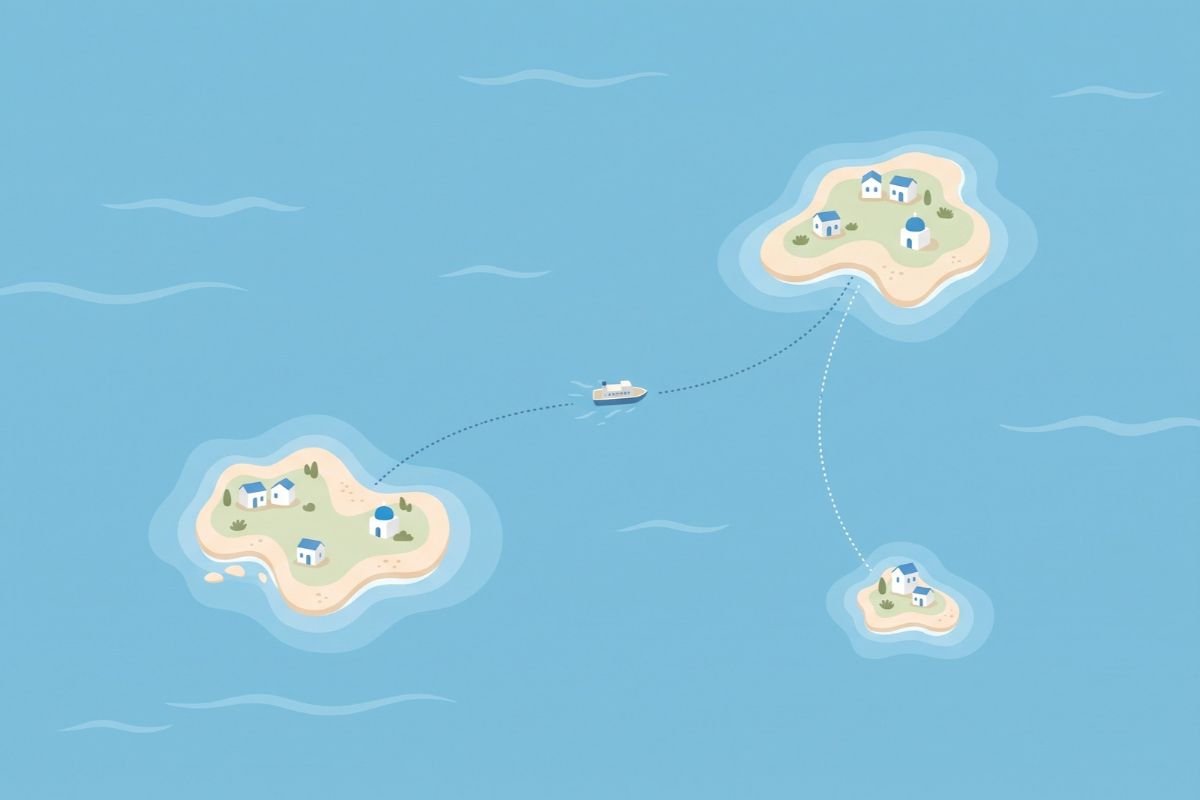
For 10 days, a flow that works well is Syros, then Paros, then Naxos, with a few nights on each. These islands are well connected, so you avoid long transfers.
Milos is easier as its own add-on, so check connections for your dates before committing. If you are short on time, choose two islands and go deeper rather than trying to see all four.
A 14-day trip can include all four islands with comfortable pacing, and a 7-day trip is best split between two.
Smart Ways to Dodge The Crowds On Any Island
- Stay in a village, not just the main port. Day-trippers rarely linger in the evenings.
- Move early or late. Sunrise to mid-morning and the hours before dinner are quietest at popular sights.
- Check ferry arrivals. Busy hours often follow big boat arrivals, so time your sightseeing around them.
- Choose beaches by wind direction. Sheltered coves are calmer in every sense.
- Go midweek where possible. Weekends, especially in summer, bring Athens residents to the islands.
Smart Packing For Island Hopping

Travelling by ferry and staying in small guesthouses means light, flexible packing helps. These are useful basics below, click link to check on amazon:
- A compact carry-on backpack for easy boarding and stairs
- A quick-dry travel towel for pebble beaches and small rooms
- Reef-safe sunscreen for protected waters
- Water shoes for rocky coves
- Comfortable walking sandals for cobblestones
- A universal travel adapter for Europe
- A portable phone charger for long ferry days
- Seasickness wristbands for windy crossings
- Packing cubes to stay organized
- A waterproof phone pouch for boat trips
Frequently Asked Questions
Which Greek island is the least touristy? Of these four, Syros is the least touristy and the most authentic. Naxos also feels spacious because of its size.
Is Milos better than Paros? It depends on what you want. Milos offers more dramatic scenery but needs more planning and a vehicle. Paros is easier for first-timers and has stronger transport links.
When is the best time to visit the Greek islands to avoid crowds? Late May to mid-June and mid-September to early October usually offer warm weather and thinner crowds.
Do I need to rent a car? On Milos, yes, or at least an ATV. On Naxos it is very helpful for the interior. On Paros it is optional. On Syros you can manage with buses and taxis.
Can I visit all four islands in one trip? Yes, with about 12 to 14 days, but check ferry connections for your dates, especially for Milos. Most travelers are happier with two or three islands.
Are the Greek ferries reliable? Mostly, but strong winds in July and August can cause delays or cancellations. Keep your schedule flexible and avoid tight connections.
Ready to Plan Your Quiet Greek Islands Trip?
You now know which island suits you and when to go. The harder part is the logistics: ferry connections, where to base yourself, and what to do when the wind cancels a sailing. That’s what Quiet Greek Islands Guide: Paros, Milos, Naxos and Syros (No Cruise Crowds) is for.
Inside, you’ll find:
- Island-by-island chapters on where to stay, quiet beaches and day plans
- Itineraries for different trip lengths, with the ferry logic explained
- Month-by-month guidance on crowds, wind and what’s open
- A ferry cancellation playbook for when plans change
- Car, ATV and bus advice for each island
- Budget, packing and booking checklists