Best walking tour Kyoto searches usually turn up the same split screen: a wall of paid tour listings on one side, and a dozen blog posts insisting you can “do Kyoto on foot for free” on the other. Neither side tells you when each option actually makes sense, and in Kyoto specifically, that gap matters more than it does in most cities.
Quick answer: A paid walking tour is worth it in Kyoto for Gion and Fushimi Inari, where local guides explain etiquette and history you’d otherwise miss entirely. A self-guided route works fine for Arashiyama and the main temple circuit, where the sights largely speak for themselves and a guide adds less than you’d think.
Here’s the part most guides gloss over. Kyoto isn’t Lisbon or Rome, where the worst case for skipping a guide is missing some history. In Kyoto, the worst case is genuinely offending someone, or breaking a rule you didn’t know existed. Gion has photography restrictions that carry real fines.
Shrines have customs around bowing, washing, and where you can and can’t walk that aren’t posted in English everywhere. None of this is obvious to a first-time visitor, and a lot of it is the kind of thing you only find out after you’ve already done it wrong.
That’s a stronger case for booking a guide here than almost anywhere else in this kind of comparison, and it’s worth being upfront about before getting into the rest.
What a Self Guided Walking Tour in Kyoto Actually Looks Like
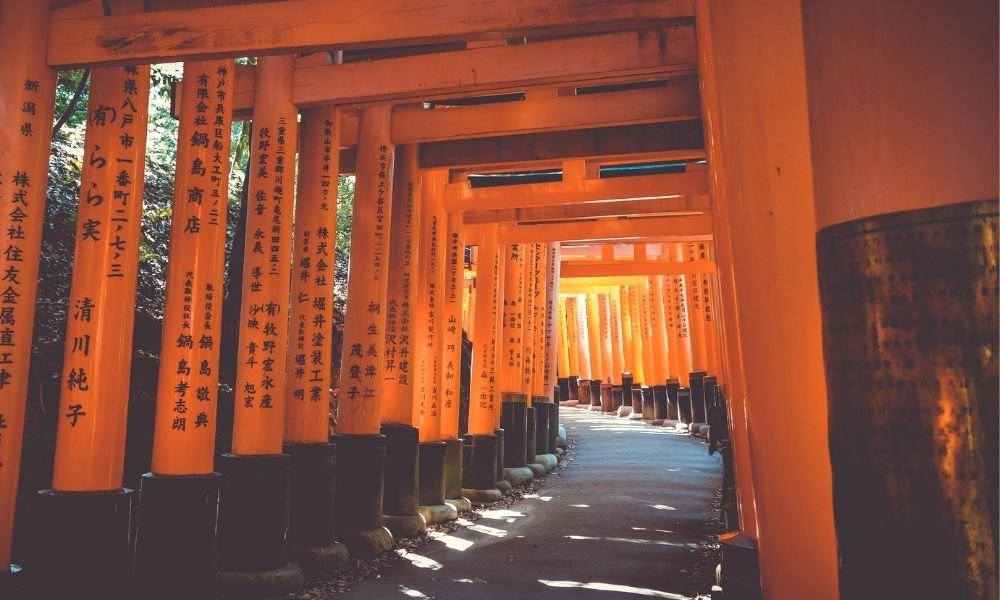
Most first timers end up stitching together some version of the same route on their own, and honestly, it works. Fushimi Inari early in the morning, before the buses arrive and the famous torii gate tunnels turn into a single-file shuffle.
Then Kiyomizu-dera sometime midday, since the temple and the streets leading up to it are interesting enough on their own that you don’t need much context to enjoy them. Then Gion in the early evening, when the light gets soft and the lanterns start coming on.
On paper this is a full day of sightseeing, and it genuinely is one. You’ll see the major landmarks, get good photos, and walk away with a real sense of having covered the city’s highlights. None of that requires a guide.
The Classic Free Route
If you’re building this yourself, the order above is close to optimal and most local transit apps will route you between the three without much trouble.
Fushimi Inari is a 20 to 30 minute train ride from central Kyoto depending on where you’re staying, and arriving by 7am means you’ll have large stretches of the gate tunnels close to empty, a completely different experience than the crowds that build by mid-morning.
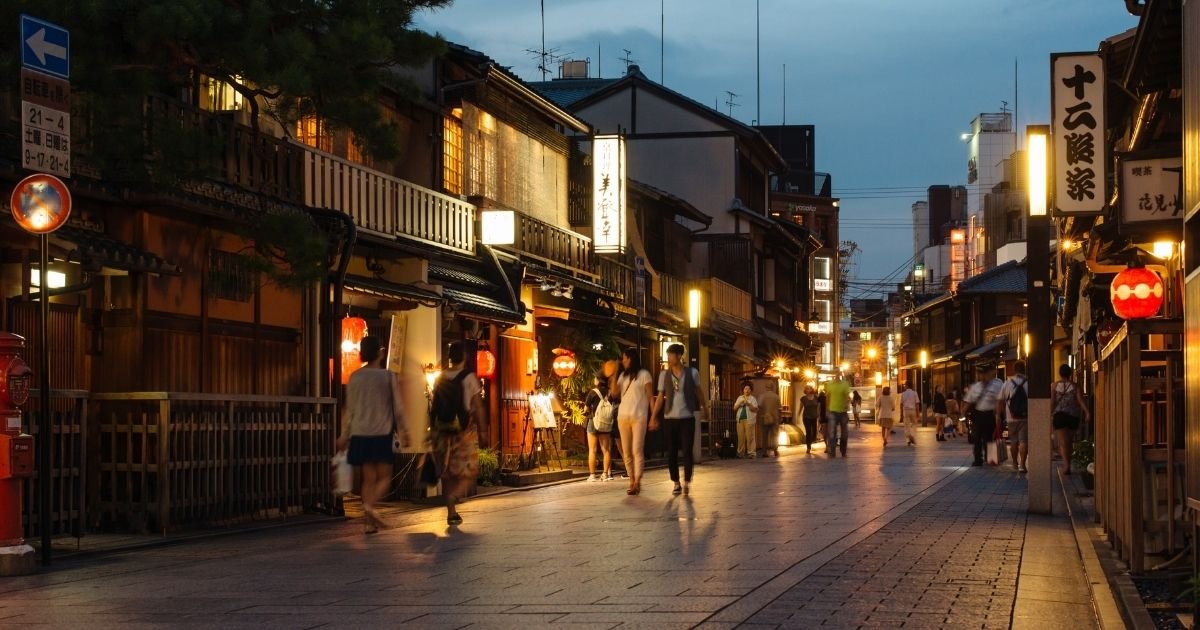
Kiyomizu-dera sits up in Higashiyama, reachable by bus, and the approach through Sannenzaka and Ninenzaka, the preserved stone streets leading up to it, is arguably as worthwhile as the temple itself. From there, walk down through Nene-no-Michi and cut into Hanamikoji Street, Gion’s main stone-paved thoroughfare lined with the dark wooden teahouses the district is known for.
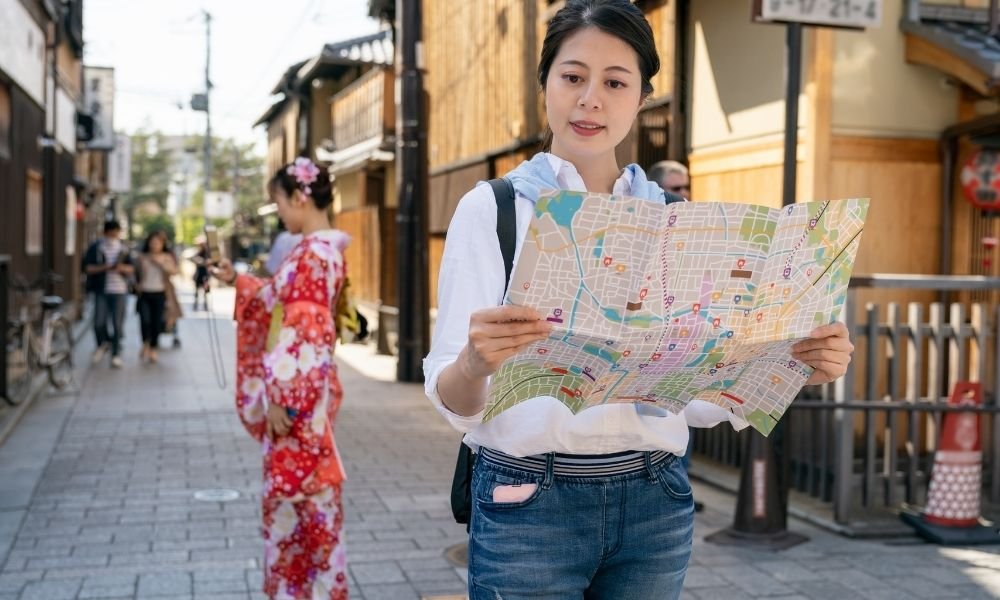
Following Hanamikoji north toward Shijo Dori, then doubling back along the smaller Shirakawa Minami Dori, where willow trees lean over a narrow canal, covers the most photogenic stretch of the whole district in under twenty minutes on foot. Arriving as the sun starts dropping puts you there right as the area shifts into its evening atmosphere.
This route works because each stop is visually self-explanatory. You don’t need someone standing next to you to understand that a thousand orange gates stacked up a mountainside is striking, or that a wooden temple built without nails is impressive. The architecture and the scale do a lot of the work.
What You’ll Miss Without a Guide
Where the gaps show up is in the parts that aren’t visible just by looking. Gion is the clearest example. Walk through Hanamikoji or toward Yasaka Shrine on your own and you’ll see narrow streets, traditional teahouses, and if you’re lucky, a geiko or maiko, the correct regional term for what most visitors call a geisha, moving quickly between appointments.
What you likely won’t know is that photographing them in the private alleys south of Hanamikoji is against local rules and can carry a fine, a regulation introduced after years of tourists chasing, touching, and blocking the path of women who are, as the local council that wrote the rules put it, on their way to work. A guide will tell you this before you round the corner where it matters. A blog post you read three weeks before your trip probably won’t stick.
Temple etiquette has a similar gap. Most visitors know to be quiet and respectful, but the specifics, where to bow, how the purification ritual at the water basin works, which buildings you can enter in shoes and which you can’t, tend to get explained only if someone’s standing there explaining them.
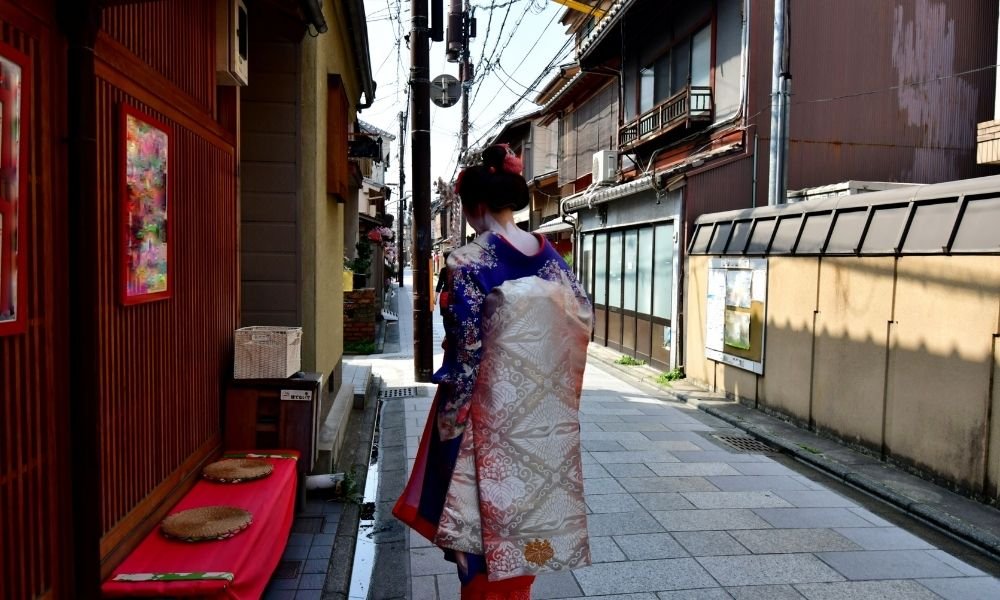
You can absolutely look this up in advance, and plenty of people do, but it’s the kind of information that’s easy to read once and forget by the time you’re standing at the actual gate.
There’s also a timing layer a guide handles automatically that’s harder to replicate alone. Knowing that Fushimi Inari at 7am is a different place than Fushimi Inari at noon is one thing.
Knowing that the upper loop past the Yotsutsuji intersection thins out fast while the lower gates stay packed all day, or that Shirakawa Minami Dori gets better evening light than Hanamikoji itself, is the kind of local knowledge that doesn’t show up on a map.
What a Paid Walking Tour in Kyoto Actually Looks Like
Paid tours in Kyoto generally split into a few distinct shapes rather than one generic “walking tour” format, and it’s worth knowing which type you’re booking before you commit.
Three Tour Types Worth Booking
A Gion evening culture walk is the most common version, usually two to three hours starting in the late afternoon and running into early evening.
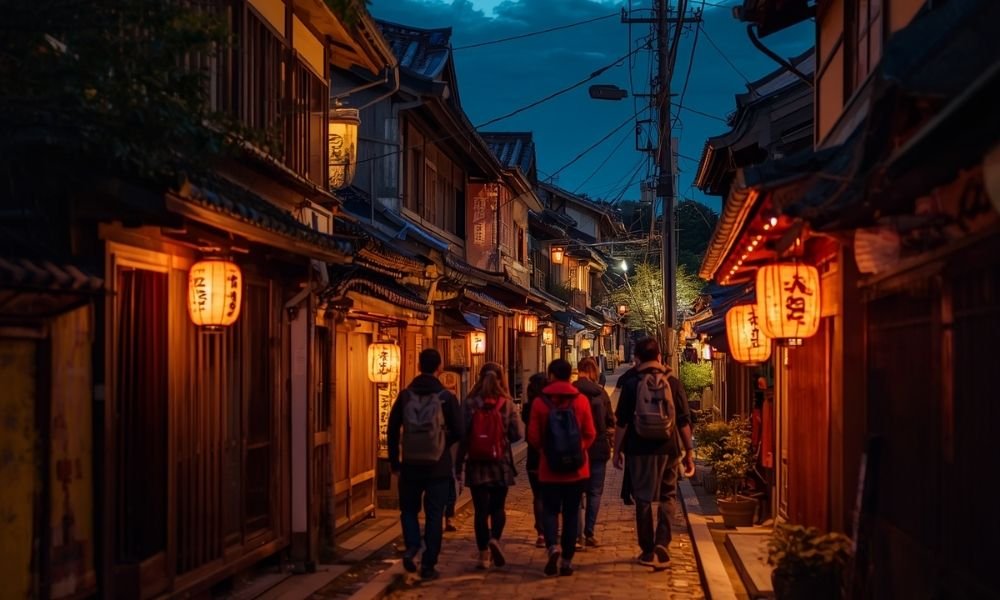
These focus on the geisha district’s history, the difference between a geiko and a maiko, what a teahouse like Ichirikitei, one of Gion’s most storied, actually does behind its unmarked entrance, and the etiquette boundaries that keep visitors out of trouble.
Good guides time these so the group is in the right spot at the right hour for a respectful, distant view of geiko heading to appointments along Hanamikoji or Shirakawa Minami Dori, without anyone in the group accidentally becoming the next cautionary story in a local news writeup.
A Fushimi Inari sunrise hike is the second common shape, and it solves the crowd problem directly rather than just explaining it to you.
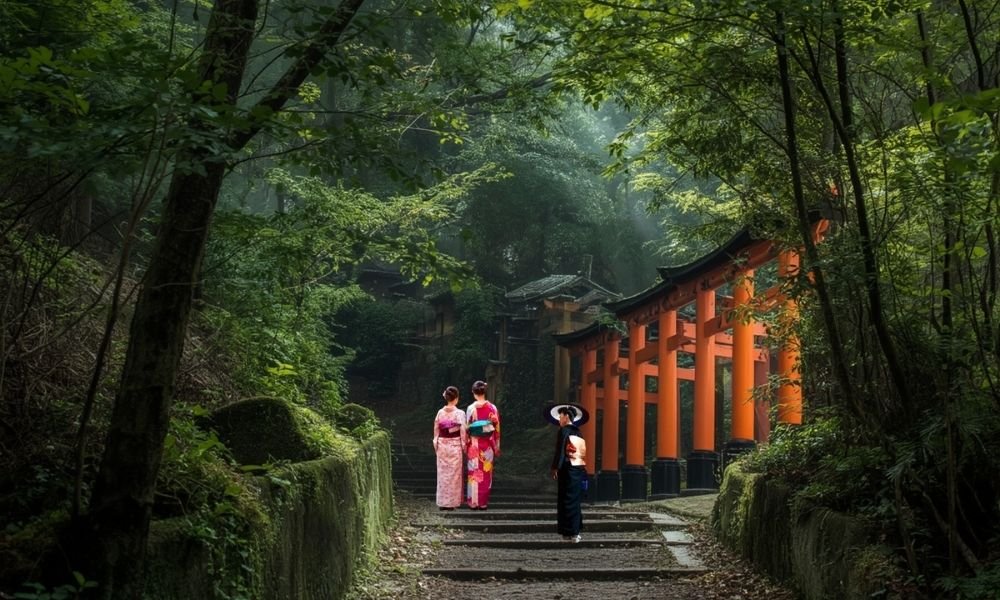
These start before dawn, often before 6am, and combine the shrine’s history (it’s dedicated to the Shinto god of rice and prosperity, hence the fox statues and thousands of donated torii gates) with the genuine payoff of having the upper mountain paths nearly empty.
Arashiyama plus the bamboo grove half-day tours cover the western side of the city, mixing the famous bamboo path with the Tenryu-ji temple grounds and often a stop at the Togetsukyo Bridge.
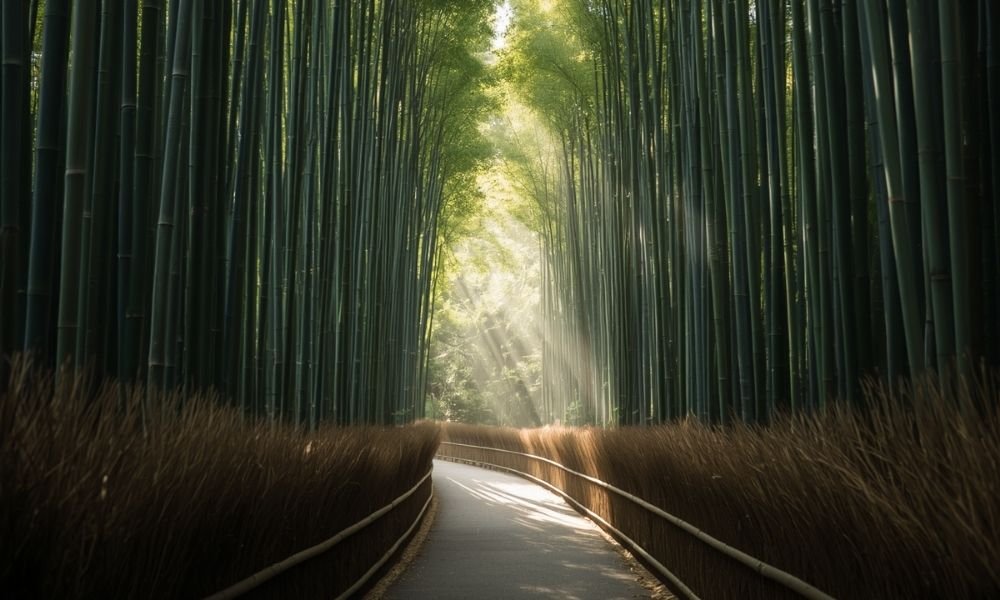
This is the one stretch where a guide arguably adds the least, since the bamboo grove is, again, visually self-explanatory, but the temple history and the surrounding garden context are easy to miss without one.
All three types are easy to find on GetYourGuide and Viator once you know what to search for, and a handful of specific, well-reviewed options for each are listed further down in this guide.
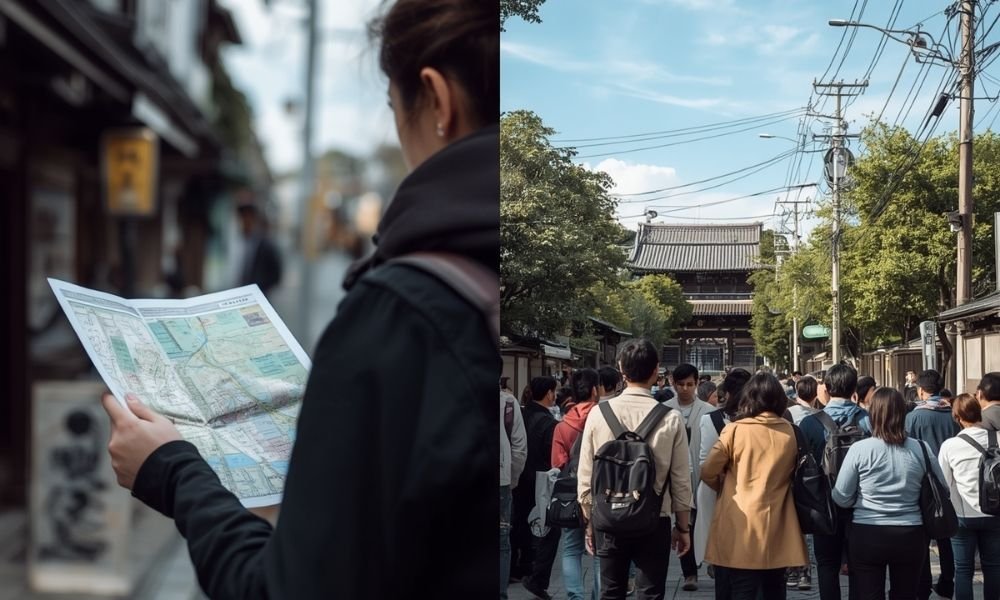
Self-Guided vs Paid Walking Tour: Kyoto
| Self-Guided | Paid Walking Tour | |
|---|---|---|
| Cost | Free aside from transit | Roughly $30 to $70 per person |
| Time required | Full day if covering all three areas | 2 to 3 hours per tour |
| What’s included | Nothing, you’re on your own | Etiquette guidance, history, local timing tips |
| Best for | Temple circuit, Arashiyama, photographers wanting flexibility | Gion, Fushimi Inari sunrise, first-time visitors |
| Risk of etiquette mistakes | Higher, especially in Gion | Low, guide actively prevents them |
| Group size | Just you | Usually 6 to 15 people |
Neither side of this table is the objectively better choice. The self-guided route saves money and gives you total control over pacing, which matters if you’re the type who wants to sit somewhere for forty minutes just because the light is nice. The paid tour trades that flexibility for context and, in Gion specifically, a real layer of protection from making a mistake you’d genuinely regret.
Which One Should You Pick?
The clearest case for at least one paid tour, ideally the Gion evening walk, is a first-timer who wants context on everything they’re seeing. That’s where the stakes for getting it wrong are highest.
- Solo travelers on a budget can reasonably do the whole circuit self-guided, as long as they spend fifteen minutes beforehand reading up on basic shrine and Gion etiquette rather than figuring it out in real time.
- Photographers chasing specific light and angles are usually better off going alone. Tour groups move on a schedule that doesn’t bend for someone who wants twenty more minutes at one torii gate.
- Families with kids tend to do better with a guide for at least the temple portions, mainly because it keeps pacing realistic and fields the inevitable stream of kid questions that a parent juggling a map can’t always manage.
Someone who only has a half-day should skip trying to do all three areas entirely and instead book a single focused tour, Fushimi Inari sunrise being the strongest single pick, since it solves both the time problem and the crowd problem in one move.
Top-Rated Kyoto Walking Tours Right Now
If you’ve decided a guide is worth it for at least part of your trip, here’s where to start looking. These are pulled from current listings on GetYourGuide and Viator, covering the three tour types laid out above.
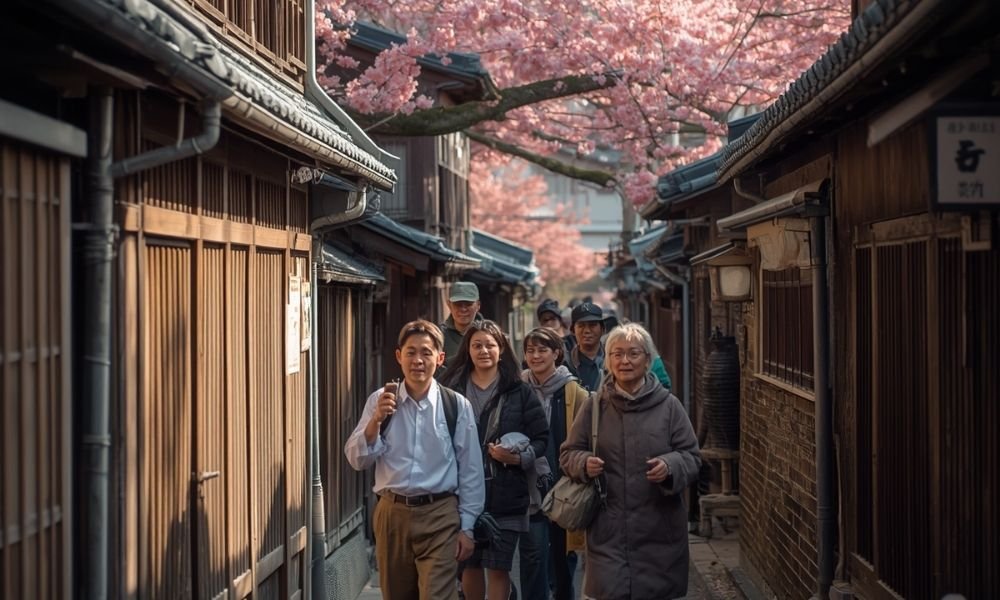
When you are ready for Gion in the evening, the Night Walk in Gion: Kyoto’s Geisha District on GetYourGuide is one of the longest-running options in the district, with a guide walking you along the canal-side streets while explaining geiko and maiko history in plain terms. If you’d rather keep the group small, the Night Owl Walking Tour of Gion caps groups at eight people and deliberately steers away from the busiest corners to keep the experience closer to what the neighborhood actually feels like at night.
For Fushimi Inari, the Early Morning Fushimi Inari Shrine: Beat the Crowds tour on GetYourGuide does exactly what the name promises, a guide meets you at the shrine entrance before the day buses arrive and walks the upper paths with you while they’re still close to empty. If sunrise feels like too early a start, the same operator also runs a hidden-trail version later in the day that swaps the main torii tunnel for quieter forest routes higher up the mountain.
Ready for Arashiyama, the Half Day Kyoto Sagano Bamboo Grove & Arashiyama Walking Tour on Viator covers the bamboo grove, Tenryu-ji Temple, and the quieter Jojakko-ji Temple in one outing, finishing at the Togetsukyo Bridge, and it includes entrance fees so there’s no separate ticket juggling on the day.
Morning slots for Fushimi Inari sunrise tours tend to book out first in peak season, particularly spring and autumn, so it’s worth reserving a few days ahead rather than trying to walk up.
Before You Go: Etiquette and Practical Notes
A few rules are worth knowing regardless of which route you take.
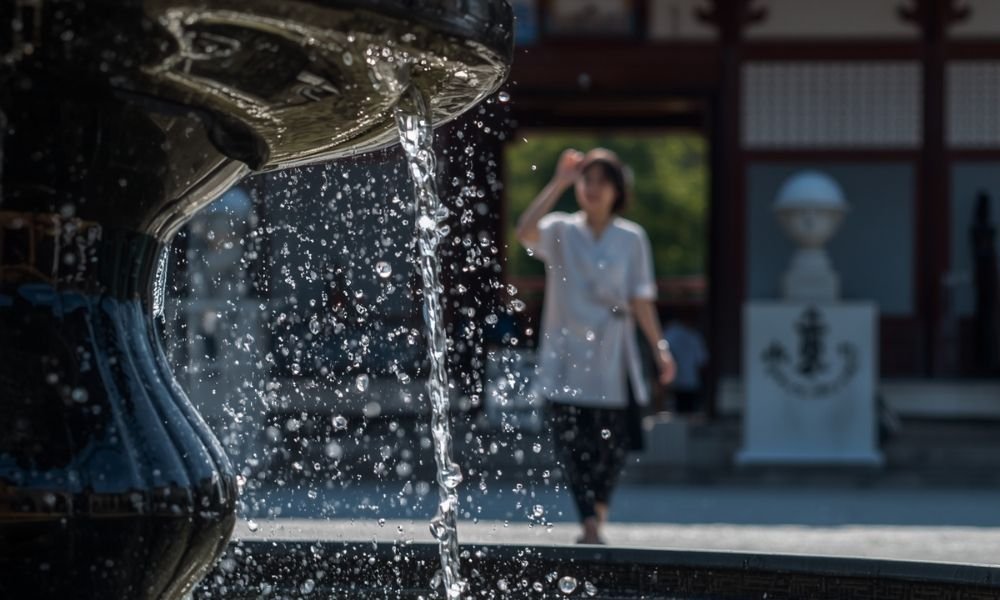
Shrine and temple basics: at the purification fountain near most shrine entrances, rinse your left hand, then your right, then your mouth, using the ladle provided, before approaching the main hall.
At Shinto shrines specifically, the common pattern at the main hall is two bows, two claps, then a final bow. You’re not expected to get this perfect as a visitor, but making the attempt is noticed and appreciated.
Gion photography rules: This is the one that catches people out most often, and it’s worth being precise about. Kyoto’s local council, alongside the Gion Kobu Tea Houses Association and other resident groups, has asked visitors not to stop, touch, follow, or photograph geiko and maiko without permission while they’re walking through the district.
And the city has formally asked guides to inform their guests of this beforehand to protect both visitors and residents.
Private alleys in the southern part of Gion now carry fines for unauthorized photography. The safe approach is simple: if you see a geiko or maiko on the street, let them pass, don’t block their path, and if you want a photo, take it from a respectful distance rather than approaching.
If you want the full, current rules straight from the source, see Kyoto’s official guidance on Gion etiquette, published by the city’s tourism authority alongside the local Gion councils.
Footwear matters more than people expect. Between Fushimi Inari’s mountain paths, the stone streets of Higashiyama, and the general amount of walking a full day covers, this isn’t a sandals city. Bring shoes you’ve already broken in.
Where to Stay for Easy Access to These Walks
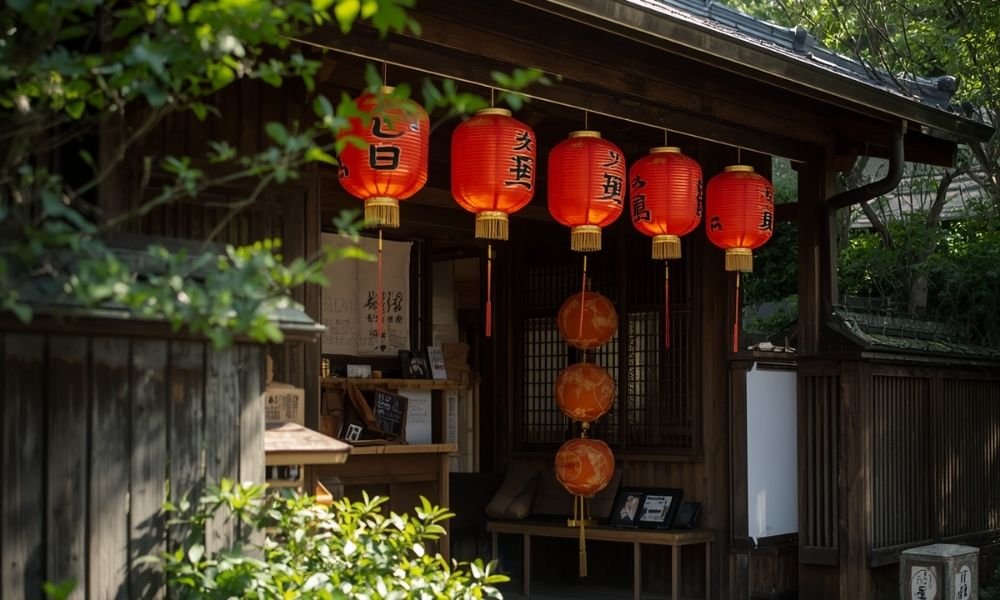
Staying in Gion or Higashiyama puts you within walking distance of Kiyomizu-dera, the Sannenzaka and Ninenzaka streets, and Gion itself, which matters most if you’re planning to catch the evening atmosphere without a long trip back to a hotel afterward. It’s also the most atmospheric base, with traditional machiya-style guesthouses common in the area.
Staying near Kyoto Station is the more practical choice if you’re also planning day trips outside the city, since it’s the hub for trains heading toward Nara, Osaka, or further out, and Fushimi Inari is a short ride directly from the station itself.
Both areas have a wide range of options from budget guesthouses to traditional ryokan, and booking a few months ahead is worth it during cherry blossom and autumn foliage season, when the best-located places sell out first.
FAQ
Is a walking tour in Kyoto worth it?
For Gion and Fushimi Inari, yes, mainly for the etiquette guidance and local timing knowledge that’s hard to replicate on your own. For Arashiyama and the general temple circuit, it’s a nice-to-have rather than a necessity, since those sights are easier to appreciate without much context.
Is Kyoto walkable without a tour?
Largely yes. The main sights are well connected by train and bus, signage is reasonably good in English, and the major landmarks don’t require explanation to be appreciated. The gaps are cultural rather than logistical, mainly around Gion etiquette and temple customs.
What’s the best time of day for a Kyoto walking tour?
Early morning, generally before 8am, for Fushimi Inari specifically, since crowds build fast after that. Late afternoon into early evening works best for Gion, when the light softens and the district’s atmosphere picks up. Midday is the least forgiving window almost everywhere in the city during peak season.
Is it rude to take photos in Gion?
Photographing the streets and buildings is fine. Photographing geiko or maiko without permission, particularly in the district’s private alleys, is against local rules and can carry a fine. The safest approach is to admire from a distance and avoid approaching or blocking anyone’s path.
Do I need to book Kyoto walking tours in advance?
For sunrise tours and anything during spring or autumn peak season, yes, ideally a few days ahead. Afternoon and evening Gion tours tend to have more availability closer to the date, but popular ones still fill up during busy months.
Want the structured version of this sorted before you land? Compare current Gion and Fushimi Inari walking tour options on GetYourGuide and Viator.
Still mapping out the rest of your trip? The 3 days in Kyoto itinerary covers how this fits alongside Nara and Osaka day trips, and the Fushimi Inari skip the line tickets post breaks down whether early entry passes are worth it on top of the early arrival strategy covered here.
Note before you go: some of the links in this post are affiliate links. If you click through and book a tour, ticket, or hotel, I may earn a small commission. It costs you nothing extra and it helps keep honest travel guides like this one free. I only link to things I would actually book myself.