A 3 days in Kyoto itinerary first time visitors usually overcomplicate is actually pretty straightforward once you accept one thing: Kyoto rewards early risers and punishes everyone else.
Three days is enough to cover Fushimi Inari, the Higashiyama temple district, Gion, and Arashiyama without sprinting, but only if you do Fushimi Inari at sunrise and book any Arashiyama add-ons before you land. It gets tight if you also want a half-day in Nara, however that is better as a fourth day or if possible to skippe entirely.
This plan assumes you arrive on day one with a full day ahead and leave on day three in the evening. No airport transfer chaos built in. Just three straight days of walking, eating, and deciding whether another temple is worth the stairs.
Let me tell you what I have learned from twelve years of sending people to Kyoto and watching them either love it or wish they had planned better. The city is old, beautiful, and completely overrun by mid-morning.
The difference between a great trip and a frustrating one is usually about ninety minutes of wake-up time.
I know that sounds dramatic. It is not. I have stood in the bamboo grove at 8am with maybe twenty other people and I have stood there at 10am with what felt like the population of a small country. Same grove. Different experience entirely.
So this itinerary is built around early starts, honest food recommendations, and permission to skip things that do not interest you. Because not everyone needs to see every temple. And some of them blur together after a while anyway.
Before You Arrive, Quick Planning Checklist
Get an ICOCA card at the airport. It works on trains, buses, and most convenience stores now. The system has expanded since 2024. You load it with money and tap.
Simply book any Arashiyama bamboo grove or rickshaw add-ons before you arrive if you want them. The rickshaw rides are easily fill up by mid-morning and the bamboo grove does not require a ticket but the surrounding activities do. Know that most temples close their main halls by 4 or 5pm.
But the grounds stay open later sometimes but the indoor stuff shuts down early. Comfortable shoes are not a suggestion. Kyoto has hills, stairs, and cobblestones that will remind you of every joint you have ever taken for granted.
I walked fourteen miles during my last three-day trip to Kyoto, and my feet were definitely not thanking me by the end of it. Before you arrive, it’s worth reading the Fushimi Inari tickets guide because a lot of first-time visitors assume they need to reserve something in advance. You don’t.
The shrine is free to enter, but knowing that ahead of time saves you from unnecessary planning. I will also recommend reading the Best Walking Tour in Kyoto for First-Time Visitors, if you’re considering an evening tour through Gion. I have done both the free and paid versions, and there are some clear differences that most guides never talk about.
All key stops across 3 days in Kyoto — Fushimi Inari, Higashiyama, Gion, Arashiyama, and more
Day 1 — Fushimi Inari at Sunrise, Then Higashiyama
Early morning (5:30-8am): Fushimi Inari Taisha
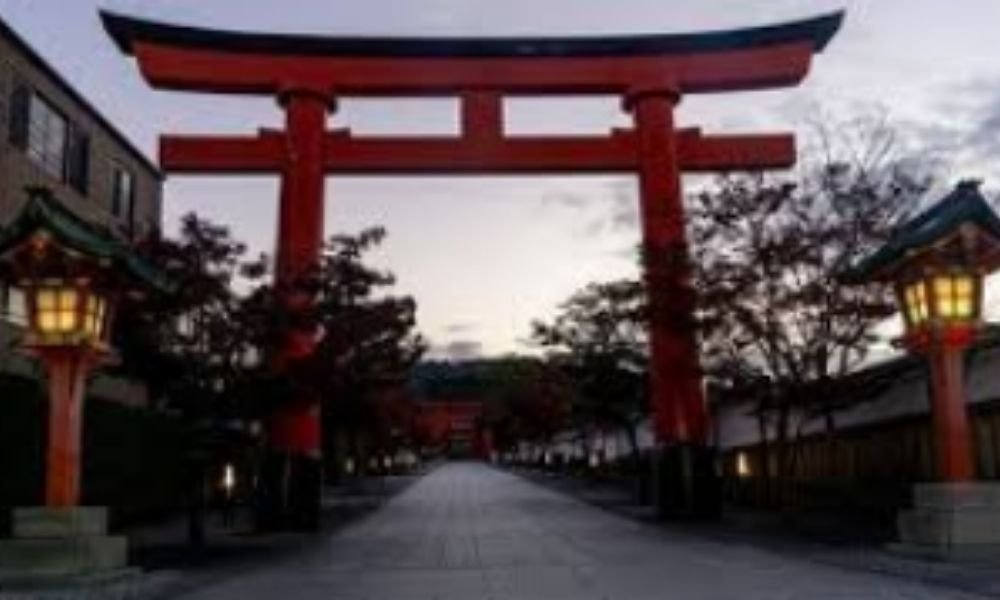
Set your alarm for 5am. I am sorry. But here is the tradeoff: you will walk through the torii gates with the sun coming up, the air still cool, and almost no one else around. By 8am the crowds start arriving from Kyoto Station.
By 9am you are shuffling behind tour groups. The shrine is open 24 hours. There is no ticket. You just walk up the mountain path through the thousands of orange gates and decide how far you want to go. Most people turn around at the halfway point where you get a view over the city.
That is fine. Going all the way to the top takes another hour and the view is not substantially better. I have done both. I usually stop at the halfway point now unless I have something to prove. The sound of the wind through the trees and the occasional bell from a small shrine along the path is the sensory detail I remember most.
It is quiet in a way central Kyoto never is. The Fushimi Inari Skip the Line Tickets: Do You Even Need Them?covers the ticket question directly because people ask me constantly. You do not need one. You do not need a guide either unless you want historical context.
Actually, forget that, if you want historical context, get the audio guide on your phone for a few dollars. The human guides are fine but overpriced for what is essentially a walk up a hill.
Midday (10am-2pm): Kiyomizu-dera, Sannenzaka, Ninenzaka, lunch
Take the train back toward Kyoto Station and then the bus to Kiyomizu-dera. Or take a taxi if your legs are already complaining. The temple sits on a hill and the main platform juts out over the trees with a view that justifies the climb.
The wooden stage was built without nails. That is the fact everyone repeats. The less repeated fact is that it gets uncomfortably crowded by 11am so you want to be there by 10. Walk through the temple, look out over the city, and then descend toward Sannenzaka and Ninenzaka.
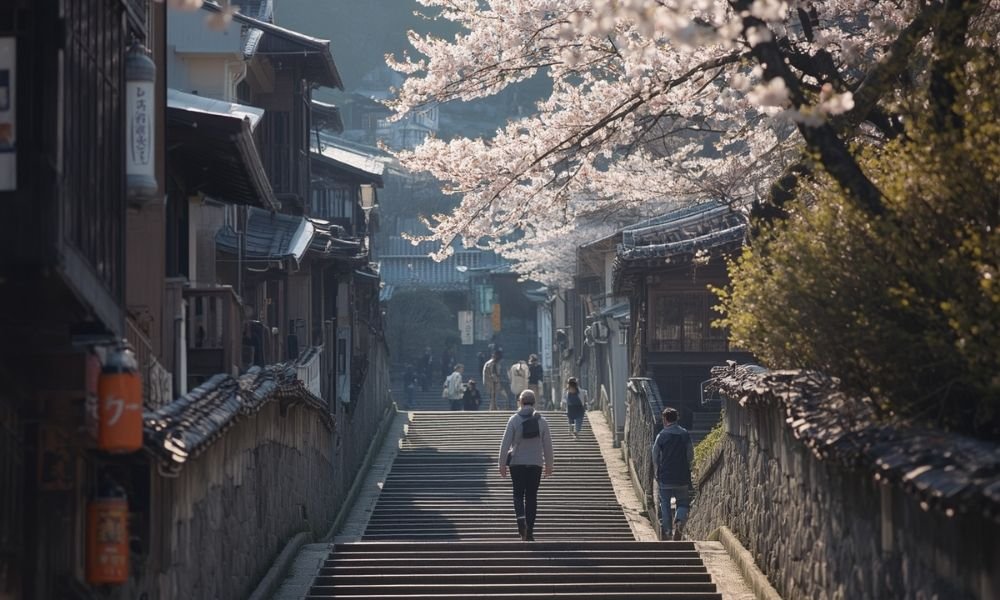
These are the preserved streets with old wooden buildings, shops selling pickles and ceramics, and matcha ice cream stands every few meters. The streets are steep. Your calves will feel it. One specific sound I remember is the rhythmic clack of wooden geta sandals from the occasional local or tourist who committed to the aesthetic. Most people give up after twenty minutes and switch back to sneakers. Smart.
For lunch, find a soba place on a side street off the main path. The main street places are overpriced and average. The side street ones have lines but they move fast. Cold soba with dipping sauce, warm soba in broth, or a set with rice and pickles.
Eat, rest your feet, and accept that you will not find a bad meal in this area if you avoid the places with English menus on giant boards outside.
Afternoon/evening (3pm-9pm): Gion district, optional evening walking tour, dinner
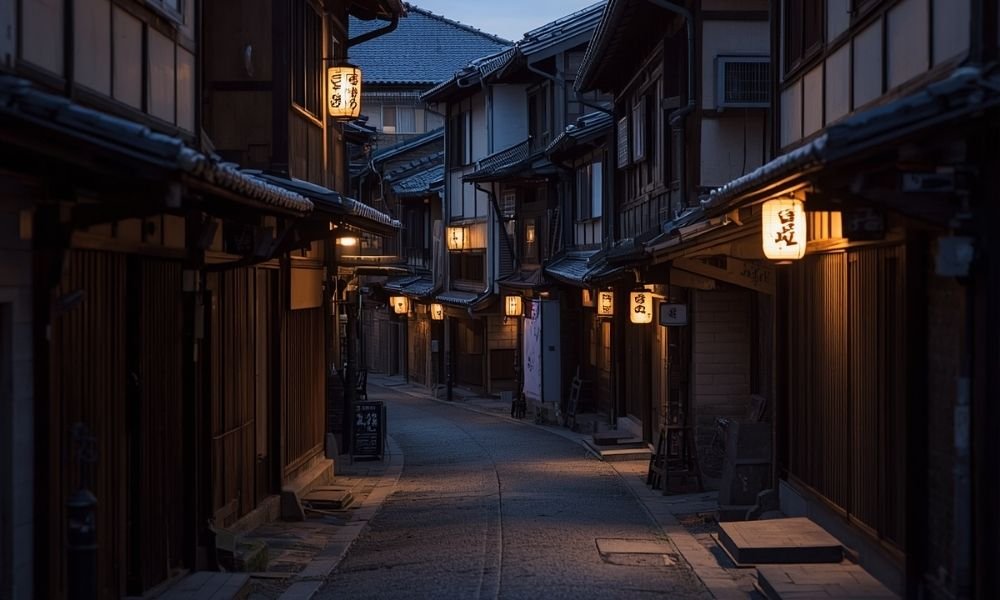
Head down toward Gion in the late afternoon. This is the geisha district with the old wooden machiya houses and narrow lanes. You might see a geiko or maiko walking to an appointment in the early evening or you might not. The key is to look but not stare, and definitely do not block their path with your phone. The streets around Hanamikoji are the main drag. Walk them once, then take the smaller side streets. They are quieter and more atmospheric.
If you want a guided walk, Check my other post best walking tour in Kyoto for First time visitors breaks down the free versus paid options. I have taken the free walking tour and it was good for orientation but shallow on history. The paid evening tour was better for culture and geisha district context but cost about forty dollars. Depends what you want. If you are tired, skip the tour and just wander. That is what I do most trips now.
For dinner, look for an okonomiyaki place, also the small izakaya is great too. The okonomiyaki is a savory pancake with cabbage, pork, seafood, whatever you choose, cooked on a griddle in front of you. The texture is crisp on the outside and soft inside. Eat it with a beer and accept that you’ll probably smell like the grill for the rest of the night. Worth it.
If you’re the type of traveler who enjoys understanding what you’re looking at instead of simply walking past it, consider booking a Gion evening culture tour. A good guide can explain the traditions around geiko and Kyoto’s historic teahouses in a way that’s difficult to piece together by yourself.
And if the logistics of a 5:30 a.m. start at Fushimi Inari sound more stressful than exciting, I’d also look at a Fushimi Inari sunrise guided tour at getyourguide. It’s one of those experiences where letting someone else handle the details can actually make the morning more enjoyable.
Day 2: Arashiyama and Western Kyoto
Morning: Bamboo Grove early, Tenryu-ji
Another early morning. The bamboo grove opens to the public at all hours but the ideal time is 6:30 to 7:30am. I have been there at 6:45am on a Tuesday in October 2025 and had the path almost to myself. I have been there at 9am on a Saturday and could barely move.
The difference is staggering. The bamboo stalks are tall and green and they sway in a way that makes a rustling sound like rain. That is the sensory detail. The sound of bamboo moving against bamboo.
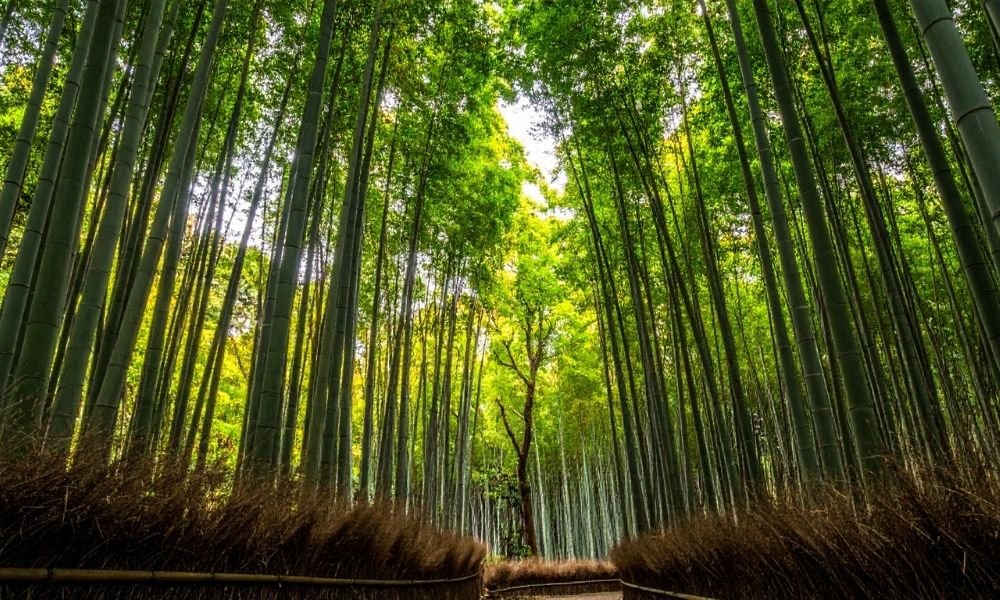
It is almost musical. Walk the main path through the grove, take the side path up to the observation point if you want a view over the city, then head to Tenryu-ji before the crowds arrive.
Tenryu-ji is a Zen temple with a garden designed in the 14th century. The garden is the main draw. A pond, carefully placed rocks, moss, and a view of the hills beyond.
The temple building itself is fine but the garden from the veranda is one of the better sights in Kyoto. Actually, forget that, the garden is the best part of this entire area. Skip the temple interior if you are templed out and just pay the garden entrance fee. Save the money and the time.
Midday: Togetsukyo Bridge, riverside lunch, optional rickshaw ride
Walk from Tenryu-ji to the Togetsukyo Bridge. The bridge crosses the Katsura River with a view of the hills on both sides. The water moves fast and the mountains are green. It is a good spot for a photo. The bridge itself is not ancient. It has been rebuilt several times. But the setting is pleasant.
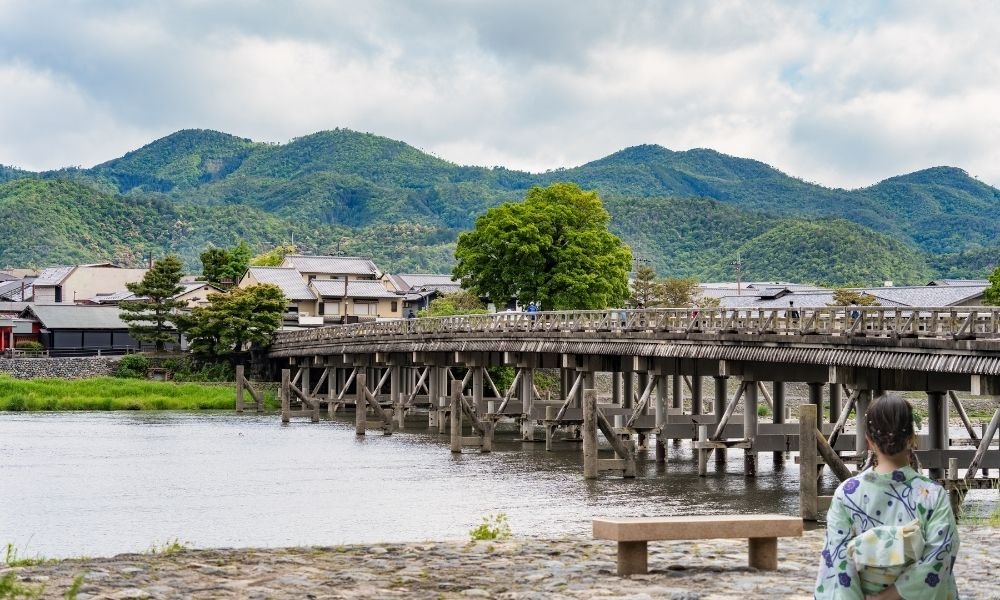
For lunch, eat along the river. There are small restaurants with outdoor seating where you can watch the water and the boats. Grilled river fish, tofu dishes, or soba. The tofu in this area is famous because the water quality is good. I do not fully understand the science but I trust the locals. If you want a rickshaw ride, this is the area to do it.
The rickshaw drivers are incredibly fit, knowledgeable, and, yes, expensive. It’s a fun experience if it’s been on your Kyoto wish list, but I wouldn’t consider it essential.
If you’d rather bundle a few attractions together without having to think about train schedules and timing, an Arashiyama half-day guided tour, is an easy option since it usually combines the Bamboo Grove, Tenryu-ji, and the Monkey Park into one itinerary.
There’s also a Bamboo Grove and Monkey Park combo tour via viator, if those are the two places you’re most interested in and you prefer a shorter, more focused experience.
But if the logistics don’t bother you, I’d honestly skip both and simply walk. Arashiyama is one of the easiest parts of Kyoto to explore independently, and you’ll see many of the same places while saving yourself around fifty dollars.
Afternoon: Monkey Park or Okochi Sanso Villa
The Monkey Park is across the river on the other side of the bridge. It is a twenty minute uphill walk to a small enclosure where Japanese macaques roam free. You can feed them from a cage. They are entertaining but it is a zoo-like experience.
The view of Kyoto from the top is excellent. Okochi Sanso Villa is the alternative. It was a film actor’s estate and the garden is extensive with walking paths, tea houses, and views over the city. It costs about a thousand yen and includes a bowl of matcha and a sweet.
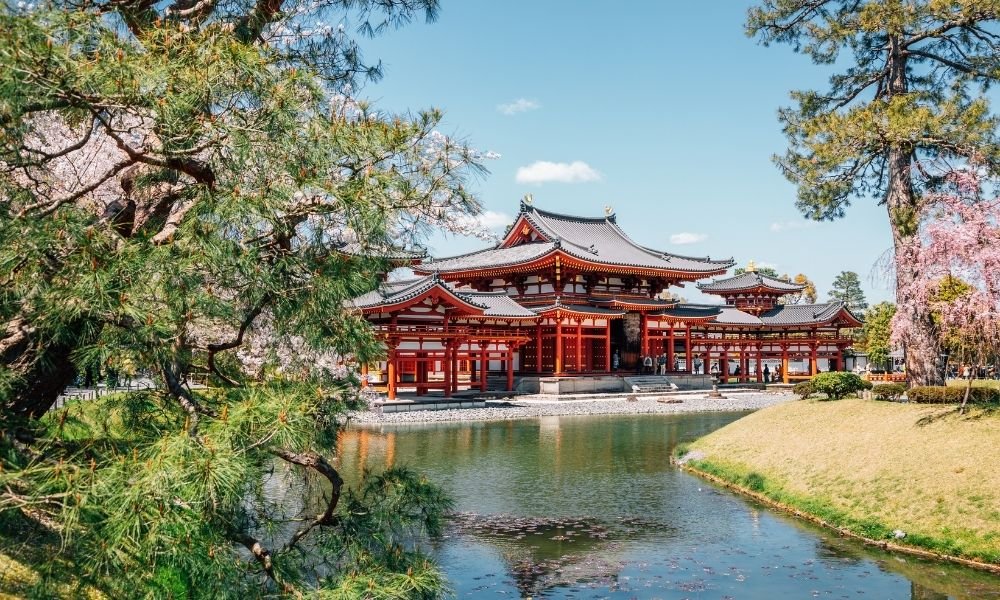
The crowds are smaller than the monkey park. I usually recommend the villa unless you have children who need the monkeys. The villa feels more like a real Kyoto experience and less like a tourist attraction.
Evening: back to central Kyoto, Pontocho Alley for dinner
Take the train back to central Kyoto. Pontocho Alley is a narrow lane along the river with restaurants packed into old wooden buildings. It is atmospheric at night with lanterns and the smell of grilled meat and fish. Find a place that serves yakitori.
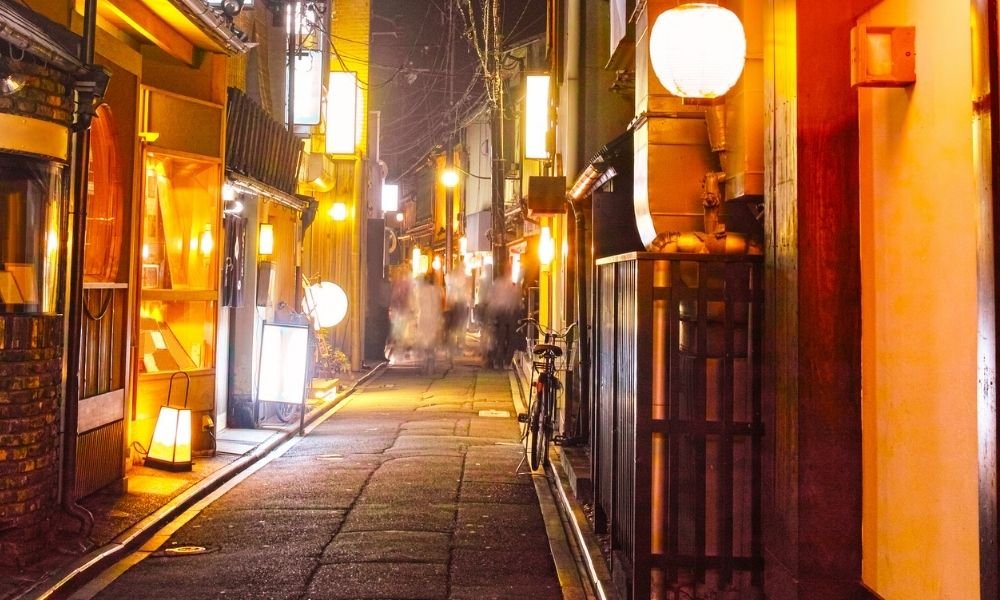
The skewers come out hot with sauce. Chicken thigh, chicken skin, pork belly, and vegetables. Eat them, drink sake or beer, and listen to the river through the open windows. The alley is narrow and the buildings lean toward each other. It feels older than it probably is.
Day 3: Nijo Castle, Philosopher’s Path, and Flexible Time
Here is where you make a choice. Day three energy varies. Some people are still running on adrenaline. Others are ready to sit in a cafe and watch the city move past them. Both are fine.
Track A (still want sightseeing): Nijo Castle, Philosopher’s Path, Ginkaku-ji
Nijo Castle opens at 8:45am. Get there early. The castle was the residence of the Tokugawa shoguns and the nightingale floors are the feature. The floors squeak when you walk on them. It was a security measure to prevent assassins.
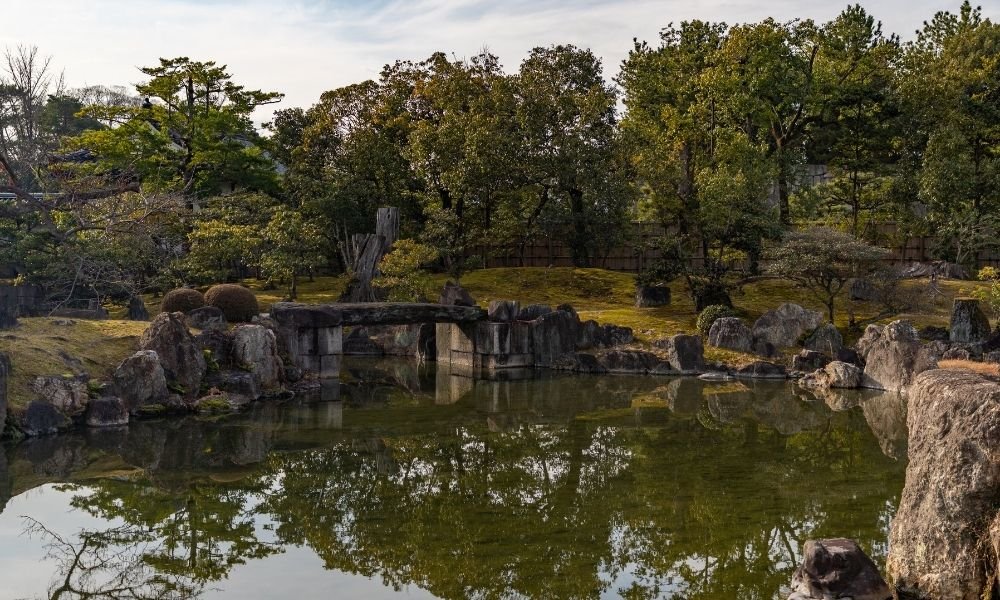
You can hear the squeaking in videos and it is exactly that annoying in person. But it is historically interesting. The castle grounds are large and the gardens are well maintained.
After Nijo, take the bus to the Philosopher’s Path. This is a walk along a cherry-tree-lined canal from Ginkaku-ji to Nanzen-ji. The path is about two kilometers. In late March and early April the cherry blossoms are spectacular. In October or November, it is still pleasant but less visually striking.
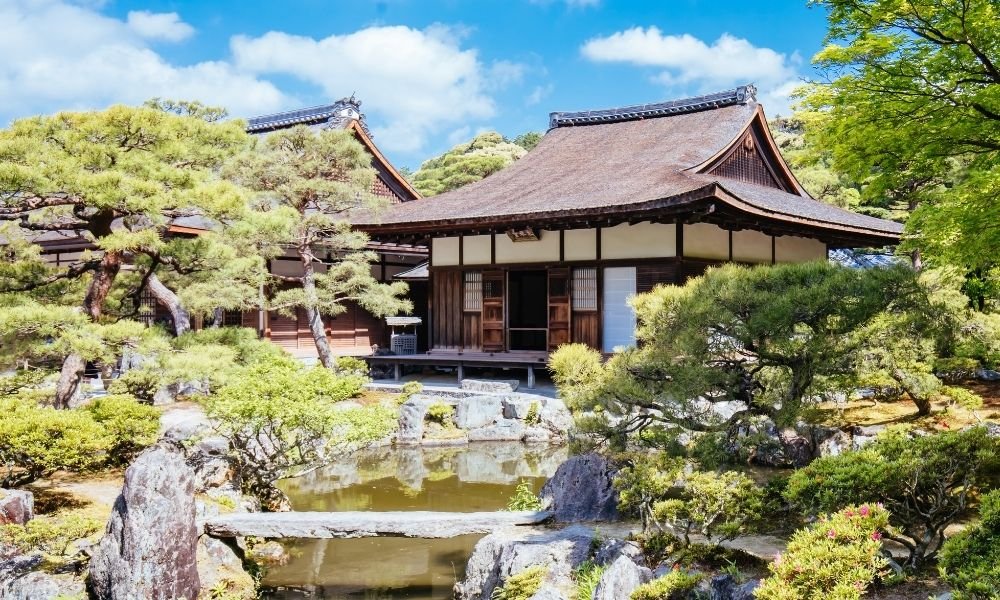
I walked it in mid-November last year and it was fine but the leaves were mostly gone. The path goes past small shrines, cafes, and temples. Ginkaku-ji is the Silver Pavilion at the northern end. It is not actually silver. The name refers to an unrealized plan to cover it in silver leaf. The garden is worth the entrance fee. The moss garden and the sand garden are both well done.
Track B (slower pace): Nishiki Market, tea ceremony, free time
Nishiki Market is a covered food market in central Kyoto. It opens around 9am. Walk through and eat your way along the stalls. Pickles, grilled seafood, skewers, and sweets.
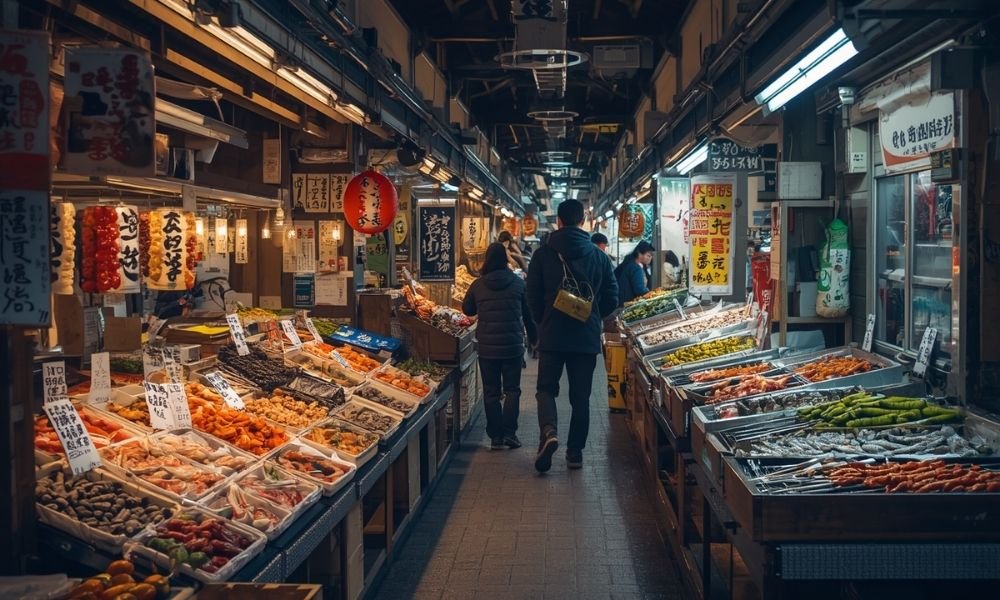
The market is narrow and busy. It isn’t a place to linger. It’s a place to eat, keep moving, and accept that you’ll probably buy one snack you weren’t planning on.
After the market, this is a good time to book a tea ceremony experience [BOOKING LINK]. Most include a traditional matcha ceremony, and some offer an optional kimono experience if that appeals to you.
Of all the activities in Kyoto, this is the one I recommend most confidently. It’s one of the few experiences that’s genuinely hard to do well on your own because so much of it depends on having someone there to explain the meaning behind what you’re seeing.
A ceremony usually lasts about an hour and includes the preparation and drinking of matcha in a formal setting.
The rest of the afternoon is free. Go back to Gion, sit in a cafe, or visit a smaller temple that caught your attention earlier.
Where to Stay for This Itinerary
Gion and Higashiyama are the atmospheric choices. You walk out your door and you are in the old city. The streets are narrow and the buildings are traditional.
The downside is transit access. Buses are your only option from Gion and they are often crowded. Kyoto Station area is the practical choice. The train and bus connections are easy. The hotels are newer and cheaper.
The atmosphere is less distinctive. Kawaramachi and Pontocho are the food and nightlife areas. You are close to good restaurants and bars but you sacrifice the historical feel. For your first visit, I would choose Gion if you want the experience and can handle the buses.
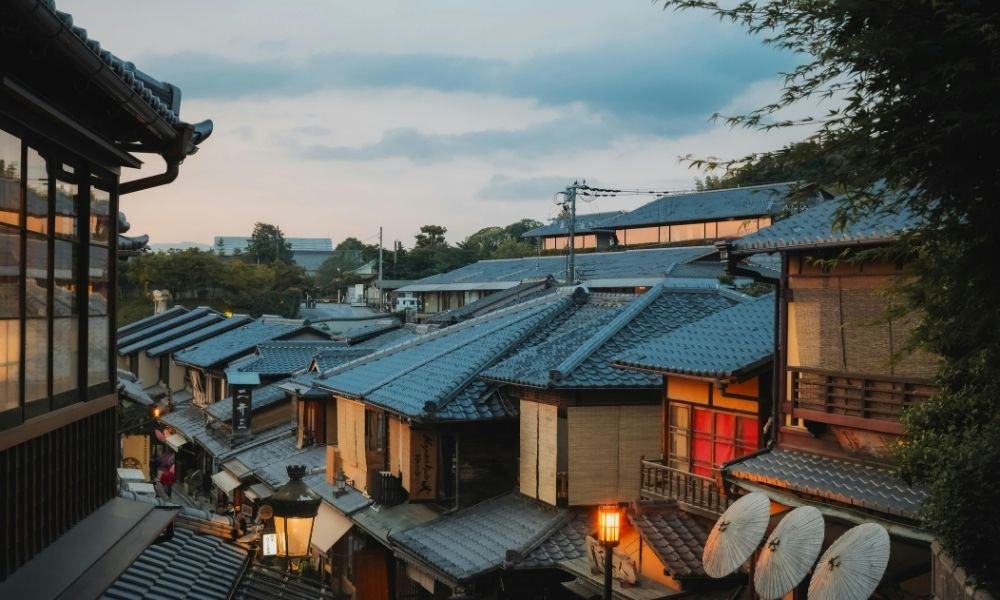
Choose Kyoto Station if you are on a budget or want easier logistics. I have stayed in all three and I would pick Gion for a first timer because the morning walks are worth the transportation hassle.
Getting Around Kyoto: Bus, Train, and When to Just Walk
The ICOCA card works on everything. Load it with two thousand yen to start and top up as needed. The bus system is the most confusing part of Kyoto. The routes are not intuitive and the stops are announced in Japanese first. Use Google Maps for bus directions and it will tell you which bus and which stop. The subway is simpler but covers less of the city.
The train is useful for Arashiyama and Fushimi Inari. For most of the Higashiyama and Gion area, walking is faster than waiting for a bus. The distances look far on a map but they are manageable on foot if you are reasonably fit.
I walked from Kiyomizu-dera to Gion in about twenty five minutes. The bus would have taken fifteen if I caught it immediately. Anyway the walk was more pleasant.
Before You Go: Money, Etiquette, and Travel Insurance
Cash is still common. Many restaurants and small shops do not take cards. Withdraw ten thousand yen at the airport and see how far it goes. Tipping is not a thing. Do not do it. It confuses people. Bowing is customary but a nod works. Remove your shoes when entering temples, homes, and some traditional restaurants. The rule is usually obvious.
If you see a step up and a shoe rack, take your shoes off. According to the Japan National Tourism Organization, over 36 million international visitors came to Japan in 2025, and the crowding in Kyoto is significantly worse than it was in 2019.
The numbers keep climbing each year and 2026 is shaping up to be even busier. I do not know how much longer the city can absorb these crowds before it starts to degrade the experience.
Travel insurance covers the things you do not think about until they happen. A train delay, a lost wallet, a sprained ankle on the Fushimi Inari stairs. SafetyWing is what I use for short trips because it is affordable and easy. One paragraph. That is the pitch.
Budget Breakdown for 3 Days in Kyoto
| Category | Budget Traveler | Mid-Range | Comfortable |
|---|---|---|---|
| Accommodation (3 nights) | 12,000 yen (hostel/capsule) | 30,000 yen (mid hotel) | 60,000 yen+ (ryokan/design hotel) |
| Food (per day) | 2,000 yen (convenience stores + cheap eats) | 4,000 yen (mix of restaurants) | 6,500 yen+ (nicer meals + drinks) |
| Transport (per day) | 1,000 yen (ICOCA card, bus/train) | 1,300 yen (transit + occasional taxi) | 2,000 yen+ (taxi-heavy) |
| Attractions (temples/shrines) | 1,000 yen (2-3 temple entries) | 2,500 yen (4-5 entries + garden) | 5,000 yen+ (entries + guided tour) |
| Arashiyama add-ons | Skip or walk only | 1,000 yen (Okochi Sanso Villa) | 5,000-8,000 yen (rickshaw or guided tour) |
| Tea ceremony | Skip or cheaper option | 2,500 yen per person | 4,000-6,000 yen (kimono + ceremony) |
| Daily total estimate | 6,000-8,000 yen | 13,000-18,000 yen | 25,000-40,000+ yen |
The comfortable tier includes a guided tour, the tea ceremony, and nicer meals. The budget tier assumes convenience store breakfasts and cheaper restaurants. The honest number is that Kyoto has gotten more expensive since 2023.
The weaker yen attracts more visitors and the prices adjust upward. A bowl of ramen that cost 800 yen in 2023 now costs around 1,200 yen in 2026. Still reasonable but not the bargain it once was.
FAQ
Is 3 days enough time in Kyoto?
Three days covers the major sights without rushing if you follow an early-start strategy. It is not enough for a Nara day trip alongside everything else. That would require a fourth day or a very long and exhausting third day.
Should I visit Fushimi Inari at sunrise or during the day?
Sunrise, without question. The crowds during the day are heavy and the experience is completely different. The shrine is open all night and the early morning is the only quiet window.
What’s the best area to stay in Kyoto for 3 days?
It depends on your priorities. Gion gives you atmosphere and walking access to the eastern temples. Kyoto Station gives you convenience and cheaper hotels. Kawaramachi gives you food and nightlife. For a first timer, Gion is my pick despite the bus chaos.
Is Kyoto walkable or do I need public transit?
Central Kyoto is walkable for the Higashiyama area and Gion. Arashiyama and Fushimi Inari require a train or bus. You will use a mix of walking and transit. The bus is the most common but the train is faster when it works.
Can I do a Nara day trip in addition to 3 days in Kyoto?
You can but you should not. It would replace an afternoon of your planned itinerary and leave you rushed. Nara is worth a full day on its own. Save it for a future visit or add a fourth day.
Three days in Kyoto is a solid plan if you accept the early mornings and the walking. You will see the gates at Fushimi Inari in the quiet light, the bamboo grove before it becomes a corridor of selfie sticks, and the old streets of Gion when they still feel like something from another century.
You will eat well and you will be tired and you will probably skip something on this list because you found a better way to spend your time. That is fine. That is how travel works.
For more detail on the walking tours, check Best Walking Tour in Kyoto for First-Time Visitors: Free vs Paid Compared. For the Fushimi Inari ticket question that I know is still on your mind, Fushimi Inari Skip the Line Tickets: Do You Even Need Them has the answer. If you are ready to book something different, the tea ceremony experience is the one I would start with. Or the Arashiyama half-day tour if you want someone else to handle the bamboo grove logistics.
I have been doing this long enough to know that no itinerary survives contact with the traveler. You will adapt. You will find a small restaurant that is not in any guidebook. You will spend twenty minutes watching a cat on a temple wall. That is the trip you remember. This plan just gets you to the starting line.
Affiliate disclaimer: Some of the links in this article are booking links. If you use them, I earn a small commission at no extra cost to you. I only recommend things I have used or would use myself.