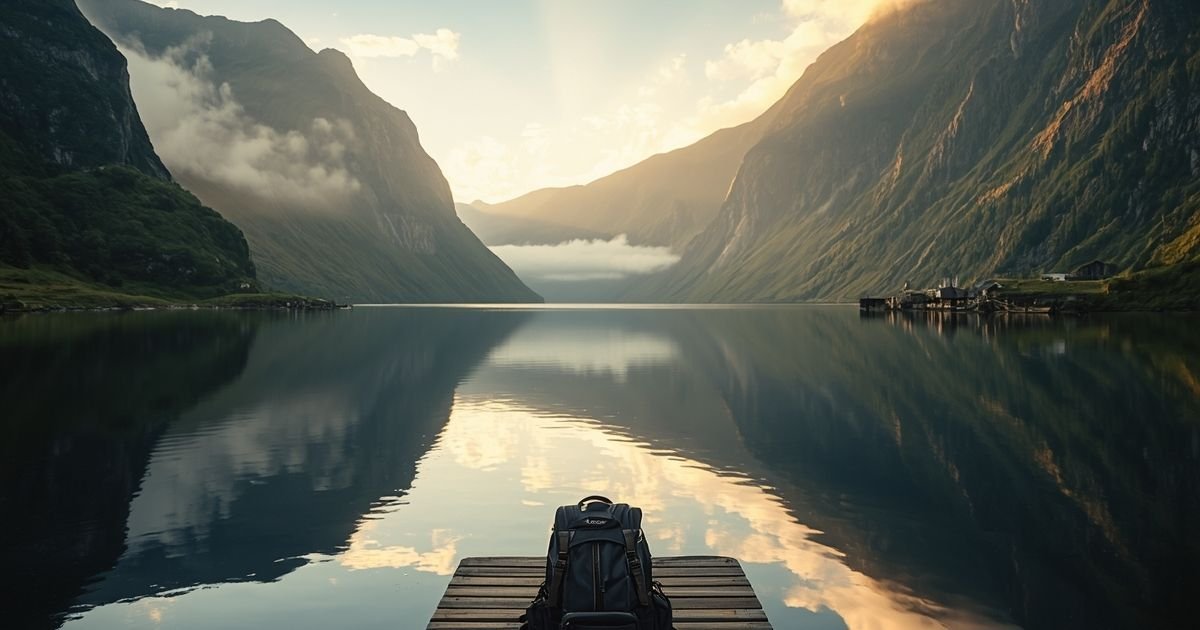
I still remember standing in Oslo’s Gardermoen Airport, overstuffed suitcase wedged between my knees, completely convinced I had packed everything I needed. Three hours later, I was soaked to the bone somewhere between a Bergen fjord and a bad decision, watching a local hiker glide past me in a sleek waterproof shell-like rain was simply not happening to her.
That was my expensive lesson in Scandinavian travel: looking prepared and actually being prepared are two very different things.
Whether you are dreaming of watching the Northern Lights Flicker across a Finnish sky, cycling through Copenhagen’s design-forward streets, hiking Norway’s jaw-dropping coastal trails, or disappearing into Sweden’s quiet pine forests, what you pack will either unlock those experiences fully or quietly sabotage them.
And right now, the whole world is paying attention. Norway, Finland, Denmark, and Sweden have slowly become the most searched travel destinations on Pinterest heading into 2026. The platform’s own trend data is pointing squarely at moody fairytale landscapes, slow nature escapes, and adventure-first itineraries, and all four of these Nordic countries deliver exactly that. People are not just dreaming about Scandinavia anymore. They are booking it.
We have written this guide for your complete, no-fluff answer to what you actually need to pack for any of these four countries, in any season, at any budget level. We will go country by country, season by season, and cover everything from the layering system that makes or breaks your comfort, to the small but mighty items most travel guides forget to mention.
By the time you finish reading, your packing list will make sense, not just as a list of things to buy, but as a perfect means to travel this part of the world the right way.
First, Let’s Talk About What You Are Actually Packing For

Let me come this way, Scandinavia is not one climate. It is not even two. It is a region where you can leave a warm Copenhagen cafe in a light jacket on a Tuesday and land in Tromso on Thursday and will needs thermal layers and a serious conversation with yourself about life choices.
Here is what each country actually is like on the ground.
Norway
They have always said that Norway is dramatic in every sense. The west coast, is home to the famous fjords, which gets significant rainfall year-round. The further north you go, the colder and more unpredictable the weather becomes. Summer in southern Norway can become warm and lovely. Summer above the Arctic Circle means the sun never sets, temperatures hover around 10 to 15 degrees Celsius, and the landscape is like something from a dream. Winter is cold, dark, and absolutely magical if you are chasing the Northern Lights.
Finland
Finland is the quietest of the four and arguably the most extreme in terms of seasonal contrast. Helsinki summers are soft and pleasant, hitting around 20 degrees Celsius with long, light-filled evenings. But Finnish Lapland in winter is a whole other world. Temperatures regularly drop to -20 degrees Celsius or lower, and the landscape turns into a snow-blanketed wilderness that Pinterest has been losing its mind over for good reason.
Denmark
Denmark is the most forgiving climate of the four. Copenhagen and the broader Danish countryside sit in a temperate zone, mild summers, cool winters, and rain that shows up unannounced throughout the year. You will not need heavy Arctic gear here, but you will absolutely need a waterproof layer and shoes that can handle cobblestones confidently.
Sweden
Sweden stretches so far north to south that it almost like two separate countries. Stockholm is cosmopolitan and manageable. Head north to Swedish Lapland and the rules change completely, matching Finland’s intensity in winter. The Swedish archipelago in summer is one of the most underrated travel experiences in all of Europe.
The single most important thing to understand: the weather changes fast, and it changes often. A single day in Norway can hand you sunshine, wind, rain, and a cold snap before dinner. The locals have a saying for this: there is no such thing as bad weather, only bad clothing. That philosophy is exactly where we start.
The Layering System: Your Most Important Packing Decision
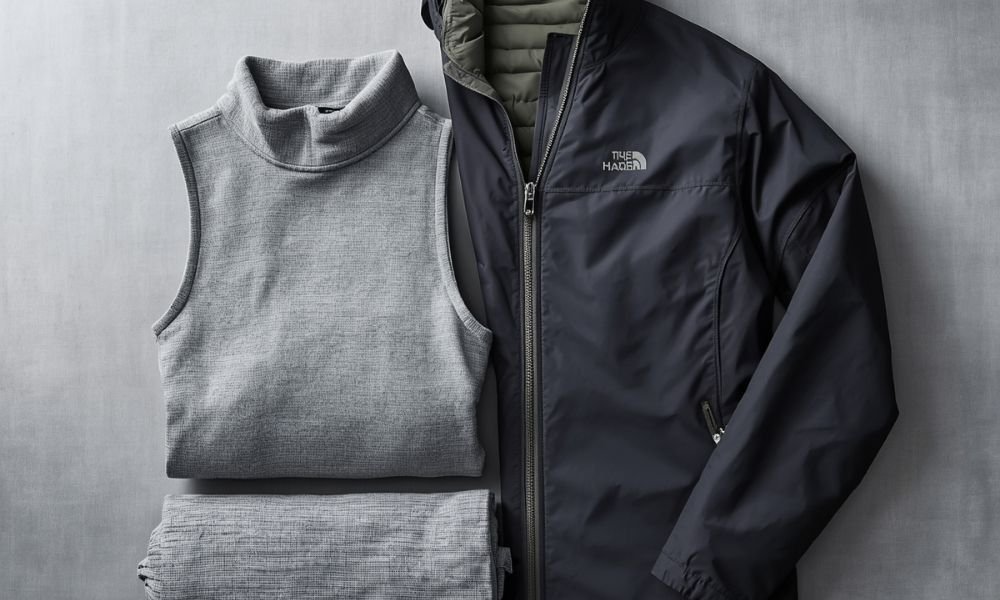
If there is one thing every experienced Scandinavian traveler will tell you, it is this: forget packing individual outfits. Pack a system instead.
The three layer system is not a fashion choice. It is the reason some travelers stay warm, dry, and comfortable across an entire two-week Nordic trip while others spend half their time cold, damp, and quietly miserable. Once you understand how it works, every clothing decision you make for this trip will click into place naturally.
The Base Layer: Your First Line of Defense

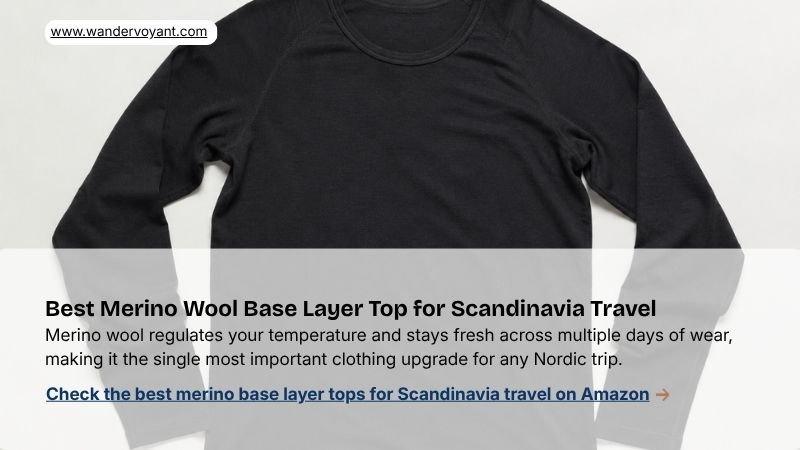
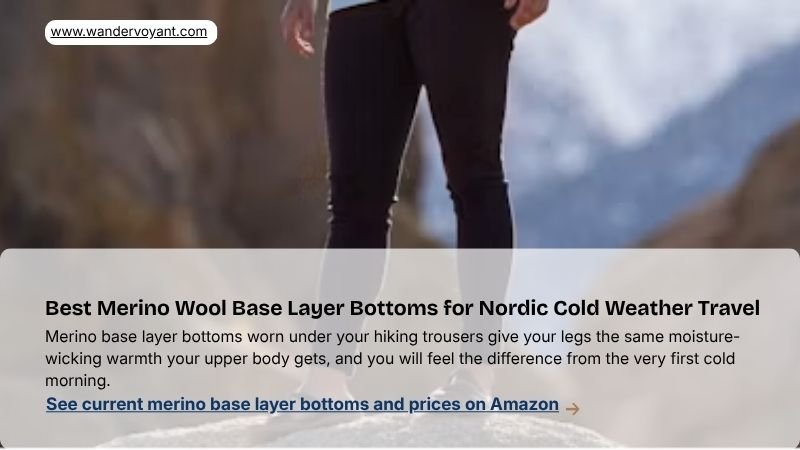
The base layer is the clothing sitting directly against your skin. Its job is to pull moisture away from your body and keep you dry from the inside out. Cotton is the enemy here. It holds moisture, takes ages to dry, and will make you feel clammy and uncomfortable within an hour of any real activity. Leave your cotton t-shirts at home or save them strictly for rest days.
Merino wool is what you want. It regulates your body temperature naturally, dries quickly, and has one life-changing bonus for multi-day travel: it does not smell after repeated wear. Pack two base layer tops and two pairs of base layer bottoms as your minimum.
The Mid Layer: Your Warmth Engine
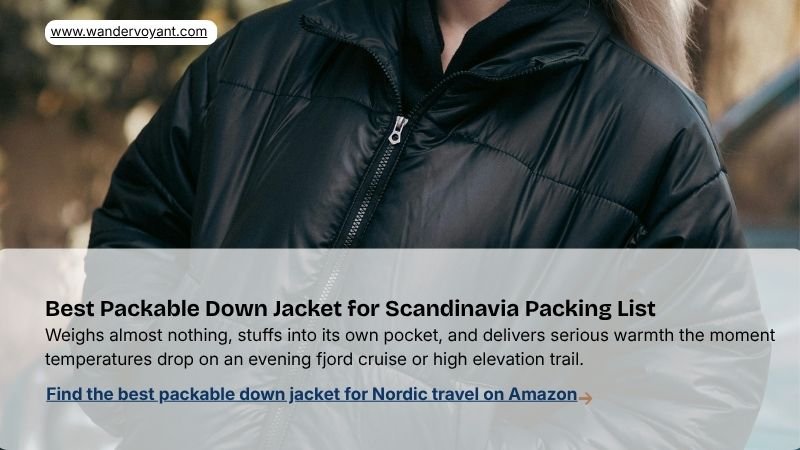
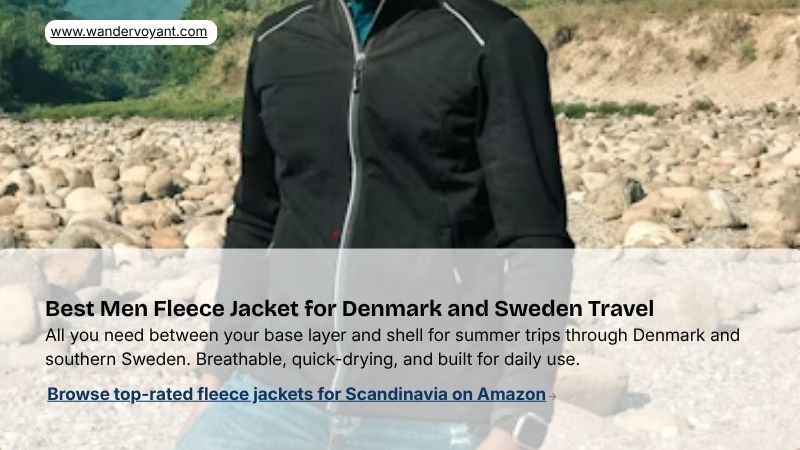
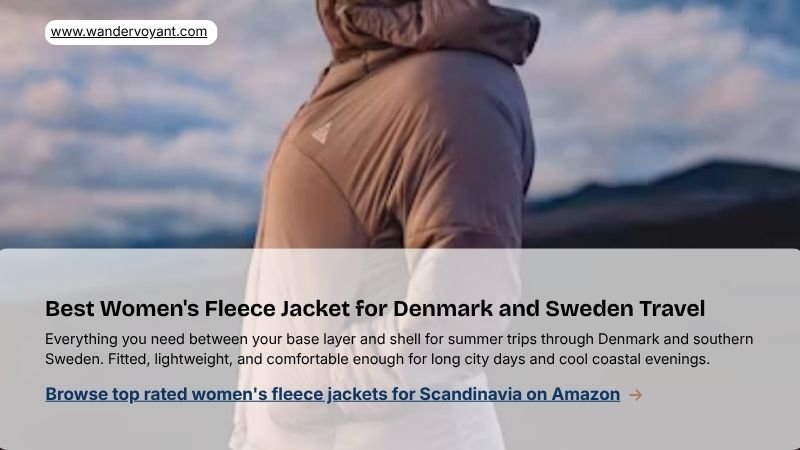
The mid layer sits over your base and does the heavy lifting when it comes to actual warmth. A good fleece jacket is the classic choice and still one of the best. For colder destinations like Finnish Lapland or northern Norway in winter, a packable down jacket works brilliantly. The key word is packable. You want something that can stuff into its own pocket because you will be taking it on and off throughout the day constantly.
The Outer Layer: Non Negotiable
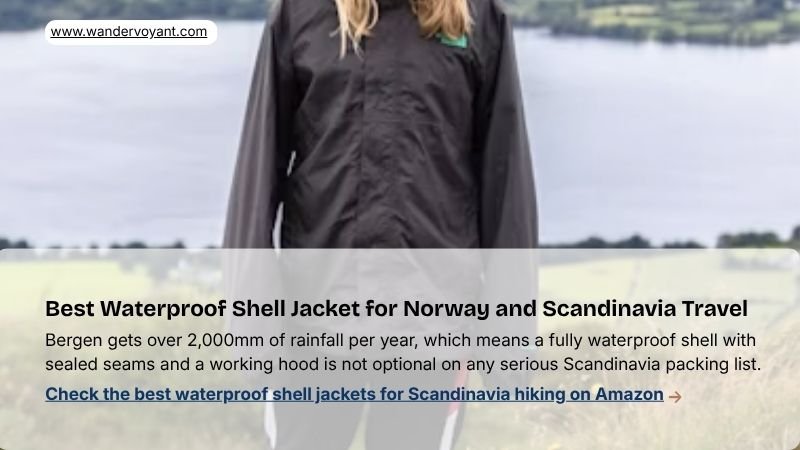
This is your waterproof shell and it is the single most important item in your entire packing list for Scandinavia. Norway alone averages over 2,000mm of rainfall per year in its western regions. Your outer layer needs to be fully waterproof, not just water-resistant. Look for a shell jacket with sealed seams, a good hood, and ideally some breathability so you are not sweating inside it during active stretches.
Adjusting for Summer
If you are traveling between June and August, the layering system still applies but gets lighter. Your base layer becomes a lightweight breathable top. Your mid layer might not even leave your bag on warm days. But you keep the outer layer. Always keep the outer layer.
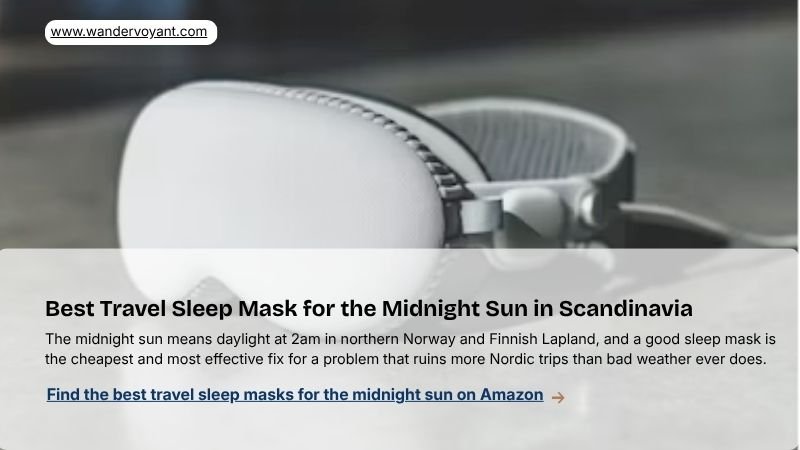
Summer in Scandinavia also brings something that catches many visitors by surprise: the midnight sun. In northern Norway and Finnish Lapland during peak summer, the sun does not set. Pack a quality sleep mask. It is a small thing that will genuinely save your sleep and your sanity.
Footwear: The Make-or-Break Essential
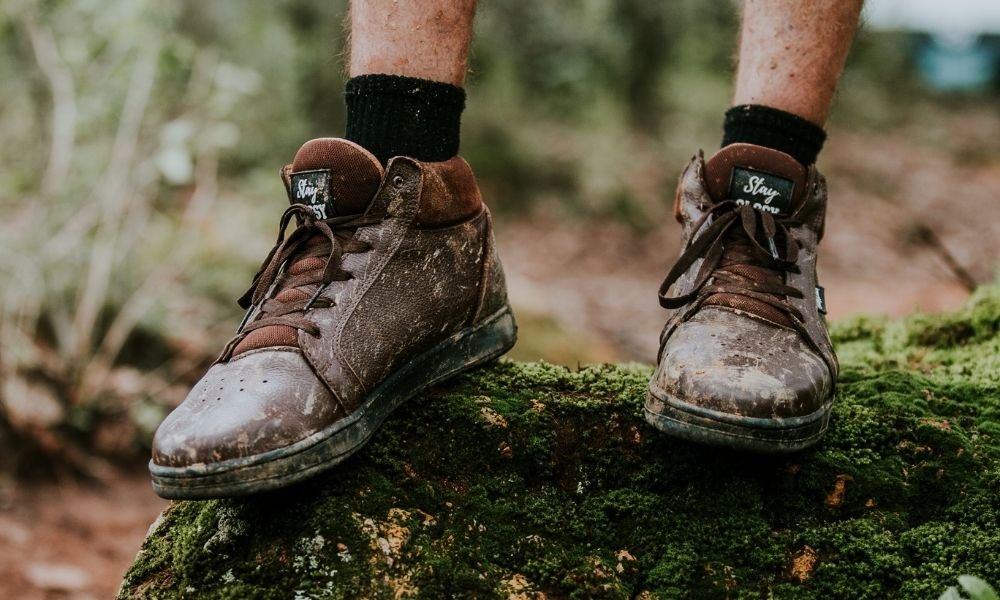
Your feet will carry you across cobblestone city streets, muddy forest trails, snowy Lapland paths, and slippery ferry decks sometimes all in the same trip. Most first-time visitors to Scandinavia underpack in this department. Here is what actually works.
Waterproof Hiking Boots: Your Most Important Shoe
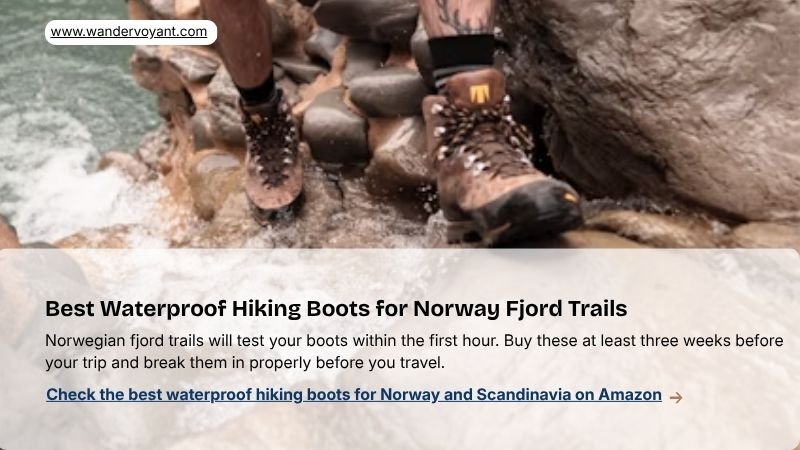
If you are visiting Norway or Finland at any time of year, waterproof hiking boots are not optional. Look for boots with a Gore-Tex lining or equivalent waterproof membrane, good ankle support, and a grippy sole with real traction. Break them in before your trip. New boots on a long hiking day in the Norwegian fjords will destroy your feet.
Norway’s UNESCO, listed fjords are the reason most travelers book this trip in the first place. The Bergen to Flam fjord cruise combines the legendary Flamsbana mountain railway, the Sognefjord’s most dramatic scenery, and the Stegastein viewpoint in a single full-day experience that consistently ranks as one of the most memorable things travelers do anywhere in Scandinavia. Book ahead because this one sells out weeks in advance in summer.
Book the Bergen UNESCO Fjord Cruise and Flamsbana experience on GetYourGuide
Comfortable Walking Shoes for City Days
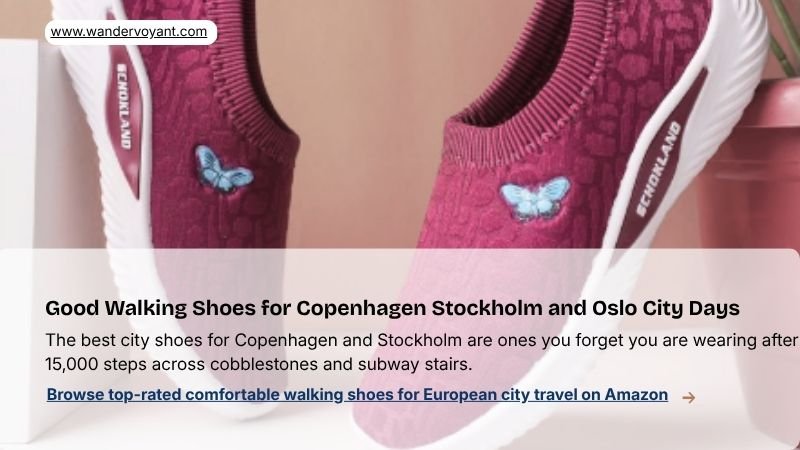
For city days you want something supportive and comfortable over long distances, ideally with at least some water resistance. Copenhagen alone will put 15,000 to 20,000 steps on your feet on a good exploring day. Stockholm’s old town Gamla Stan is built on uneven medieval cobblestones that eat through flimsy soles quickly.
Winter Boots for Lapland and Arctic Norway
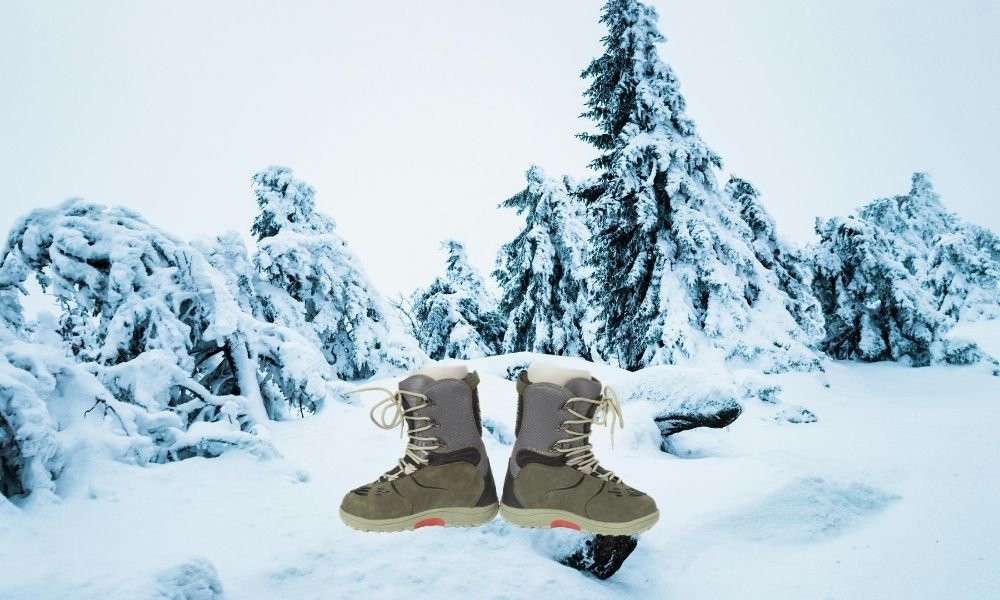
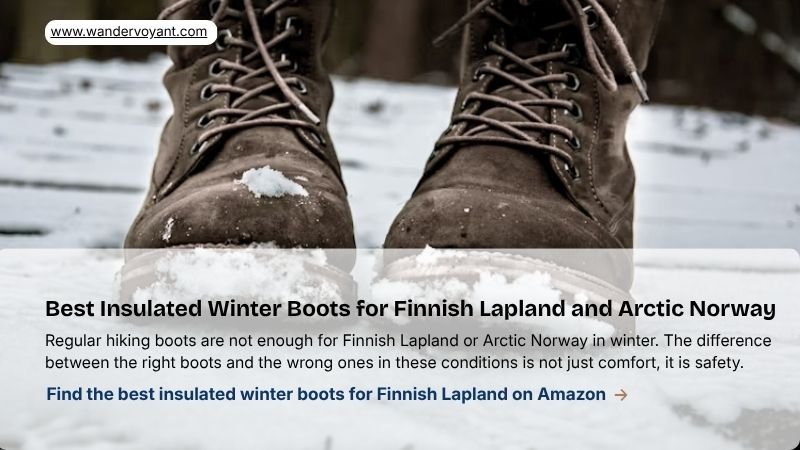
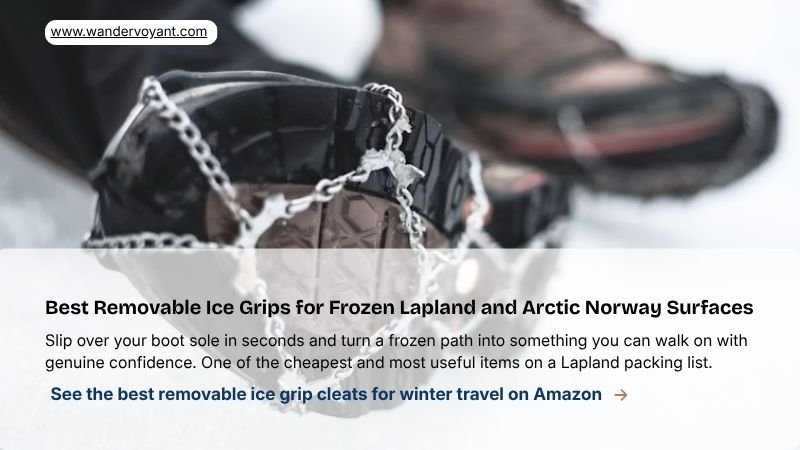
If your trip includes Finnish Lapland, Tromso, or anywhere in northern Scandinavia between October and March, you need insulated winter boots rated for at least -20 degrees Celsius. Some travelers also add removable ice grips that slip over the sole for extra traction on frozen surfaces.
The Sock Situation
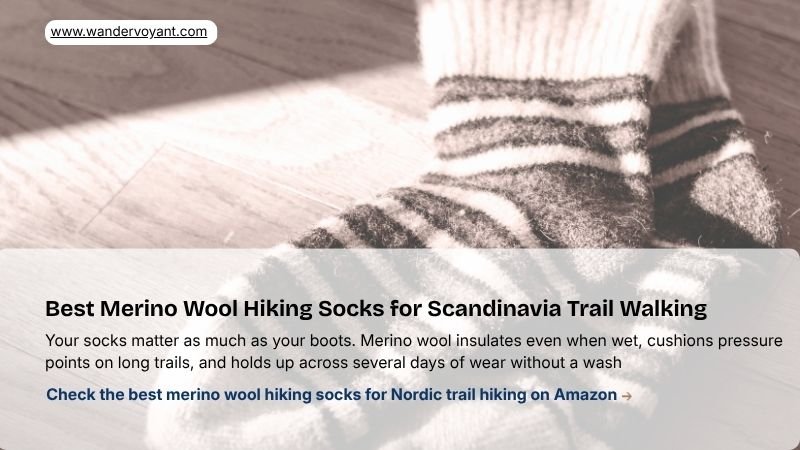
In Scandinavia, your socks are as important as your boots. Wool hiking socks, particularly merino wool, are what you want. They provide insulation even when wet, cushion the pressure points that long hikes create, and like merino base layers, they hold up to multiple wears between washes. Pack at least four pairs.
Tech and Gadgets Every Scandinavia Traveler Needs
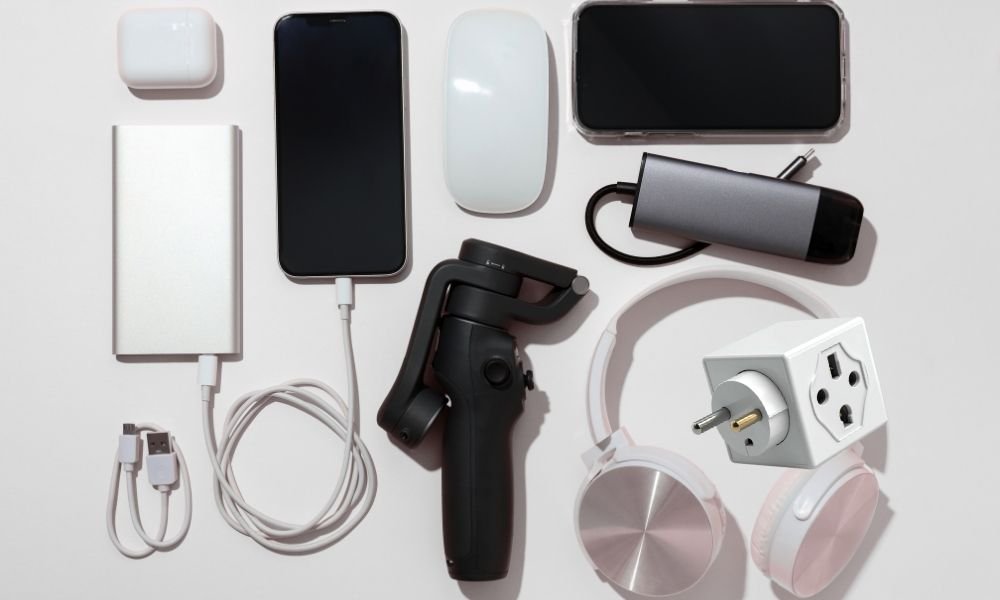
Scandinavia is one of the most digitally advanced regions in the world. But that modern infrastructure also means you will be leaning on your devices more than you might on other trips, which makes getting your tech setup right really important.
The Power Adapter: Start Here Before Anything Else
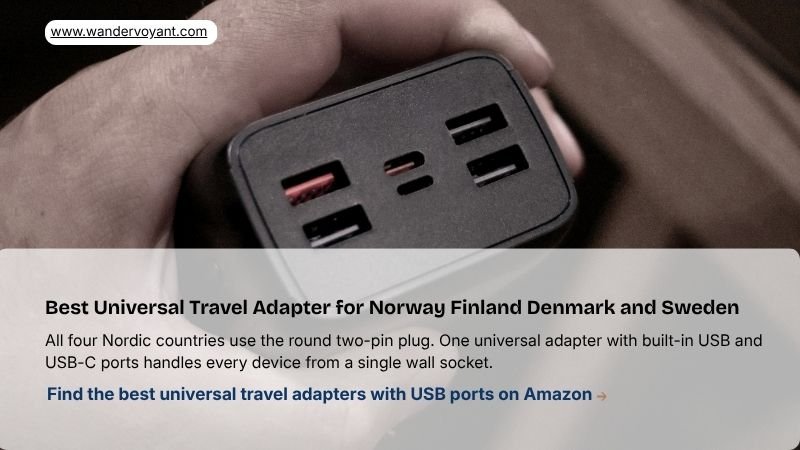
All four countries use the Type C and Type F round two-pin plug. A universal travel adapter with built-in USB and USB-C ports is the smarter buy over a single-country adapter, especially if Scandinavia is part of a wider European trip.
Power Bank: More Essential Than You Think
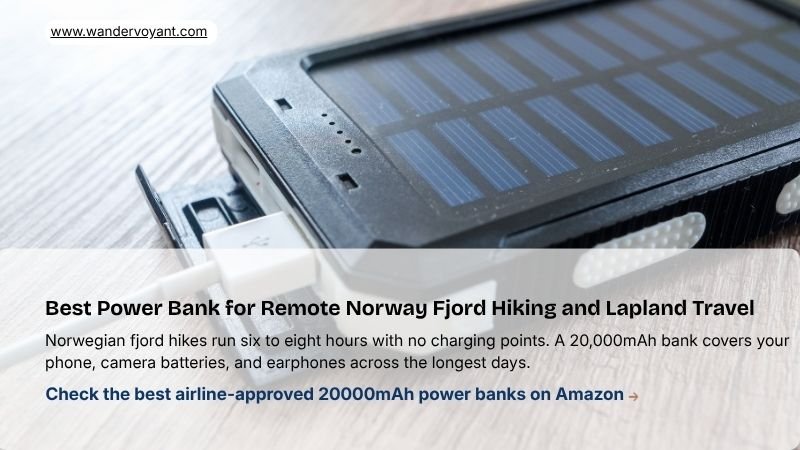
Norway’s fjord hikes take you deep into areas with no charging points for hours at a time. Finnish Lapland activities often run late into the night. Your phone is your map, your camera, your boarding pass, your translation tool, and your emergency contact all at once. A power bank with at least 20,000mAh capacity will fully charge most smartphones twice over.
Camera Gear and Cold Weather Considerations
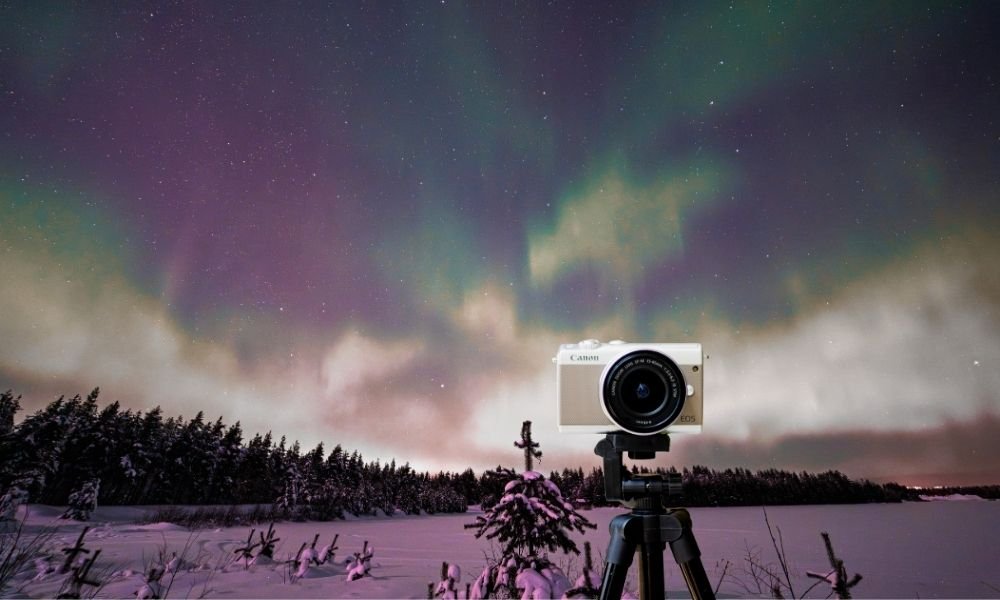
Cold weather is something you need to plan for specifically. Battery performance drops significantly in freezing temperatures. A battery that lasts all day in mild weather can drain to nothing within an hour in -15 degrees Celsius Lapland conditions. Pack at least two spare camera batteries and keep them in an inside pocket close to your body when you are out in the cold.
Chasing the Northern Lights independently in Tromso means guessing at locations, navigating unfamiliar roads in the dark, and hoping the weather cooperates without a local guide’s knowledge of where to position yourself. This guided photography tour handles all of that, provides thermal suits for the coldest nights, includes transport from central Tromso, and gives you a genuine photographer’s approach to capturing the aurora rather than pointing a camera at the sky and hoping.
Book the Tromso Northern Lights Photography Tour on Viator
Noise Canceling Headphones
The overnight ferry from Helsinki to Stockholm takes around seventeen hours. The train from Oslo to Bergen runs for about seven hours of some of the most spectacular scenery in Europe. A good pair of noise canceling headphones makes all of this significantly more pleasant.

A Lightweight Headlamp
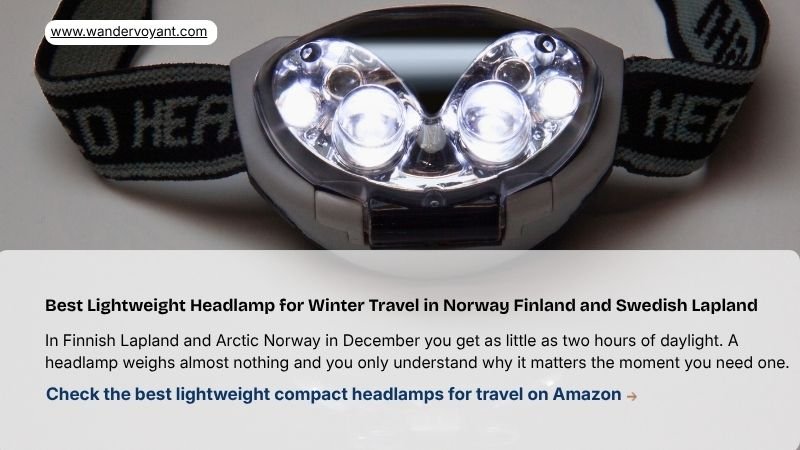
In winter across all four countries, daylight is extremely short. In Norwegian and Finnish Lapland in December, you might get as little as two to three hours of usable daylight. A headlamp is small, weighs almost nothing, and the moment you need one and do not have it, you will wish you had packed it.
Bags and Luggage: What Works in Scandinavia
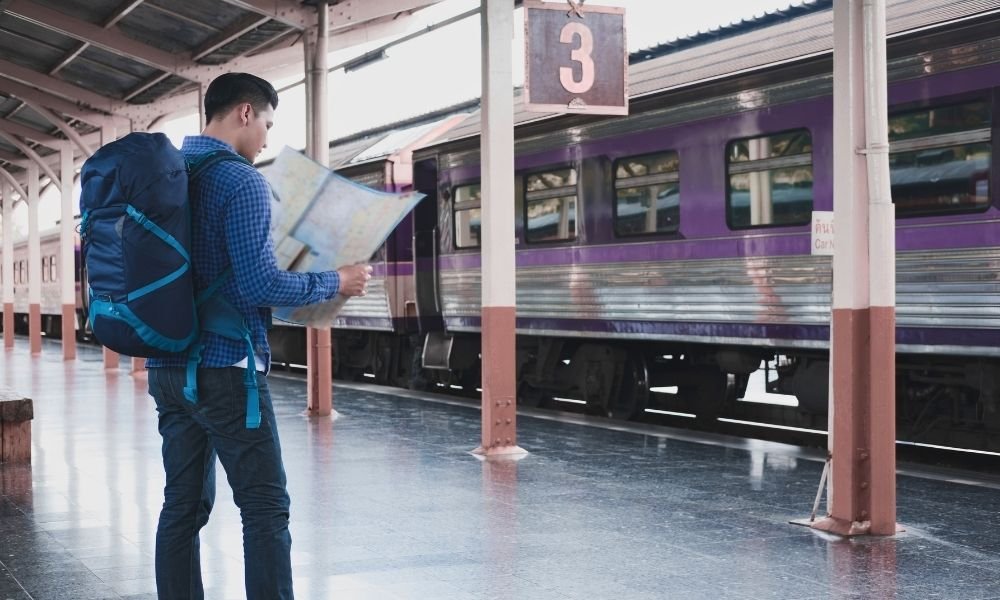
The region is built around movement. You will hop between trains, board ferries, squeeze through narrow cobblestone alleyways, and carry your bag up steep Norwegian guesthouse stairs. The bag that works brilliantly for a beach holiday in Spain will fight you every step of the way here.
Carry On vs Checked Luggage
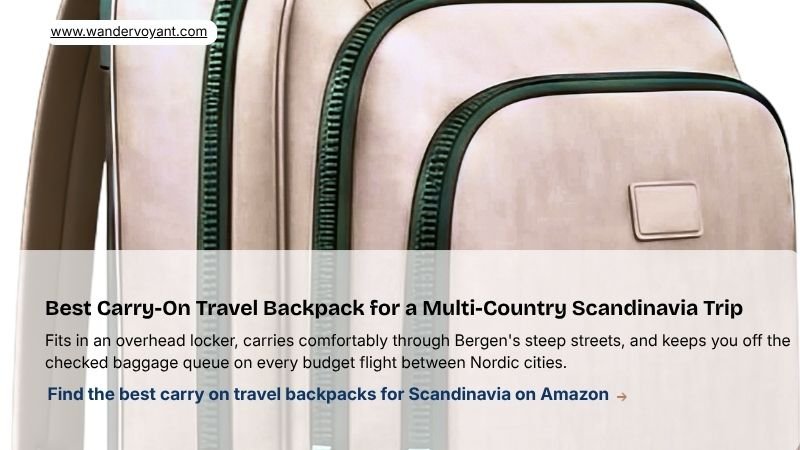
Scandinavia strongly rewards traveling light. Hard-shell checked suitcases with wheels are problematic in several situations you will encounter. Bergen’s historic Bryggen waterfront, Stockholm’s Gamla Stan, and Copenhagen’s older neighborhoods are all built on uneven cobblestones. A carry-on sized travel backpack or soft duffel bag in the 40-to-50-liter range is the best choice for most travelers.
The Day Pack: Your Daily Workhorse
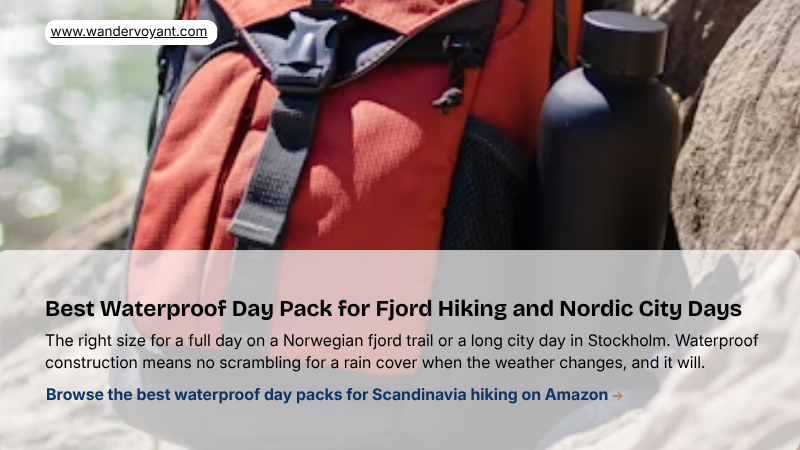
A day pack with a waterproof base or an included rain cover is worth the small extra investment. Aim for somewhere between 20 and 25 liters. Large enough to carry a full day’s worth of gear comfortably. Small enough to not become a burden on long walking days.
Packing Cubes: Small Investment, Big Payoff
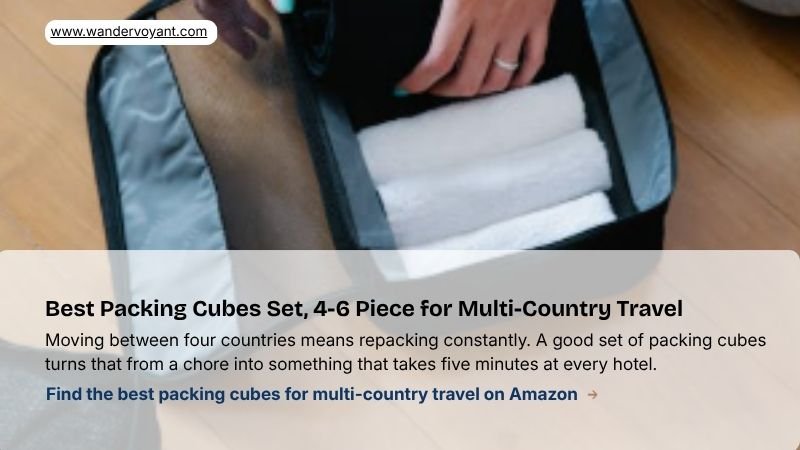
When you are moving between Oslo, Copenhagen, Helsinki, and Stockholm across two weeks, living out of a disorganized bag gets old quickly. Packing cubes let you separate clothing by type or by country, find what you need without unpacking everything, and repack in minutes.
Dry Bags: Underrated and Incredibly Useful
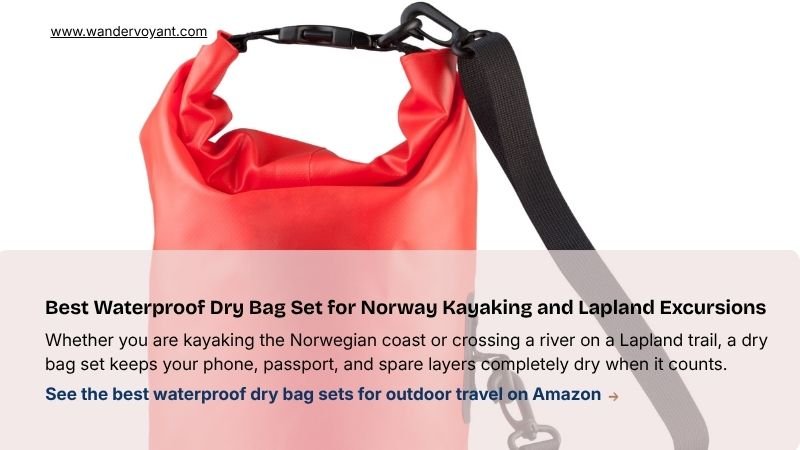
A dry bag is a waterproof roll-top bag that keeps its contents completely protected from water. Fjord kayaking in Norway, coastal ferry rides where sea spray is real, rainy hiking days in western Norway, snowmobile excursions in Finnish Lapland. Your camera, your passport, your power bank, and your phone do not belong anywhere near that kind of moisture without protection.
Country-Specific Essentials: Norway, Finland, Denmark and Sweden
Every Nordic country shares the same foundation of good layering, waterproof gear, and comfortable footwear. But each one also has its own personality, its own landscape, and its own set of situations that catch underprepared travelers off guard.
Norway: Pack for the Outdoors First, Everything Else Second
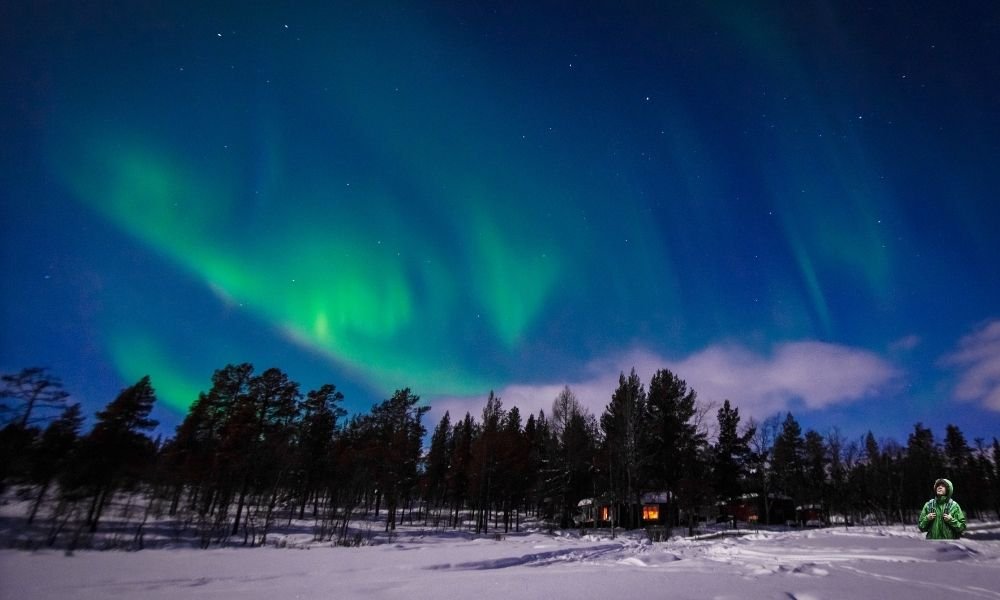
Norway is the most physically demanding of the four countries to travel through, in the best possible way. The fjords, the coastal paths, the mountain plateaus, the Arctic archipelagos. This is a country that pulls you outside constantly.
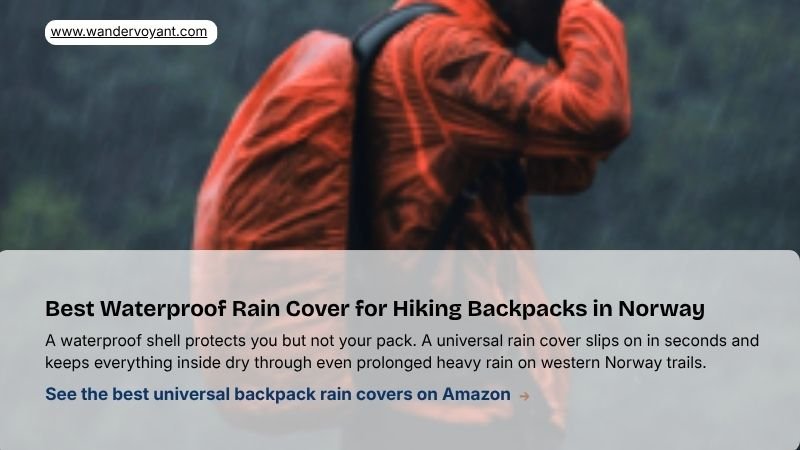
- Rain cover for your day pack. Western Norway around Bergen, Flam, and the Sognefjord is one of the wettest regions in all of Europe.
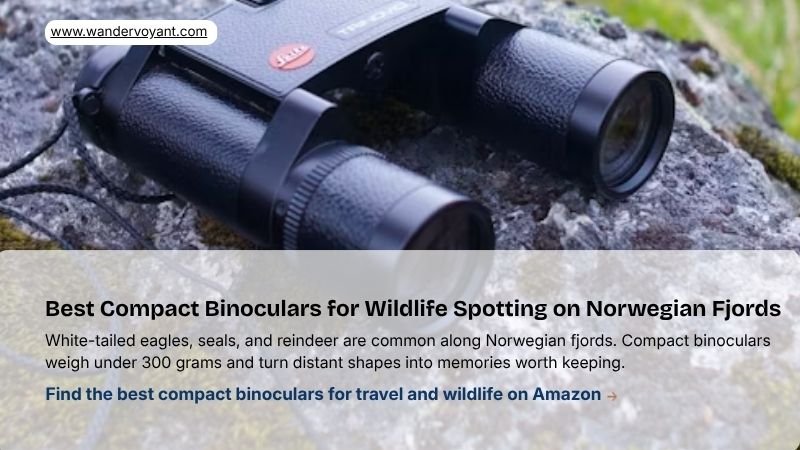
- Compact binoculars. Moose in the forests, white-tailed eagles over the fjords, reindeer in the far north, porpoises and seals along the coastal routes.
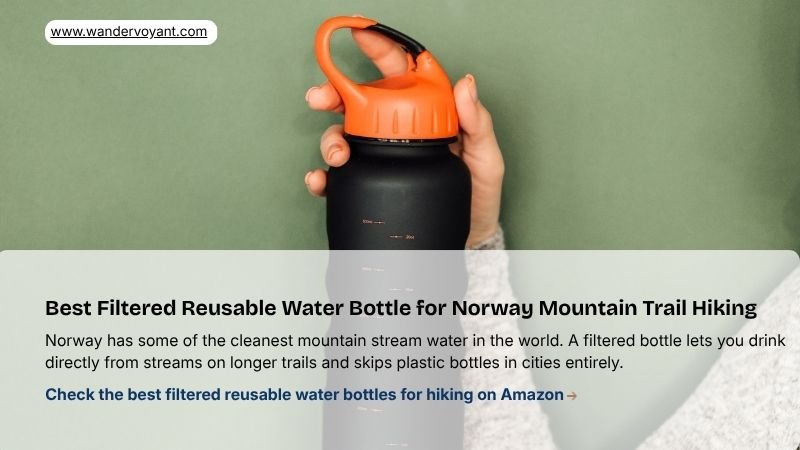
- Filtered water bottle. Norway has some of the cleanest tap water and freshwater sources in the world. A filtered bottle means you are never paying for bottled water on a long trail.
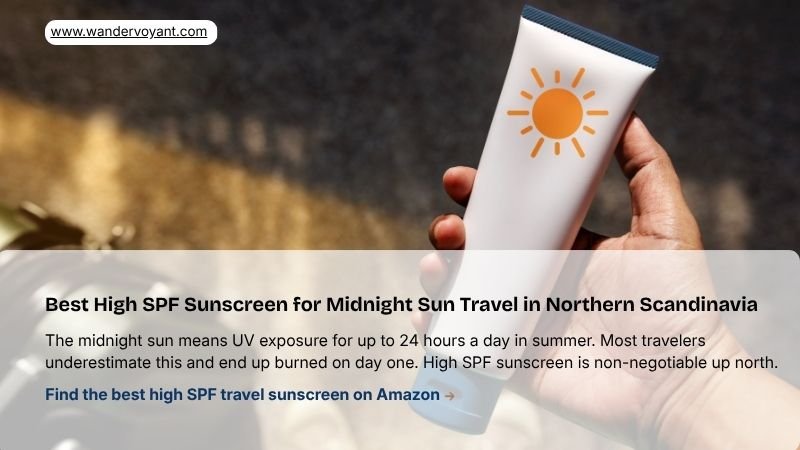
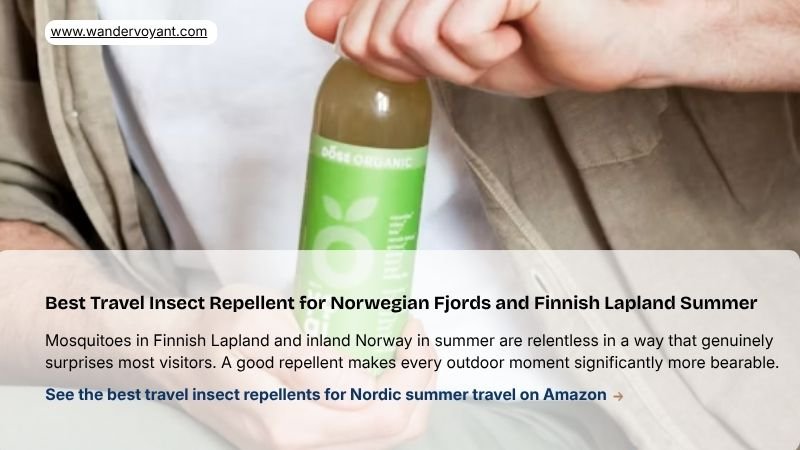
- Sunscreen and insect repellent for summer. The midnight sun means UV exposure at unusual hours. Midges and mosquitoes are also a real issue in fjord valleys in July and August.
Norway in a Nutshell
If you have one day to understand why Norway captures people so completely, this is it. The Norway in a Nutshell route combines the Bergen Railway, the Flamsbana mountain train, a fjord cruise through the Naeroyfjord, and a high-speed express boat back through scenery that most travelers describe as the most beautiful they have ever seen from a train window.
The cruise leg runs aboard Ms Brisen, a silent electric ship with panoramic saloons and outdoor terraces, where expert guides bring the landmarks, history, and nature of the Oslofjord to life, taking in Dyna Fyr, Akershus Fortress, the Opera House, and the bathing islands, with fresh pastries from the onboard café along the way. A genuinely iconic experience that earns its reputation completely.
Book the Oslo Norway Guided Sightseeing Fjord Cruise on Premium Silent Boat on GetYourGuide
Hardangerfjord remains in the shadow of Sognefjord’s fame but delivers scenery and adventure experiences that rival anything in western Norway. This full-day private tour from Bergen combines the fjord’s extraordinary landscape with Voss, Norway’s adventure sports capital, covering both the natural beauty and the adrenaline side of Nordic travel in a single day.
The route follows scenic Highway 7 with stops at Steinsdalsfossen and the Goldfish Lake, a crossing of the iconic Hardangerfjord Bridge, the charming village of Øvre Eidfjord and its nature centre, and a breathtaking finale at Vøringfossen, Norway’s mightiest waterfall, before returning to Bergen.
Book the Private Full-Day Waterfall to Hardangerfjord & cruise Tour on Viator
Finland: Dress for the Extremes and Everything In Between
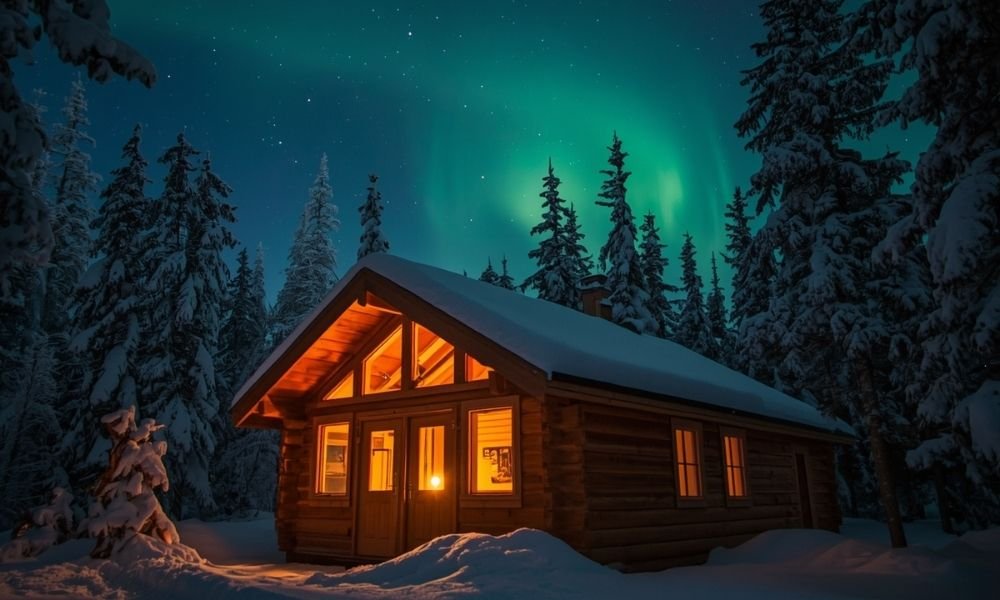
Finland is a country of extraordinary contrasts. Helsinki in July is a relaxed sun-warmed city. Finnish Lapland in January is one of the most extreme cold-weather environments a regular traveler is likely to ever visit voluntarily.
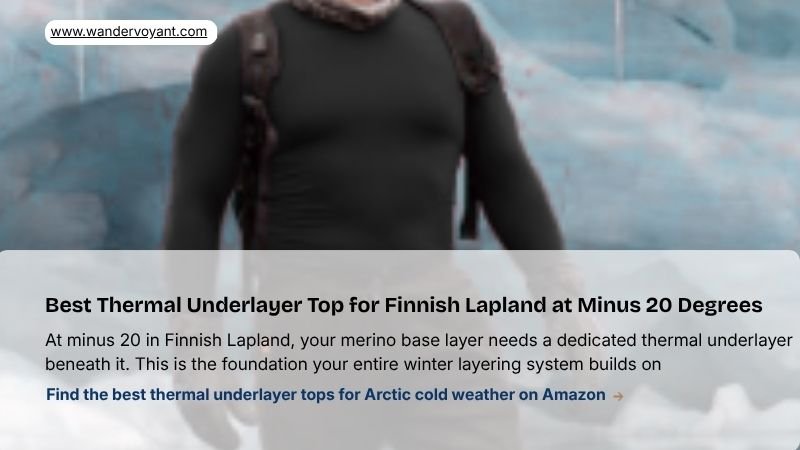
- Thermal underlayer for Lapland winter. Your standard merino base layer is not enough on its own below -15 degrees Celsius. A dedicated thermal underlayer rated for skiing or mountaineering makes an enormous difference.
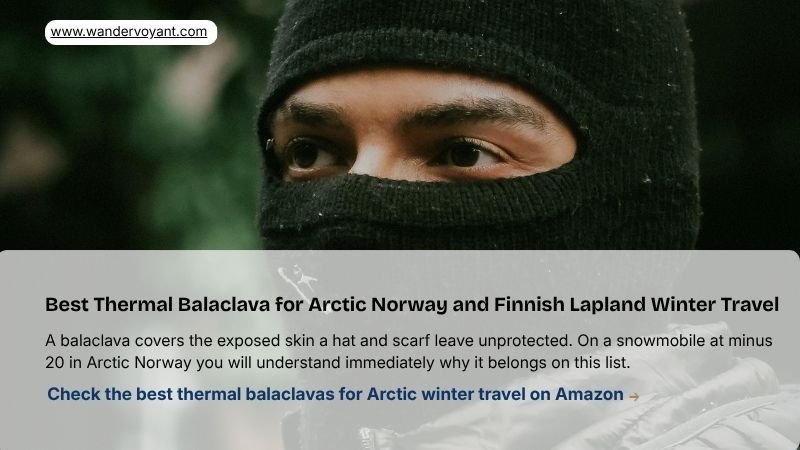
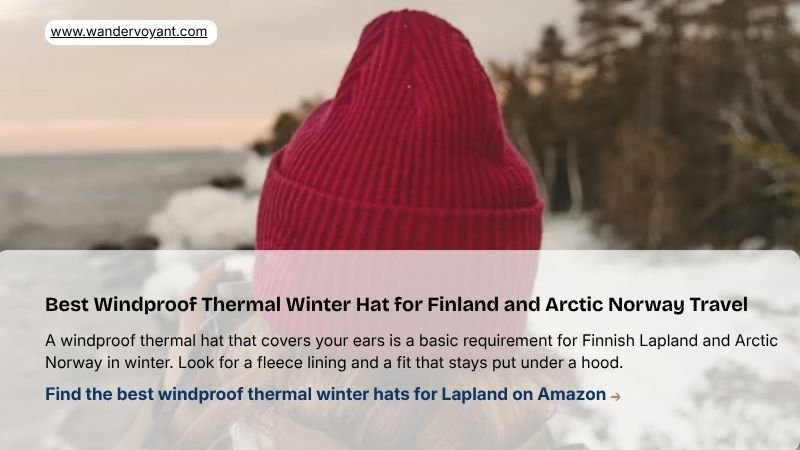
- Balaclava and thermal hat. At -20 degrees Celsius, exposed skin loses heat faster than most people have ever experienced.
- Waterproof winter gloves. You need gloves that are both insulated and waterproof. Consider a mitten-glove hybrid for warmth and dexterity.
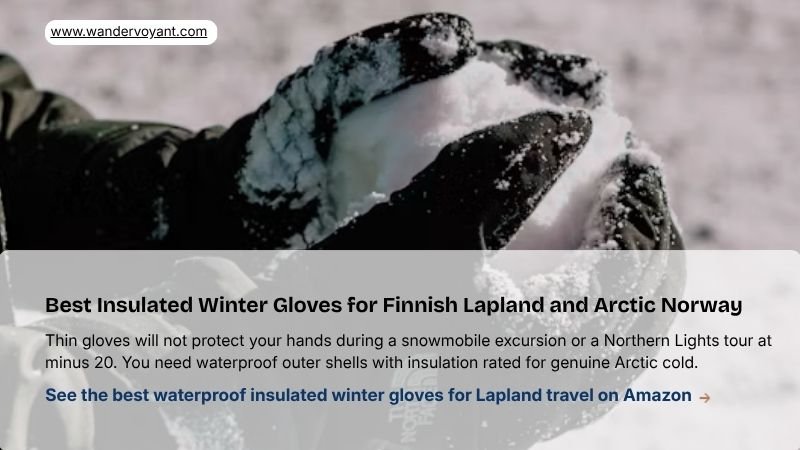
Also Shop mitten-glove hybrid for warmth and dexterity on Amazon Here
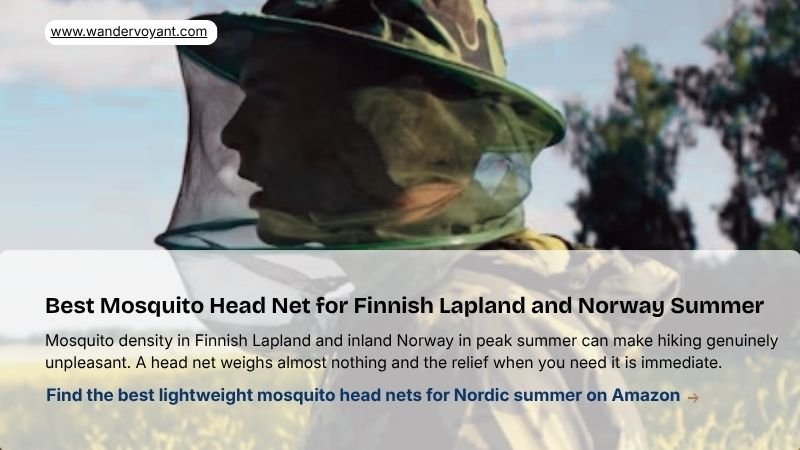
- Mosquito head net for summer. Finnish Lapland in summer is beautiful and also home to mosquito populations that are, in the politest possible terms, ambitious.
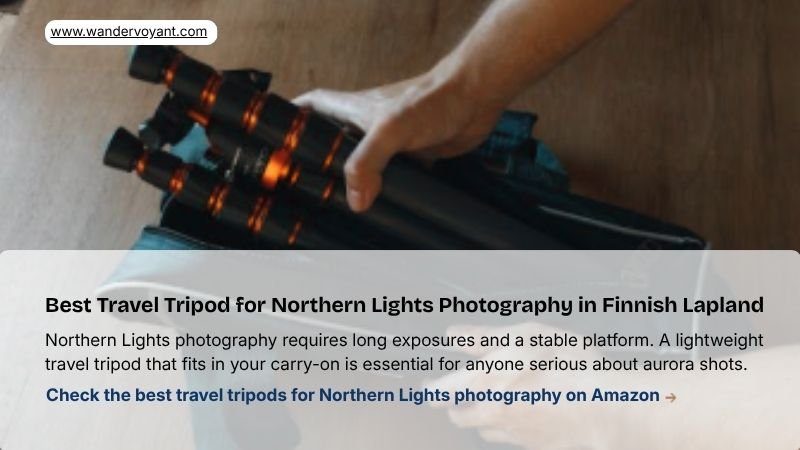
- Camera tripod or gorilla pod. The Northern Lights do not photograph well on a handheld camera. You need the camera to be completely still for long exposure shots.
The best Northern Lights experiences in Finnish Lapland happen away from artificial light and with someone who knows exactly where to look. This small-group snowshoe trek through the Rovaniemi wilderness puts you in the right place at the right time with expert local guides who understand both the aurora and the Lapland forest in a way that makes the experience feel genuinely intimate rather than tourist-processed.
The three-hour guided tour takes you deep into the Arctic wilderness on snowshoes, with stories about the region’s ecosystem and traditions along the way, a traditional flint and steel fire lighting demonstration, and a campfire finish with grilled sausage, warm drinks, and gingerbread cookies.
Book the Rovaniemi Northern Snowshoeing in the Arctic Wilderness on GetYourGuide
Denmark: The Light Packer’s Nordic Country
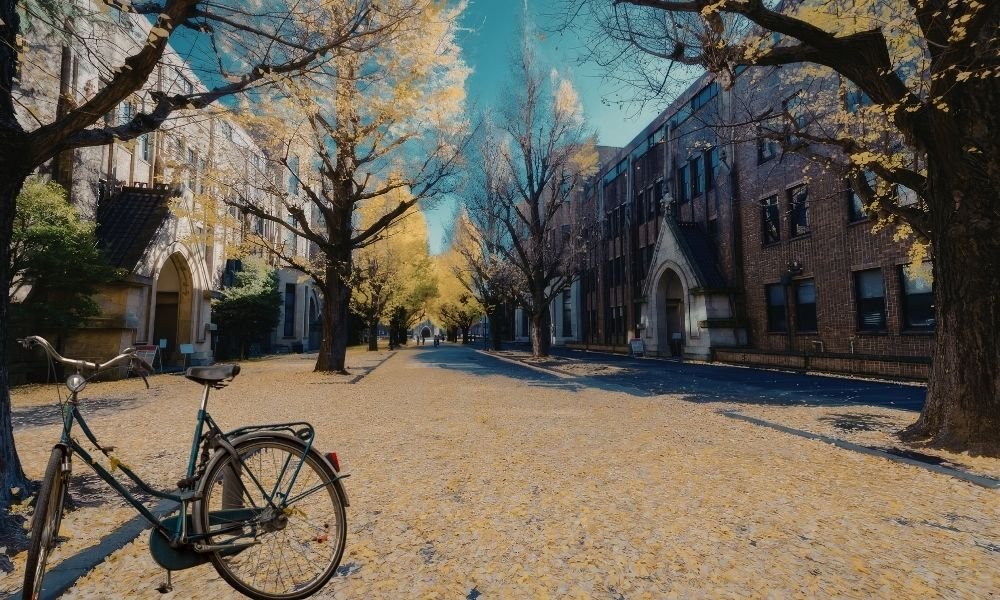
Denmark is the most accessible of the four countries for first-time Nordic visitors. Copenhagen is a world-class city that happens to be extremely walkable, extremely bikeable, and extremely well-connected by public transport.
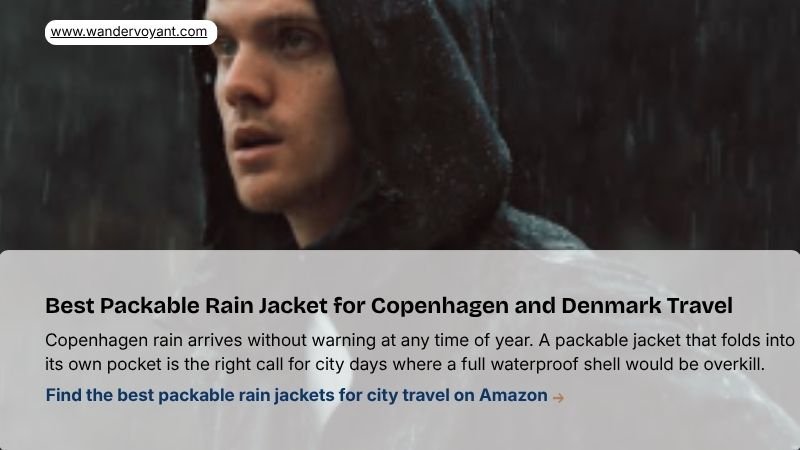
- Packable rain jacket. Copenhagen rain tends to arrive horizontally on a Baltic wind. A packable rain jacket that stuffs into its own pocket is more useful here than a full waterproof shell.
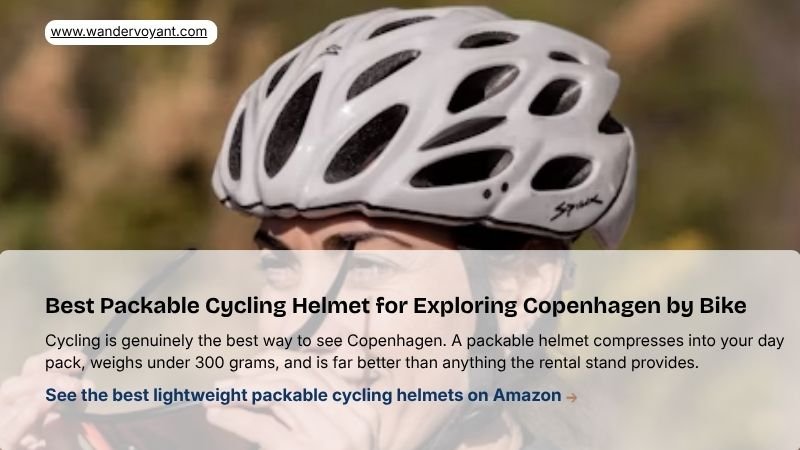
- Comfortable cycling gear. Copenhagen is the most bike-friendly city in the world. A lightweight packable helmet means you get a better fit and more confidence.
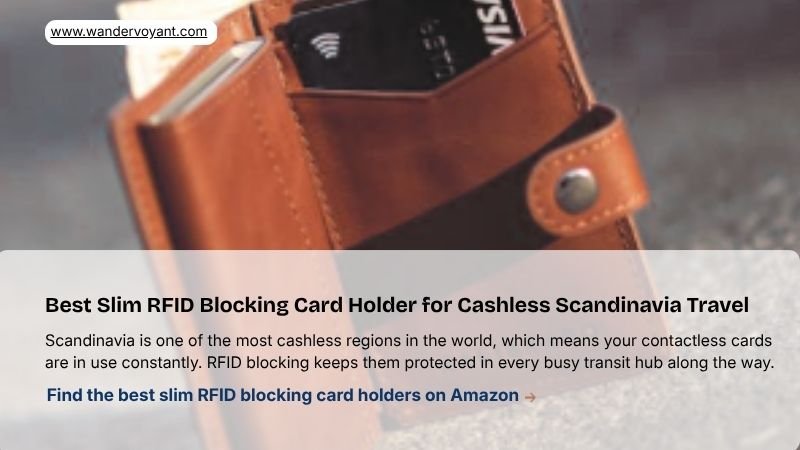
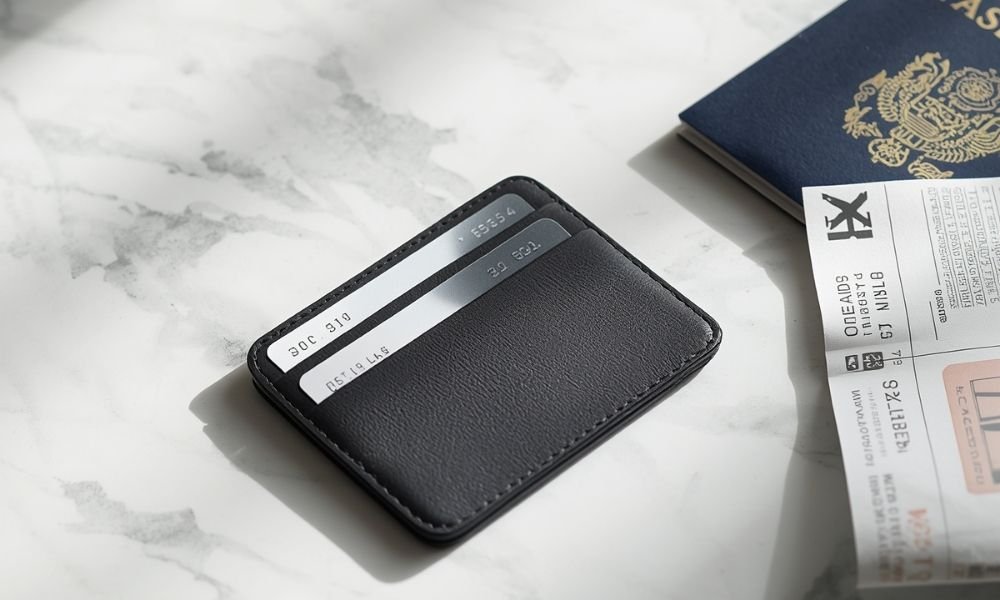
- RFID blocking card holder. Copenhagen’s contactless payment system means your wallet barely needs to leave your pocket. Keep your cards organized and accessible.
The most efficient way to understand Copenhagen’s relationship with water is from the water itself. This canal tour covers Nyhavn’s famous colored facades, the contemporary opera house architecture, and the quieter residential canals of Christianshavn in around an hour, giving you a complete picture of the city’s geography and history before you explore on foot.
The one-hour guided tour also takes in Amalienborg Palace and the Little Mermaid, with an onboard guide bringing the city’s hidden stories to life along the way. A genuinely strong first morning activity for any Copenhagen trip.
Book the Copenhagen Canal Boat Tour with a local guide on Viator
Sweden: Pack for Two Trips in One
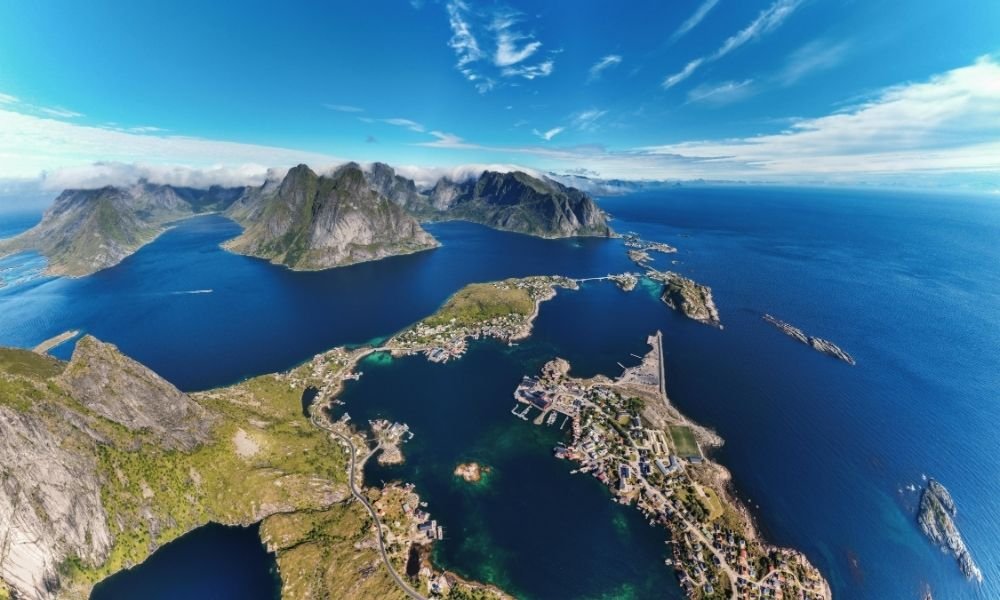
You explore better in Sweden when you thoughtful prepared well in respect to your packing list, because here in Sweden you will almost have two completely different travel experiences, although this will depend on where you go. Stockholm and the southern cities are urban and cultural. Swedish Lapland and the northern wilderness are as raw and extreme as Finnish Lapland. Here are some things you should have on your list and be prepared for.
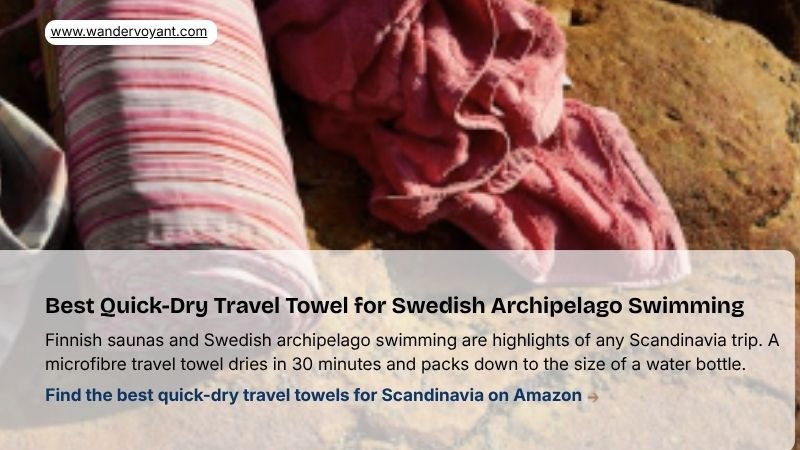
- Swimwear and quick-dry towel. Swedes swim outdoors in summer with genuine enthusiasm. Many Swedish saunas lead directly to cold water plunges.
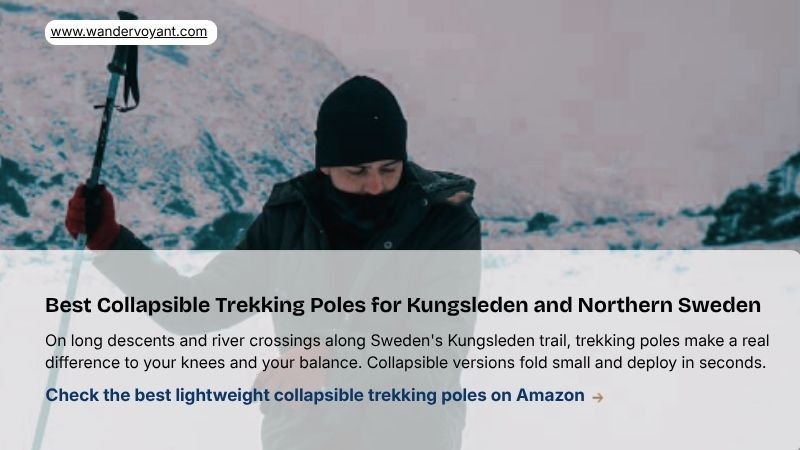
- Trekking poles for northern Sweden. If your Sweden trip includes the Kungsleden trail or any highland national parks, trekking poles reduce the impact on your knees dramatically on multi-day hikes.
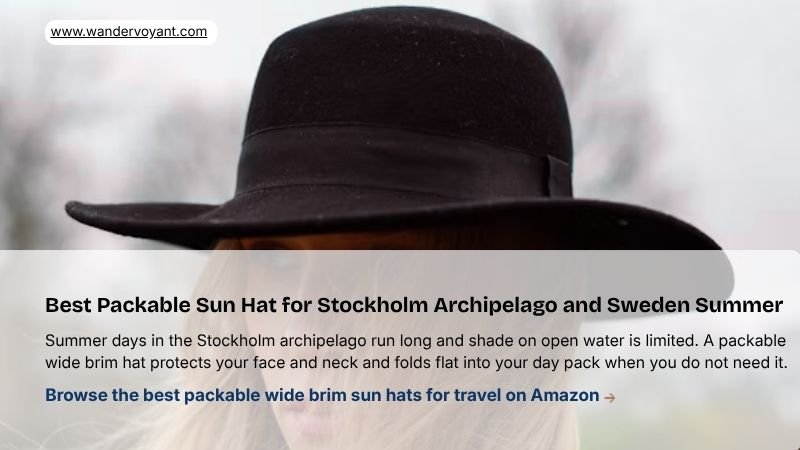
- Wide brim sun hat for the archipelago. Sweden’s west coast and the Stockholm archipelago in summer mean long days on the water with significant UV reflection bouncing off the sea surface.
Gamla Stan is one of the best-preserved medieval city centers in Europe and also one of the easiest to wander through completely lost without context. A knowledgeable local guide transforms the narrow alleys, the Royal Palace, and the oldest street in Stockholm from atmospheric but confusing to a layered story you will remember long after you leave.
The two-hour small-group walking tour also takes in the Stockholm Cathedral and hidden gems tucked along the cobblestone streets, with an official city guide bringing centuries of history to life as you go. The best first activity for any Stockholm visit.
Book the Stockholm Old Town and Royal Palace Walking Tour on GetYourGuide
Money, Documents and Safety Essentials
Scandinavia is one of the smoothest regions in the world to travel through logistically. But there are a handful of practical and financial realities about this part of the world that catch first-time Nordic visitors off guard.
The Cashless Reality of Scandinavia
Sweden is widely considered the most cashless society on the planet. Denmark is not far behind. In Stockholm, some cafes, museums, and even public toilets no longer accept cash at all. This is good news for travelers because it means you do not need to worry about carrying large amounts of currency. But it does mean your card setup matters more here than on most trips.
Bring a debit or credit card that charges zero foreign transaction fees. Cards like Wise, Revolut, Charles Schwab in the US, and Halifax Clarity in the UK are popular choices. Carrying a small amount of local cash, around 200 to 300 units of whichever local currency you are in, is still sensible as a backup.
A note on currencies: Finland uses the Euro. Norway uses the Norwegian Krone (NOK), Sweden uses the Swedish Krona (SEK), and Denmark uses the Danish Krone (DKK). Despite being Scandinavian neighbors, their currencies are completely separate and not interchangeable.
Travel Insurance: More Important Here Than You Might Think
Scandinavia is safe, and it is. But travel insurance for Nordic travel is primarily about three things: medical costs, outdoor activity coverage, and trip disruption.
Medical costs in Scandinavia are high. Norway in particular has some of the highest medical costs in the world for non-residents. A helicopter evacuation from a remote Norwegian fjord trail, which happens to underprepared hikers every year, costs tens of thousands of dollars without insurance.
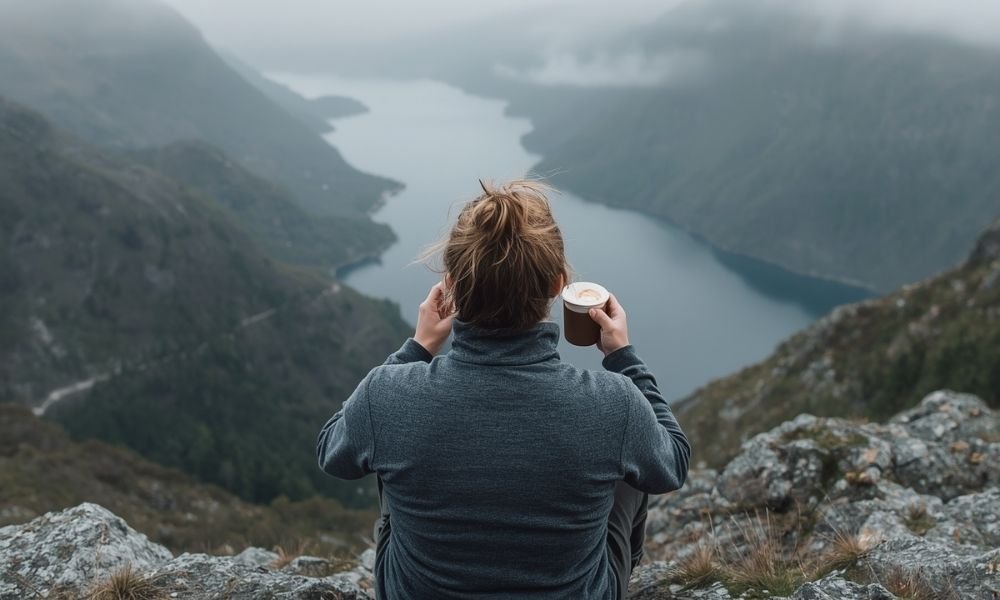
Outdoor activity coverage is something many standard travel insurance policies exclude by default. If your trip includes hiking in Norway, skiing in Sweden, dog sledding or snowmobiling in Finnish Lapland, check your policy specifically for these activities before your travel.
Get a SafetyWing Nomad Insurance Quote — One of the most popular and affordable travel medical insurance options for Scandinavia and beyond. Starting from $62.72 for 4 weeks, covering emergency medical treatment, evacuation, and more across 180+ countries. Monthly rolling subscription so your coverage flexes with your itinerary.
SafetyWing’s Nomad Insurance covers emergency medical treatment, hospital stays, and evacuation, with outpatient visits and emergency medical evacuation up to $250,000, starting from $62.72 per month. Their Complete plan adds comprehensive health coverage including wellness benefits and mental health care, which is worth considering for longer Nordic trips. You can sign up even after you have already started traveling, which makes it well flexible for spontaneous itinerary changes. It can be purchased even after you have already started traveling. Get a SafetyWing Nomad Insurance quote before your Scandinavia trip.
For adventure activities specifically, check whether your chosen policy covers the outdoor activities on your itinerary. SafetyWing covers a range of sports including skiing and snowboarding on-piste, which is particularly relevant for winter trips to Norwegian and Swedish ski resorts and Lapland excursions.
Before you book any outdoor activities in Scandinavia, check whether your insurance specifically covers them. Standard travel policies frequently exclude hiking, skiing, snowmobiling, and dog sledding by default. SafetyWing’s Essential and Complete plans cover a range of adventure activities including on-piste skiing and snowboarding, worth confirming against your specific Lapland or Norwegian itinerary before you travel. Compare SafetyWing Essential and Complete plans for Scandinavia adventure travel.
SafetyWing: Essential plan from $62.72/month for emergency coverage. Complete plan for comprehensive year-round health insurance. Both include 24/7 emergency hotline and direct hospital billing.
Documents: What to Carry and How to Carry It
All four Nordic countries are part of the Schengen Area. Make physical copies of everything important, passport photo page, travel insurance policy number, accommodation booking confirmations, and any activity booking references. Keep one set in your main bag and leave a second set with someone you trust at home.
Health and Pharmacy Essentials
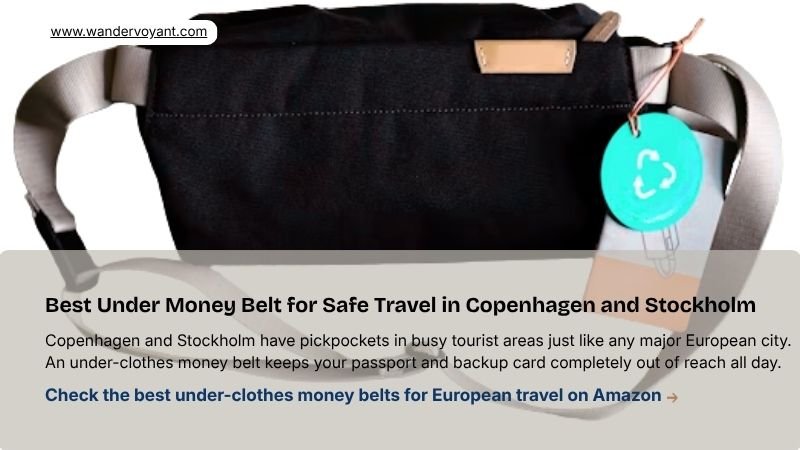
Scandinavia’s pharmacies are excellent and usually have English-speaking staff. A small personal medical kit saves you the time and cost of hunting down basics on arrival. Pain relief, antihistamines, and a blister treatment kit are the three most commonly needed items.
Staying Connected
Roaming charges within the EU have been abolished for EU citizens, but Norway sits outside the EU. eSIMs have become the smartest option for multi-country Nordic trips. You activate them digitally before you leave, avoid the airport SIM card markup, and often get coverage across all four countries on a single plan.
What Not to Pack for Scandinavia
Every packing guide tells you what to bring. Far fewer tell you what to leave behind. For Scandinavia specifically, knowing what not to pack is just as valuable as knowing what to pack.

Heavy Cotton Clothing
Cotton jeans, cotton sweatshirts, cotton t-shirts as your primary clothing layers. Leave them behind. Cotton absorbs moisture and holds onto it. In a region where rain, sea spray, morning mist, and physical exertion are all part of a normal travel day, cotton clothing becomes heavy, cold, and slow to dry at exactly the moments you most need it not to be.
A Full Formal Wardrobe
Scandinavia has a deeply practical relationship with clothing. Smart casual is the ceiling for virtually every social situation you will encounter as a traveler in these four countries. A clean well-fitting shirt or a simple elegant blouse with neat trousers or a midi dress covers everything from a Michelin-starred Copenhagen tasting menu to a rooftop bar in Stockholm to a classical concert in Helsinki.
More Than Two Pairs of Shoes
The two-pair rule stands firm here. Your waterproof hiking boots are more versatile than you think. They walk cobblestones confidently, handle rain without a second thought, and look perfectly appropriate in any casual setting across all four countries.
Full-Size Toiletries
Scandinavian pharmacies and supermarkets are exceptionally well stocked. Pack travel-sized versions of your essentials for the first day or two. After that the local shops handle the rest. The one exception is any prescription skincare product or a very specific brand you cannot really substitute.
An Excessive Amount of Cash
Arriving with large amounts of pre-exchanged local currency is unnecessary, often expensive in terms of exchange rates at airports and currency kiosks, and slightly impractical given that you are moving between three different currencies across four countries. Your zero-fee travel card does everything more efficiently and more cheaply.
Anything You Are Packing Just in Case
Scandinavian travel rewards intentional packing over comprehensive packing. Every item in your bag should have a clear specific reason to be there based on the actual itinerary you have planned. If the best justification you can come up with for an item is that you might need it under some vague set of circumstances, leave it behind.
The pharmacies, supermarkets, and outdoor shops across Norway, Finland, Denmark, and Sweden are excellent and will cover almost any gap you discover after arrival.
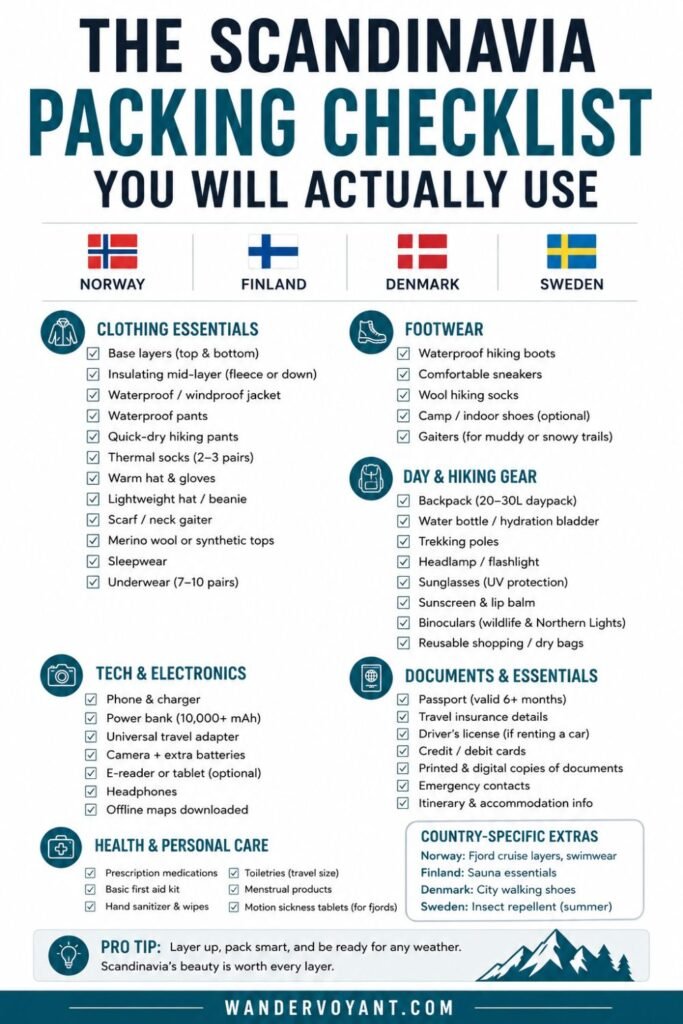
The Master Packing Checklist for Scandinavia
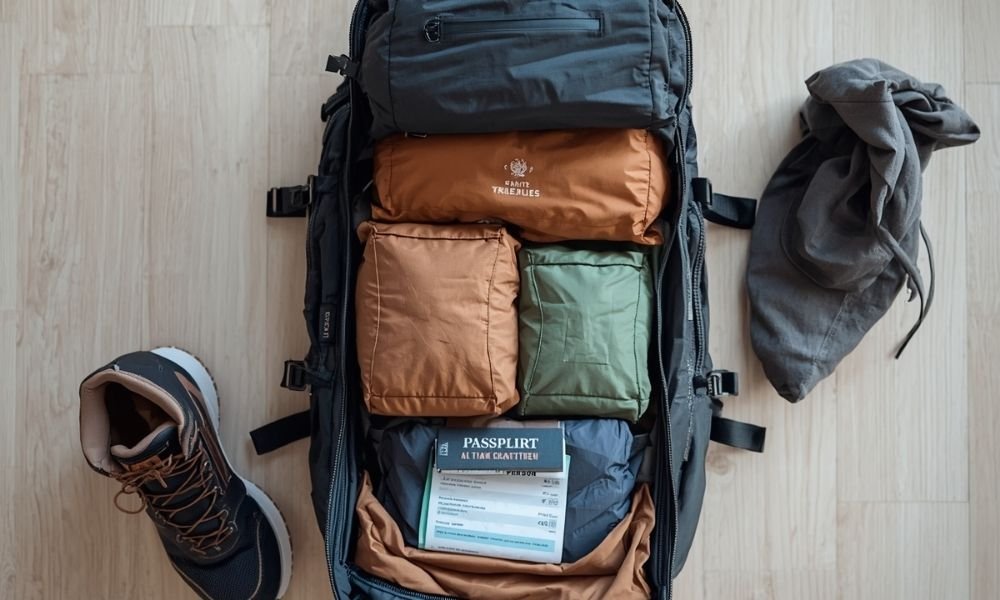
Everything covered in this guide comes together here. Work through each category against your specific itinerary. The country-specific sections are additions on top of the universal list, which are not replacements for it.
Clothing and Layering System
- 2 x merino wool base layer tops
- 2 x merino wool base layer bottoms
- 1 x thermal underlayer top for Lapland or Arctic winter
- 1 x thermal underlayer bottoms for Lapland or Arctic winter
- 1 x fleece jacket
- 1 x packable down jacket for colder destinations
- 1 x fully waterproof shell jacket with sealed seams and hood
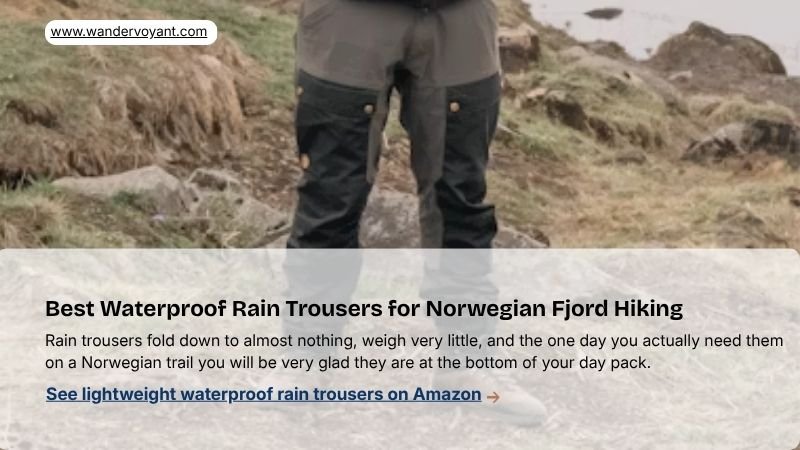
- 1 x waterproof rain trousers for hiking or extended outdoor time
- 3 to 4 x t-shirts or lightweight long-sleeve tops
- 2 x pairs of lightweight travel trousers or hiking pants
- 1 x smart casual outfit for evenings out
- 5 to 7 x underwear
- 4 x pairs of merino wool hiking socks
- 2 x pairs of everyday socks
- 1 x lightweight packable sun hat for summer
- 1 x warm beanie or thermal hat
- 1 x balaclava for Arctic winter conditions
- 1 x lightweight scarf or neck gaiter
- 1 x pair of waterproof insulated gloves for winter
- 1 x sleep mask for midnight sun destinations
- 1 x swimwear
Footwear
- 1 x pair of waterproof hiking boots with ankle support
- 1 x pair of comfortable walking shoes for city days
- 1 x pair of insulated winter boots rated for -20C (for Lapland and Arctic Norway)
- 1 x set of removable ice grips for frozen surfaces
Bags and Luggage
- 1 x main travel bag, 40-to-50-liter carry-on backpack or soft duffel
- 1 x waterproof day pack with rain cover, 20 to 25 liters
- 1 x set of packing cubes, 4 to 6 pieces
- 1 x dry bag set, 5 liter and 10 liters
- 1 x lightweight packable tote bag
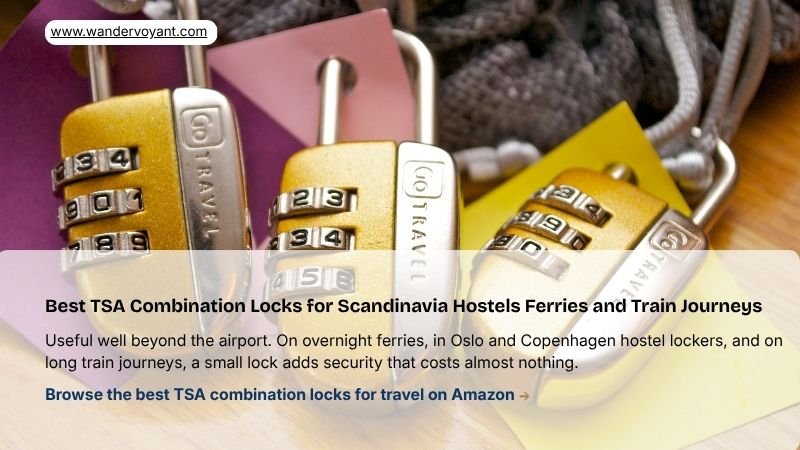
- 2 x TSA approved combination luggage locks
Tech and Gadgets
- 1 x universal travel adapter with USB and USB-C ports
- 1 x power bank, minimum 20,000mAh, airline approved
- 1 x pair of noise canceling headphones
- 1 x lightweight headlamp
- Spare camera batteries if shooting DSLR or mirrorless
- 1 x waterproof camera bag or dry bag sleeve
- 1 x lightweight travel tripod or gorilla pod
- 1 x wide-angle clip-on lens for smartphone photography
- Phone with offline maps downloaded before each day
Documents and Money
- Valid passport with at least six months validity beyond your return date
- SafetyWing or travel insurance documents with policy number and emergency contact printed
- Physical copies of all accommodation and transport bookings
- Digital copies of all key documents stored in email or cloud
- Zero foreign transaction fee debit or credit card
- Small amount of local cash in each country’s currency as backup
- 1 x slim RFID blocking travel wallet
- 1 x under-clothes travel money belt for travel days
- EU Health Insurance Card if applicable
- International travel eSIM activated before departure
Health and Personal Care
- Personal prescription medications in original packaging plus extra supply
- Pain relief tablets
- Antihistamines, especially important for spring and summer visits
- Blister treatment kit
- Compact travel first aid kit
- High SPF sunscreen
- Insect repellent for Norway and Finland summer visits
- Mosquito head net for Finnish Lapland summer
- Travel-sized toiletries for first two days
- Compact quick-dry microfiber travel towel
Norway-Specific Additions
- Waterproof rain covers for day pack
- Compact lightweight binoculars
- Filtered reusable water bottle
Finland-Specific Additions
- Thermal underlayer rated for extreme cold
- Balaclava
- Waterproof insulated winter gloves
- Mosquito head net for summer Lapland
- Lightweight travel tripod or gorilla pod for Northern Lights
Denmark-Specific Additions
- Packable rain jacket
- Lightweight packable cycling helmet
- One smart casual evening outfit
Sweden-Specific Additions
- Swimwear
- Compact quick-dry travel towel
- Lightweight collapsible trekking poles for northern Sweden hiking
- Packable wide brim sun hat for archipelago days
Finland’s capital is at the very edge of one of the world’s most extraordinary island landscapes and most visitors never see it beyond the ferry to Suomenlinna. This archipelago island hopping day trip takes you through the outer island chain by boat, combining Finnish nature, island culture, and the particular stillness of the Baltic at its most beautiful.
The fully guided day trip includes hotel pickup and round-trip ferry transfers, with a walking tour through Tallinn’s UNESCO-listed Old Town taking in cobblestone alleys, Gothic churches, the Alexander Nevsky Cathedral, and sweeping panoramic viewpoints, plus free time to explore at your own pace. One of the most underrated experiences available anywhere in the Nordic region.
Book the Helsinki to Tallinn Day Trip on viator
You Are More Ready Than You Think. Now Go.
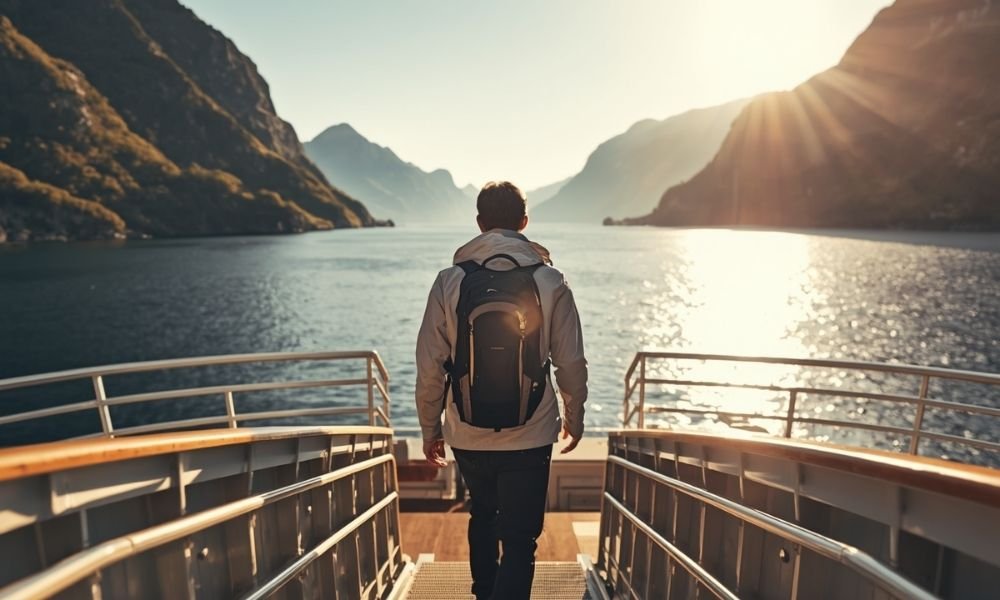
Nobody warns you about Scandinavia. They show you the pictures, sure, but pictures have been lying about this place for years because nothing that comes through a screen prepares you for the moment you round a corner on a Norwegian fjord trail and the water below you is doing things with color that you didn’t think water could actually do.
At midnight in Finland, you walk outside a cabin half-asleep and the Northern Lights are above the treeline, moving, alive, and suddenly you are very much awake and you have no one to call because there is no signal and honestly that is fine, that is fine.
Copenhagen in June will do the same thing to you at a café table with nothing stronger than coffee. The light comes in at that angle, the city slows down, and you sit there thinking this is what evenings are supposed to be.
People have been trying to describe this part of the world for centuries and keep falling short. You will too. Go anyway.
None of those moments care what jacket you have on. That part is true. But soaked feet on hour four of a trail, or a dead phone with no signal and no map, or waking up shivering at 2am because the sleeping bag was wrong, that stuff does not ruin the trip in some dramatic way. It just quietly chips away at it. It puts distance between you and the exact moment you came all this way for.
Good gear does not make the trip. It just stops getting in the way of it.
You are more ready than you think. Now go.
The Three Things to Remember Above Everything Else
- Layer, do not pile. Three purposeful layers built around a merino base, an insulating mid, and a waterproof shell will outperform any amount of bulky heavy clothing you could throw at a Nordic trip.
- Waterproof everything that matters. Your outer layer, your boots, your day pack, your camera gear, and your documents. Scandinavia is not hostile but it is wet, and the travelers who stay comfortable through that wetness are the ones who planned for it.
- Go lighter than become comfortable. Whatever you have packed, look at it one more time before you zip up that bag. There is almost certainly something in there that does not have a clear specific job to do on this particular trip. Take it out.
Most of the gear on this packing list pulls double duty on every other trip you take. If you want to see the full breakdown of travel essentials worth owning beyond Scandinavia, the best travel essentials guide covers the core items that work across every destination and every type of trip.
Where to Go from Here
If you are still building out your kit and want to see our hand-picked recommendations for the best travel essentials across every category, head over to our full travel essentials page where everything is organized by type, budget, and travel style.
You will also find destination guides for several of the specific places mentioned throughout this article. The Nordic countries reward the traveler who arrives curious, prepared, and willing to let the place surprise them. You have the prepared part handled now. The curious and willing parts are entirely yours to bring.
Norway, Finland, Denmark, and Sweden are waiting. Pack smart, travel light, and go find out what all the fuss is about. You will not be disappointed.
Planning a trip to one of these four countries specifically? Drop your destination in the comments below and tell us where you are headed. We read every single one and love helping readers plan their Nordic adventures in more detail.
And if this guide helped you, save it to Pinterest for later or share it with someone else who is planning their first Scandinavia trip. It honestly makes a difference.
As an Amazon Associate and other affiliate links, WanderVoyant earns a small commission from qualifying purchases, this comes at no additional cost to you