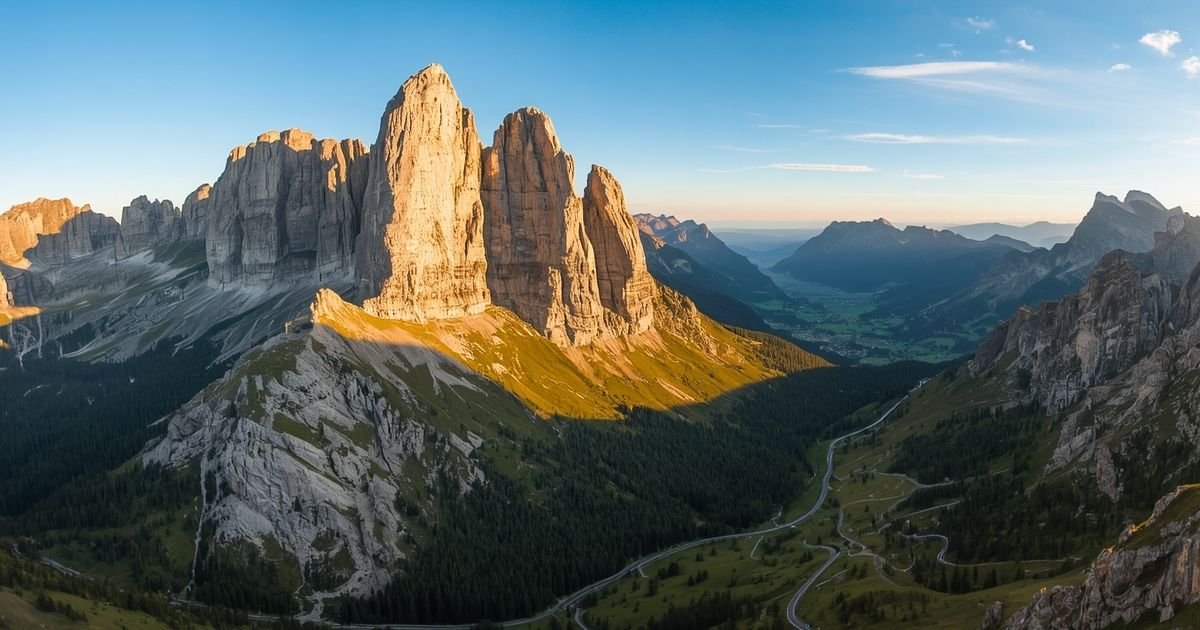
Bolzano day trips into the Dolomites are the best-kept secret in northern Italy. Two hours, sometimes less, and you’re standing in front of some of the most dramatic landscapes on the planet.
Is This Italy or Austria? Welcome to Bolzano
Step off the train in Bolzano and something can feels immediately, pleasurably wrong.
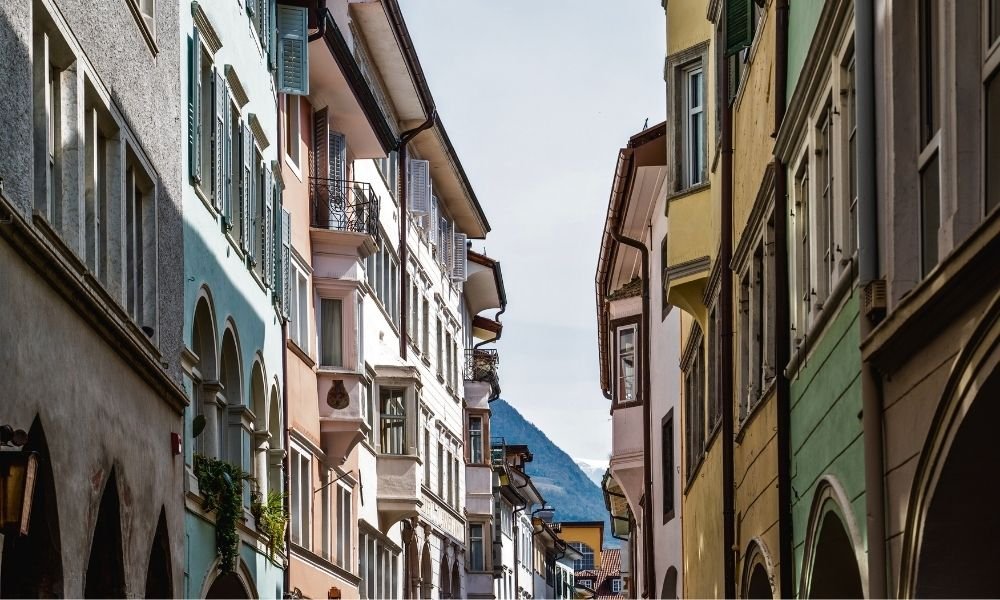
The street signs are in Italian and German. The pastry shop sells both strudel and cornetti. The man behind the counter answers in whichever language you open with, switches without thinking, and somehow that is completely normal here. The mountains behind the terracotta rooftops look like they belong in a fantasy novel. Pale, vertical, almost absurdly dramatic against a blue sky.
This is South Tyrol. Italy’s most culturally misunderstood corner. And if you’re trying to see the Dolomites without renting a car and white-knuckling mountain passes for a week, Bolzano is the base you’ve been sleeping on.
I keep recommending it to people who message asking about northern Italy, and I keep getting the same reply two weeks later: why didn’t I know about this place sooner.
Here’s everything you need for 48 hours.
Why Bolzano and Not Venice or Verona
Most people fly into Venice or Milan and then wonder why the Dolomites feel so far away. From Venice, you’re looking at nearly three hours each way to the highlights. That turns a day trip into an endurance event.
Bolzano is different. The city sits at 262 metres above sea level, already inside the mountains. The pale rock walls that glow pink and orange at sunrise (a phenomenon the Ladin-speaking locals call Enrosadira) are visible from the city centre. You wake up and they’re just there, looking at you.
Train connections are excellent from Innsbruck (one hour), Verona (one hour twenty), Trento (forty minutes) and Milan (three hours). Once you arrive, every major Dolomite destination is between 45 minutes and two hours away. That’s the difference between a day trip and an ordeal.
Day 1: The Great Dolomite Road & Tre Cime di Lavaredo
Morning: the drive that changes how you see mountains
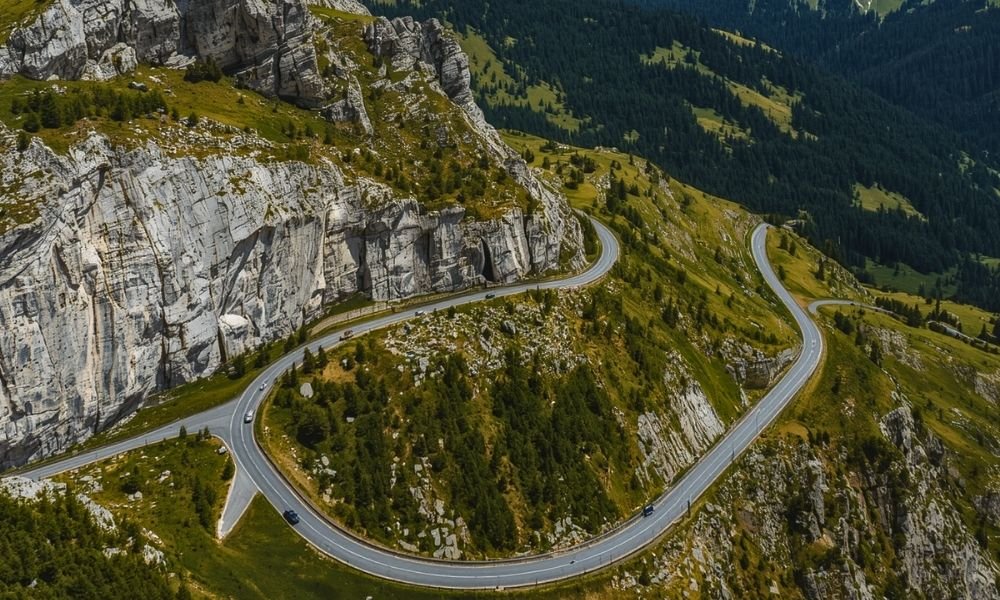
The Great Dolomite Road (Grande Strada delle Dolomiti) was built in 1909, back when building a 110 km road through this landscape was considered either a feat of engineering genius or collective insanity. Probably both.
The route threads through the Pordoi, Sella, and Gardena passes, all UNESCO World Heritage terrain, and it does not give you a moment to be bored. Every turn is a new configuration of the same impossible landscape. Pale rock, green valley, blue sky. Then again. Then again differently.
Driving it yourself is genuinely enjoyable if you’re comfortable on mountain hairpins. If you’d rather look out the window instead of gripping the wheel, a guided tour is the right call. A good local guide will stop at viewpoints that don’t appear on Google Maps and actually explain why these mountains look the way they do (the short answer involves ancient tropical seabeds, which sounds insane until you’re standing 2,000 metres up looking at fossil coral in the rock face beside you).
Book: Great Dolomite Road Full-Day Tour — GetYourGuide
Group and private options. Hotel pickup from Bolzano included.Book: Private Dolomites Mountain Tour — Viator
Customisable route, ideal if you’re travelling with a photographer or want to control the pace.
Afternoon: Tre Cime di Lavaredo
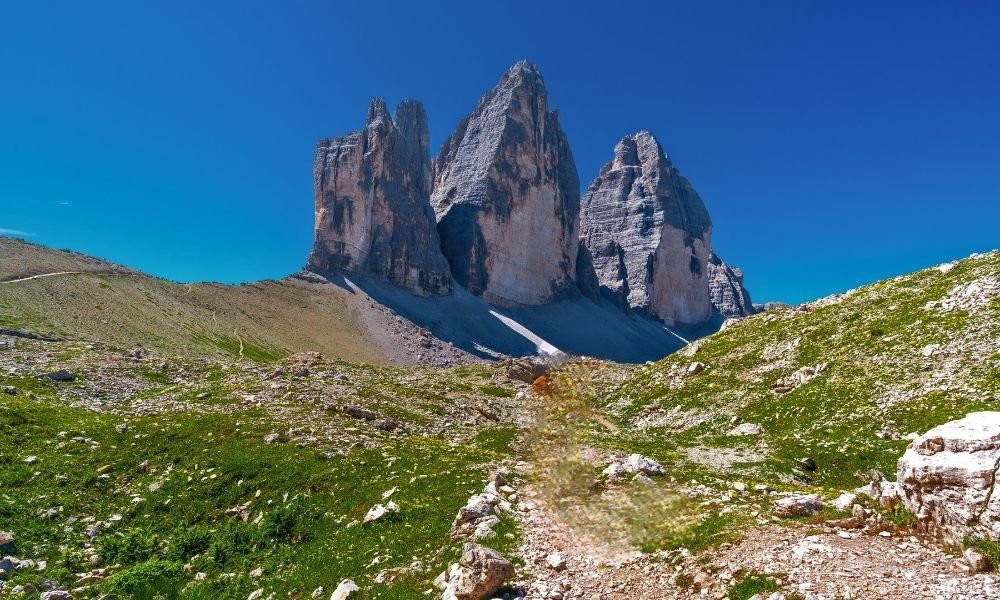
There’s a reason every Dolomites mood board looks the same. The Tre Cime are three vertical limestone towers rising to 2,999 metres, and they are simply one of the most remarkable things you can stand in front of in Europe. Photos prepare you for the shape but not the scale.
The classic loop trail around all these three peaks takes about two and a half to three hours and is accessible for most fitness levels. Wear actual walking shoes. The terrain is rocky and uneven, and you’ll feel it in your ankles if you show up in trainers. The late afternoon light turns the stone a deep copper colour that’s worth timing your arrival for.
Transfer services from Bolzano cover the 2.5-hour drive each way. Book in advance. This is not a trip you want to improvise in peak season.
Book: The Best of Dolomites 3 Cime Guided Hike — GetYourGuide
Day 2: Lake Braies & Ötzi the Iceman
Morning: the lake you’ve already seen a hundred times
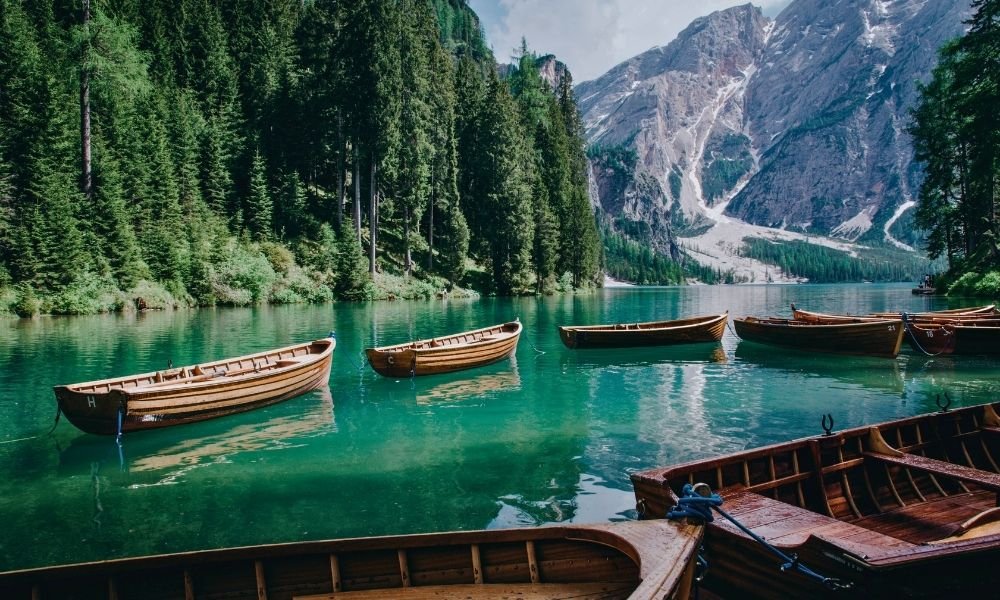
You know Lake Braies even if you don’t know its name. It’s the turquoise alpine lake with the red rowboat and the jagged white peaks behind it. It lives on every “hidden gems of Italy” list despite being, at this point, extremely not hidden.
Go anyway. It earns the attention.
The key is arriving before 9am, when the light is soft and the water is completely still and the whole place is like it exists just for you. By 11am the shuttle buses are arriving and the dock is crowded and it becomes a different experience. Still beautiful, but shared differently.
The lakeside trail is 3.7 km, takes about an hour at a gentle pace, and requires zero hiking experience. Rowing boats are available to hire. In winter, parts of the lake freeze and the landscape turns into something else entirely. One of the better-kept secrets about this destination is how extraordinary it is in December.
Private vehicles are restricted during peak season, so a direct transfer or day trip is the most straightforward way in.
Afternoon: a 5,300-year-old murder victim
Back in Bolzano, there’s a man in a refrigerated case at the South Tyrol Museum of Archaeology who has been waiting here since 1998.
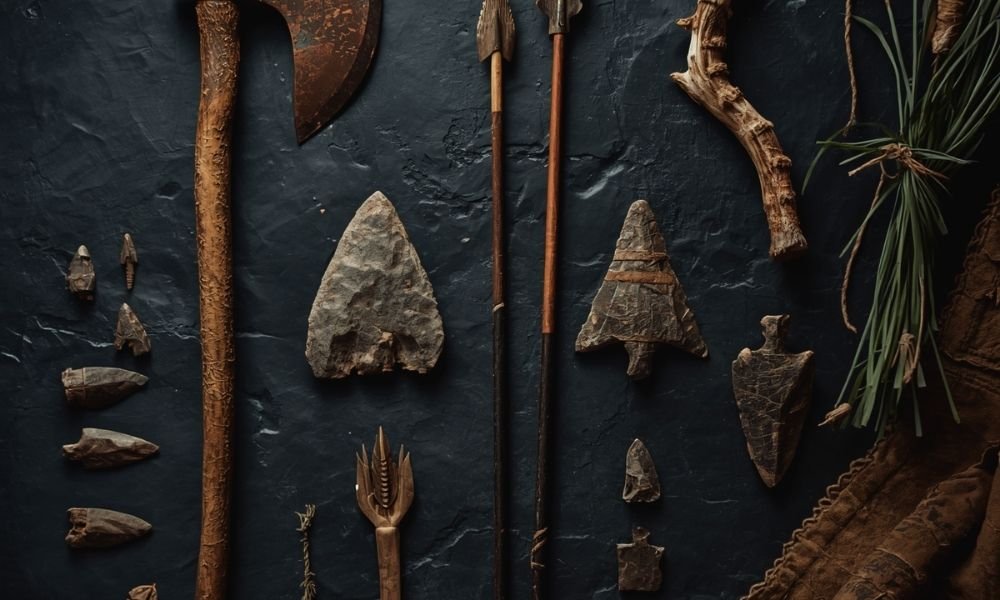
He’s been dead considerably longer than that. Ötzi the Iceman was discovered in 1991 by two hikers on the Ötztal Alps glacier near the Austrian border. He was 45 years old when he died, had brown eyes, was lactose intolerant, and was murdered. An arrowhead lodged in his left shoulder, which the initial examination somehow missed entirely. He is the oldest and best-preserved natural human mummy on earth and seeing him in person, through the small cold window of his display case, is genuinely strange and moving in ways I didn’t expect.
The museum tells the full story methodically and well. His last meal was red deer, einkorn wheat, and some kind of fatty meat, eaten about an hour before he died. His copper axe is there. His grass cape. The twenty-year forensic investigation that eventually figured out how he ended up frozen in a glacier. It’s the kind of place that makes two hours disappear without noticing.
A guided walk through Bolzano before or after the museum adds useful context. The city sits on thousands of years of layered history, Roman to medieval to Habsburg to Italian, and understanding that makes Ötzi feel less like an isolated curiosity and more like a starting point.
Don’t Just Use Bolzano as a Launchpad
The temptation is to treat the city purely as logistics. Don’t.
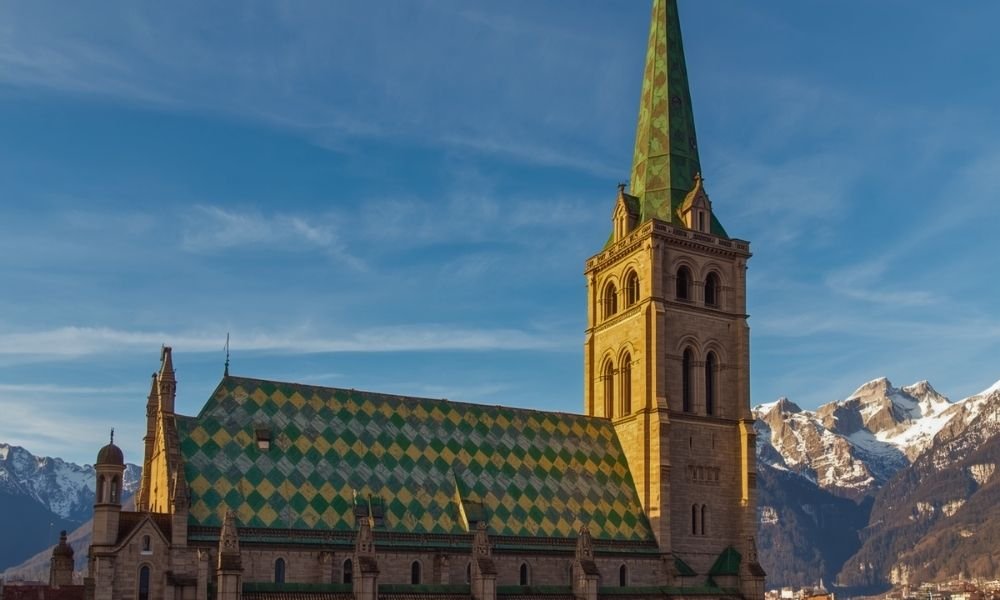
Piazza Walther is worth sitting in for a coffee. It’s named after the medieval German troubadour Walther von der Vogelweide and flanked by the Gothic Cathedral, the one with the diamond-patterned polychrome tile roof that looks like it belongs somewhere in Vienna and somehow ended up here. There’s a Christmas market in December that consistently ranks among the best in Italy, if that means anything to you.
The Lauben, the old arcaded streets running through the medieval centre, are lined with wine shops, butchers selling local Speck, bakeries, and small restaurants where the menu is in both languages and the wine list leads with South Tyrolean whites. The Pinot Grigio from this region is not the thin, mass-market variety you’re used to.
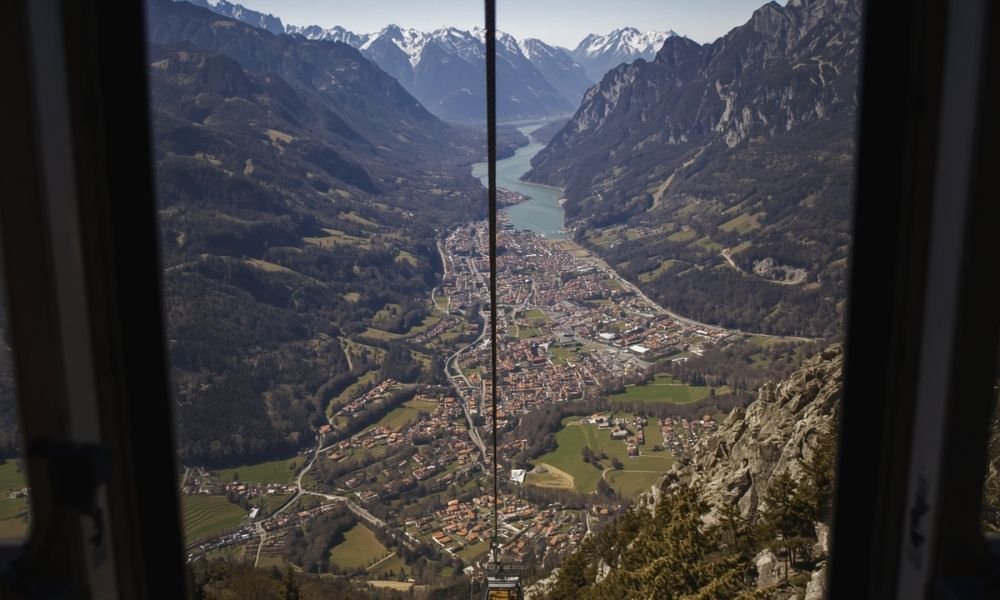
The cable car up to Soprabolzano takes twelve minutes and gives you the view that makes everything click. The city below, three rivers meeting, the valley floor, mountains on every side. It’s the moment where Bolzano stops being a transit point and starts being a place.
Practical Notes (the actual useful kind)
Getting here: Most people arrive by train. Trenitalia runs direct from Verona (1h 20min), Innsbruck (1h), Trento (40min) and Milan (3h). Bolzano has a small airport but it’s not well-served internationally.
When to go: June through September for hiking. The Tre Cime and Lake Braies trails are snow-free and at their best from late June. Late July and August are busy, manageable if you book tours and transfers in advance, but slightly exhausting at the most popular viewpoints. December is underrated: the Christmas market, quieter trails, the frozen lake.
Getting around on day trips: Don’t wing it in peak season. Parking at Lake Braies and Tre Cime is restricted and fills early. Book transfers or tours. This genuinely makes the difference between arriving relaxed and arriving having spent an hour looking for somewhere to leave the car.
Travel insurance:
Hiking the Dolomites is not extreme sport, but it’s still mountain terrain. Weather shifts fast at altitude, trails get slippery after rain, and a twisted ankle at Tre Cime means a rescue you absolutely do not want to pay for out of pocket. If you’re not already covered, sort it before you fly. I use SafetyWing for most of my trips, it covers medical, emergency evacuation, and trip interruption at a price that makes not having it feel a bit silly. You can check what it costs for your trip and dates below.
Where to stay: The city centre is compact and walkable. Staying near Piazza Walther or along Via dei Portici puts you within ten minutes of the train station, the museum, and most tour pickup points.
Language: Italian and German are both official. English is widely spoken at hotels, restaurants and tourist sites. One phrase in either language goes a long way. Locals notice and appreciate it.
One Last Thing
Bolzano has this quality of making you revise something. You arrive thinking you know what Italy looks like and then it turns out you only knew part of it. The language, the food, the architecture, the landscape. All of it slightly different from what you expected, all of it better for it.
48 hours is enough to feel it. It’s not enough to exhaust it and get the best of the Bolzano day trips Dolomites.
Come back.
Found this useful? Pin it, share it, send it to whoever is planning an Italy trip and hasn’t thought about the north yet. More guides at WanderVoyant.com.
This post contains affiliate links to GetYourGuide and Viator. If you book through these links, WanderVoyant earns a small commission at no extra cost to you. I only recommend experiences worth your time and money.