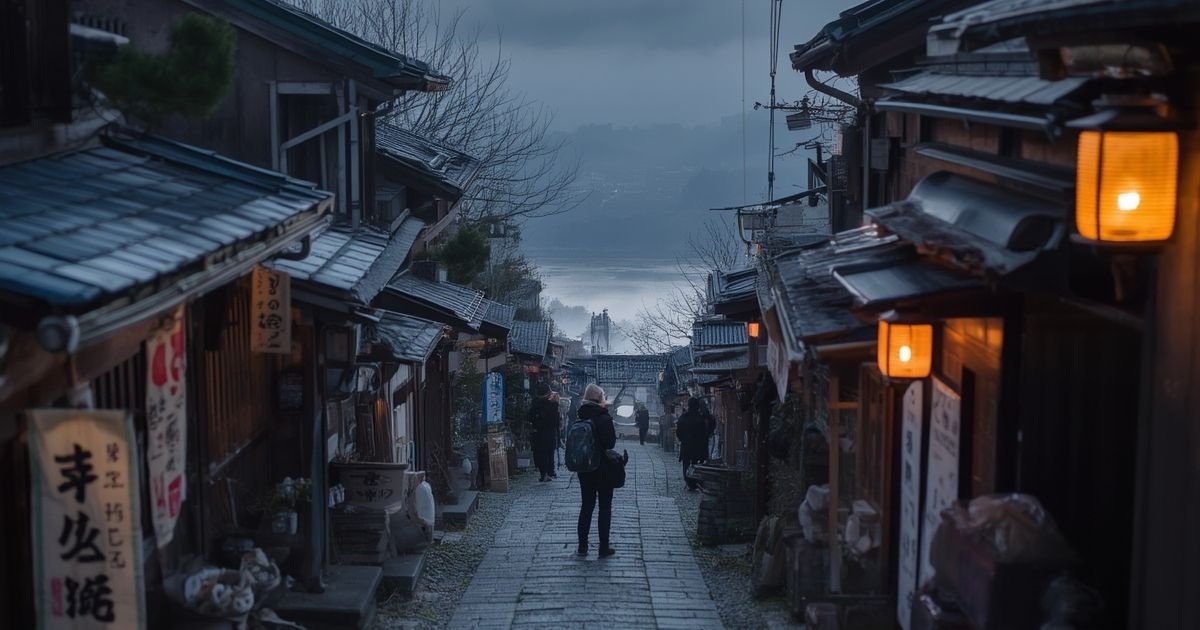
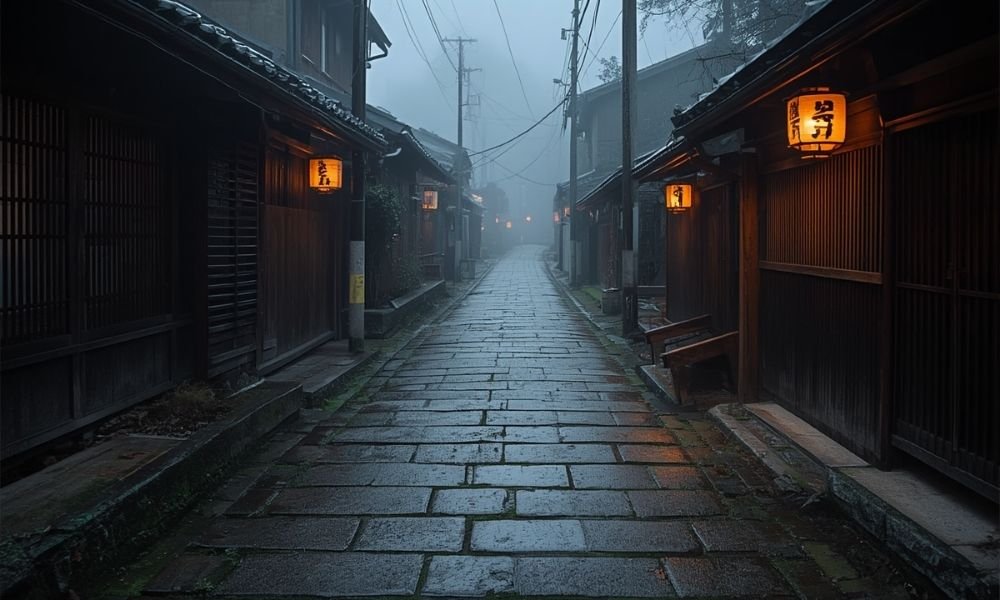
The lanterns are still lit at 6 AM when you start this Kyoto solo travel guide the right way. You are standing on a stone path in Higashiyama, and the only sound is your own footsteps. A shopkeeper somewhere is sliding open a wooden shutter. The air smells like cedar and cold river water. You have not seen another tourist. You have not checked your phone. For the first time on this trip, your shoulders drop. You breathe.
This is not a fantasy. This is what happens when you stop trying to see Kyoto the way the internet told you to see it.
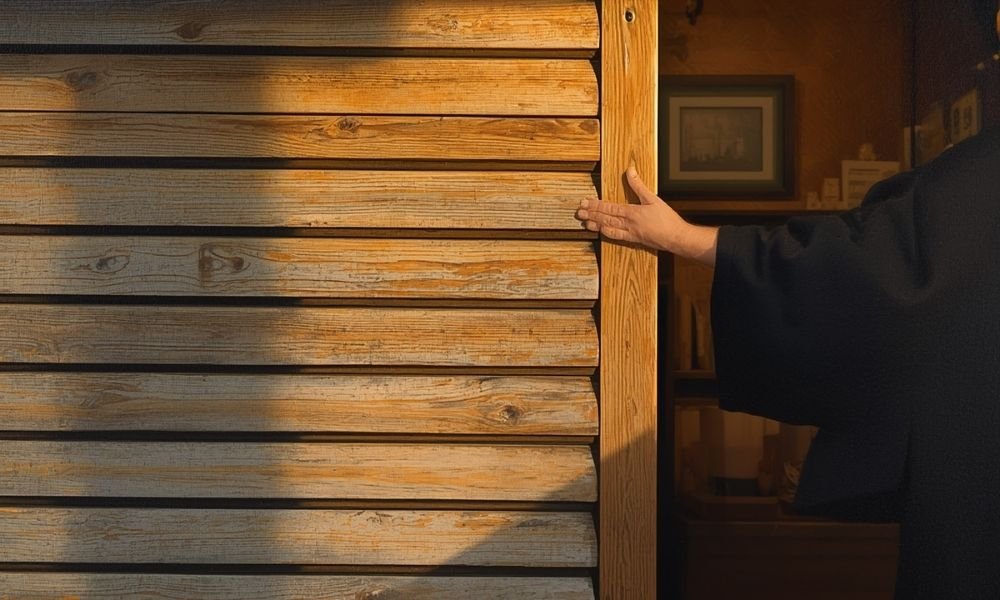
You are here because something in you said yes before your fear could say no. Maybe it was a photo. Maybe it was a friend who came back different. Maybe you are 27 and tired of waiting for someone to go with you. Whatever brought you to this guide at 11 PM with ten tabs open, know this: Kyoto is arguably the single best city in the world for a first solo trip. Not because it is perfect. Because it is safe, walkable, and built on a culture of quiet respect that makes being alone feel like a privilege, not a vulnerability.
This guide will not send you to the same overcrowded temples every blog recommends. It will not pretend cherry blossom season is peaceful. It will give you a real itinerary, real safety advice, and real hidden places that most travelers never find. By the end, you will know exactly where to be at 5:30 AM, which alley to turn down behind Nishiki Market, and why the oldest restaurant in the world is worth a train ride across the city.
You are going to be fine. Even better than fine.
Why Kyoto (Not Tokyo) for Your First Solo Trip
You have already Googled this. “Kyoto or Tokyo for first solo trip?” The algorithm served you a hundred listicles with the same generic pros and cons. Here is the honest answer from people who have done both alone.
Kyoto moves at a pace you can actually feel.
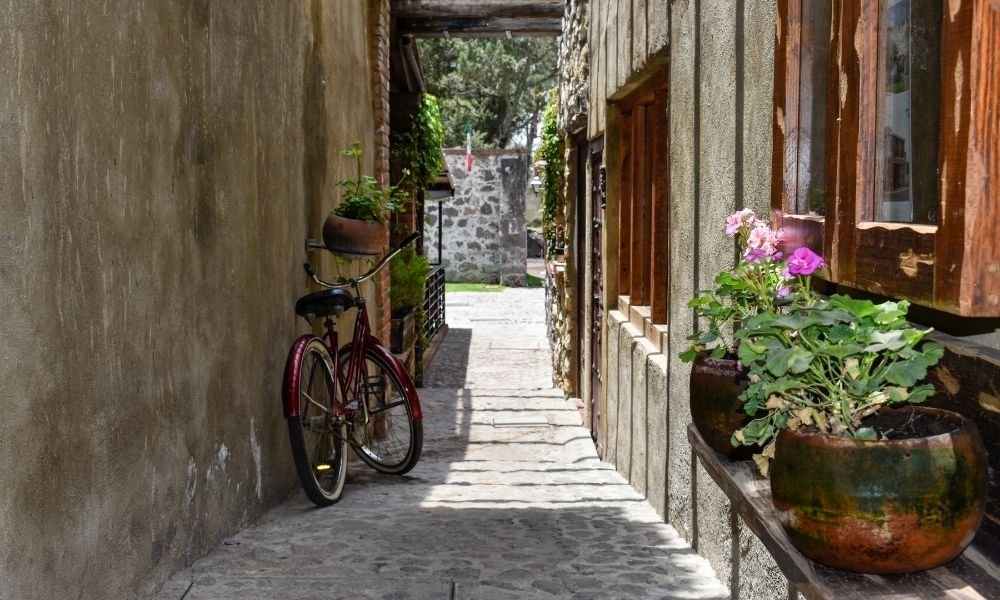
Tokyo is magnificent, but it is a machine. It swallows you. The subway maps look like circuit boards. The neighborhoods sprawl for miles. You can spend an entire day underground and never see sunlight. For a first-time solo traveler, especially one traveling alone for the first time, Tokyo asks too much too fast. You spend your energy navigating instead of experiencing.
Kyoto is different and this is why, the city is compacted, you can walk across the historic core in one afternoon. The buses run on time and the stops are announced in English. The streets have names you can remember. You will get lost less, and when you do get lost, it will be in a neighborhood worth wandering.
The safety reality is not a myth.
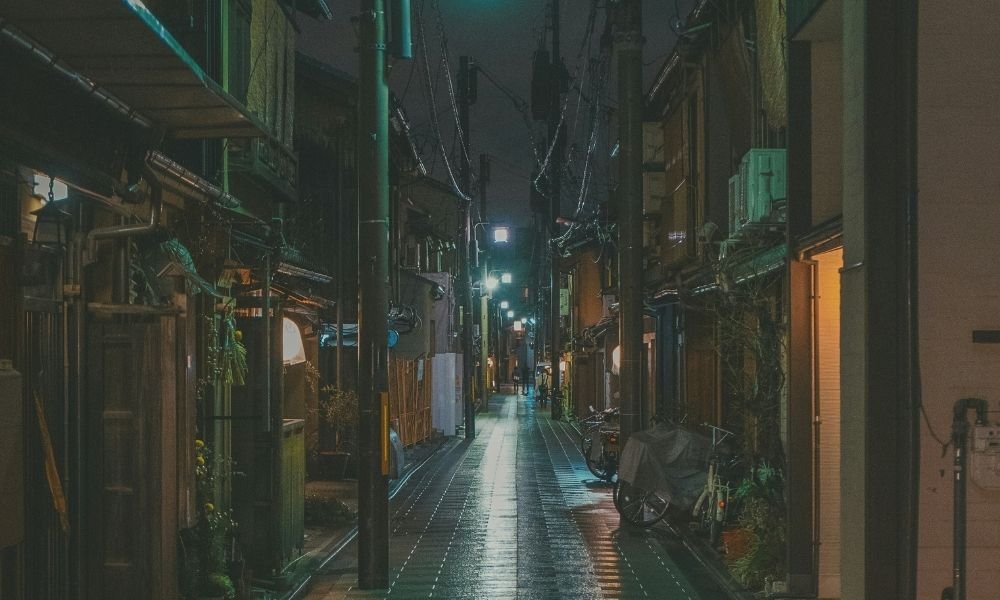
Japan consistently ranks among the safest countries in the world for solo female travelers, and Kyoto is safer than most Japanese cities. Violent crime against tourists is virtually nonexistent. Street harassment is rare enough that you will notice its absence. Solo women walk through Gion at midnight without concern.
But here is the nuance nobody talks about: safety in Kyoto is not just about crime statistics. It is about the culture of public space. People do not bother you. Shopkeepers do not pressure you. Men do not approach you on the street. The city is designed for you to move through it unnoticed, which is exactly what you want when you are alone in a foreign country for the first time.
Solo travel in Kyoto feels different because the culture of quiet respect is real.
In Kyoto, being alone is not something to fix. You will see elderly women eating lunch alone at counter restaurants. You will see businessmen drinking beer alone at standing bars. Nobody pities them. Nobody stares at you. The social pressure to be with someone simply does not exist here the way it does in the West.
This matters more than you think. Your first solo trip will shape how you feel about traveling alone for the rest of your life. If you spend it in a city that makes your solitude feel like a problem, you will come home exhausted and hesitant. If you spend it in a city that treats your solitude as normal, you will come home confident and hungry for more.
The one thing experienced solo travelers never skip
Before going further, something practical. Nobody who travels solo regularly goes without SafetyWing travel insurance, and you should not either. Not because something terrible is going to happen. Because the one time you need it, you really need it. Japan has excellent healthcare, but it is not free for tourists.
A single night in a Japanese hospital can cost more than your entire flight. SafetyWing covers medical emergencies, trip interruptions, and the kind of random bad luck you cannot plan for. It is the one expense experienced travelers never question. Get it sorted before you book anything else.
Before You Book: The Honest Planning Checklist
Best Time to Visit (The Truth About Cherry Blossom Season)
Every travel blog will tell you to visit Kyoto in spring for the cherry blossoms. What they will not tell you is that cherry blossom season is a traffic jam with petals. The Philosopher’s Path, which this guide will send you to in November, becomes a shoulder-to-shoulder conveyor belt of selfie sticks in April. Temples that feel spiritual at dawn feel like theme parks at noon. Hotels triple their prices. Restaurants stop taking walk-ins.
If you want cherry blossoms, go. They are genuinely beautiful. But go knowing what you are buying. You are not buying peace. You are buying a postcard, and you will pay for it in crowds and cash.
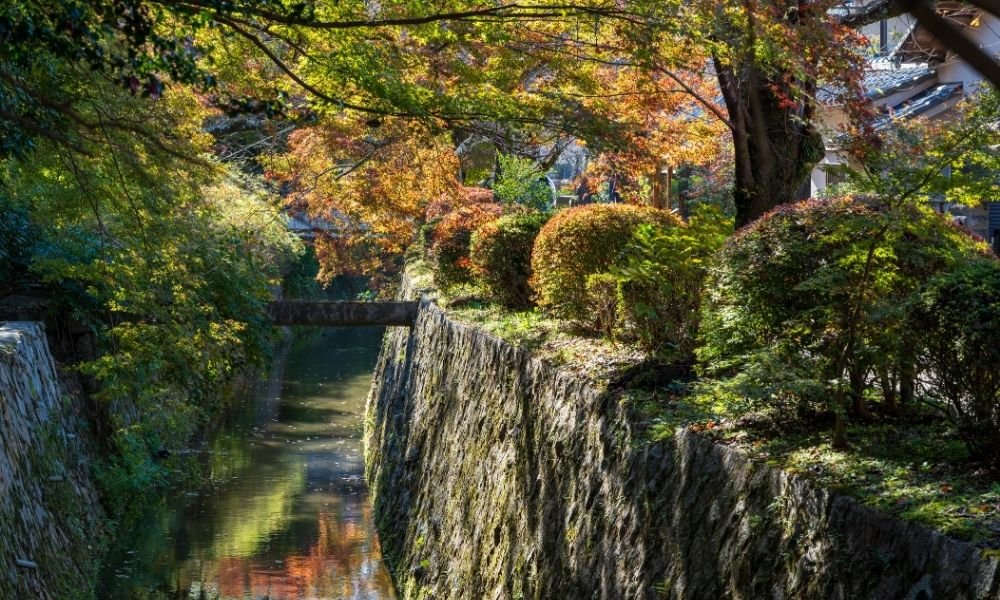
Here is the better answer nobody gives you: late October through mid-November. The autumn foliage in Kyoto is as stunning as the sakura, and the crowds are half what they are in spring. The light is softer. The air is cooler. The city smells like roasted chestnuts and woodsmoke. You can actually hear yourself think at Kiyomizu-dera. You can get a table at a restaurant without a reservation made three months ago.
If you must go in spring, aim for late February to early March for the plum blossoms. Same delicate pink, a fraction of the tourists, and the locals actually prefer them.
Summer (June to August) is humid and crowded with domestic tourists. Winter (December to February) is cold and quiet, which some travelers love, but many temples close early and the city feels shuttered.
The recommendation: the last two weeks of November. Book it now.
How Many Days You Actually Need
Travel blogs say three days. They are wrong. Three days in Kyoto is a checklist, not a trip. You will spend your time rushing from temple to temple, taking the same photos as everyone else, and leaving without understanding why the city matters.
You need five full days. Not four. Not “four if you push it.” Five.
Day one is arrival and orientation. You are jet-lagged. Your brain is foggy. You will waste it anyway if you try to sightsee. Use it to walk, to get lost on purpose, to find the convenience store near your hotel and the coffee shop where the owner nods at you on day three.
Days two through four are your deep days. The temples, the hidden alleys, the meals you will remember. Day five is your buffer. It is the day you go back to the place that surprised you. It is the day you sit in a garden longer than you planned. It is the day you realize you do not need an itinerary anymore because you understand the rhythm of the city.
If you only have three days, do not come to Kyoto yet. Wait until you have five. The city deserves it, and so do you.
Budget Breakdown: What Kyoto Actually Costs
Kyoto is not cheap like they always say, but it is not Tokyo expensive either. Here is what a comfortable solo trip costs per day, based on actual spending from solo women travelers.
Accommodation: 8,000 to 15,000 yen ($55 to $105 USD) for a clean, safe, well-located single room in a business hotel or guesthouse. You can go cheaper with hostels (3,000 to 5,000 yen) or splurge on a ryokan (20,000 to 40,000 yen with dinner included). For a first solo trip, the middle range is recommended. You want your own room. You want a door that locks. You want to sleep without worrying about the person in the bunk below you.
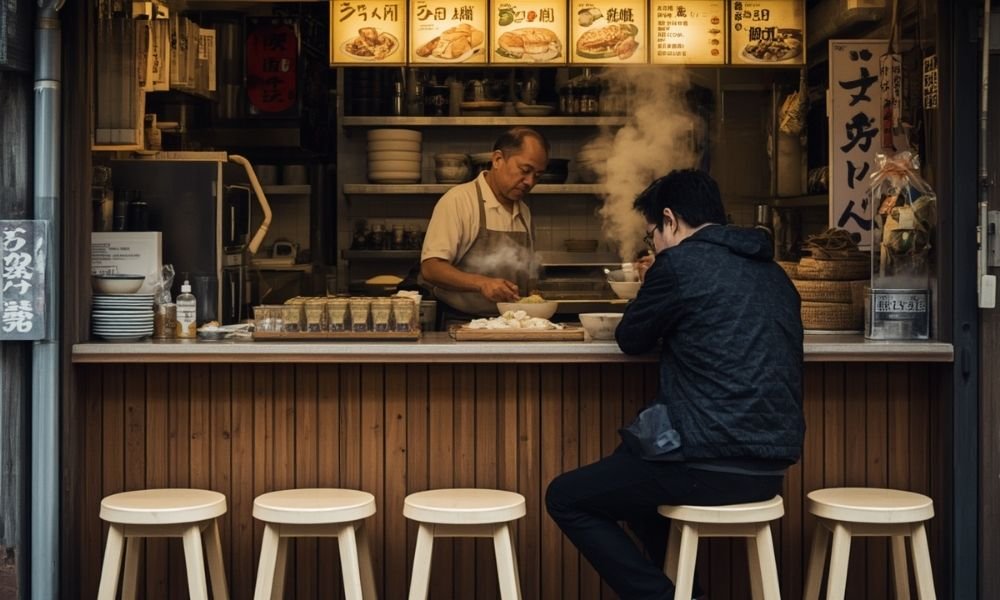
Food: 4,000 to 7,000 yen ($28 to $50 USD). Breakfast is a coffee and onigiri from a convenience store (300 yen). Lunch is a set meal at a local restaurant (1,000 to 1,500 yen). Dinner is where you splurge or save. A standing ramen bar is 900 yen. A proper kaiseki meal is 8,000 yen. Most nights, you will land somewhere in between. The categories later in this guide will keep you fed well without bleeding money.
Transportation: 1,000 to 1,500 yen ($7 to $10 USD) per day if you are staying central and walking. The bus day pass is 700 yen. Train rides within the city are 220 to 400 yen each. The IC card, which is covered later, makes this invisible.
Temples and activities: 1,000 to 2,500 yen ($7 to $17 USD). Most temples charge 500 to 800 yen. Some are free. The hidden gems in this guide tend to be cheaper and emptier than the famous ones.
Total daily budget: 14,000 to 26,000 yen ($95 to $180 USD) for a comfortable, non-backpacker solo trip. You can do it for less. You can easily spend more. But this is the honest middle ground where you feel safe, fed, and not stressed about every yen.
What to splurge on: one good dinner, one ryokan night if you can swing it, and the Kurama Onsen day trip.
What is free and better than the paid stuff: Imperial Palace Park at dusk, Fushimi Inari at dawn, and every single alley in this guide.
Where to Stay by Neighborhood
Your neighborhood choice will shape your entire trip. Here is the breakdown nobody gives you.
Higashiyama
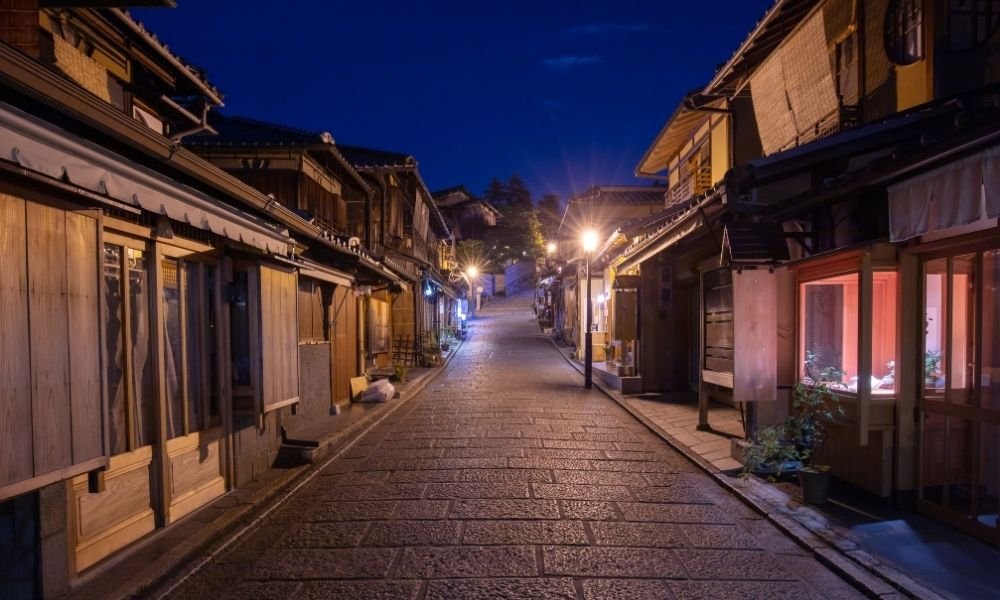
This is where you stay if you want to wake up inside a postcard. The streets are narrow, the buildings are wooden, and the temples are everywhere. You can walk to Kiyomizu-dera in ten minutes. You can get lost and not mind.
The vibe is atmospheric and old Kyoto. The downside is that restaurants close early and the hills are steep. If you have mobility issues or plan to go out late, this is not your neighborhood.
Safety: Excellent. Solo women walk here at night without concern.
Solo-friendliness: High during the day, moderate at night when it gets quiet and dark.
Best for: First-timers who want the classic Kyoto experience and do not mind early nights.
Fushimi
South of the main tourist zone, Fushimi is where sake is made and locals actually live. It is quieter, cheaper, and feels less like a museum. The train to central Kyoto takes fifteen minutes.
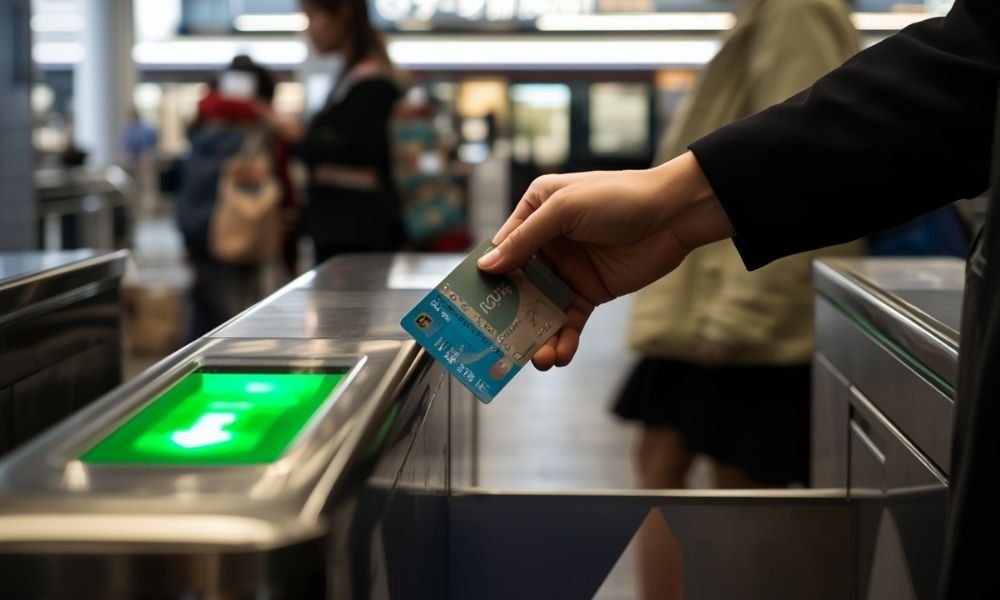
The vibe is residential and local. You will share the train with commuters, not tourists. The downside is that you are not walking distance from the major sights.
Safety: Excellent. This is a family neighborhood.
Solo-friendliness: Very high. You will stand out less here than anywhere else in the city.
Best for: Travelers who want to feel like they live in Kyoto, not just visit it.
Downtown Kawaramachi
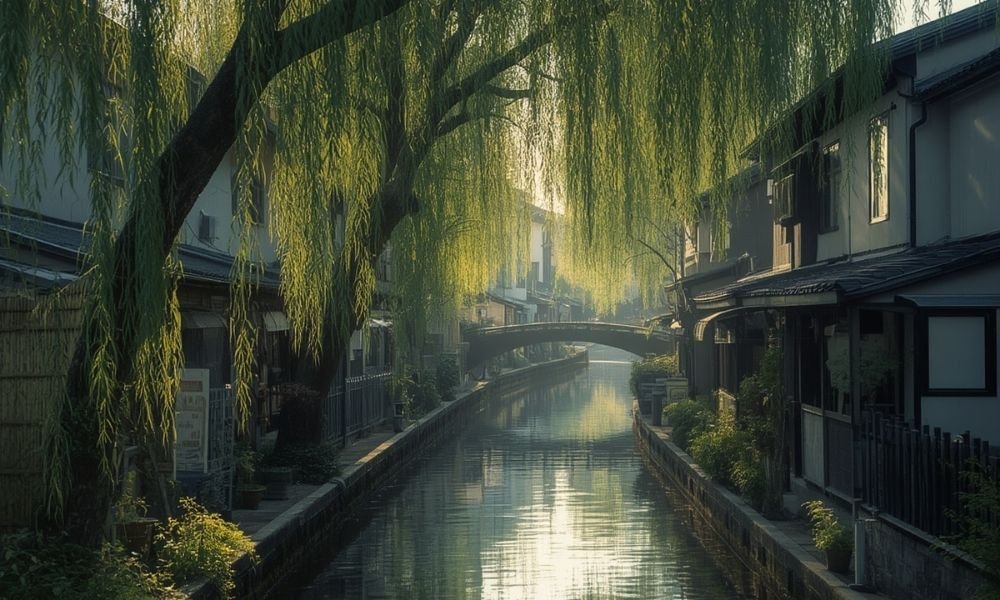
Here is the commercial heart of the city. Where you have those department stores, restaurants, bars, and the Nishiki Market. You can walk to most of central Kyoto from here. The subway and bus connections are the best in the city.
What I know about here is that the vibe is very convenient and lively. The downside is that it can be like many of those modern Japanese city, which means you sacrifice some of the old Kyoto atmosphere.
Safety: Excellent. Well-lit, well-trafficked, with police boxes on every other corner.
Solo-friendliness: Excellent. This is where solo travelers stay when they want options.
Best for: First-timers who want convenience, nightlife access, and the ability to change plans without logistical stress.
The recommendation: If it is your first time and you are traveling alone, stay in Kawaramachi for three nights and Fushimi for two. You get the convenience and the local feel. You learn the city from two angles. You do not get bored.
The Flight Booking Tip That Actually Works
Experienced travelers search flights through Travelpayouts first. Not because it is the only way, but because it aggregates the budget carriers that do not always show up on the big sites. For Kyoto, you are flying into Kansai International (KIX) or Osaka Itami (ITM). KIX is the main hub, an hour from Kyoto by train. Itami is closer but handles mostly domestic flights.
The trick nobody mentions: check flights to Osaka and Tokyo separately. Sometimes a flight to Tokyo plus a Shinkansen to Kyoto is cheaper than a direct flight to Kansai, especially from the US east coast. The bullet train is part of the experience anyway. Do not be afraid of the connection.
What Should Already Be in Your Bag
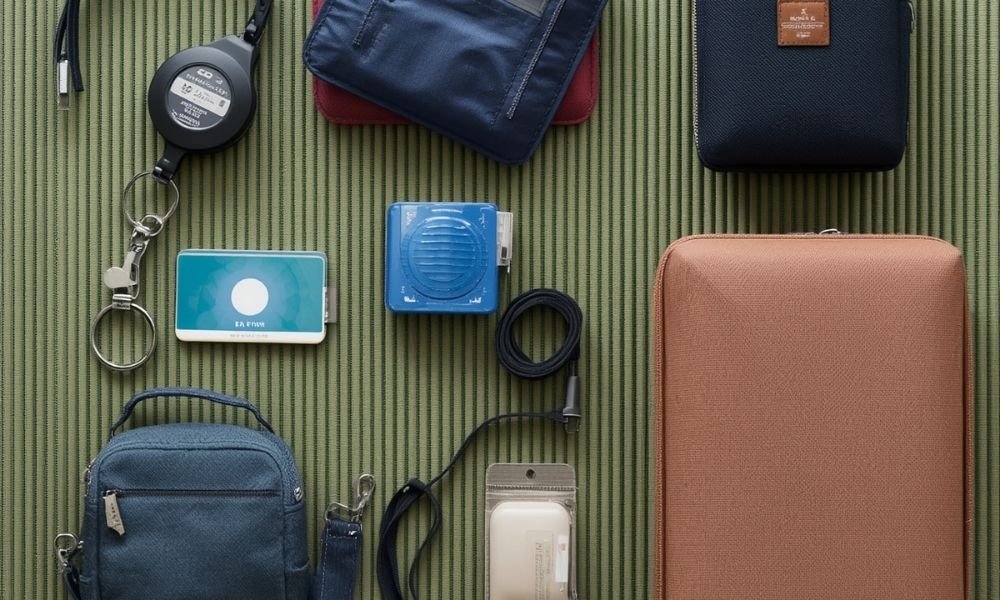
Four things no experienced traveler goes to Japan without. None of them are exciting, but all of them save stress you do not need on your first solo trip.
An IC card holder with a retractable reel. You will tap your Suica or ICOCA card twenty times a day. Digging it out of your bag every time is maddening. A holder on a reel clips to your bag or belt loop. It becomes invisible and indispensable.
A pocket WiFi device or eSIM. Google Maps offline works in a pinch, but real-time navigation, translation, and the ability to look up a restaurant when you are standing in front of it are worth the rental fee. Sakura Mobile and Ninja WiFi both deliver to the airport.
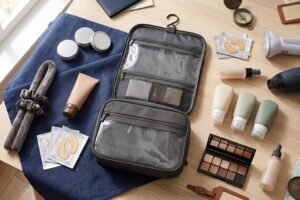
Packing cubes in two colors. One color for clean clothes, one for dirty. Japan is humid. You will sweat through shirts faster than you expect. Knowing what is wearable without unfolding everything is a small sanity saver that compounds over five days.
A neck wallet for your passport, backup cash, and IC card. Not for daily use. For the moment you realize your day bag is not as secure as you thought. Wear it under your shirt on trains and in crowds. It is not paranoia. It is insurance against the one afternoon you get distracted by something beautiful.
The Hidden Gems Nobody Puts on a List (But Should)
This is the section you will have to screenshot, a section you will send to your friend who is also thinking about going. These are not the temples that show up on every “Top 10 Kyoto” list. These are the places that make you pause and think, “How does nobody know about this?”
Each one includes the name, the neighborhood, why it matters, the best time to go, the one thing to do there, and one local tip that changes the experience.
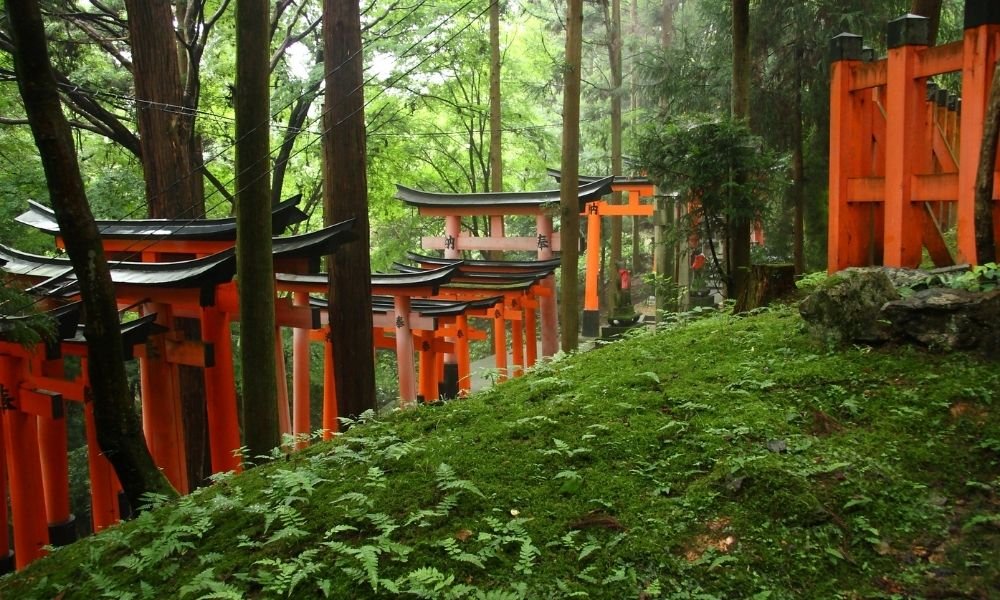
Fushimi Inari at 5:30am
Neighborhood: Fushimi
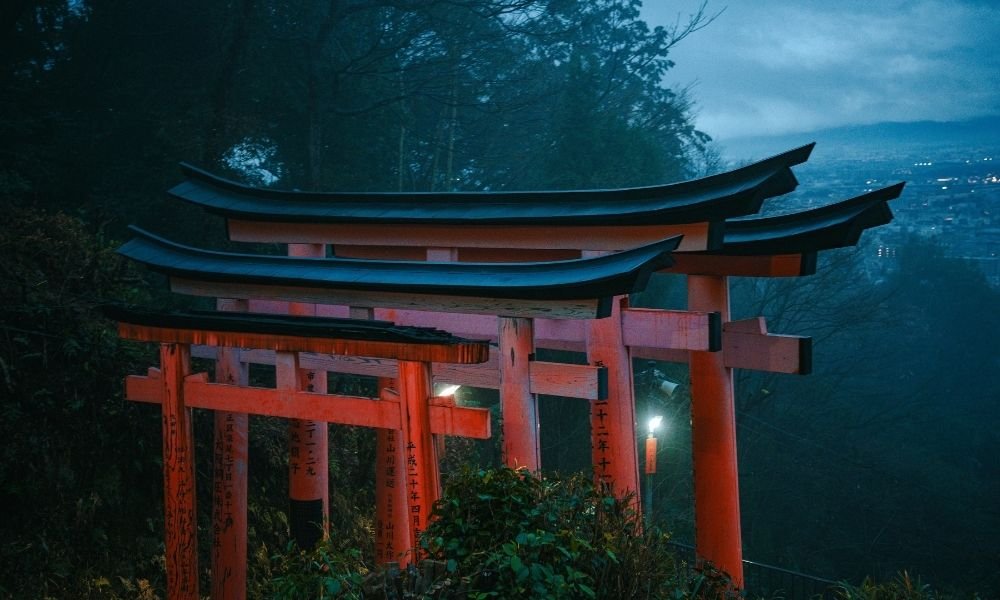
Why it is special: You have seen the photos. Thousands of vermillion torii gates winding up a forested mountain. What you have not seen is what happens when you arrive before the sun clears the ridge. The gates are damp with dew. Your footsteps echo. The only other people are a few elderly Japanese hikers who nod at you like you belong there. By 7am, the tour buses arrive and the magic evaporates. At 5:30am, you own the mountain.
Best time to go: Any morning, but especially in late autumn when the mist hangs between the trees and the light filters through the gates in horizontal beams.
The one thing to do: Do not turn back at the main viewpoint. Everyone does. Keep climbing. The trail splits into a full circuit that takes about two hours. The upper shrines are smaller, moss-covered, and completely empty. You will pass a tiny teahouse halfway up that opens at irregular hours. If it is open, stop. The amazake is made on site and tastes like liquid warmth.
Local tip: Bring a headlamp or use your phone flashlight for the first twenty minutes. The lower gates are unlit and the stone steps are uneven. Also, the mountain is sacred. Do not speak loudly. Do not play music. The silence is the point.
Otagi Nenbutsu-ji Temple
Neighborhood: Arashiyama
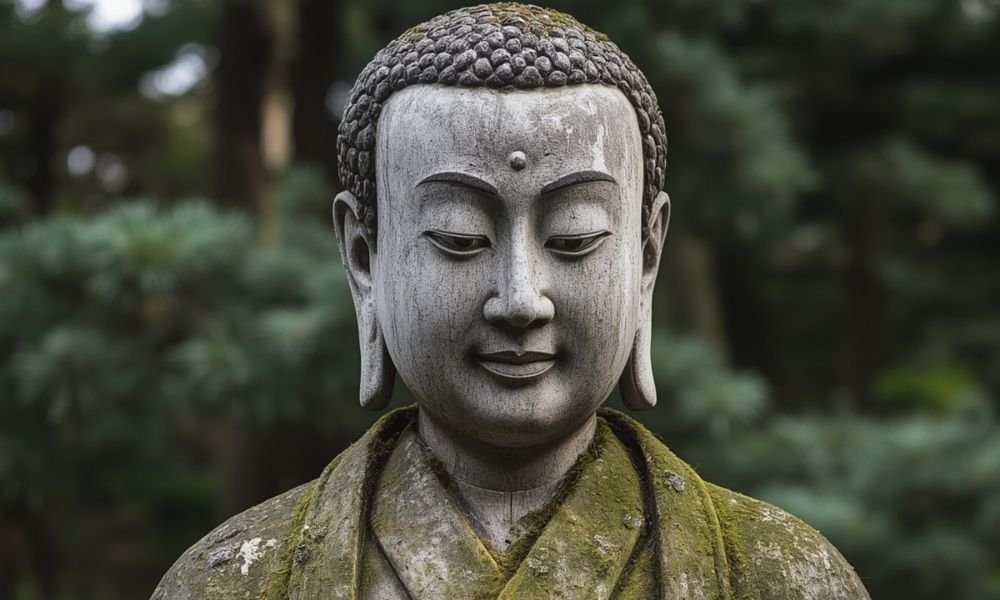
Why it is special: Twelve hundred stone rakan statues, each one carved with a different face. Some laugh. Some sleep. One covers its ears. Another holds a wine glass. They were carved by amateur sculptors in the 1980s under the guidance of a single master, and the result is a mountainside full of personalities. You will not find this in any other temple in Japan. You will not find more than a handful of tourists either.
Best time to go: Late afternoon, around 3pm, when the light slants through the cedar trees and the moss glows. The temple closes at 4pm, so you will have an hour of near-solitude.
The one thing to do: Pick one statue and really look at it. Not a glance. A study. Notice the tool marks. The moss growing in the creases of the robe. The expression that does not translate into any language you know. These were carved by people, not machines, and it shows in the imperfections.
Local tip: The walk from the main Arashiyama tourist strip takes forty minutes uphill. Take a taxi or the bus. The path is pretty but exhausting, and you want your energy for the temple itself. Also, the temple requests a 300 yen donation. Bring exact change.
Nishiki Market Side Alleys
Neighborhood: Downtown Kawaramachi
Why it is special: Nishiki Market itself is fine. Covered arcade, food stalls, lots of samples. It is also where every tour group in Kyoto converges at 11am. The real discovery is one block behind the market, in the lanes where the actual chefs shop. Knife shops that have sharpened blades for four generations. Tofu makers who sell directly from a window. A pickle stall where the owner gives you a sample and then ignores you, which is the highest compliment a Kyoto merchant can pay.
Best time to go: 8am on a weekday. The market is still setting up. The side alleys are active with delivery trucks and locals buying breakfast. You will see what the city actually eats.
The one thing to do: Buy something you cannot identify. Point at a container of fermented soybeans or a block of yuba and ask, “Kore wa nan desu ka?” The shopkeeper will explain, slowly, with gestures. You will not understand half of it. You will buy it anyway. You will eat it in your hotel room later and either love it or hate it. Either way, you will have a story.
Local tip: Do not photograph shop interiors without asking. Some of these businesses are family homes as much as stores. A nod and a gesture toward your phone is enough. Most will wave you in. Some will not. Respect both.
Philosopher’s Path in November
Neighborhood: Higashiyama
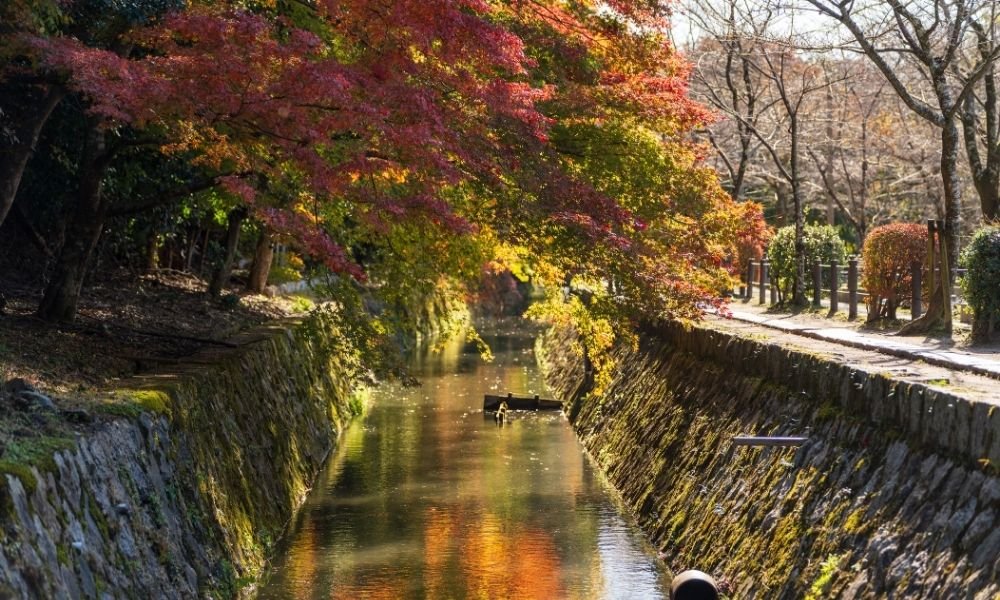
Why it is special: Everyone knows this path in spring, when the cherry trees overhang the canal and the petals fall like snow. Almost nobody talks about November, when the maples turn the water red and the light is so thin it feels like you could tear it. The path is two kilometers of quiet houses, small temples, and the occasional cat sunning itself on a stone wall. In spring, you share it with a thousand people. In November, you might share it with ten.
Best time to go: A weekday morning after a cold night. The frost on the stones makes the colors sharper. The mist off the canal softens everything else.
The one thing to do: Stop at Honen-in Temple, halfway along the path. It is not on most maps. The moss garden is raked into patterns that change with the season. The abbot’s chamber is open on certain days. There is no sign explaining any of it. You just have to be there and notice.
Local tip: The path runs north to south. Start at the northern end near Ginkaku-ji and walk south. The light is behind you in the morning, which makes the canal glow. Also, the southern end has better coffee shops for when you are done.
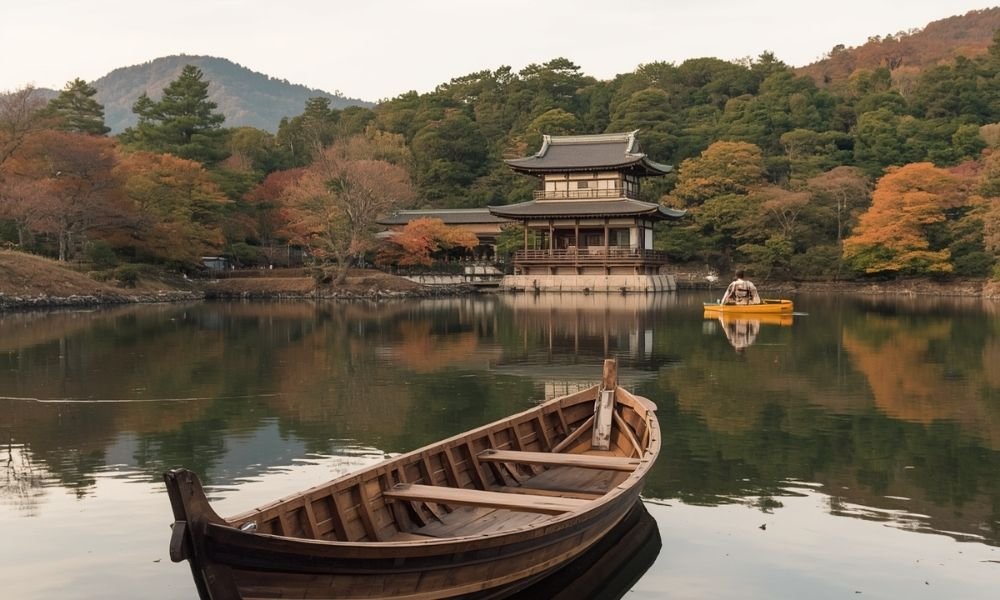
Daikaku-ji Temple and Osawa Pond
Neighborhood: Arashiyama (northwest, well past the bamboo grove)
Why it is special: This is where Japanese period dramas are filmed. The temple complex dates to 876 AD. The pond is shaped to mirror the shape of Lake Biwa, and the moon-viewing platform was built for a retired emperor. When you stand on it, you understand why film crews come here. The scale is human. The silence is total. The tourists are almost nonexistent because it requires a bus ride most people will not take.
Best time to go: Late afternoon, two hours before closing. The light hits the pagoda across the pond and turns the water gold.
The one thing to do: Rent a rowboat. It costs 1,000 yen for thirty minutes. You paddle out to the center of the pond and stop. The temple watches you from the shore. The trees close in. You are in a movie, except the camera is your own memory.
Local tip: The bus from central Kyoto takes forty minutes and runs infrequently. Check the schedule before you go. Missing the last bus means a taxi ride that will cost more than your dinner. Also, the temple has a real, working zen garden where you can sit and meditate without joining a tour. Just ask at the entrance.
Fushimi Momoyama
Neighborhood: Fushimi
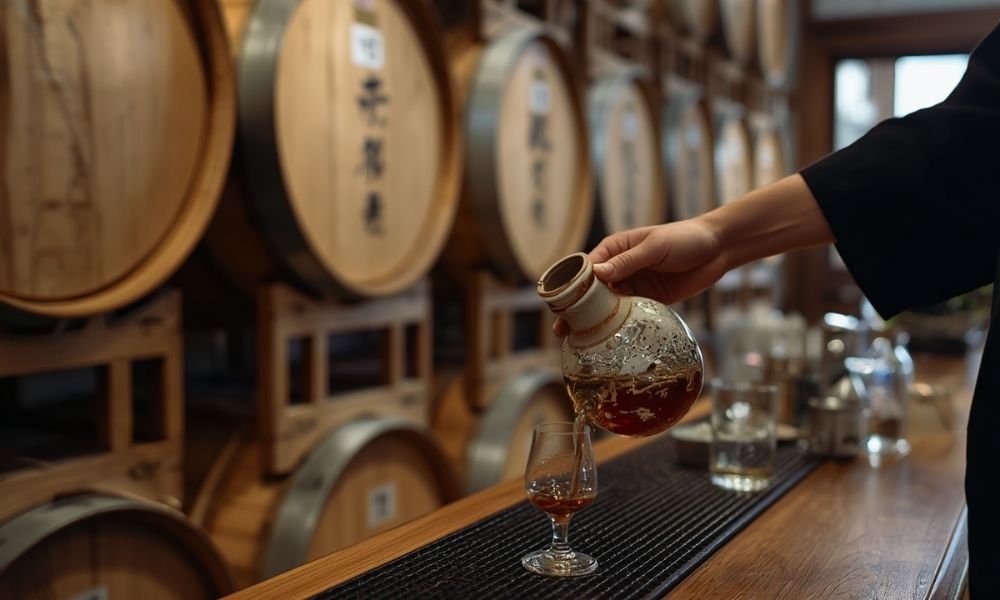
Why it is special: Everyone goes to Fushimi Inari. Almost nobody walks ten minutes further into the sake brewery district. Here, the canals are lined with willows and white-walled storehouses. The air smells like fermentation. The breweries offer tastings for 300 yen. The owners are not performing hospitality for tourists. They are selling sake to neighbors, and you happen to be there.
Best time to go: A Saturday afternoon, when the breweries are open and the local families are out walking. The energy is relaxed, not commercial.
The one thing to do: Visit Gekkeikan Okura Sake Museum, then ignore their gift shop and walk two blocks to a tiny brewery called Kizakura. They have a standing bar in the back where you can taste three seasonal sakes for 500 yen. The bartender will explain the difference between ginjo and daiginjo without being asked. He wants you to understand.
Local tip: Buy a bottle of nigori, unfiltered sake, and drink it that evening in your hotel room with convenience store snacks. It is sweet, creamy, and nothing like the hot sake you have had at home. This is the taste of Fushimi that does not travel well.
Kurama Onsen Day Trip
Neighborhood: Kurama (forty-five minutes north of the city by train)
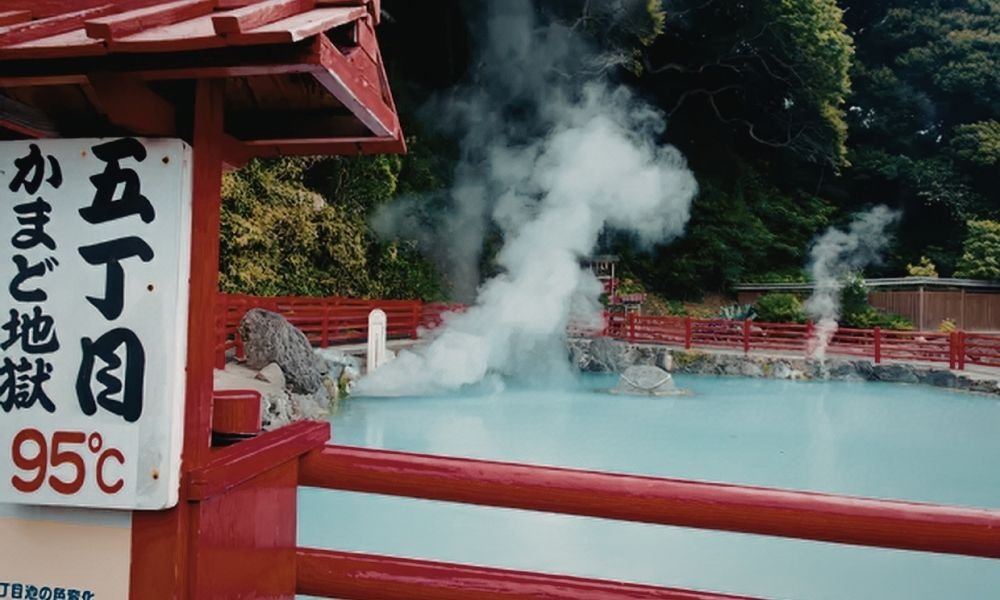
Why it is special: A mountain village with a single main street, a cable car, a temple in the forest, and an outdoor hot spring that looks out over a cedar valley. You take the train from Demachiyanagi Station, switch to a mountain railway that climbs through tunnels and over bridges, and step out into air that smells like pine and sulfur. It does not feel like Kyoto anymore. It feels like a secret.
Best time to go: A weekday, any season. In winter, the outdoor bath steams against snow. In summer, the mountain is ten degrees cooler than the city. Autumn is peak foliage and peak crowds, so go early.
The one thing to do: The outdoor bath at Kurama Onsen. It is mixed gender with swimsuits required, which surprises some travelers, but the view from the water is worth every moment of self-consciousness. The cedars rise straight up from the valley floor. A hawk circles somewhere above. You forget about your phone. You forget about your itinerary. You just float.
Local tip: The temple hike from Kurama to Kibune takes two hours and is mostly downhill if you start at Kurama. It passes through a forest of towering cedar trees that feels prehistoric. Bring water. The trail is well-marked but isolated. If you twist an ankle, you are waiting for another hiker to pass.
Pontocho After Dinner, on a Tuesday
Neighborhood: Downtown Kawaramachi
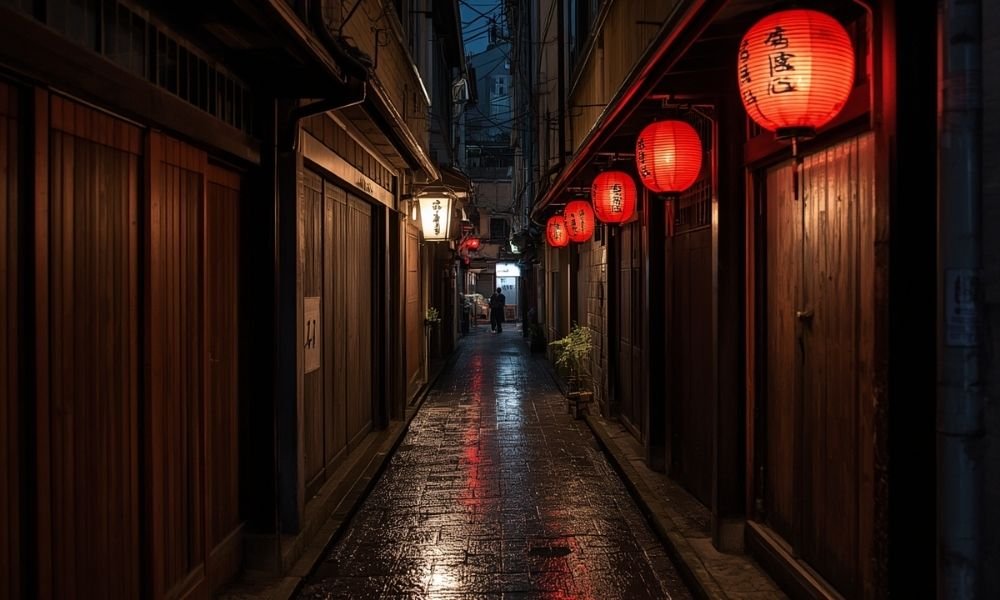
Why it is special: Pontocho is a narrow alley running parallel to the Kamo River, packed with restaurants and bars. On weekends, it is a parade. On Tuesday night, after 9pm, it is a corridor of lantern light and closed doors. The restaurants that are open are the ones that do not need weekend crowds. The bartenders have time to talk. The geiko and maiko you might see are actually going somewhere, not posing.
Best time to go: Tuesday or Wednesday, after 9pm. The weekend energy is gone. The real energy remains.
The one thing to do: Find a bar with no English menu and three stools. Order what the person next to you is having. Point if you must. The bartender will make it for you without judgment. You will drink something you cannot name. You will talk to someone you cannot understand. It will be one of the best nights of your trip.
Local tip: The alley runs one-way for pedestrians. Walk slowly. Look up at the lanterns. Do not photograph people. If you see a geiko, step aside and let her pass. She is working, not performing for you.
Imamiya Shrine and Ichiwa
Neighborhood: Kita Ward, northwest of the city center
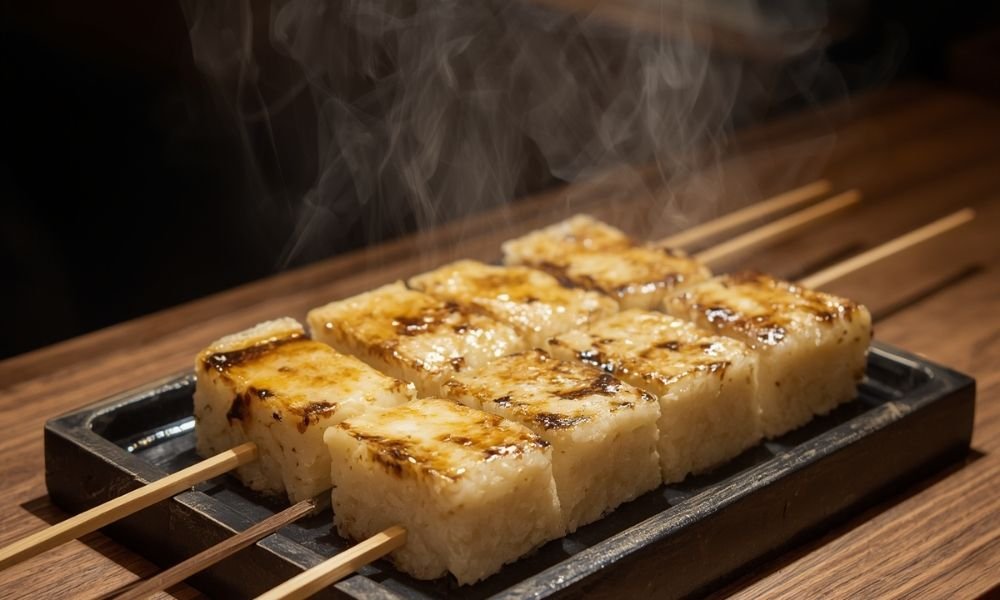
Why it is special: Imamiya Shrine is a thousand years old and almost never crowded. Next to it is Ichiwa, the oldest restaurant in the world. It opened in 1000 AD. It has served the same thing for a thousand years: aburi-mochi, grilled rice cakes on skewers, brushed with white miso sauce. The building is dark wood and low ceilings. The mochi is made by hand in the back. The waitresses wear kimono because they always have, not because tourists expect it.
Best time to go: Mid-afternoon, around 3pm. The lunch crowd is gone. The mochi is fresh from the grill.
The one thing to do: Eat the aburi-mochi slowly. It is sweet and smoky and slightly charred. The miso sauce has been made from the same starter for generations. You are eating something that has not changed since before your country existed. Let that sink in before you reach for your phone.
Local tip: The shrine itself has a stone you are supposed to lift. It is near the main hall, unmarked. If it feels light, your wish will come true. If it feels heavy, it will not. The psychological trick is real and documented. Go find it. Lift it. Do not tell anyone what you wished for.
Kyoto Imperial Palace Park at Dusk
Neighborhood: Kamigyo Ward, central Kyoto
Why it is special: The Imperial Palace itself requires advance reservation and a guided tour. The park surrounding it does not. At dusk, local families cycle through. Old men fly kites. Women in business suits walk slowly, decompressing. The gravel paths crunch underfoot. The palace walls turn orange in the fading light. You will see almost no foreign tourists because there is no “sight” to check off. There is only atmosphere.
Best time to go: The hour before sunset, any day. The light is horizontal and warm. The temperature drops. The city exhales.
The one thing to do: Rent a bicycle and circle the park. The outer path is flat and wide. You will pass joggers, parents with strollers, and maybe a musician practicing flute under a tree. Stop at the northeast corner where a small pond reflects the palace roof. Sit on the bench. Watch the sky change. This costs nothing and requires no planning.
Local tip: The park is safe after dark, but the lighting is minimal. If you stay past sunset, stick to the main paths. The inner gardens close at 5pm and are patrolled. Do not try to enter after hours. It is not worth the embarrassment of being escorted out by a guard who speaks perfect, disappointed English.
The Solo Female Safety Reality (Honest, Not Scary)
Japan’s safety reputation is not a lie. But it is also not the whole story. You deserve the truth, because traveling with a false sense of security is almost as risky as traveling with too much fear.
What the Statistics Actually Say
Japan has one of the lowest violent crime rates in the world. For solo female travelers, the risk of physical assault is statistically lower than in almost any country you could name. Pickpocketing exists but is rare. Scams targeting tourists are uncommon. The police are professional and generally helpful, though English proficiency varies.
But here is the nuance: low crime does not mean no crime. It does not mean no harassment. It does not mean you should stop paying attention.
The Reality of Street Harassment
Street harassment in Japan is different from what you might know. It is rarely loud or aggressive. It is quiet. Persistent. A man who walks behind you for too long. Who appears at the same train station you got off at. Who stands too close on an empty platform.
It is easy to doubt yourself. To think you are imagining it. You are not.
In Kyoto, this is less common than in Tokyo or Osaka. The city is smaller. The streets are more visible. The culture of public restraint is stronger. But it still happens, especially in the entertainment districts late at night.
Neighborhoods That Feel Slightly Less Comfortable After Dark
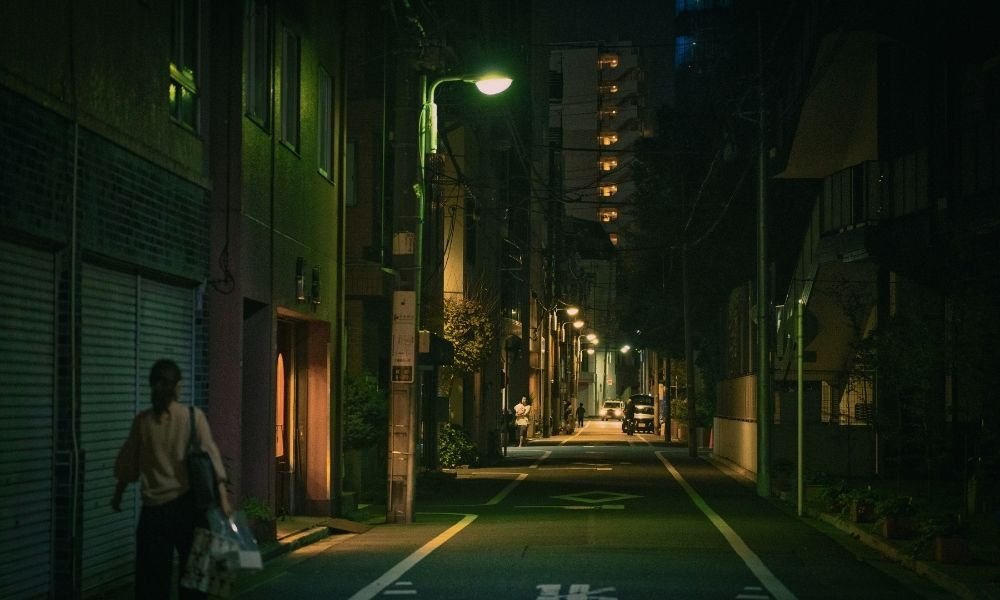
Gion, after midnight: The geisha districts attract men who have been drinking. The narrow streets are poorly lit. You are unlikely to be attacked, but you might be approached. If you are walking back to your hotel after dinner, take the main roads.
Kawaramachi backstreets near the river: The bar district is safe but rowdy after 10pm. Groups of drunk salarymen are loud and sometimes oblivious to personal space. They are almost never dangerous, but they can be unpleasant.
The area around Kyoto Station, very late: The station itself is fine. The parks and underpasses nearby attract people sleeping rough. Not dangerous, but isolated and poorly lit. If your train arrives after 11pm, take a taxi to your hotel. It is worth the 1,500 yen.
Everywhere else in central Kyoto, solo women walk alone at night without concern. Higashiyama is dark but silent. Fushimi is residential and sleeps early. The Imperial Palace Park is peaceful after dark, as mentioned earlier, though lingering in the unlit inner paths is not recommended.
What to Do If You Feel Followed or Uncomfortable
Do not worry about being rude. Your safety matters more than politeness.
If you think someone is following you, enter the nearest convenience store. They are open 24 hours, brightly lit, and staffed. Stay near the register. The person following you will almost certainly keep walking. If they do not, the staff will notice.
If you are on a train and someone is standing too close or staring, move to another car. If they follow, get off at the next station and find a station attendant. Every station has one.
If you are approached and do not want to engage, say “Sumimasen” (excuse me) firmly and walk away. You do not owe anyone conversation. You do not owe anyone a smile.
The police emergency number is 110. The fire and ambulance number is 119. Both work from any phone, including pay phones, which are still everywhere in Japan.
Solo Dining in Kyoto: How to Eat Alone Without Feeling Awkward
This is the question that comes up most often. The good news: Japan is one of the easiest countries in the world to eat alone.
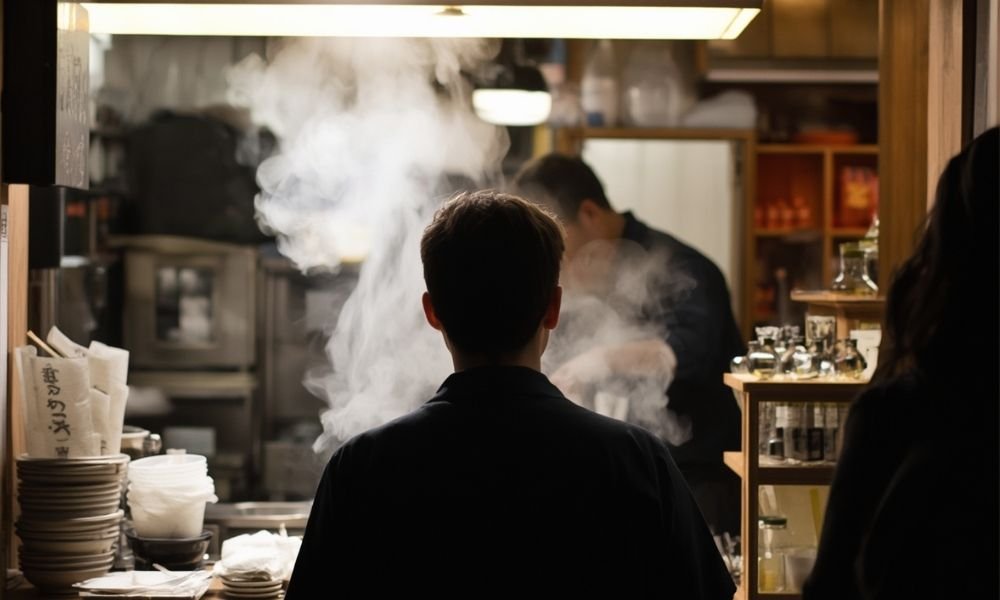
Many restaurants are designed for it. Ramen shops have counter seats where everyone eats alone, staring at the kitchen. Standing bars require no conversation. Conveyor belt sushi lets you point at what you want. Convenience store onigiri eaten on a park bench is a completely normal meal.
The one adjustment: some higher-end restaurants, especially kaiseki places, require reservations and expect pairs or groups. They may turn away a solo diner not out of rudeness but because their seating is arranged for two. Do not take it personally. There are hundreds of other places that will welcome you.
If you feel self-conscious, bring a book or your phone. Nobody cares. The person next to you is also eating alone and also not talking.
The One App Every Solo Female Traveler in Japan Needs
Download Google Translate with the Japanese language pack for offline use. Not just for menus. For emergencies. For the moment you need to explain something to a police officer or a doctor. The camera function translates written Japanese in real time. The conversation mode is imperfect but functional.
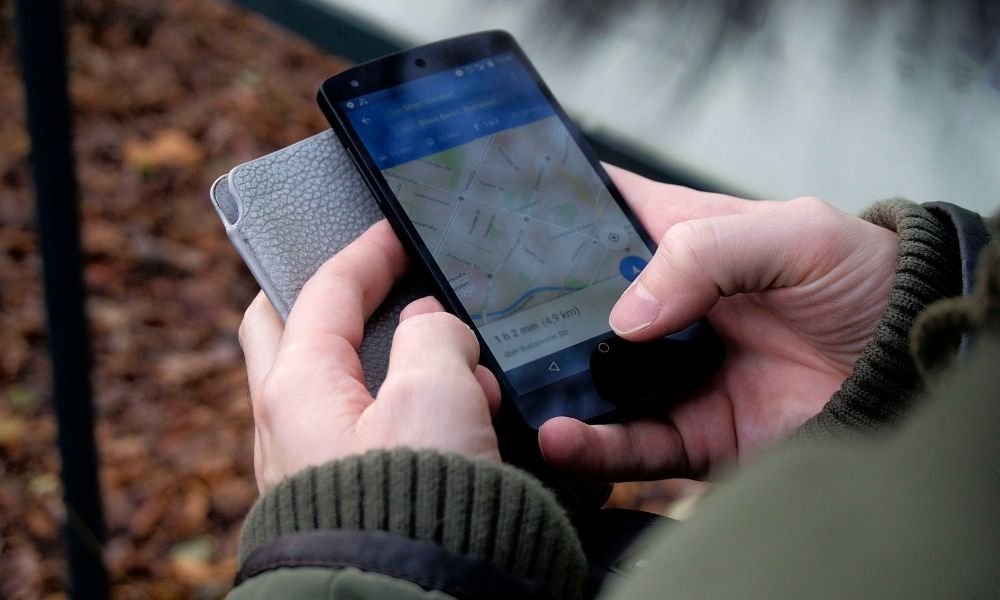
Also download NAVITIME for Japan Travel. Google Maps works for walking, but NAVITIME is better for trains. It tells you exactly which car to board for the fastest exit, which platform to transfer to, and whether your train is delayed. In a country where trains run to the minute, this precision matters.
Transportation Safety: Trains, Taxis, Walking at Night
Trains: The last trains in Kyoto run around midnight. If you miss the last train, you are taking a taxi or waiting until 5am. Plan accordingly. Women-only cars exist on some lines during rush hour. They are marked with pink signs on the platform. Use them if you want to.
Taxis: Safe, clean, and honest. The doors open automatically. Do not touch them. Drivers rarely speak English, so have your destination written in Japanese or show it on your phone. Fares start at 600 yen and increase quickly. A ride across central Kyoto costs around 1,500 to 2,500 yen.
Walking at night: The sidewalks are narrow and sometimes unlit. Watch for bicycles on the sidewalk. They are silent and fast. Crosswalks are generally respected by drivers, but not always. Look both ways even when the light is green.
What SafetyWing Actually Covers (and Why It Matters for Japan)
SafetyWing was mentioned earlier. Here is the specific breakdown for Japan.
Medical coverage: Japan has excellent healthcare, but you pay upfront as a tourist and claim later. A visit to a clinic for a stomach bug might cost 10,000 yen. An emergency room visit for a sprained ankle could be 50,000 yen. Hospitalization runs into hundreds of thousands. SafetyWing reimburses these costs.
Trip interruption: If you need to fly home early because of a family emergency, they cover the change fees.
Lost luggage: Less relevant in Japan, where luggage is rarely lost, but useful for the flight connections.
What it does not cover: pre-existing conditions without disclosure, extreme sports, or anything related to alcohol. Read the policy. It is boring but necessary.
For Japan specifically, the medical coverage is the reason to buy it. The country is safe, but accidents happen. Food poisoning happens. Allergic reactions happen. You do not want to be calculating yen while you are in pain.
Hidden Gems Tours Worth Paying For
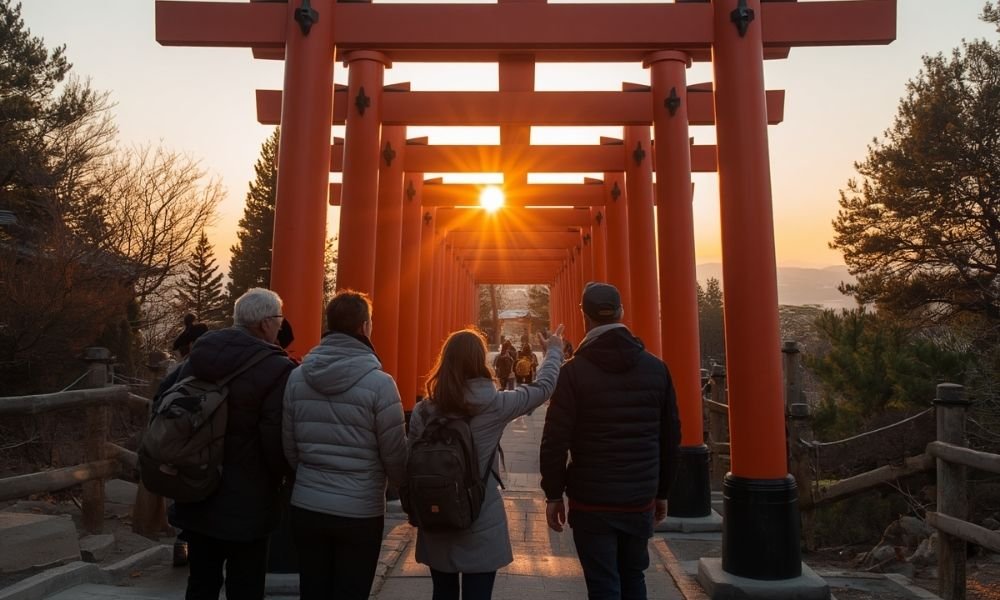
Some experiences in Kyoto are genuinely better with a local guide. Not because you cannot do them alone, but because context transforms what you see into something you understand. The problem is sorting the real guides from the packaged tours designed to move you through checkpoints with a flag and a microphone.
Here is how to tell the difference, and what to book.
Why Some Experiences Are Better With a Guide
A temple is not just a building. It is a thousand years of politics, patronage, war, and renewal. A geisha district is not just pretty streets. It is a living profession with rules and economics that most outsiders misunderstand. A food market is not just stalls. It is a supply chain that starts at 3am with auction bids you will never see.
A good guide gives you the layer beneath the surface. A bad guide gives you the surface with a script.
The difference is usually group size. Under six people, a guide can adapt, answer questions, and take you places that do not accommodate buses. Over fifteen people, you are on a conveyor belt.
Three Tour Types to Actually Book in Kyoto
1. Early Morning Temple Tours
The concept is simple. A local guide meets you at 5:30am and takes you to a temple before the gates open to the public. You enter through a side door. You watch the monks perform their morning rituals. You drink matcha in a room that closes at 8am.
This is not a performance for tourists. It is real access to real practice, arranged through relationships that take years to build.
What to look for: Tours that specify “monk-led meditation” or “morning prayer observation.” Avoid anything that promises “private geisha meeting” at 6am. That is not a thing.
What to book: The early morning Fushimi Inari tour that starts at the summit and walks down. Most tourists climb up. You will descend through empty gates as the sun rises, with a guide who explains the fox symbolism and the history of the mountain shrines. It ends with a breakfast of local tofu at a restaurant that does not open to the public until 10am.
2. Geisha District Walking Tours
Gion and Pontocho are beautiful to wander alone, but you will miss most of what is happening. The guide points out the ochaya where geiko still entertain. Explains why the wooden facades have no signs. Tells you which lanterns indicate an active house and which are decorative.
The good ones do not promise geisha sightings. They promise understanding.
What to look for: Guides who are licensed by the city and speak clearly about the difference between geiko (Kyoto) and geisha (Tokyo). Anyone who promises “guaranteed geisha photos” is running a wildlife safari, not a cultural tour.
What to book: An evening walking tour of Miyagawacho that ends at a small bar where the guide introduces you to the owner. You will not see a geiko. You will understand why the district exists, which is more valuable.
3. Food Tours Through Nishiki and Pontocho
A food tour in Kyoto is not about eating a lot. It is about eating things you cannot order without help. The guide translates. The guide explains why that particular soy sauce is different. The guide knows which stall opens at irregular hours and which one closed last month.
What to look for: Groups of six or fewer. A guide who lives in Kyoto, not someone who flies in from Osaka for the day. A tour that includes at least one standing bar or back-alley spot with no English menu.
What to book: The Nishiki Market deep dive that starts at 8am with the wholesale buyers and ends at a tempura counter where the chef decides what you eat based on what looked good at the market that morning.
What to Avoid
The over-packaged bus tour: Kyoto in a day, eight temples, lunch included, back on the bus. You will see nothing. You will remember nothing. You will be herded through gift shops. Do not do this to yourself.
The fake “local experience”: Cooking classes in a studio apartment with a host who learned the recipe from YouTube. Tea ceremonies performed in English for groups of twenty. Kimono rentals with a “guided walk” that is just a photographer following you to the same three spots everyone uses.
Anything with “samurai” in the title: Real samurai culture in Kyoto is subtle and historical. The shows with sword demonstrations and costume photo ops are for children and cruise ship passengers.
Where to Book: GetYourGuide vs Viator
Both platforms list the same tours sometimes, but they work differently.
GetYourGuide tends to have more curated, smaller-group experiences. Their Kyoto selection includes several early morning temple tours you will not find elsewhere. The reviews are detailed and usually include photos. The cancellation policy is flexible up to 24 hours before.
Viator has a larger inventory and more last-minute availability. If you are already in Kyoto and decide tomorrow you want a guide, Viator is more likely to have a spot. The downside is more generic, large-group options mixed in with the good stuff.
The approach is that you can search both. Read the same tour description on each platform. Sometimes the price differs by 20 percent for the identical experience. Sometimes one has a time slot the other does not. It takes five extra minutes and can save you money or get you a better time.
Specific recommendation: On GetYourGuide, look for the “Kyoto Sunrise at Fushimi Inari” tour by a company called Kyoto Private Tours. It is not actually private unless you pay extra, but the group caps at eight. Multiple travelers have reported excellent experiences. Both guides were local women in their thirties who spoke excellent English and clearly loved the mountain.
On Viator, the “Nishiki Market Food and Culture Walk” by Arigato Travel is consistently good. The guides are trained for months before they lead a tour. They know the market vendors by name.
Your 5-Day Solo Itinerary (Built Around Hidden Gems)
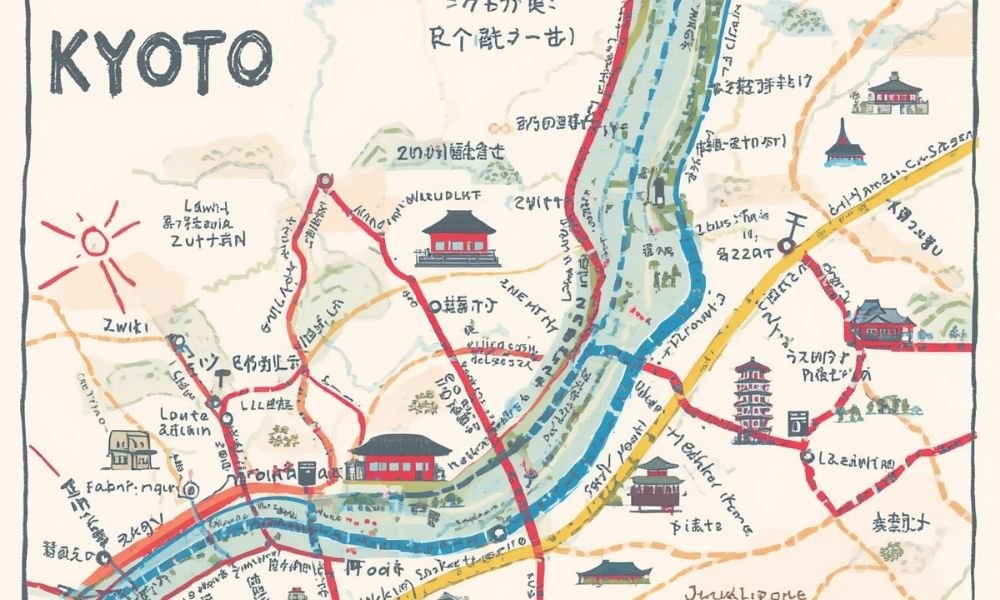
This is not a checklist to rush through. It is a rhythm to settle into. Each day has a logic. Each day has slack built in for the moment you discover something that is not on any map.
Day 1: Arrive, Orient, Do Not Overplan
Morning or afternoon: Land at Kansai International or arrive by Shinkansen. Get your IC card at the airport or station. Take the Haruka express or the subway to your hotel. Drop your bags.
Late afternoon: Walk. No destination. Pick a direction from your hotel and go for forty minutes. Notice the vending machine colors. The way bicycles are parked in perfect rows. The sound of shopkeepers greeting each other across the street. This is your calibration walk. You are teaching your body the scale of the city.
Golden hour: Head to Higashiyama. Not Kiyomizu-dera. The streets below it. Ninenzaka and Sannenzaka are crowded until about 5:30pm, then they empty as the tour buses leave. Stay. The lanterns come on. The stone paths glow. This is the Kyoto you saw in your imagination.
Dinner: A standing ramen bar near your hotel. Order from the machine at the entrance. Hand the ticket to the cook. Eat in ten minutes. Stand at the counter with locals who are also eating alone. This is your first solo meal in Japan. It is easier than you thought.
Sleep: Early. You are jet-lagged. Do not fight it.
Day 2: The Eastern Temples Circuit (Hidden Version)
5:00am: Wake up. This is the hardest day and the most important.
5:30am: Fushimi Inari. Take the first train or a taxi. Be at the base of the mountain by 5:45am. The gates are empty. The forest is dark. Climb for ninety minutes. Reach the summit or the upper loop. Turn around. Descend as the light changes. By 8:00am, you have had the most famous experience in Kyoto without sharing it.
9:30am: Breakfast at a convenience store or a small cafe near the station. Onigiri and hot coffee.
10:30am: Tofuku-ji Temple. Ten minutes from Fushimi Inari by train. A zen garden designed in the 1930s that looks ancient. The moss and rocks are raked into patterns that suggest distant mountains. Sit on the veranda. The garden is designed to be viewed from one specific angle. Find it.
12:30pm: Lunch near Tofuku-ji. There are a few small restaurants on the approach road. Pick one with a line of locals. Order the set meal. It will be simple and perfect.
2:00pm: Otagi Nenbutsu-ji. Bus or taxi to Arashiyama. The twelve hundred stone statues. Spend an hour. Pick your favorite. Photograph it. Remember it.
4:00pm: Walk slowly through Arashiyama backstreets toward the river. Skip the bamboo grove today. It is afternoon. It is crowded. You will do it better tomorrow.
5:00pm: Philosopher’s Path. Start at the northern end near Ginkaku-ji. Walk south as the light fades. The autumn colors or spring buds or winter bareness will hit differently at this hour. Stop at Honen-in if it is open. If not, keep walking.
7:00pm: Dinner in the Higashiyama area or back near your hotel. You have walked eight kilometers. Eat something warm.
Day 3: Arashiyama Without the Crowd
7:00am: Daikaku-ji first. Bus from central Kyoto. Forty minutes. The temple opens at 9:00am. Arrive at 8:45am. Be first in line. The pond is still. The pagoda reflects perfectly. Rent the rowboat. Paddle to the center. Stop. Breathe.
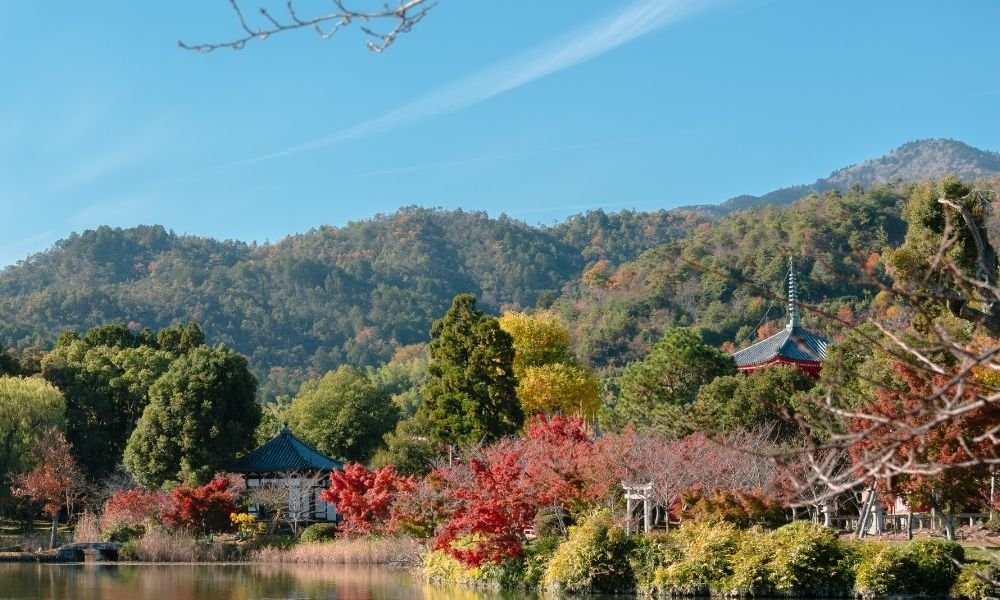
11:00am: Bamboo Grove. Walk or bus from Daikaku-ji. It is late morning now, but midweek and after the dawn rush. It is still crowded, but manageable. Walk through quickly. Do not linger for the perfect photo. It does not exist here.
12:00pm: Tenryu-ji garden. The temple is famous. The garden is the reason to come. Sit on the bench facing the pond and the borrowed mountain scenery. This is Japanese landscape design at its peak. Give it thirty minutes of actual attention.
1:30pm: Lunch in Arashiyama. The main street has tourist restaurants. The side streets near the train station have better ones. Walk five minutes away from the river.
3:00pm: Fushimi Momoyama. Train back toward the city, then switch to the Keihan line. Sake brewery district. Walk the canals. Visit Kizakura. Taste three sakes. Buy a bottle of nigori.
6:00pm: Back to your hotel. Rest. Drink your sake with convenience store snacks. This is a slow evening by design. You need it.
Day 4: Central Kyoto Like a Local
8:00am: Nishiki Market side alleys. Not the covered arcade yet. The lanes behind it. Knife shops. Tofu makers. The real city waking up. Buy something you cannot identify.
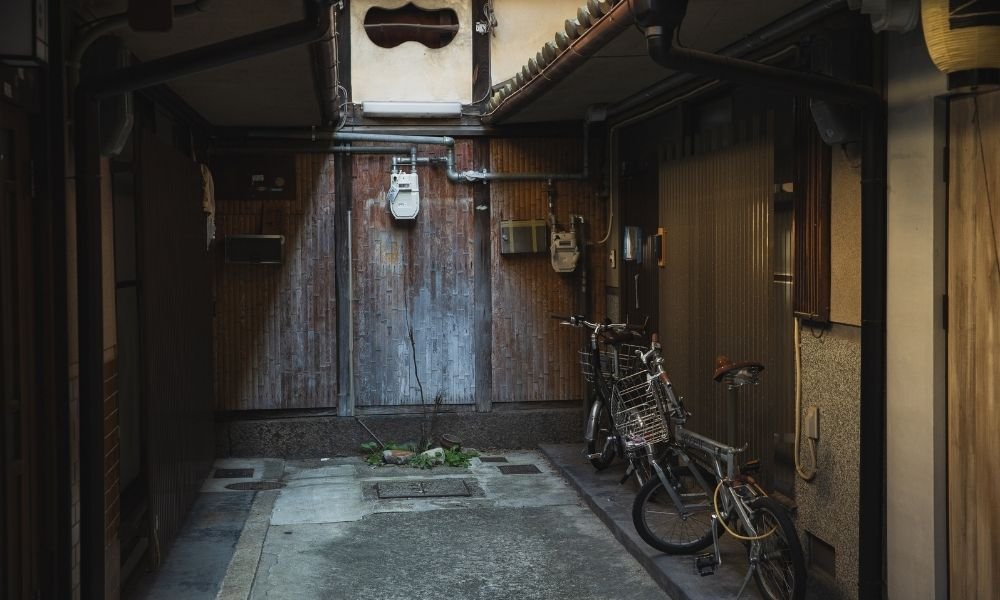
10:00am: Imamiya Shrine. Bus or walk northwest. The stone you lift. The wish you make. The silence after.
11:00am: Ichiwa. The oldest restaurant in the world. Aburi-mochi. Eat slowly. Think about the hands that have made this same thing for a thousand years.
1:00pm: Walk to the Kyoto Imperial Palace Park. Twenty minutes. The gravel paths. The cyclists. The pond in the northeast corner. Sit on the bench. Watch the sky.
3:00pm: Coffee or tea near the park. Rest your feet. Write in your journal if you keep one. Send a message to someone at home.
5:00pm: Return to your hotel. Change. Freshen up.
7:00pm: Dinner in Pontocho. Pick a restaurant with a view of the river. Eat kaiseki if your budget allows, or a simpler set meal if it does not. The view is the splurge here.
9:00pm: Walk Pontocho after dinner. Tuesday or Wednesday if you planned it right. The lanterns. The closed doors. The bars with three stools. Pick one. Order what the person next to you is having.
Day 5: Kurama Day Trip and Slow Morning
7:00am: Slow breakfast. Come with a small bag. Onsen etiquette: no tattoos at many places, though Kurama is more relaxed. Bring a small towel or rent one there.
8:30am: Train from Demachiyanagi Station. Eizan Railway to Kurama. Switch to the mountain railway. The climb through tunnels. The bridges. The air changing.
10:00am: Kurama Temple. Walk up through the forest. The cedar trees. The quiet. The temple at the top with its view of the valley.
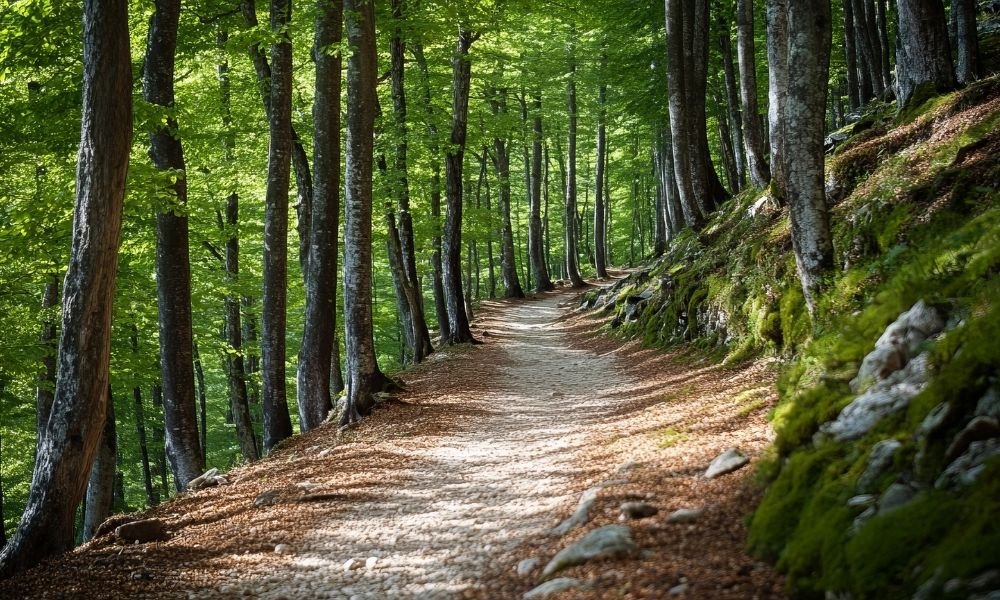
12:00pm: Lunch in Kurama village. Simple soba or mountain vegetables.
1:00pm: Kurama Onsen. The outdoor bath. The cedars. The floating. Stay for two hours if you can. This is your reward for the trip.
4:00pm: Train back to Kyoto. Rest at your hotel.
6:30pm: Final evening in Gion. Not the main street. The back lanes. Dinner at a small restaurant you noticed earlier in the week. The one with no English menu and four tables.
8:30pm: Night walk. Higashiyama or the river path. Your last night. The city feels different now. You know where you are. You do not need a map.
Practical Japan Tips That Save You Real Time and Money
IC Card Setup (Suica or ICOCA): Exactly How, From the Airport
You need one of these cards. It is not optional. It works on every train, bus, and subway in Kyoto. It works at convenience stores. It works at vending machines. It is the closest thing Japan has to a universal payment method.
At Kansai International Airport, follow the signs to the train station. Look for a green ticket machine with “ICOCA” on the screen. Touch the English button. Select “Purchase New ICOCA.” Choose 2,000 yen. The machine gives you a card with 1,500 yen loaded and keeps 500 yen as a deposit.
If you land at Tokyo and take the Shinkansen to Kyoto, buy a Suica instead. It works identically. The only difference is which company issued it.
To recharge: any ticket machine at any station. Insert the card. Select “Charge.” Insert cash. The maximum balance is 20,000 yen. Keep yours around 5,000 yen and top up every few days.
To check your balance: the card reader at any convenience store checkout will show it. Or look at the ticket gate display when you tap through.
To get your 500 yen deposit back: return the card at a JR ticket office when you leave. If there is still money on it, they deduct a 220 yen fee and give you the rest in cash.
One warning: IC cards do not work for Shinkansen. Those require separate tickets. For everything else in Kyoto, tap and go.
Google Maps Offline vs NAVITIME: Which Is Actually Better for Kyoto
Google Maps is excellent for walking directions. It knows the narrow alleys. It shows business hours, reviews, and photos. Download the offline map for Kyoto before you arrive. Settings, Offline Maps, Custom Map, draw a box around the city. It takes five minutes and saves you when WiFi drops.
NAVITIME for Japan Travel is better for trains. It shows platform numbers, transfer times, which car to board for the fastest exit, and whether your train is delayed by thirty seconds. In a country where precision matters, this precision matters.
The system: Google Maps for walking and finding restaurants. NAVITIME for any journey involving a train. Both are free. Both work offline if you download the data.
Etiquette That Actually Matters
Shoes: Remove them when you see a step up and a row of slippers. Temples, traditional restaurants, some shops, private homes. Wear shoes that slip on and off easily. You will do this ten times a day.
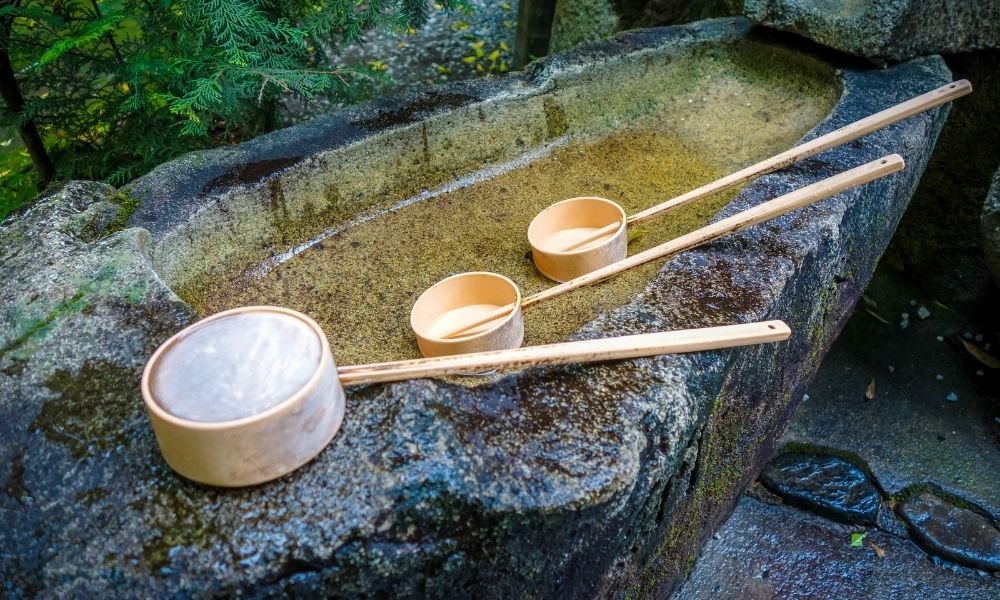
Shrines: Bow once at the torii gate. Wash your hands at the basin. Rinse your mouth if others are doing so. Throw a coin in the offering box. Ring the bell. Bow twice, clap twice, pray, bow once. Nobody will correct you if you do it wrong. The effort is what matters.
Silence on trains: Talk quietly if you must. Do not talk on the phone. Set your phone to silent. The train is a shared space and the unwritten rule is that it belongs to no one and everyone.
Tipping: Do not. It is not done. It creates awkwardness. The price is the price. If you want to show appreciation, say “Gochisousama deshita” after a meal. It means “that was a feast.” The chef will understand.
Pointing: Do not point at people. Do not point at shrines with your finger. Use an open hand if you must indicate direction.
Eating while walking: Technically acceptable now in tourist areas, but older locals still find it rude. Eat your convenience store snack standing near the store or sitting on a bench.
What to Eat and Exactly Where (No Restaurant Names That Closed)
Restaurant names are not given here. Restaurants in Kyoto close, change chefs, or become tourist traps faster than any guide can update. Instead, here are the categories. Trust them.
Standing ramen bars: Look for a machine at the entrance, a counter with eight stools, and a menu of three options. Order the shoyu or miso. Add an egg. Eat fast. Pay at the machine before you sit. These are everywhere near stations and never disappoint.
Kaiseki set meals: The multi course traditional dinner. Expensive, slow, and worth doing once. Look for a place with a noren curtain and no English menu outside. The price is posted. If it is under 8,000 yen for dinner, it is probably good value. Over 15,000 yen and you are paying for reputation, not necessarily better food.
Convenience store onigiri: Lawson, FamilyMart, and 7-Eleven all make excellent rice balls. Salmon, tuna mayo, pickled plum. Eat them for breakfast or a 3pm snack. They are better than they have any right to be.
Yudofu: Boiled tofu, Kyoto’s signature dish. Look for restaurants near temples, especially in Arashiyama and Nanzenji. It sounds boring. It is not. The tofu is fresh, the broth is kelp, and the dipping sauce is complex.
Aburi-mochi: Already covered at Ichiwa, but you will find it at other stalls near shrines. Grilled rice cake, miso glaze. Sweet, smoky, simple.
Matcha everything: Not the matcha latte from home. Real matcha in a tea room, whisked in front of you. Or matcha soba, green noodles that taste like wheat with a hint of grass. Or matcha ice cream from a shop that has been making it for a century.
How to Handle Rain (It Will Rain)
Kyoto rains. Not constantly, but enough that you need a plan.
The gear: A compact rain poncho is better than an umbrella in crowded streets. It leaves your hands free. It does not flip inside out. It dries faster. Also bring a small microfiber towel for wiping your bag and phone.
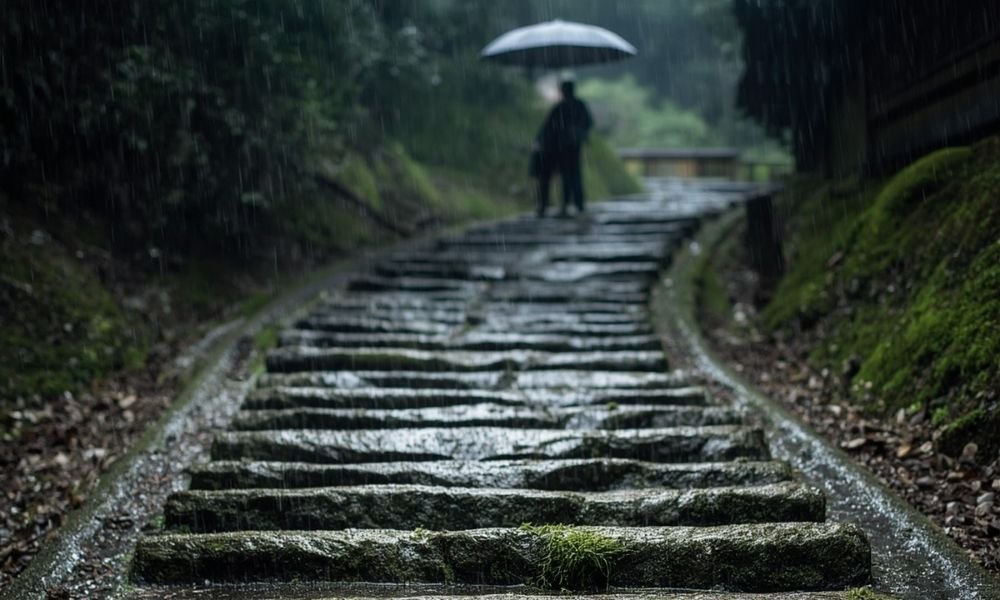
The strategy: Temples are better in rain. The stone darkens. The moss brightens. The crowds thin. Daikaku-ji in drizzle is more atmospheric than Daikaku-ji in sun. Otagi Nenbutsu-ji with wet stone statues looks ancient in a way dry ones do not.
The backup: If it pours all day, go to a museum. The Kyoto National Museum near Sanjusangendo is excellent. The Miho Museum outside the city is stunning architecture with a shuttle from the station. Or spend the afternoon in a sento, a public bathhouse, which is a different experience from an onsen and equally valid.
Cash vs Card Reality in 2025 to 2026 Kyoto
Japan is more card-friendly than it used to be, but cash is still king in the places you will want to go.
Cards work at: Major department stores, chain restaurants, hotels, Shinkansen ticket offices, and most convenience stores.
Cash is required at: Small restaurants, temple entrance fees, food stalls, taxis (some take cards, many do not), and rural shops.
The system: Withdraw 50,000 yen at the airport ATM. Use it for daily expenses. Replenish at 7-Eleven ATMs when you run low. They accept foreign cards and have English menus. Keep a few 10,000 yen bills in your neck wallet as backup. Carry 5,000 to 10,000 yen in your pocket for the day.
The IC card covers transportation and convenience stores, which reduces your cash needs. But do not assume you can pay card-only. You will be embarrassed and the shopkeeper will be patient and you will both wish you had cash.
More Gear Worth Packing
Four more items to add for Japan specifically.
A rain poncho that packs to the size of a deck of cards. Not a disposable one. A real one with seams that hold. You will use it more than you think.
Secondly, a small yen pouch. Japanese coins go down to 1 yen, and you accumulate them fast. A dedicated pouch keeps them from disappearing into your bag. It also speeds up every transaction.
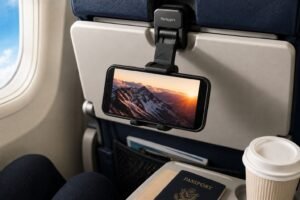
A portable charger with 10,000 mAh minimum. Your phone is your map, your translator, your camera, and your ticket. It will die by 2pm if you are not careful. Charge it every night. Carry the backup every day.
And a translation pen. Some travelers resist this for years. Then they buy a cheap one that scans printed Japanese and shows English on a tiny screen. It is not perfect, but it handles menus, signs, and ingredient lists. In a country where you cannot sound out the alphabet, it removes a layer of daily stress.
Here is the rewritten conclusion with the focus keyword woven in naturally:
Conclusion: You Are Going to Be Fine. Better Than Fine.
Let us talk to your fear for a moment.
It is 11 PM where you are. You have ten tabs open. You have read three Kyoto solo travel guides that say opposite things. You have a flight price in one window and a hotel review in another and a creeping doubt that maybe you are not ready for this. Maybe you should wait for a friend. Maybe you should go somewhere easier. Maybe next year.
Listen.
You are ready. Kyoto is not a test you can fail. It is a city that rewards the curious and the slightly brave. The worst thing that happens is you take a wrong bus and see a neighborhood you did not plan. The worst thing that happens is you order the wrong thing and eat something surprising. The worst thing that happens is you spend one afternoon in your hotel room because you are tired, and that is allowed.
The best things that happen are the ones you cannot predict. The shopkeeper who explains his knife collection for twenty minutes. The cat that follows you down a stone path. The moment at 5:30 AM when you realize you are alone on a sacred mountain and the only sound is your own breathing.
These are not Instagram moments. These are memory moments. The ones you will still have when the photos are buried in a hard drive somewhere. The ones you will talk about when someone asks, “How was Japan?” and you pause because no single story captures it.
You will stand in front of twelve hundred stone monks and pick a favorite. You will eat mochi made by hands that learned from hands that learned from hands reaching back a thousand years. You will float in a hot spring while cedars rise around you like witnesses. You will walk through lantern light in an alley so narrow you can touch both walls.
You will do this alone. That is not a limitation. That is the point. Nobody to compromise with. Nobody to hurry you. Nobody to explain yourself to. Just you and a city that has been waiting for someone exactly like you to notice it.
So save this Kyoto solo travel guide. Share it with someone else who is awake at 11 PM with ten tabs open and a dream they are not sure they deserve. They do. You do.
And before you close this tab, get your insurance sorted. Not because something will go wrong. Because the point of solo travel is freedom, and freedom requires a safety net you hope to never use. SafetyWing takes five minutes. Do it now. Then book the flight. Then the hotel. Then the train.
Can be you sure you are ready to explore Kyoto. The lanterns are still lit at 6 AM. The stone paths are empty. The monks are carved in stone and they have been waiting since 1981 for you to find them.
Go.
This article contains affiliate links. We only recommend products and services we have personally used and paid for on our own travels. If you book through these links, we earn a small commission at no extra cost to you. This helps us keep creating detailed, honest guides for solo travelers. Thank you for your support.
— WanderVoyant