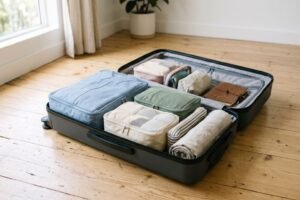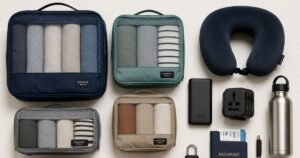
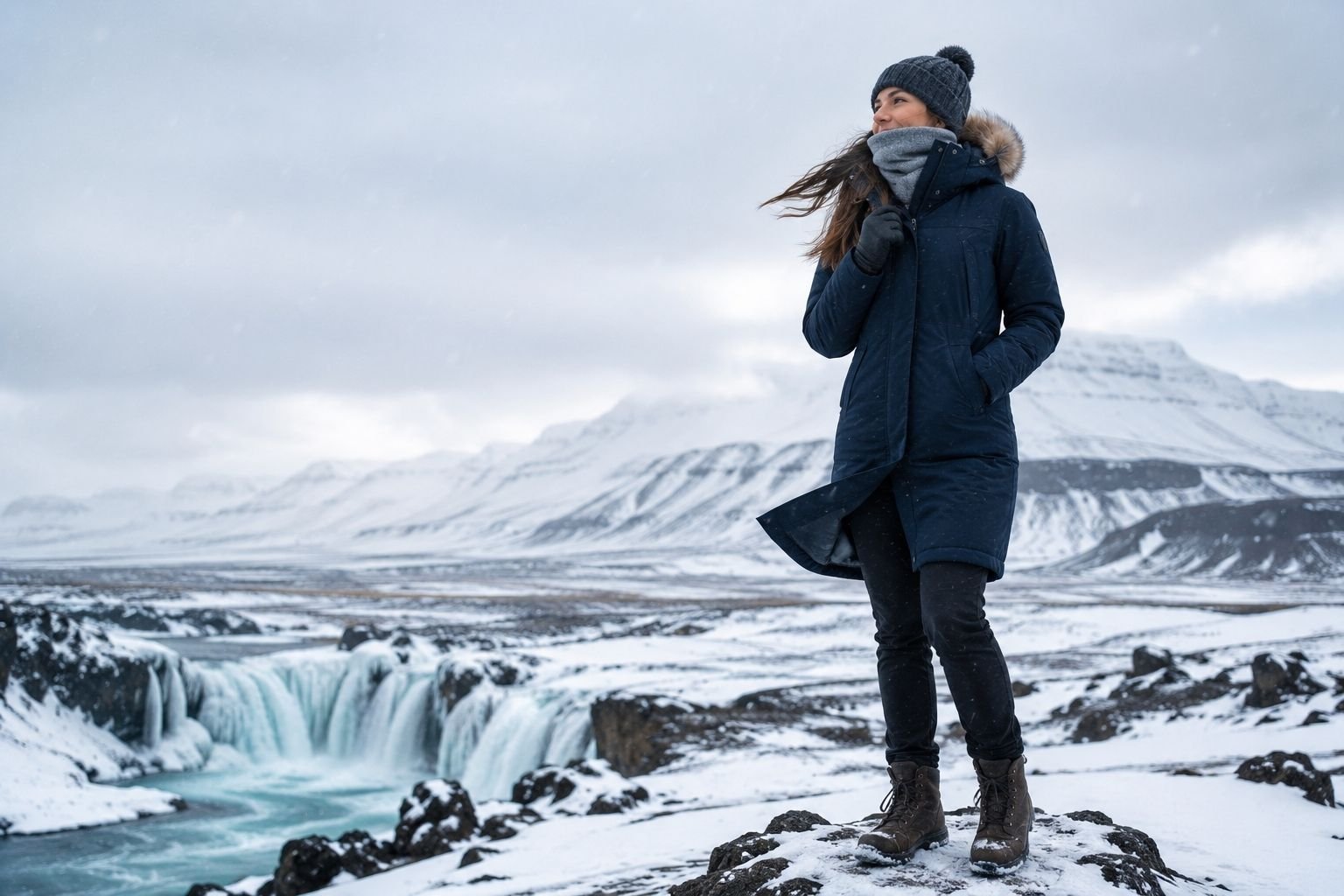
Building the right Iceland winter packing list is the one part of trip planning you genuinely cannot wing. Locals have a saying for how fast conditions turn here, if you don’t like the weather, wait five minutes. In winter, that’s not a joke. A calm, clear afternoon can flip into a horizontal blizzard before you’ve finished your coffee.
That unpredictability is exactly why so many travelers get this trip wrong before they’ve even landed. Between November and March, wind chill can push temperatures well below 0°F (-18°C), and the coat that kept you warm during a normal Midwest winter will leave you soaked, cold, and cutting the trip short.
Show up with the wrong gear and you’re going to be miserable. Instead of catching incredible views, you’ll be skipping the best hikes, hiding out in the rental car, or dropping way too much cash on a panic-buy jacket from a gas station near Vík. Besides, nobody wants to look back at their Diamond Beach or Blue Lagoon photos and see themselves buried in a giant, shapeless trash bag of a coat.
Here is the good part of it, you don’t really have to choose between staying warm and looking put together, and you don’t need to overpack or overspend to get it right.
Once you understand how proper layering works and know exactly which pieces are worth buying before you fly, the rest falls into place. Below is the complete list of what you actually need in your suitcase, and why each item earns its spot.
The Science Behind Staying Warm: Understanding the 3 Layer System
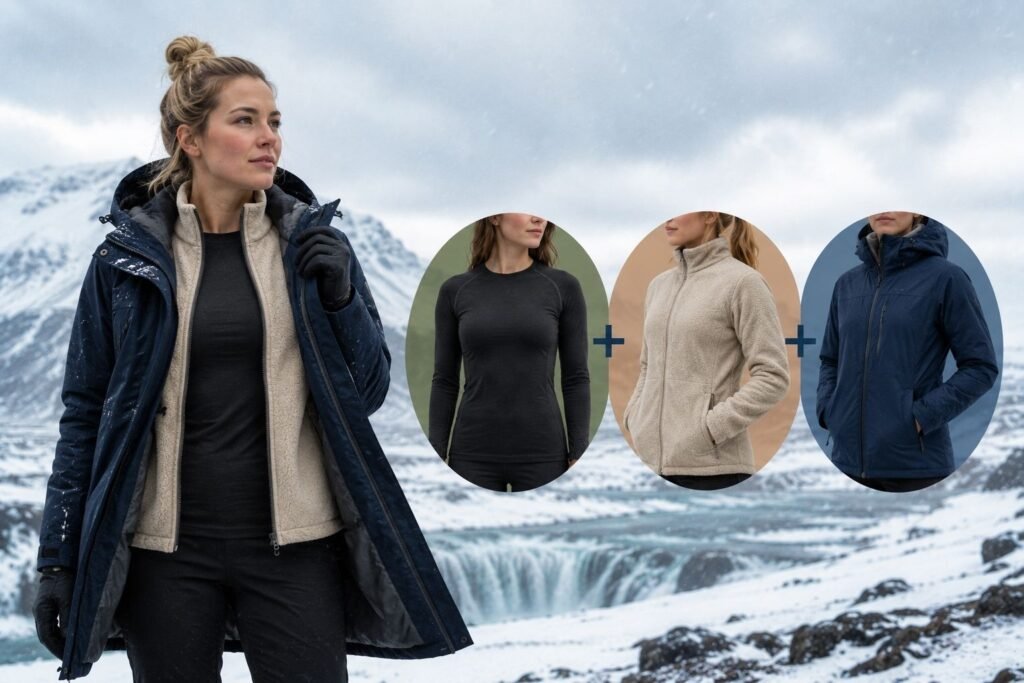
Before diving into the packing list itself, it helps to understand why layering matters so much in this climate. Skip one piece of the system and the rest can fall apart quickly.
Base layer: A good base layer keeps moisture away from your skin, helping you stay warm and dry throughout the day. Merino wool or a high-quality synthetic thermal fabric is the best choice. Avoid cotton completely because it absorbs sweat, stays damp, and dramatically increases heat loss in freezing temperatures.
Mid layer: The next layer provides insulation by trapping the warm air your body naturally produces. A fleece jacket, wool sweater, or lightweight packable down jacket all offer excellent warmth without adding too much bulk.
Outer shell: Your final layer should shield you from Iceland’s harsh weather with a jacket that is fully windproof and waterproof, not just water resistant. Powerful Icelandic winds can cut through an ordinary wool coat or a budget puffer jacket that is easy, leaving you cold even when the temperature itself doesn’t seem too extreme.
Get these three right and everything else on this list becomes much easier to plan around. Most bad Iceland trip stories, the ones where someone spent a fortune to fly out and then hid in the rental car for three days, come down to one of these layers being wrong or missing entirely. That’s the gap this list is built to close.
The Core Clothing Pieces You’ll Actually Wear
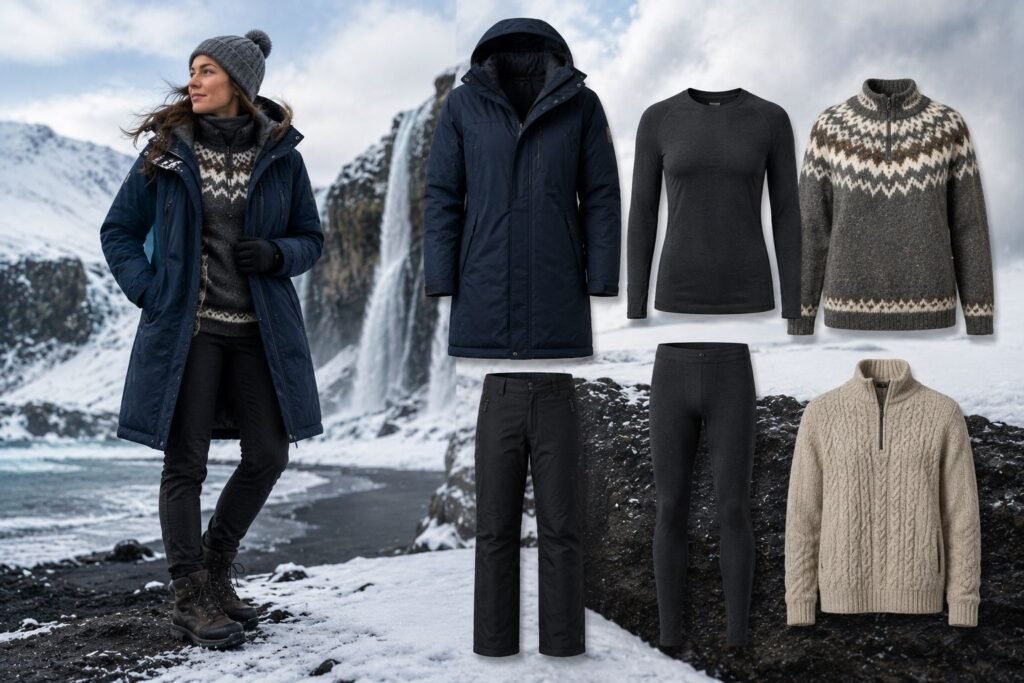
Your Outer Layer Options
1. A long, windproof women’s softshell jacket or a waterproof parka is one of the smartest investments for an Iceland winter trip. Look for a style that falls to mid-thigh or knee length with a clean, flattering silhouette instead of a bulky fit. Classic shades like black, navy, or olive look timeless against Iceland’s snow-covered landscapes and black sand beaches, while bold colors such as mustard or crimson create striking contrast in photos.
Whether you choose a softshell jacket for flexibility or a fully waterproof parka for maximum weather protection, this outer layer will keep your core warm during icy winds, rain, and sleet. It also becomes the jacket you’ll wear in almost every outdoor photo, making it a practical piece that combines performance with style.
2. 3 Fitted pack Fleece Lined Leggings thermal pants with Pockets or water resistant hiking trousers are ideal for exploring Iceland in winter. Choose a slim, comfortable fit that allows you to move easily while keeping you warm throughout the day.
Unlike bulky ski pants, they are far more comfortable for long Golden Circle drives, walking through towns, or stopping at scenic viewpoints. They also create a cleaner, more flattering look in photos without sacrificing warmth. Layer them over thermal leggings on especially cold days for even better insulation.
Base and Mid Layers
3. A merino wool thermal base layer topand the Merino wool base layers bottoms is one of the first items you should add to your Iceland winter packing list. Look for a matching long sleeve top and leggings made from merino wool or a high quality merino blend. It provides excellent insulation while remaining breathable, helping you stay warm during hikes, sightseeing, and long road trips without feeling bulky.
One of its biggest advantages is that merino wool naturally resists odors, so you can comfortably wear it for multiple days between washes. A quality thermal set also layers easily under jeans, hiking pants, or snow pants, making it one of the most versatile pieces you’ll pack.
4. A traditional Icelandic style wool sweater or a heavy cable-knit wool sweater is a warm, stylish mid-layer that pairs perfectly with a thermal base layer and waterproof jacket. If you’re buying before your trip, look for a thick wool sweater with a classic Nordic pattern or a timeless cable knit design.
It adds plenty of insulation without feeling overly bulky and looks just as good walking through Reykjavík as it does standing in front of a waterfall or black sand beach. When the weather is calm, you can unzip your jacket and let the sweater become the centerpiece of your outfit, creating photos that feel both practical and effortlessly Icelandic.
Footwear and Traction: Where Safety Meets Style
5. Waterproof, insulated hiking boots with solid ankle support. You’ll be crossing slush, ice, and wet moss near waterfalls like Seljalandsfoss, and fashion boots simply won’t hold up. Brands like Danner, Sorel, or Columbia with deep rubber lugs are worth the investment.
6. Packable ice cleats or microspikes. These slip over your existing boots and are honestly one of the most important items on this entire list, and one of the most skipped by first-time visitors.
Paths near Gullfoss and the Geysir area regularly freeze into solid sheets of ice, and cleats are what keep you upright instead of ending your trip in a hospital waiting room with a sprained ankle. They fold flat, weigh almost nothing, and cost far less than a missed day of sightseeing.
Planning to see these icy landscapes without driving? A guided Golden Circle winter tour is one of the easiest ways to visit Gullfoss, Geysir, and Þingvellir without worrying about snow-covered roads. Many tours also include hotel pickup and experienced local guides.
The Small Accessories That Make a Big Difference
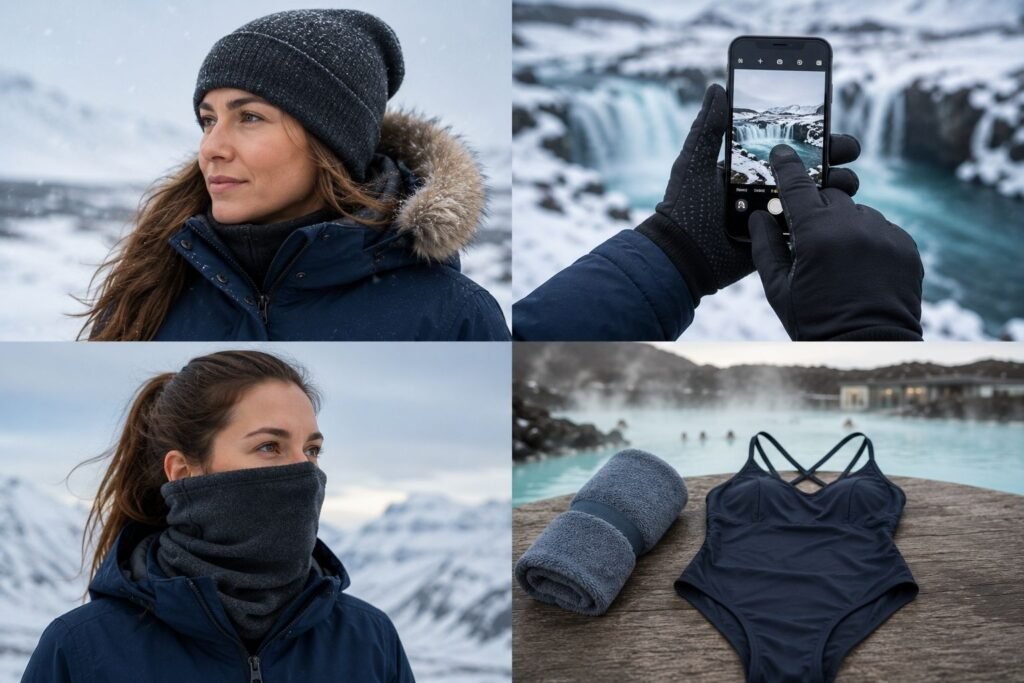
7. A windproof fleece lined beanie is a small item that makes a huge difference in Iceland’s freezing winds. Look for a snug, close-fitting design that covers your ears without adding unnecessary bulk. Avoid oversized pom-poms or extra-slouchy styles, as they can make it difficult to pull your parka hood over your head when the wind picks up. A well-made beanie keeps you warm during long walks, waterfall visits, and glacier tours while still looking stylish in your travel photos.
8. A fleece neck gaiter or a thick merino wool scarf this adds an extra layer of warmth by protecting one of the areas where you lose heat the fastest. For Iceland’s unpredictable winter weather, a fleece neck gaiter is often the more practical choice because it stays securely in place even in strong winds.
A traditional wool scarf offers a classic look and excellent insulation, making it a great option for city walks and casual sightseeing. Whichever you choose, keeping your neck covered will make a noticeable difference in your comfort during long days outdoors.
9. A quick-dry microfiber travel towel is a practical item you’ll be glad you packed, especially if you plan to visit Iceland’s famous geothermal pools. Whether you’re relaxing at the Blue Lagoon, Sky Lagoon, or discovering a quieter local hot spring, you’ll want a towel that dries quickly and packs down small. Unlike bulky cotton towels, a quality microfiber towel absorbs water efficiently, dries fast between uses, and takes up very little space in your luggage, making it perfect for road trips and multiple spa visits throughout your adventure.
If relaxing in Iceland’s geothermal waters is on your itinerary, it pays to reserve your entry in advance, especially during the winter season when time slots fill up quickly.
Mix and Match Outfit Guide by Activity
| Activity | Base Layer | Mid Layer | Outer Shell | Footwear & Extras |
|---|---|---|---|---|
| Glacier hiking / waterfalls | Merino wool set | Fleece jacket | Waterproof parka | Boots + microspikes |
| Golden Circle road trip | Merino wool set | Lopapeysa sweater | Parka (open) | Hiking boots + beanie |
| Northern Lights hunting | Double base layer | Wool sweater | Fully zipped parka | Boots + hand warmers |
| Reykjavík café days | Thermal top | Knit sweater | Open long coat | Boots + wool scarf |
What You Can Safely Leave at Home
1. Umbrellas
Leave your umbrella at home. Iceland’s powerful winds can turn even a sturdy umbrella inside out within seconds, making it more of a nuisance than a useful travel accessory. A quality waterproof jacket with a hood will keep you far drier and handle the weather much better than any umbrella ever could.
2. Cotton Jeans
Skip regular cotton jeans if you expect rain, snow, or waterfall spray. Once they become wet, they absorb moisture, stay cold for hours, and can quickly make you uncomfortable. Instead, choose fleece-lined pants or water-resistant hiking trousers that dry faster and provide much better insulation throughout the day.
3. Heels or Fashion Boots
High heels, smooth-soled ankle boots, and other fashion footwear are best left in your suitcase. Iceland’s icy sidewalks, uneven trails, and slippery volcanic terrain demand shoes with excellent grip and waterproof protection. A sturdy pair of insulated waterproof hiking boots will keep you safer, warmer, and far more comfortable from your first stop to your last.
Final Thoughts
An Iceland winter packing list really comes down to prioritizing quality over quantity. Get the windproofing right, stick to the three layer approach, and choose outer pieces that coordinate well together, and you’ll be able to handle whatever the Arctic throws at you without sacrificing how you look in your photos.
The gear on this list isn’t optional extra spending, it’s what stands between a trip you talk about for years and one you cut short after two cold, wet days.
If you’re booking flights soon, start checking these items off now rather than the week before you leave. Good technical layers and boots tend to sell out fast once winter travel season picks up, and scrambling for last minute gear once you land in Reykjavík will cost you more time and money than doing it right at home.
Are you planning a self-drive trip or joining guided tours around Iceland this winter? Let us know in the comments below.
Links in this post are affiliate links. This means we may earn a small commission if you make a purchase through them, at no extra cost to you. As an Amazon Associate, we earn from qualifying purchases. We only recommend products we believe are genuinely useful. Thank you for your support.