
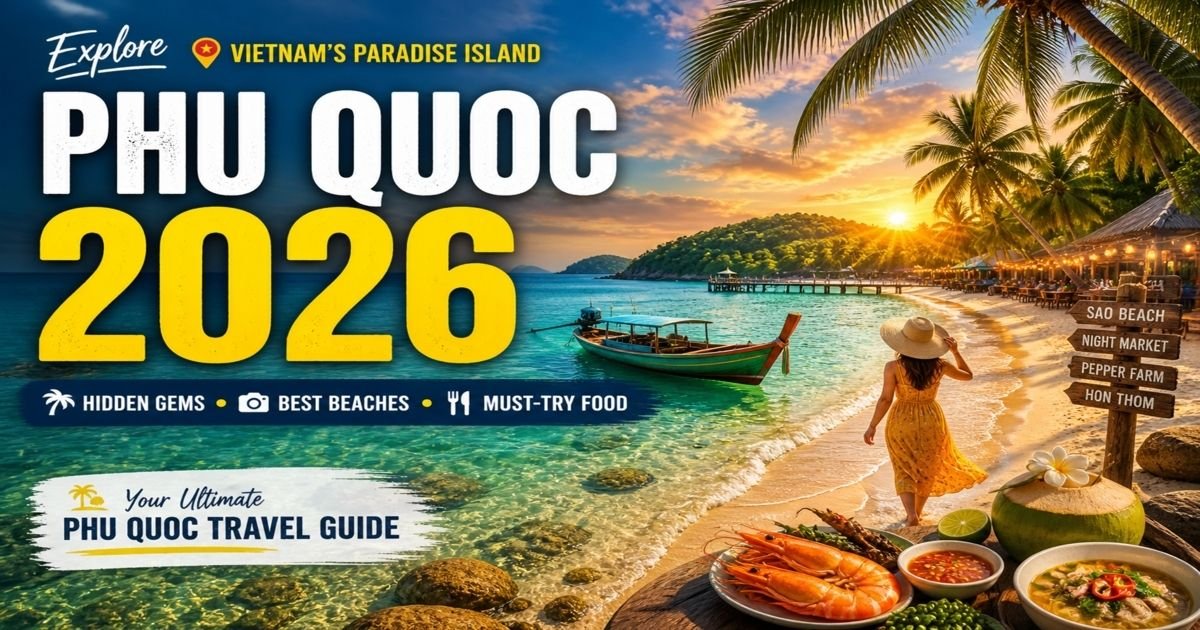
I got back from Phu Quoc three weeks ago and I’m already plotting when I can return. This Phu Quoc Vietnam travel guide exists because of that feeling, not because I missed something, but because I know exactly what’s coming.
Right now, in 2026, the island sits in that rare sweet spot. The kind Bali had fifteen years ago and Phuket maybe never had at all. The beaches are still empty enough that you can walk for twenty minutes without dodging a selfie stick. The squid is still pulled from the water that morning and grilled by someone who remembers your order from yesterday. The jungle paths still lead to viewpoints where your only company is a hornbill and the sound of your own breathing.
But the construction cranes are visible from Long Beach now. The new international terminal opens next year. The clock is ticking.
Phu Quoc is Vietnam’s largest island, floating in the Gulf of Thailand barely an hour’s flight from Ho Chi Minh City. It has the white-sand beaches and turquoise water that sold millions on Southeast Asia, except here the seafood tastes better because the fishermen still live next door, the prices haven’t been inflated by influencer demand, and when a local invites you for rice wine at sunset, they’re not working from a script.
This guide is not a brochure. It’s everything I wish I’d known before I went, the beaches actually worth your time, the dishes that will ruin seafood back home, the hidden coves and night markets the tour buses haven’t found yet, where to sleep whether you’ve got $15 or $500 a night, and the practical details that separate the travelers who fall in love with Phu Quoc from the ones who just pass through.
Before you fly out make sure you have these travel essentials sorted
Getting to Phu Quoc and Getting Around the Island
Getting here is easier than most people expect. Getting around once you land is even simpler.
Getting There
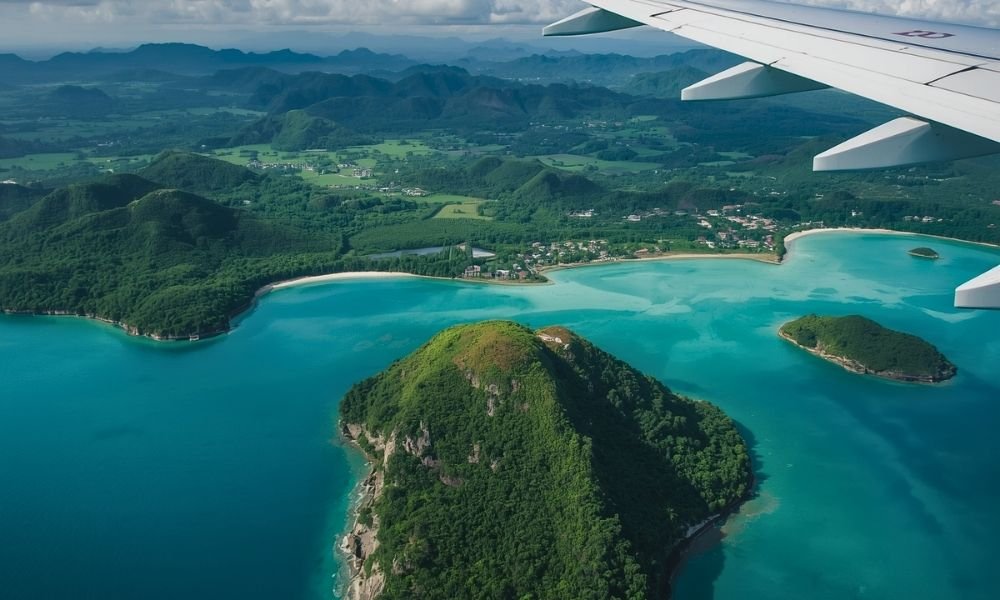
Fly if you can. Phu Quoc International Airport takes direct flights from Ho Chi Minh City, Hanoi, and Da Nang, anywhere from one to two hours depending on your starting point. VietJet Air and Bamboo Airways run the route regularly, and if you book three weeks ahead you will find one-way fares between $20 and $35. International travelers can also fly direct from Singapore, Bangkok, and Kuala Lumpur.
Already traveling through the south? The ferry from Ha Tien on the mainland runs about an hour and costs roughly $10 each way. It is a good option if you have been working your way through the Mekong Delta overland and want Phu Quoc as your final stop.
Visa Information
Most nationalities get 45 days visa-free under Vietnam’s current e-visa policy. Check the official Vietnam Immigration portal before you fly because requirements do shift. Some countries qualify for longer stays, so verify your own situation three weeks out.
Getting Around the Island
Your first decision after landing is how to reach your accommodation. Taxis wait outside arrivals but the pricing is inconsistent. The better move is to pre-book an airport transfer through Viator before you leave home. Fixed price, driver waiting when you walk out, no negotiation after a long flight.
Book your Phu Quoc airport transfer on Viator
When it is for daily exploring, I would advise you rent a scooter. It is about $7 to $10 per day, which gives you full freedom. This is how most independent travelers reach the beaches, forests, and villages that sit well outside the main tourist zones. However if you are not comfortable on two wheels, then you have to go for a day tours through GetYourGuide cover the key attractions with transport included, and they are worth booking for at least one or two days of your trip.
Grab works on the island and is useful for occasional trips where you do not want to ride yourself. Fixed-route buses connect the main town to a few key areas, but the schedules are limited and not reliable enough to plan a full day around.
Tips to Save Time and Money
Book flights mid-week and at least three weeks ahead. Fares drop noticeably outside weekends and Vietnamese public holidays.
If you are arriving with a full pack, grab a lightweight travel daypack as a separate bag. You will leave your main luggage at the guesthouse most days and head out with just essentials. A good daypack makes that routine far more comfortable across a full week of exploring.

One more thing to sort before leaving home: a universal travel adapter. Vietnam uses Type A, C, and G outlets depending on the property, and the combination varies more than you would expect even within a single building. One adapter that covers all three means you never arrive and find your devices unable to charge.

Top Beaches to Visit in Phu Quoc
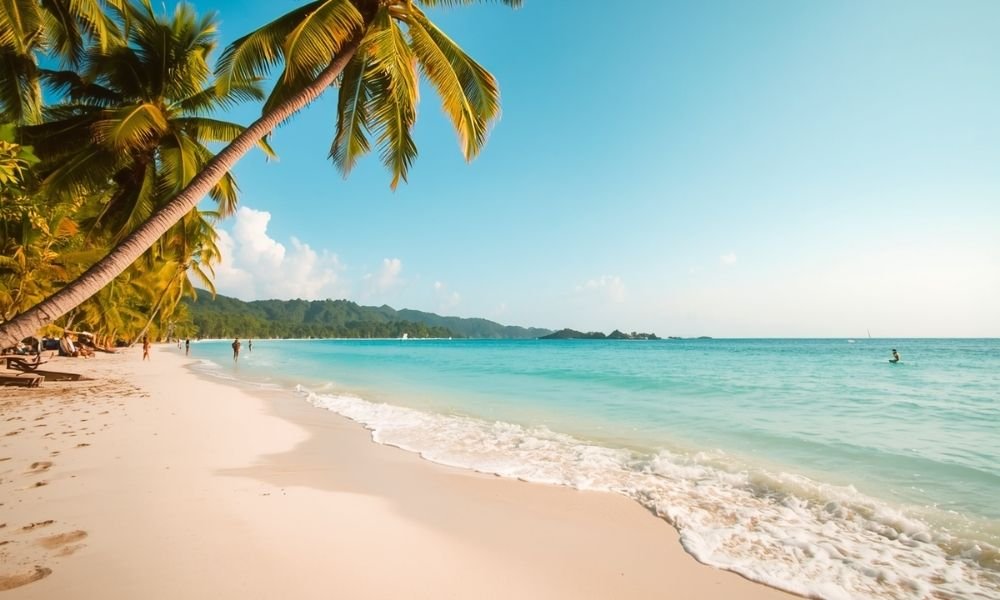
Phu Quoc has enough coastline to fill a week without repeating a single stretch of sand. The island runs about 50 kilometers north to south, and the character of the shore changes completely depending on which direction you head.
Long Beach (Bai Truong)
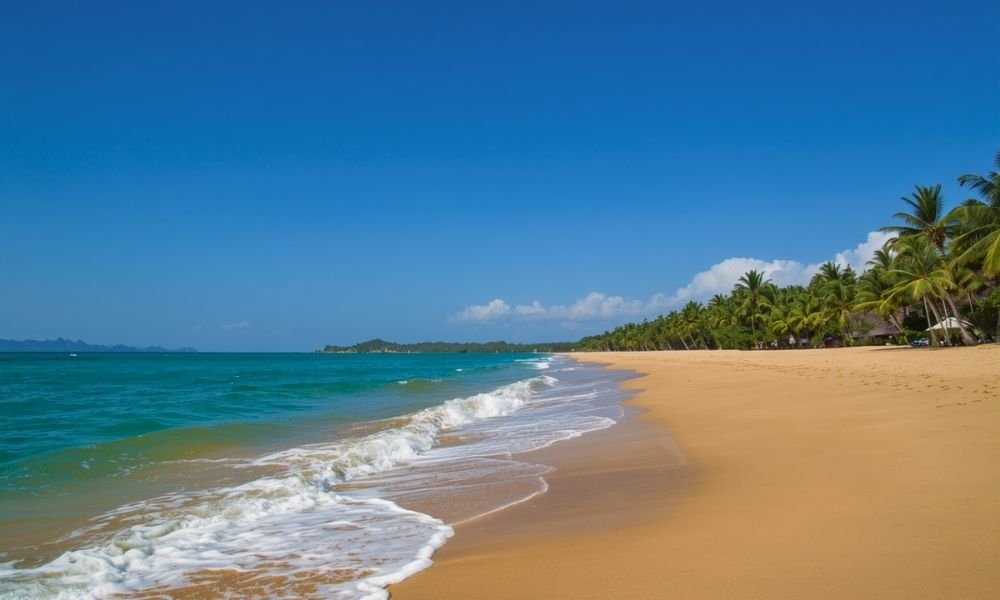
Long Beach traces the west coast for nearly 20 kilometers and is the most accessible sand on the island. The northern end near Duong Dong town has the most facilities, beach bars, and food within walking distance. The sunsets here are truly worth staying for. The sky over the Gulf of Thailand turns deep orange and pink most evenings, and the whole thing costs nothing but your time.
The beach is quietest before 9am and again after 5pm. Midday brings the most foot traffic, so if you want a peaceful swim, plan around those windows.
Sao Beach (Bai Sao)
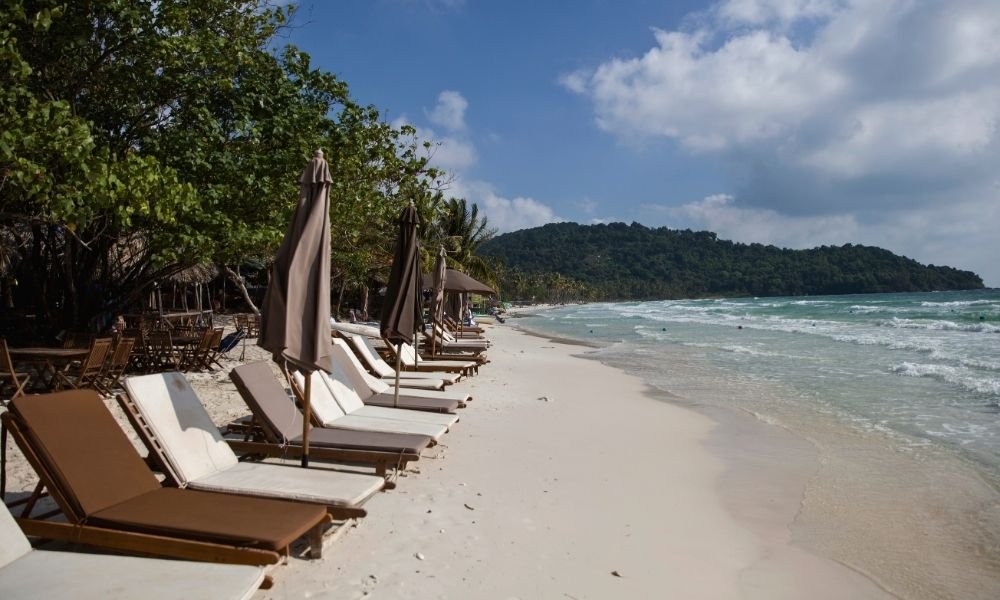
This is the beach in every Phu Quoc photograph, and it earns its reputation. The sand is fine and white, the water is a deep turquoise that stays clear even after heavy rain, and the whole scene looks like it belongs somewhere far more expensive. You will find it on the southeast coast, about 30 minutes by scooter from the main town, and that short distance alone keeps the crowds manageable.
Go on a weekday if you can. Weekends bring more domestic tourists and the atmosphere shifts noticeably. Arriving before 10am gives you the best version of the beach before the day tour groups show up. One thing you will want at Sao Beach is a waterproof phone pouch. The water is shallow enough to walk out a long way, and most people end up going further in than they planned.

Ong Lang Beach
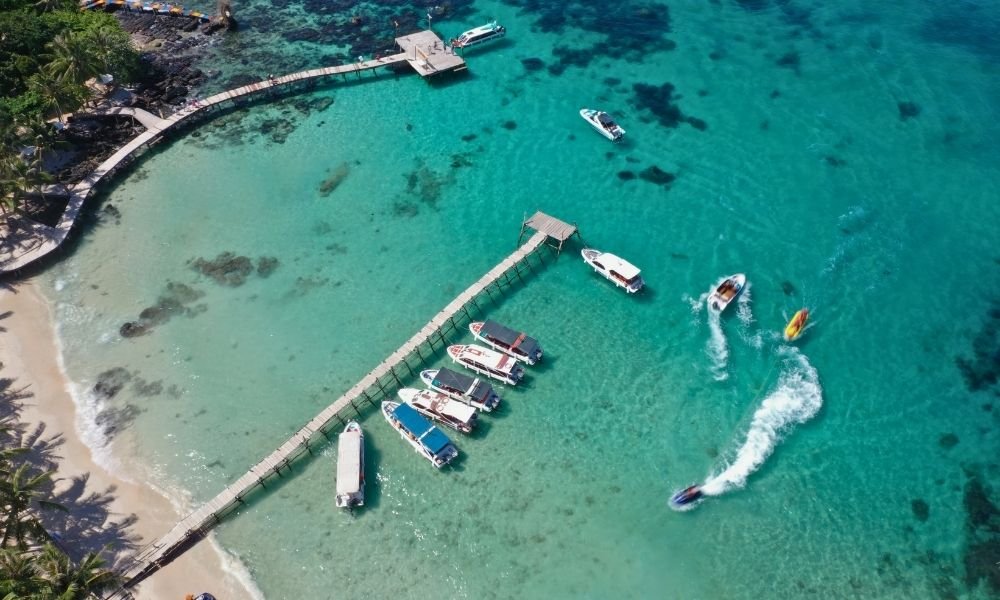
Ong Lang is on the west coast about 15 kilometers north of town, and it is the beach that backpackers and slow travelers tend to claim as their own. No big resort facilities, cheap and low-key bars, and water calm enough for a long afternoon without much wave action. It is the kind of beach where you bring a book and stay longer than you intended.
Rach Vem (The Starfish Beach)
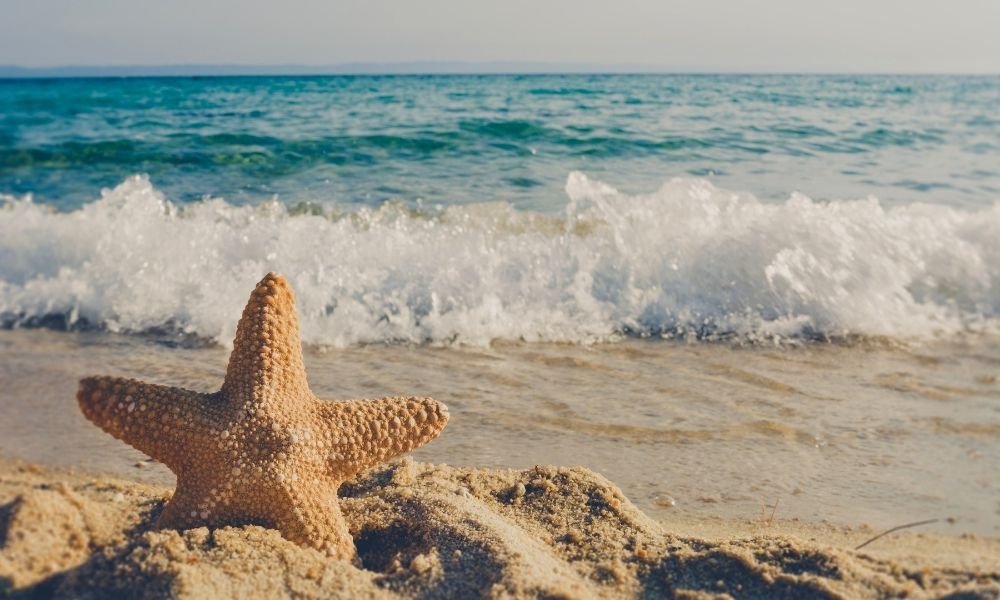
Rach Vem is in the far north, and most package tourists never make it there. The beach itself is modest, but the shallow water in front of it is full of large orange starfish that sit visibly on the seabed in water barely knee-deep. It sits next to a small floating fishing village, and the combination of the two makes it the most truly local feeling spots on the island. Getting there requires a scooter and about 45 minutes of riding from the main town, but the road north is one of the more scenic drives on the island, so the journey is part of the experience.
Snorkeling and Island Hopping
The best underwater scenery around Phu Quoc is not off the main beaches but out in the An Thoi Archipelago to the south. The water clarity on a calm day is exceptional, and the coral reefs are still in good condition compared to much of Southeast Asia. A full day island hopping tour through Viator covers the best snorkel spots, includes a floating lunch on the water, and visits several islands that are impossible to reach independently without chartering a boat at much higher cost.
Book a Phu Quoc island hopping and snorkeling tour on Viator here
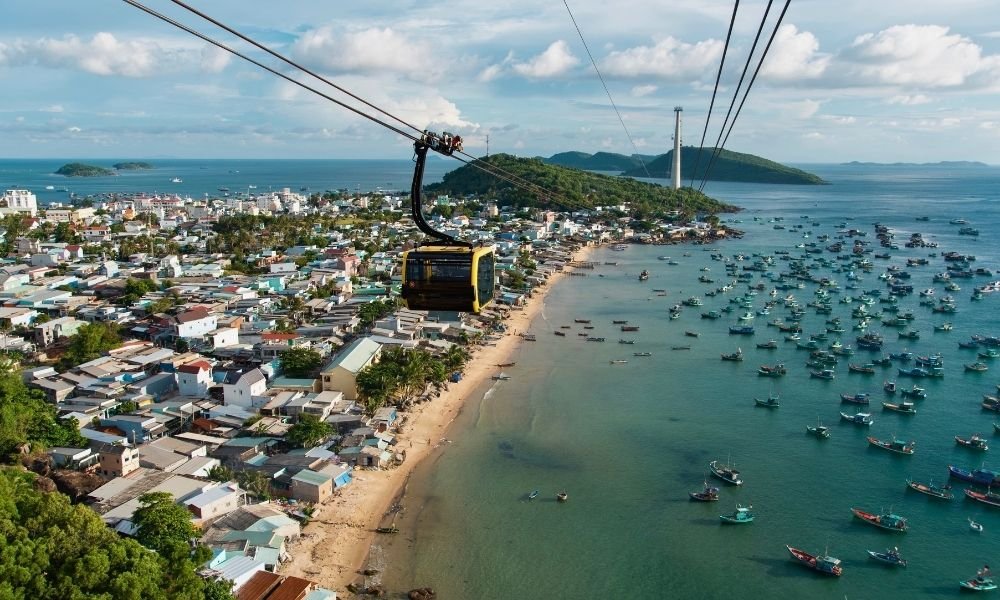
If you want to combine a beach day with something more unusual, the Phu Quoc cable car is among the longest over-water cable car rides in the world. It connects the southern tip of the island to Hon Thom Island below, and the views from the gondola over the islands and sea justifies the ticket price on their own. GetYourGuide offers a combined cable car and beach day package that handles the transport and timing so you are not figuring out connections yourself.
Book the Phu Quoc cable car and beach combo on GetYourGuide
Before You Head to Any Beach
The sun in Phu Quoc is stronger than it feels, especially between 11am and 3pm when the UV index regularly hits extreme levels. Use a reef-safe sunscreen both for your own skin and because the reefs around the island are protect. Standard sunscreen chemicals do measurable damage to coral over time, and the price gap between regular and reef-safe options has narrowed considerably.

Food and Nightlife in Phu Quoc
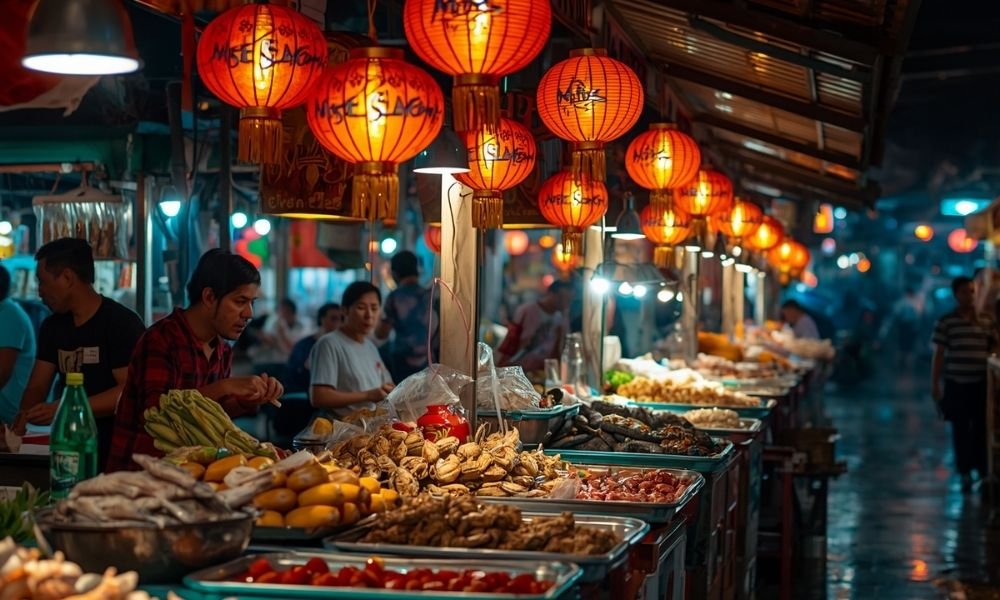
The island punches well above its weight on food. It has dishes you will not find anywhere else in Vietnam, a night market that delivers on both atmosphere and quality, and a seafood scene that benefits from boats going out every morning and coming back with whatever the Gulf of Thailand produced overnight.
Dishes You Need to Try
Bun Quay is the dish that defines Phu Quoc more than anything else on the menu. It is a rice noodle soup that you build yourself at the table, dipping the noodles briefly into a rich, slightly sweet broth made from shrimp and local seafood. The technique is what makes it different. You hold a bundle of noodles with chopsticks, spin them into the broth for a few seconds, and eat immediately. Most visitors try it once and go back two or three more times before they leave.
Grilled seafood is everywhere on the island, and the quality stays consistently high because the supply chain is so short. Prawns, squid, clams, and whole fish grilled over charcoal and eaten at a plastic table on the street is one of those meals that costs almost nothing and stays with you long after the trip.
Phu Quoc fish sauce is one of the most celebrated condiments in Vietnamese cooking. It has a deeper, more complex flavor than fish sauce produced elsewhere in the country, and locals are quietly proud of it. Picking up a small bottle to take home is a solid food souvenir available anywhere in Southeast Asia.
Banh Canh Ghe is another local specialty track down. It is a thick rice noodle soup made with blue swimmer crab and a broth that is rich without being heavy. It is the kind of breakfast that sets up a full day of riding and exploring without leaving you sluggish.
Night Markets and Street Food
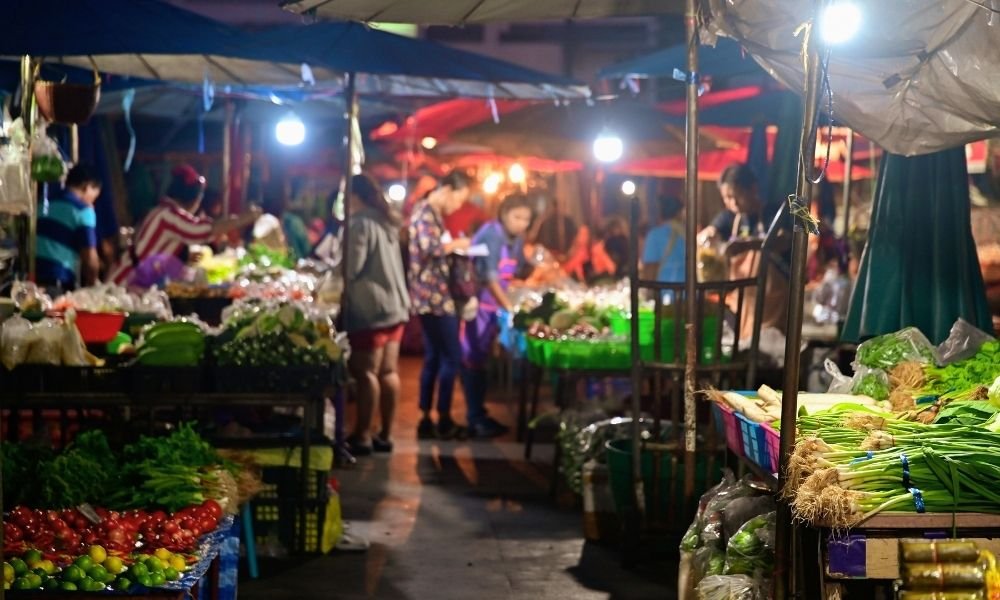
Dinh Cau Night Market in Duong Dong is the main event for evening eating, and it earns its reputation. The market runs along the riverbank and fills up from near 5pm with stalls selling grilled seafood, spring rolls, Vietnamese crepes, fresh fruit, and cold drinks. Budget between $4 and $8 for a full meal, and you will leave having eaten better than most restaurants charge twice that for elsewhere.
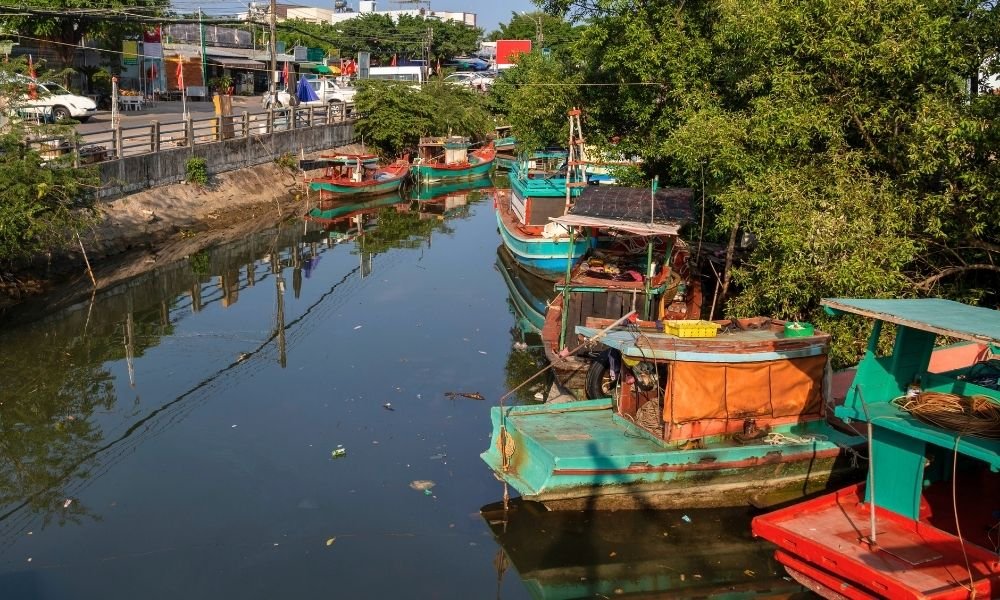
Ham Ninh Fishing Village has a smaller, quieter version of the same thing on weekend mornings. The village lies on the east coast, and the seafood here comes straight from the boats moored a few meters away. It is a separate trip even if you have already done Dinh Cau.
Recommended Restaurants and Cafes
For sit-down dining, Ganesh Indian Restaurant near the main town center is a reliable option for travelers who need a break from Vietnamese food after several days. The portions are generous and the pricing is fair. Itaca Resto Lounge on Long Beach is well regarded for its sunset views and Western-Vietnamese fusion menu. Expect to pay at the higher end of the mid-range bracket, but the food quality justifies the price and the location at sunset is hard to beat.
For coffee, Phu Quoc has developed a small but solid cafe culture over the last few years. Look for independent cafes in the back streets of Duong Dong town. Vietnamese iced coffee with condensed milk for around $1.50 is still one of the best value drinks anywhere in the world, and the quality on the island is consistently good.
Food Tours and Night Market Experiences
If you want someone to guide you through the best of what the island produces rather than navigating it alone, a guided food tour through Viator is one of the more enjoyable ways to spend an evening. The good ones take you through the night market, stop at local restaurants that most visitors walk straight past, and give you the context behind each dish that makes the food make sense.
Book a Phu Quoc food tour or night market experience on Viator here
Hidden Gems and Off-the-Beaten-Path Experiences in Phu Quoc
Most visitors spend their time in the south and center of the island. The resorts are there, the main beaches are there, and the airport drops you right into that zone. That concentration of tourism is exactly why the north remains the most rewarding parts of Phu Quoc to explore.
Northern Phu Quoc: Jungle, Mountains and Villages

The northern third falls inside Phu Quoc National Park and covers dense tropical forest, small hills, and a coastline barely touched by tourism. No beach clubs up here, no smoothie bars, no sun loungers for rent. What you get instead are fishing villages where boats go out before dawn, jungle tracks that require confidence on a scooter, and views over the island’s interior that most visitors never see.
Ganh Dau village perches at the very northern tip and looks out across a narrow stretch of water towards Cambodia. On a clear day the Cambodian coastline is visible from the shore. The village itself is small and quiet, the kind of place where a stranger pulling up on a scooter gets curious looks rather than a sales pitch.
The road that runs up the west coast from the main town through Cua Can and onwards to Ganh Dau is the best rides on the island. The surface is good for most of it, jungle presses close on both sides, and occasional stretches of coast appear between the trees with no development in sight. Allow at least half a day for the full run north and back.
Jungle Trails and the National Park

The national park covers about 70 percent of Phu Quoc’s land area and the interior is actually wild in places. Marked trails lead into the forest from several entry points but they are not heavily signposted, and you will not find guided walking groups waiting at the trailhead. Bring enough water for two or three hours, wear long socks against the undergrowth, and apply insect repellent before you head in. The mosquitoes in the forest are persistent, and the repellent sold in convenience stores on the island tends to be weaker than what you can bring from home.


Vinpearl Safari
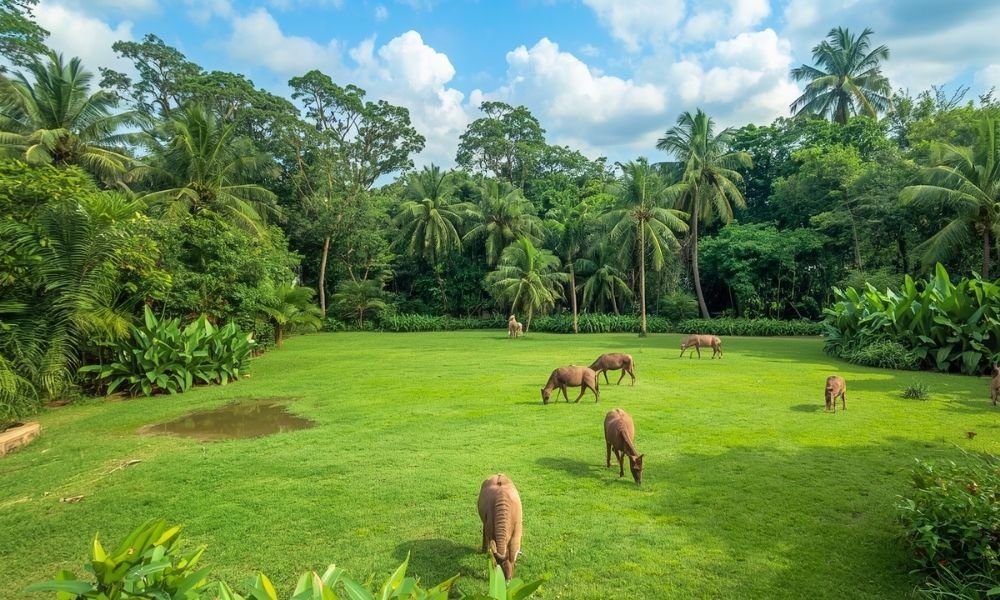
Vinpearl Safari is in the north of the island and is a strong wildlife experiences in Southeast Asia for a destination of this size. It operates as an open safari park where animals move through large open areas rather than traditional enclosures. Giraffes, zebras, white rhinos, and a wide range of Southeast Asian species share space across the grounds. It works well for families but is worth a visit regardless of whether you are travelling with children.
Suoi Tranh Waterfall

Suoi Tranh is a small waterfall in the center of the island, inside the national park boundary. It is not a dramatic cascading spectacle but it is a cool, shaded spot that offers a genuine break from beach days and a short walk-through forest to reach it. Go early in the morning before the day tour groups arrive and you will often have it entirely to yourself.
The Pepper Farms and Fish Sauce Factories
The pepper farms in the Duong to area let you walk through the growing vines and buy directly from the source. The fish sauce factories near Duong Dong show you the full production process in wooden barrel rooms. Both are free or close to it, and both give you a version of Phu Quoc that resort guests staying a kilometer away will never encounter.
Northern Phu Quoc by Jeep
If you want to cover the northern part of the island properly without navigating it alone, a jeep tour through Viator is one of the better ways to do it. The good ones take you through the national park, stop at the fishing villages, include Ganh Dau at the northern tip, and cover tracks that a standard scooter rental is not built for.
Book a Northern Phu Quoc jeep and adventure tour on Viator
A Note on Motorbike Days
If you are exploring the north on your own scooter, carry a lightweight travel lock with you. Parking options in the villages and forest entry points are informal and unattended. A lock takes up almost no space and means you can leave the bike and walk somewhere without it becoming a source of stress for the rest of the afternoon.

Where to Stay in Phu Quoc
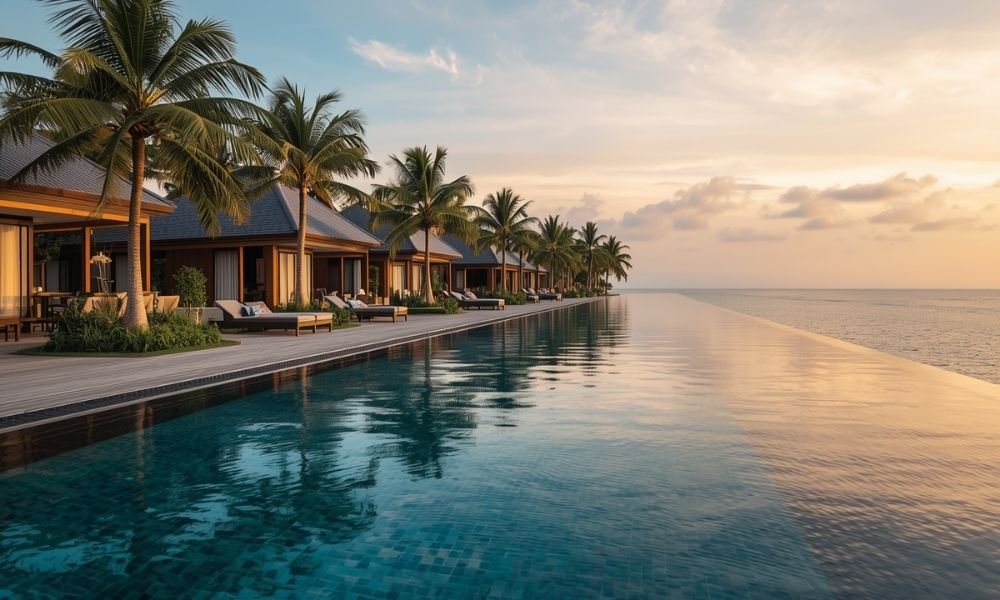
Phu Quoc has accommodation for every budget, and the gap in quality between the cheapest and most expensive options is bigger here than almost anywhere else in Southeast Asia. A $10 guesthouse bed and a $500 per night overwater villa can exist within a few kilometers of each other, and both deliver exactly what they promise.
Best Areas to Stay
Duong Dong town is the main hub and the best base for first-time visitors regardless of budget. Everything is within reach from here. The night market, the main beach, restaurants, scooter rental shops, tour operators, and the ferry terminal are all accessible without needing to plan transport around every move.
Long Beach runs south from Duong Dong along the west coast and holds the majority of accommodation. The northern end of Long Beach is walkable to town and suits visitors who want easy access to food and nightlife without being in the thick of it. The An Thoi area at the southern tip is where the big luxury resorts cluster. Ong Lang Beach on the mid-west coast is the sweet spot for independent travelers who want something quieter than Long Beach but do not want to feel cut off.
Budget Options
Phu Quoc has a solid range of guesthouses and budget hotels that deliver clean rooms, reliable wifi, and a decent breakfast for between $10 and $25 per night. The best value options tend to be family-run guesthouses in the streets behind Long Beach and in Duong Dong town itself. Solo travelers will find that guesthouses in the Duong Dong area put them within easy walking distance of the night market and the main scooter rental shops, which cuts the cost of getting around considerably.
Search budget guesthouses in Phu Quoc on Travelpayouts.com here
Mid-Range Options
The mid-range bracket in Phu Quoc falls between $40 and $120 per night and offers really good value compared to equivalent pricing in Bali or Phuket. This is where boutique hotels with pools start to appear, where breakfast is included and actually worth eating, and where the difference between a comfortable trip and a great one becomes tangible.
Couples travelling together tend to get the most out of the mid-range options on Long Beach and near Ong Lang. Families with children are best served by the larger mid-range hotels close to Long Beach where the beach access is straightforward and there are enough facilities on site to keep different ages occupied without relying entirely on day trips.
Search mid-range hotels in Phu Quoc on Travelpayouts.com here
Luxury Options
The luxury end of Phu Quoc is actually world class and still priced below comparable properties in the Maldives or Bali at the top tier. JW Marriott Phu Quoc Emerald Bay is the most architecturally distinctive property on the island, built around a fictional French university concept with individual buildings set into the hillside above the sea. Premier Village Phu Quoc Resort occupies a private peninsula with villas that have direct beach access on both sides. Intercontinental Phu Quoc Long Beach Resort brings the full international luxury brand experience to the west coast with the kind of facilities and service that justify switching off completely for a week.
If you are staying at the luxury end, a private island day tour is added to the itinerary. The waters around the southern islands are at their best when you have them to yourself or close to it, and a private charter arranged through Viator gives you the flexibility to set the pace and the stops rather than following a group schedule.
Book a private island tour in Phu Quoc on Viator here
Search luxury resorts in Phu Quoc on Travelpayouts.com
A Quick Note on Booking Timing
Phu Quoc accommodation fills up quickly between December and February, which is peak season on the island. If you are planning a trip in that window, booking at least six to eight weeks in advance to do it regardless of which budget level you are working with. Outside of peak season, last-minute availability is generally fine but the best value properties at every price point tend to go first.
Things to Know Before You Go
A little preparation goes a long way in Phu Quoc. The island is easy to navigate and welcoming, but knowing specifics before you arrive means less time figuring out logistics and more time actually enjoying the place.
Weather and Best Time to Visit
Phu Quoc has two distinct seasons, and they are different enough that timing really matters. The dry season runs from November through April. This is when the island is at its best. Skies are clear, the sea is calm, snorkeling visibility is excellent, and the beaches look like the photographs. December, January, and February are peak months and the most expensive. If you want dry season conditions without peak season prices, November and March are your sweet spots.
The wet season runs from May through October. Rain comes in short heavy bursts rather than all-day downpours for most of this period, which means mornings are often clear and afternoons bring showers that pass within an hour. Prices drop across the board, availability opens up, and the island takes on a greener, quieter character that some travelers actively prefer.
Safety
Phu Quoc is safer than most destinations in Southeast Asia for independent travelers. Petty theft exists as it does anywhere with a tourist economy, but it is not a defining feature of the island. Keep your phone out of sight in busy market areas, use a money belt or secure inner pocket for your passport and larger cash amounts, and lock your scooter whenever you park it and walk away.
Traffic moves fast in places, particularly on the main road through Duong Dong. If you are not an experienced scooter rider, take fifteen minutes in a quiet area to get comfortable before heading onto the main roads. The majority of serious injuries involving tourists on the island come from scooter accidents, and most of those are avoidable with a sensible approach in the first hour.
Local Customs and Cultural Tips
Vietnam is a country where small gestures of respect go a long way. Dress modestly when visiting any temple or pagoda on the island, which means covered shoulders and knees as a minimum. Remove your shoes before entering a local home if you are invited in. A basic greeting in Vietnamese, “xin chao” pronounced roughly as “sin chow”, is appreciated wherever you use it and tends to change the temperature of an interaction immediately.
Bargaining is expected at markets and from street vendors but should be approached as friendly negotiation rather than confrontation. Tipping is not a formal expectation in Vietnamese culture but it is appreciated in restaurants and for tour guides who have done a good job.
Currency and Costs
Vietnam uses the Vietnamese Dong. The exchange rate makes the numbers feel large, with one US dollar converting to roughly 25,000 Dong at the time of writing. Paying in cash is standard for most things on the island, particularly at markets, street food stalls, and smaller guesthouses. ATMs are available in Duong Dong town and in the main tourist areas. Withdraw enough for several days at a time, as ATM fees add up quickly if you are withdrawing small amounts frequently.
Connectivity and Useful Apps
Getting a local SIM card or an eSIM on arrival is the useful things you can do for your trip. Mobile data in Vietnam is fast, cheap, and available almost everywhere on the island. A local SIM or travel eSIM from Klook can be arranged in advance and either picked up at the airport on arrival or activated digitally before you land, which means you have maps, Grab, and messaging working from the moment you step off the plane.
Grab is the app you will use most for transport when you are not on a scooter. Google Maps works well for navigation on the island, including the northern roads. Google Translate with the camera function activated is useful in restaurants where the menu is entirely in Vietnamese.
Packing Essentials

The sun in Phu Quoc is serious at any time of year but particularly brutal between November and April when the sky is clear and the UV index stays consistently high. Apply reef-safe sunscreen every morning before you leave your accommodation rather than waiting until you reach the beach. By the time you feel the burn it has already happened, and a bad sunburn on day two of a week-long trip is a miserable way to spend the rest of it.
For packing, the one investment that makes a noticeable difference across a multi-stop trip is a set of packing cubes. Phu Quoc is often part of a longer Vietnam itinerary that takes in Hanoi, Hoi An, Ho Chi Minh City, and Ha Long Bay. Moving between guesthouses and hotel rooms every few days with a disorganized bag gets old quickly. Packing cubes compress your clothes, keep categories separate, and mean you can find what you need without unpacking everything onto a hostel bed at midnight.

Before you finalize any travel plan, there is one thing that should always make the list regardless of destination, budget, or trip length. Travel insurance. We have seen too many travelers skip this and regret it. SafetyWing covers medical emergencies abroad, emergency evacuation, and trip interruptions at a price that actually makes sense for budget and frequent travelers. Get a quick price estimate for your specific trip right here:
Go Before Everyone Else Does
There are not many places left in Southeast Asia where you can still feel like you found something before the crowds did. Phu Quoc is one of them, but that window is closing. The infrastructure is improving, international flights are increasing, and the kind of attention that turned Bali and Phuket into what they are today is starting to point in this direction. That is not a reason to avoid it. It is a reason to go now rather than later.
The island has everything that makes a destination worth the journey. Beaches that range from social and easy to remote and unspoiled. Food that is specific to this place and nowhere else. A north that most tourists never reach. Accommodation options that work whether you are spending $15 a night or $500. And a pace of life that has not yet been fully replaced by the version designed for visitors.
If you are planning a trip to Vietnam in 2026, Phu Quoc deserves more than a long weekend tagged onto the end of a Hanoi and Ho Chi Minh City itinerary. Give it a week. Ride north. Eat at the markets. Get on a boat. The island rewards the travelers who slow down and look around.
Before you start booking, read through the full guide we put together covering everything to do on the island in detail. It covers the top activities, the beaches broken down by type, the hidden corners that justify the effort, and all the practical booking links in one place.
Read the full Phu Quoc Ultimate Island Guide
If you want to see the island before you decide, the video below walks through everything covered in this article with footage from the ground.
Watch the full Phu Quoc travel video on YouTube here
And if you want everything in one place to read offline, plan with, and share with whoever you are travelling with, the free eBook covers Phu Quoc In 3 Days Itinerary with all the affiliate links and booking resources included.
Download the free “Phu Quoc In 3 Days Itinerary Travel Guide” eBook here
Plan early, book ahead for December to February travel, and go before the rest of the world works out what is sitting in the Gulf of Thailand.
If you’re serious about getting this trip right, don’t rely on scattered notes and bookmarks. The full Phu Quoc Island Vietnam Travel Guide on Amazon gives you step-by-step planning, curated itineraries, and practical details you won’t want to figure out on the ground.
Download the FREE Ultimate Vietnam Phu Quoc Travel Guide Pdf Tips and Resources